Kevin Hassett says $2K tariff-backed payments need congressional approval as WH readies proposal
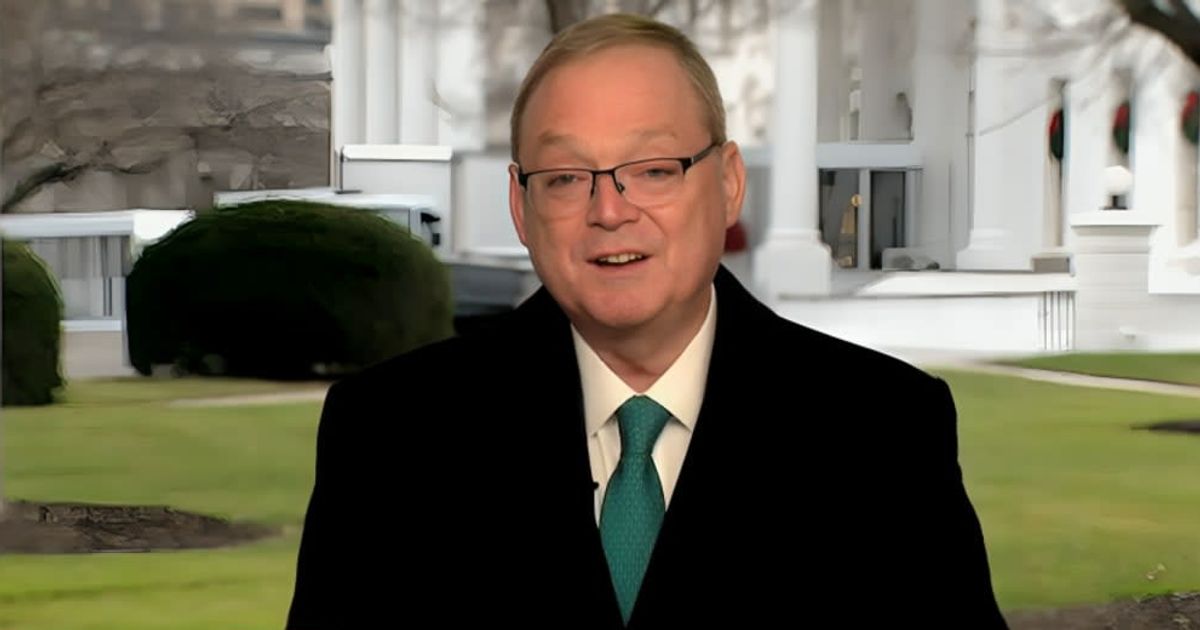
National Economic Council Director Kevin Hassett says he expects President Trump to “bring forth a proposal to Congress” in the new year on his vow to send Americans $2,000 checks, but wasn’t clear on where the funds would come from.
— Face The Nation (@FaceTheNation) December 21, 2025
“It could come from tariff revenue, but in… pic.twitter.com/BL5FmlpP8i
WASHINGTON, DC: White House National Economic Council Director Kevin Hassett said President Donald Trump’s proposal to provide Americans with $2,000 checks funded by tariff revenue will depend on congressional approval, as the administration prepares to submit a formal plan in the new year.
Appearing Sunday on 'Face the Nation,' Hassett said Congress would need to authorize the funding, likely through legislation tied to the tax code.
“That’s going to depend on what happens with Congress,” Hassett said, adding that he expects the president to put forward a proposal in 2026.
NEC Director Kevin Hassett on the success of tariffs: "We've got still high growth, which people said we couldn't if we had tariffs. We have reduction in the deficit, reduction in the trade deficit. Imports from China are the lowest they've been since China entered the WTO." pic.twitter.com/8fzMNGHIeq
— Rapid Response 47 (@RapidResponse47) December 21, 2025
Kevin Hassett says tariff-funded checks hinge on Congress
Kevin Hassett said recent economic indicators have boosted the administration’s confidence that tariff-funded payments could be feasible, while emphasizing that final decisions rest with Congress.
“We’ve had a couple of quarters of almost 4% growth,” Hassett said, pointing to strong economic performance. He added, “We’ve got a big government surplus actually running for a few months in a row, [and] the deficit relative to last year is down by $600 billion.”
While tariff revenue is one potential funding source, Hassett stressed that spending authority lies with lawmakers. “In the end, you know, we get taxes, we get tariffs, we get revenue from lots of places, and then Congress decides how to spend those monies,” he said.
Kevin Hassett cites low inflation, signals room for Fed rate cuts
Kevin Hassett said he does not believe the United States is entering a downturn, pushing back on concerns about a hiring slowdown.
Pointing to recent inflation data, Hassett said the three-month moving average of core prices is running at an annual rate of about 1.6%, well below the Federal Reserve’s target.
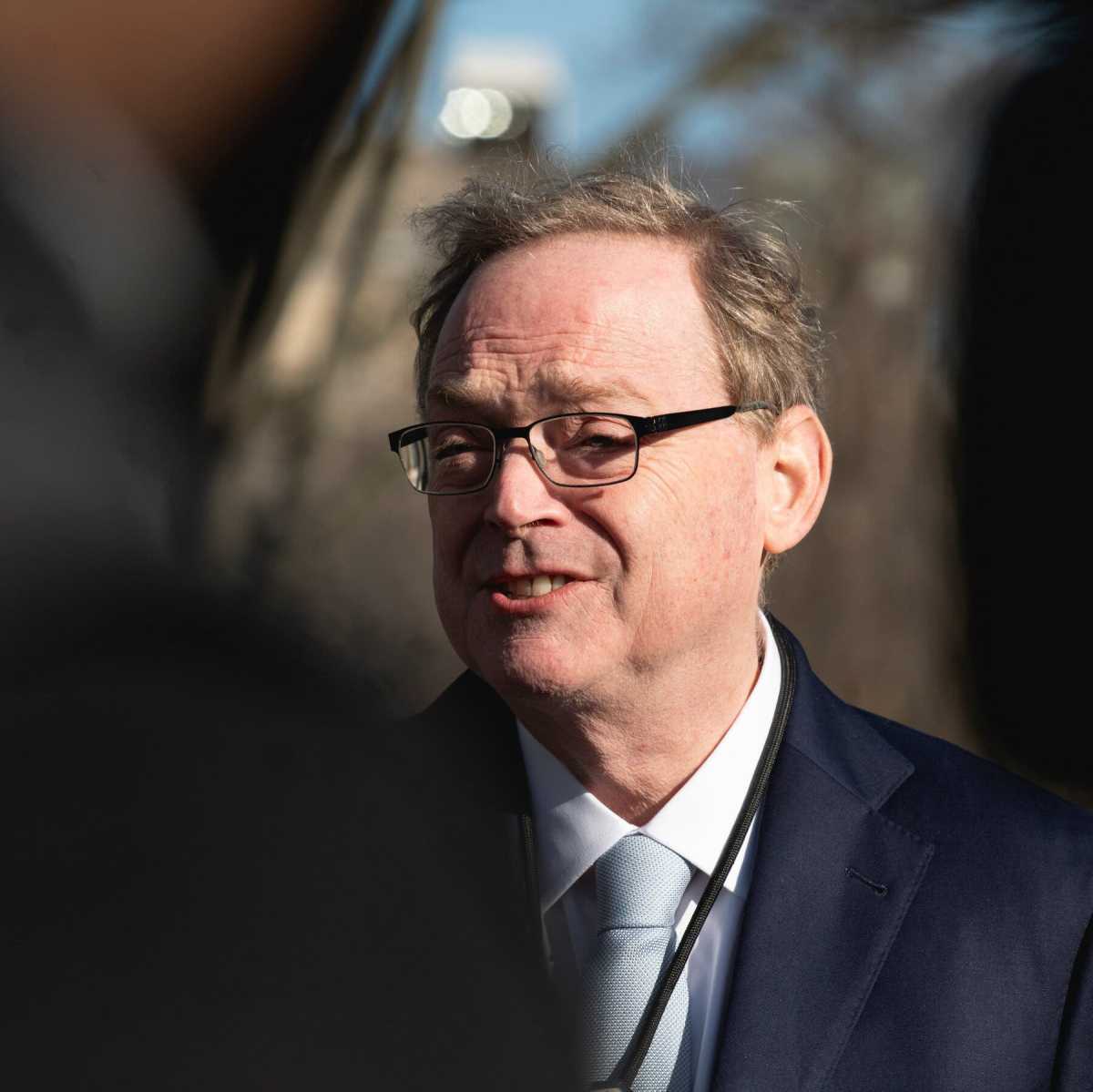
“If you look at the three-month moving average… they’re running at an annual rate of about 1.6%, way below the Fed’s target,” Hassett said, adding that the trend gives the Federal Reserve room to consider interest rate cuts.
He acknowledged that inflation has not fallen to zero but said upward pressure beyond the Fed’s target has eased.
Hassett also addressed concerns from business groups about labor shortages following changes in immigration policy. He said employment among native-born workers has risen, including gains among Hispanic Americans.
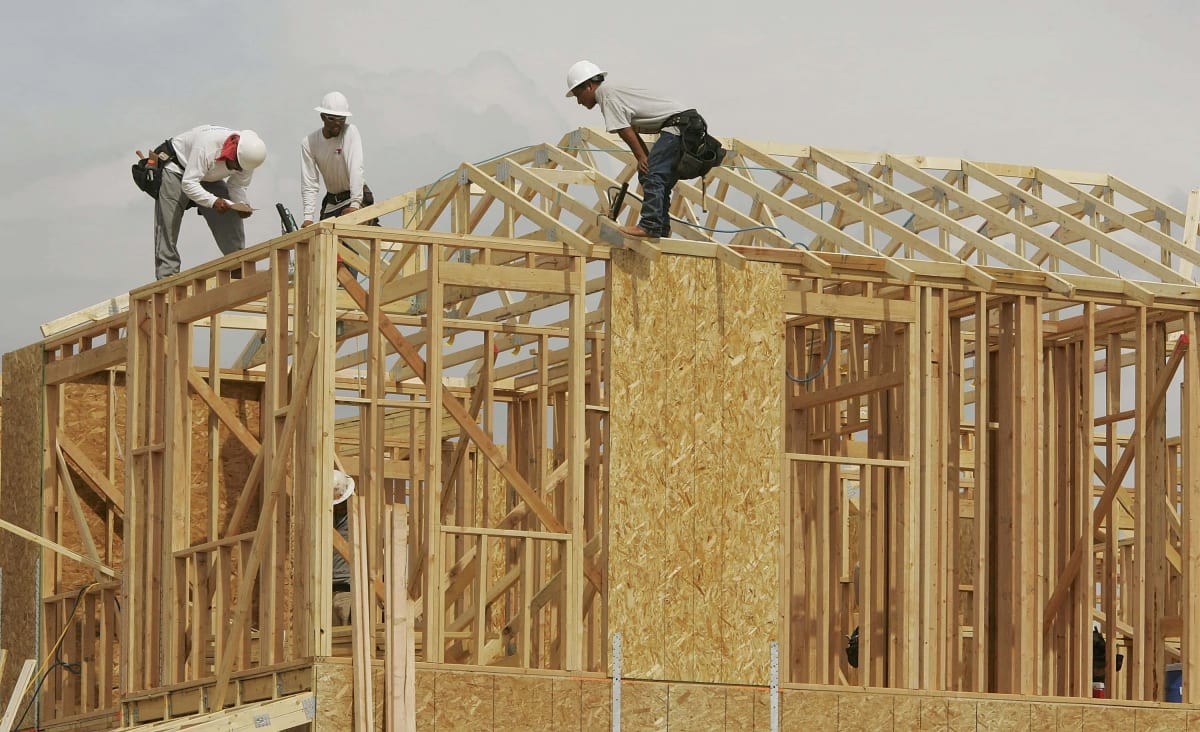
“When foreign-born workers depart, then it creates jobs for people who are native-born,” Hassett said. He pointed to wage growth in the construction sector, noting that average pay has increased by about $3,300 this year.
“That’s exactly how markets work,” Hassett said, adding that higher wages are drawing workers back into the industry.
Kevin Hassett defends tariffs, signals possible exemptions
Hassett defended the administration’s tariff strategy, saying most measures introduced this year “have proven their mettle,” citing reduced imports from China and a narrower trade deficit.

At the same time, Hassett acknowledged that adjustments may be necessary.
“There’s an appetite to exempt things if they’re really not meant to be made in the US,” he said, pointing to coffee as one example. Hassett added that Jamieson Greer is leading reviews of potential exemptions.
Hassett also said he is confident the Supreme Court of the United States will uphold the administration’s authority to impose tariffs under emergency powers laws currently under review.

“We really expect the Supreme Court is going to find with us,” Hassett said, adding that issuing widespread refunds would be difficult to administer even if the court ruled otherwise.
He said the administration remains focused on economic stability, investment growth, and legislative engagement as it heads into the new year.