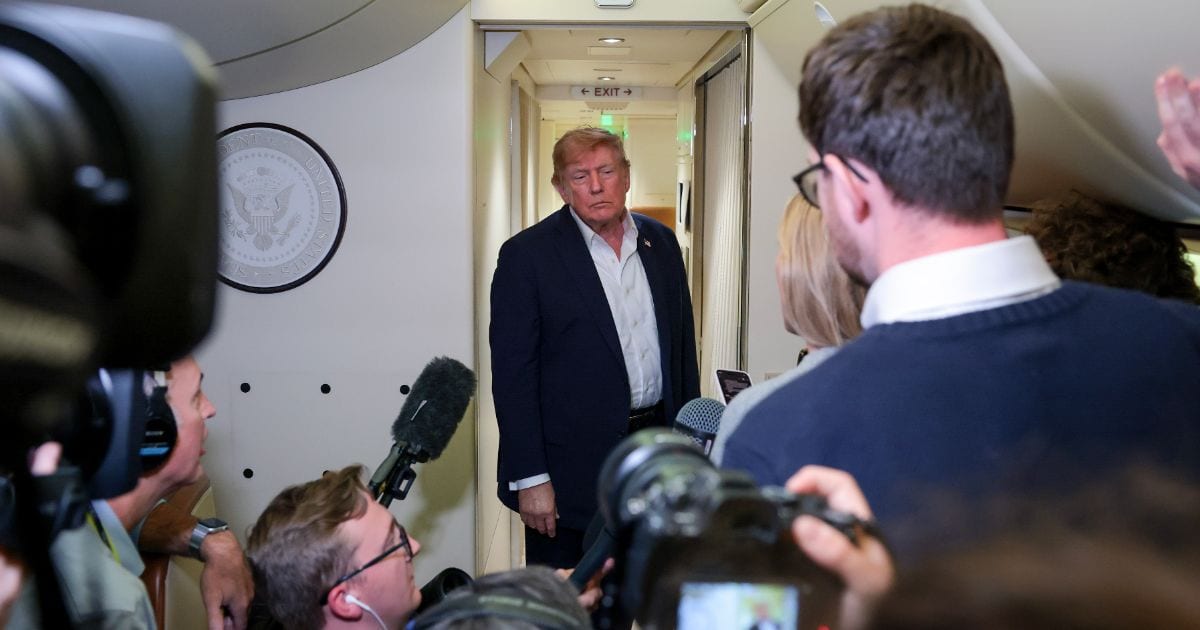
Khanna torches 'Trump rule', demands president testify after Clinton's Epstein deposition
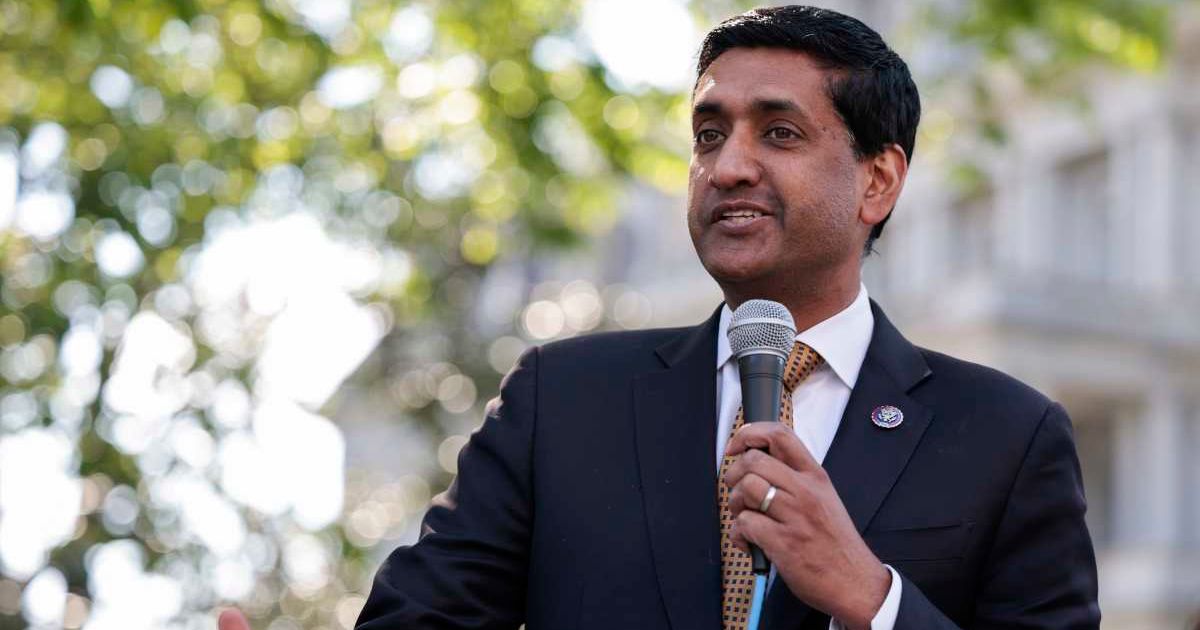
WASHINGTON, DC: Representative Ro Khanna (D-Calif) declared on Friday, February 27, that a new legal precedent has been established, mandating that President Donald Trump testify before Congress regarding the Jeffrey Epstein files.
Khanna argued that the era of the "Trump rule," in which the president previously defied a congressional subpoena from the January 6th committee, had come to an end.
According to Khanna, the political landscape had shifted to what he termed the "Clinton rule."
This new standard dictates that former presidents and their families must comply and testify when Congress issues a formal subpoena. Khanna insisted that this development compels Donald Trump to appear before the committee to clarify his knowledge of Epstein's activities.
End of the Trump subpoena rule
🚨 BREAKING: Ro Khanna says a new precedent has just been set and it means Donald Trump must testify before Congress on the Epstein files.
— Brian Allen (@allenanalysis) February 27, 2026
“We had the Trump rule — presidents don’t have to comply with subpoenas. Now we have the Clinton rule — presidents and their families… pic.twitter.com/2N7JUuH5cQ
Khanna noted that previously, the president had maintained that holders of the office did not have to testify before congressional bodies.
This "Trump rule" was famously utilized to ignore inquiries during the investigation into the January 6th Capitol attack. However, the representative believes that the current situation regarding the Epstein files has rendered that defense obsolete.
The shift toward the "Clinton rule" signifies a requirement for transparency that extends beyond the president to include his family members.
Khanna emphasized that if former President Clinton can answer questions before Congress, then others in similar positions of power must be held to the same standard.
Questions remain over Epstein files
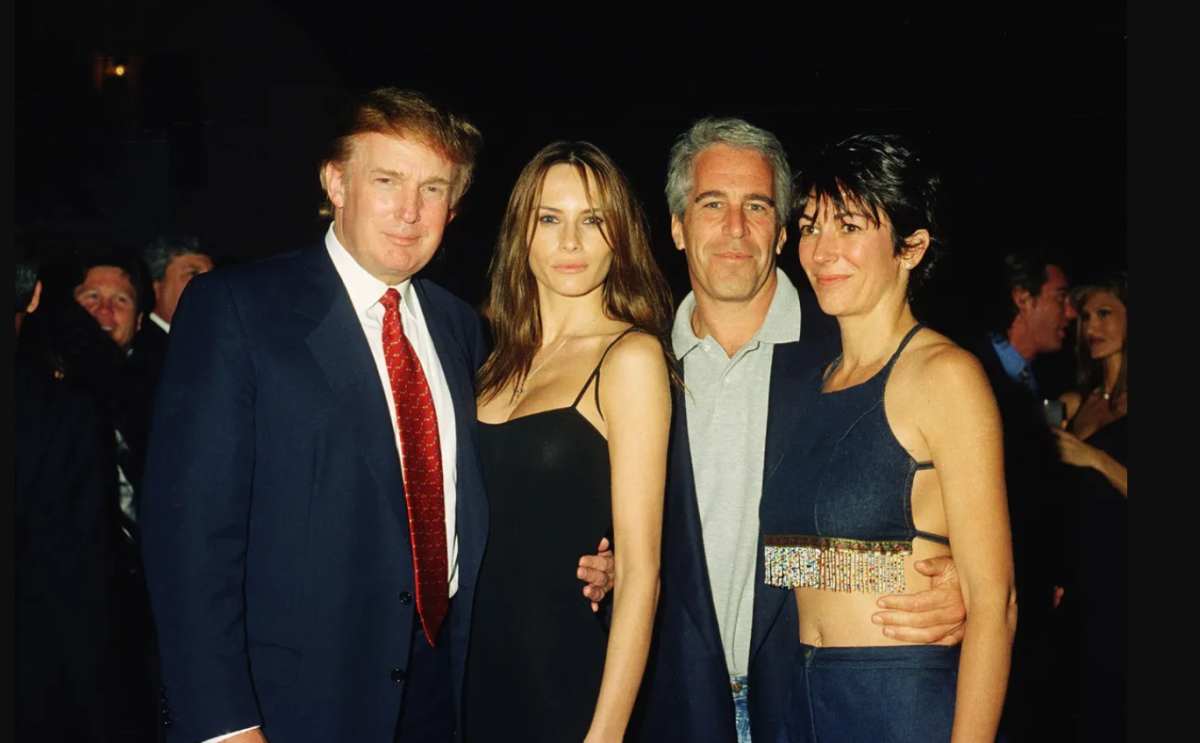
A primary motivation for the subpoena is the lack of a full release of documents related to the Epstein investigation.
Khanna stated that Trump needs to explain why his administration has not permitted a complete public disclosure of these files. The committee seeks a detailed account of what the president knew and when he knew it.
The demand for testimony is not limited solely to the president. Khanna indicated that several other individuals belonging to the "Epstein class" are also being called upon to come before the committee to answer questions regarding their associations and the broader details of the case.
Accountability for the Epstein class
Khanna’s remarks suggest a widening scope for the congressional investigation, targeting a specific group of influential figures.
He maintained that the precedent set by Clinton’s willingness to answer questions must be applied broadly to ensure "accountability and justice" for everyone involved in Epstein's world.
Khanna concluded that the American people deserve a full accounting of the facts, starting with the president's own testimony.