King Charles III says early cancer diagnosis lets him reduce 2026 treatment
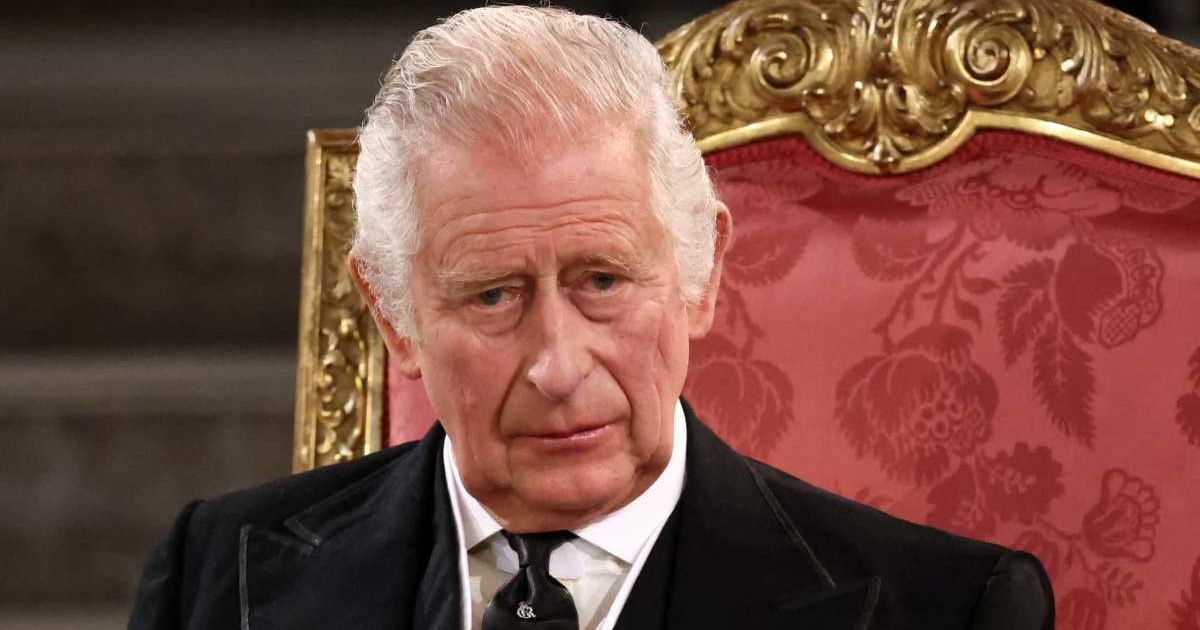
LONDON, UNITED KINGDOM: King Charles III shared a hopeful health update on Friday, revealing that his cancer treatment will be reduced in the new year thanks to early diagnosis and timely medical care.
The 77-year-old monarch delivered the message in a pre-recorded broadcast aired on British television, using his personal experience to encourage people across the UK to take advantage of routine cancer screenings.
The remarks marked one of Charles’ most reflective and personal statements since Buckingham Palace first disclosed his diagnosis last year.
King Charles III credits early diagnosis for continued active life
In the message, Charles emphasized the importance of catching cancer early—not just in theory, but through lived experience.
“Early diagnosis quite simply saves lives,” the king said.

He added, “I know, too, what a difference it has made in my own case, enabling me to continue leading a full and active life even while undergoing treatment.”
The monarch revealed that because the cancer was detected early and treated promptly, doctors are now confident enough to scale back his treatment regimen as 2026 approaches.
Rare personal disclosure from the British monarch
Charles’ address offered a rare glimpse into the past 22 months of his life, during which he has balanced cancer treatment with the responsibilities of the crown.
While Buckingham Palace has not disclosed the specific type of cancer, royal officials previously said it was discovered during treatment for an enlarged prostate, when doctors identified “a separate issue of concern.”

Sources emphasized that it should not be assumed the king is being treated for bowel cancer, despite his comments highlighting bowel cancer survival rates.
The decision to speak openly about his diagnosis marked a departure from royal tradition, which has long treated health matters as private. Buckingham Palace said Charles chose transparency “to prevent speculation and in the hope it may assist public understanding for all those around the world who are affected by cancer.”
King highlights missed screening opportunities across the UK
During the broadcast, Charles expressed concern that at least nine million people in the UK are not up to date with available cancer screenings.
“That is at least nine million opportunities for early diagnosis being missed,” he said, calling the statistic deeply troubling.
To illustrate the stakes, the king pointed to bowel cancer outcomes, noting that around nine in ten people survive at least five years when the disease is caught at its earliest stage, compared to just one in ten when diagnosed late.
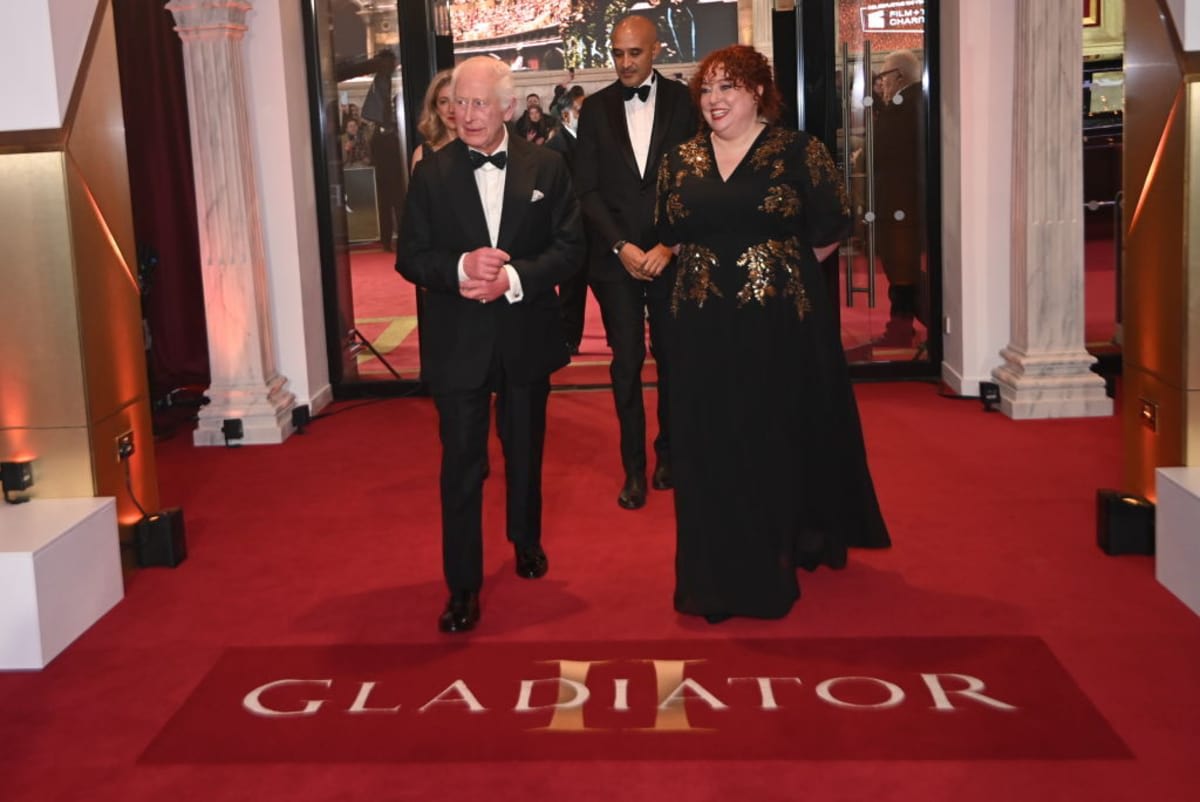
Measurable impact on public awareness
Since Charles’ diagnosis was made public, his openness has had a tangible effect. Cancer Research UK reported a 33% surge in visits to its website in the weeks following the announcement, as people sought information on symptoms and early warning signs.
The king’s willingness to share his experience has been widely credited with encouraging conversations about cancer that many people often avoid.
Balancing treatment with duty
After his diagnosis, Charles suspended public-facing engagements for roughly two months to focus on recovery, though he continued to carry out state business behind the scenes and maintained his constitutional role as head of state.
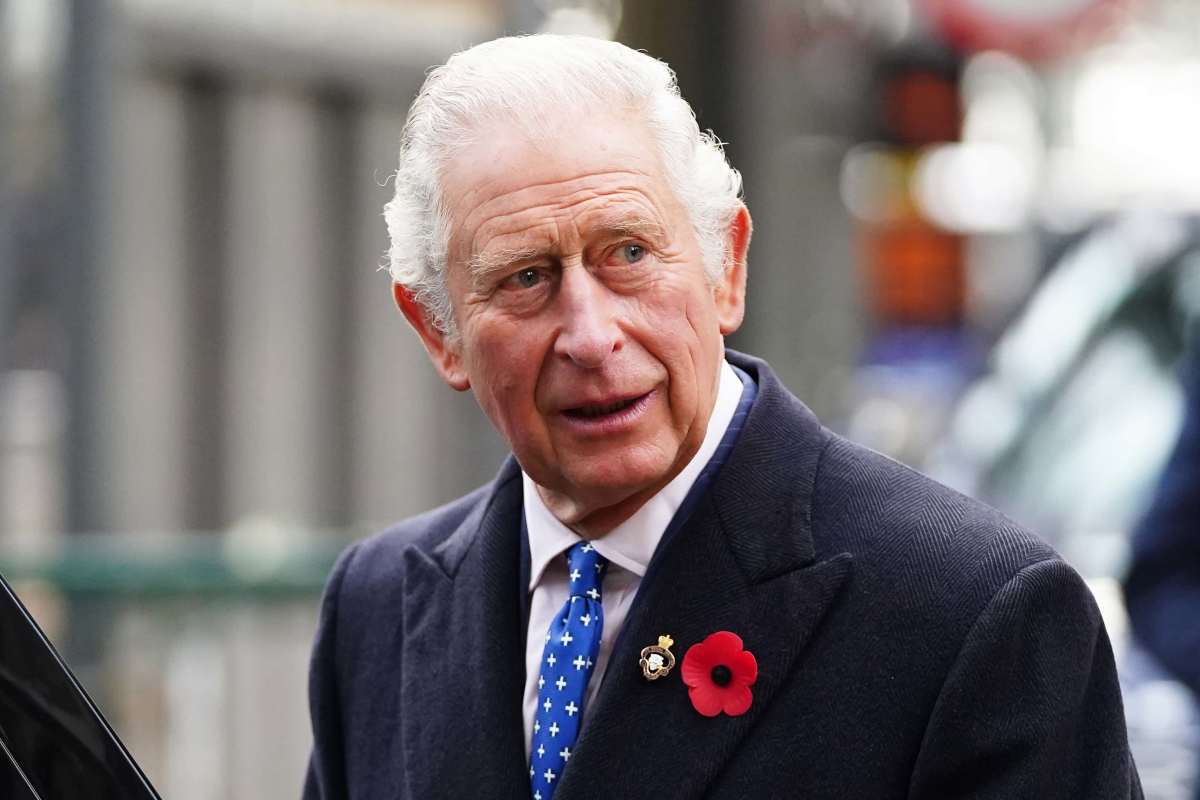
He returned to public duties in April last year, beginning with a visit to a cancer treatment center at University College Hospital in central London. During that visit, he spoke candidly with patients undergoing chemotherapy.
“It’s always a bit of a shock, isn’t it, when they tell you,” Charles said sympathetically to one patient as treatment dripped into her arm.