Macy’s parade delay leaves bands facing massive bills with no financial help from organizers
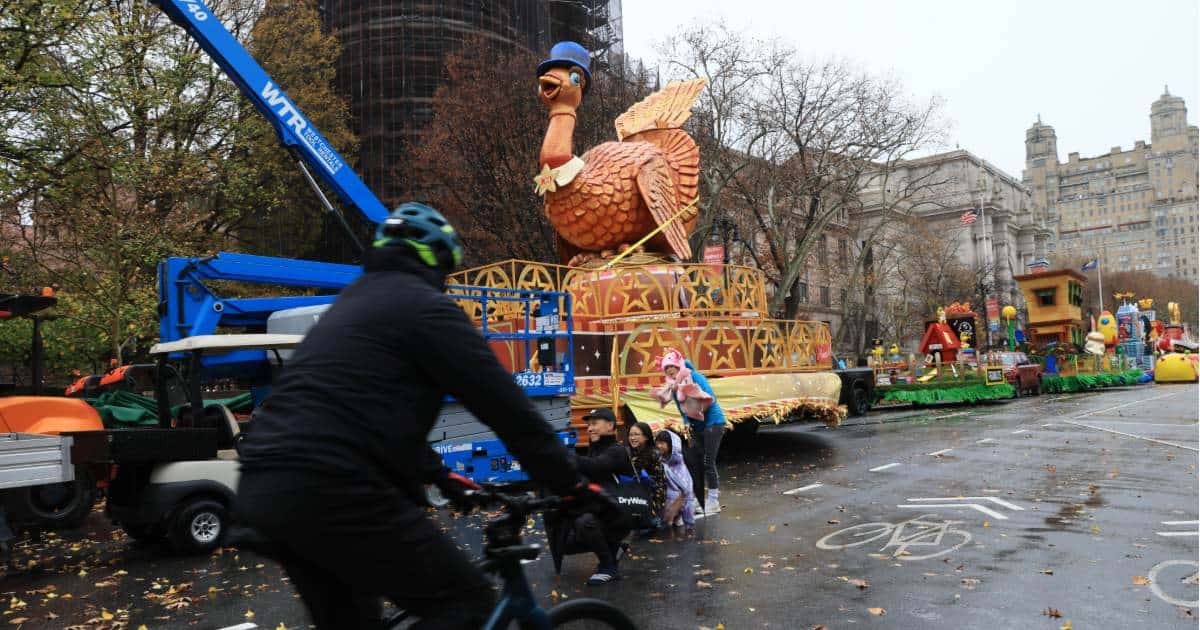
NEW YORK CITY, NEW YORK: School marching bands had spent months preparing for a chance to perform in front of millions during the Macy’s Thanksgiving Day Parade on Thursday, November 26.
For many students, the trip to New York was meant to be the reward for months of practice, fundraising and dedication.
Instead, a last-minute change to the event schedule has forced several groups to rethink their travel plans and find thousands of dollars to cover expenses they never expected.
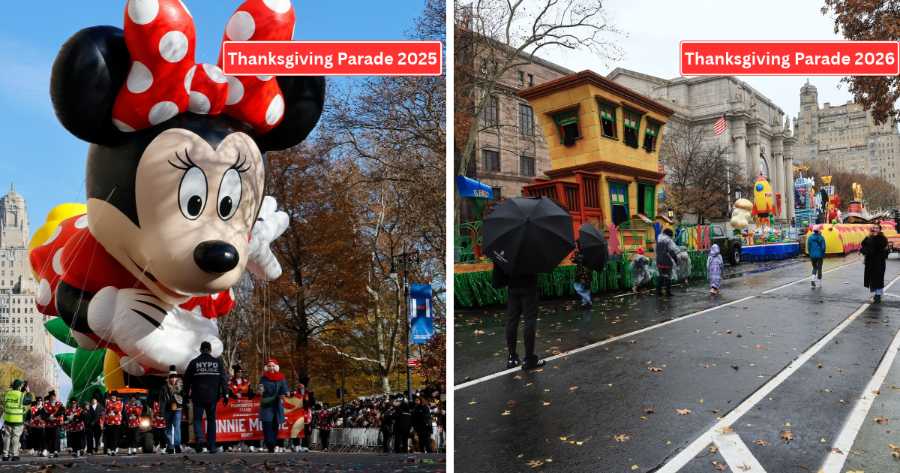
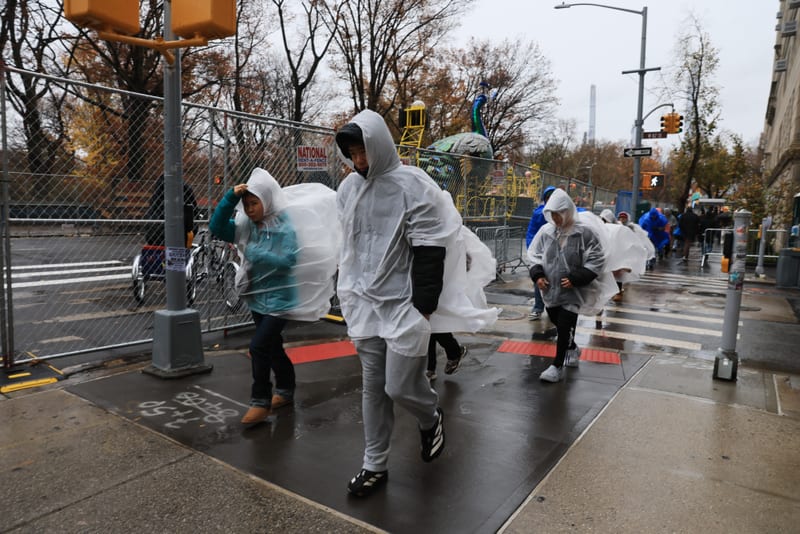
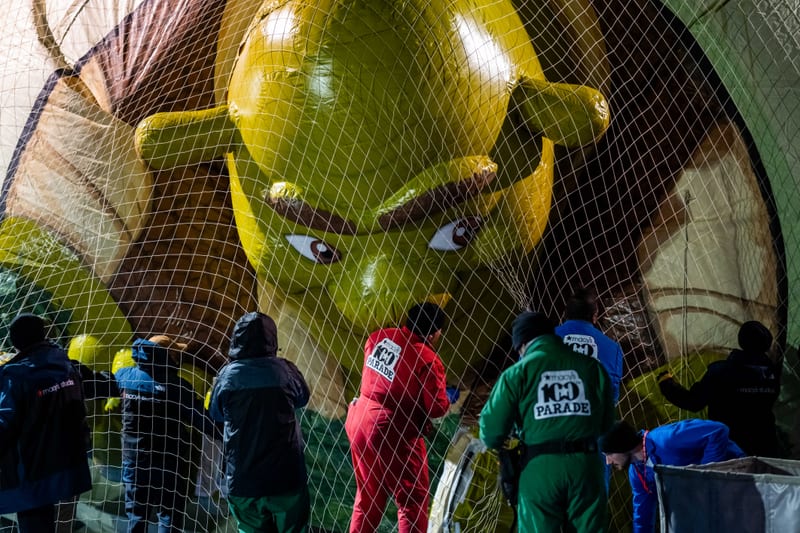
The parade was pushed back to Saturday after weather forecasts raised concerns about dangerous conditions.
While the decision was made with public safety in mind, its financial consequences have landed heavily on the visiting bands, their schools and the families supporting them.
Bands scramble to cover costs
The parade’s move from Thursday to Saturday has meant additional hotel stays, food expenses and transport arrangements for groups that had already traveled to New York.
The extra costs have fallen on the participating schools and their supporters and for some bands, the disruption threatened to end the trip altogether.
Others launched urgent fundraising campaigns, appealing to parents, former students, local businesses and strangers who wanted the young performers to get their moment on the parade route.
The Pride of Pearland High School Band and Color Guard in Texas was among the groups that managed to secure enough money to remain in the city.
The delegation, which includes more than 500 students and supporters, raised over $350,000 in less than a day to pay for the extended arrangements.
The group was reportedly preparing for the appearance since September 2025.
Once the postponement was announced, his attention shifted immediately to finding a way to prevent students from missing an opportunity they had spent months working towards.
The biggest difficulty was arranging accommodation and transportation for such a large contingent at short notice.
Thousands of donors and businesses have reportedly come forward to help the group stay.
The financial pressure was even greater for the Na Koa Aliʻi Hawaiʻi All-State Marching Band.
Its organizers estimated that the change would add more than $700,000 to the trip's expenses.
By Thursday evening, the group had collected over $500,000, and its leadership confirmed that the band would remain in New York for Saturday’s performance.
The James F. Byrnes High School Marching Band from South Carolina also raised $275,000 to manage the unexpected extension.
Meanwhile, Tennessee's Dobyns-Bennett High School Band reached its fundraising target of approximately $200,000 to cover additional accommodation and transportation costs.
But the struggle has been different for each group.
The University of Alabama’s Million Dollar Band decided to head back to Tuscaloosa after the parade was shifted, as the new date clashed with the university’s Iron Bowl football commitments.
The university said it had discussed the situation with the parade team before deciding to return, while expressing support for the safety-driven postponement.
Will Coss, Macy’s executive producer, said the organizers were coordinating with the affected delegations to address the complications caused by the schedule change.
But he offered no assurance that the company would absorb the added travel and accommodation costs, saying decisions on expenses such as extra hotel nights and flights had yet to be finalized.
Parade postponement disrupts plans
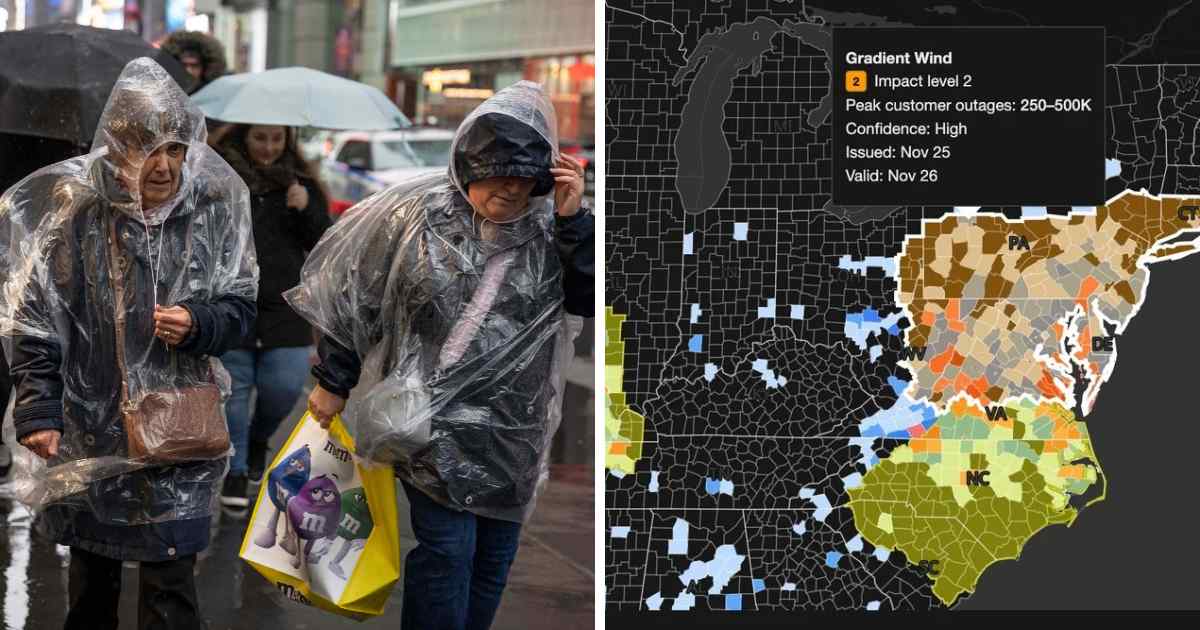
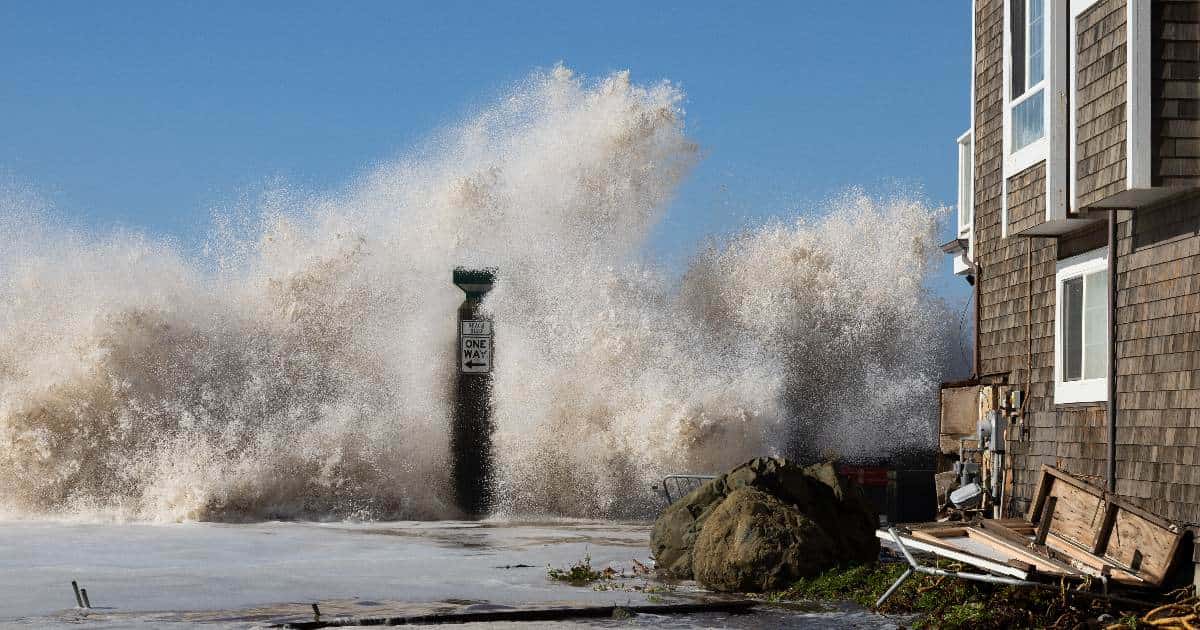
The decision to postpone the parade came after forecasts warned of powerful winds, heavy rain and coastal flooding across parts of the New York region.
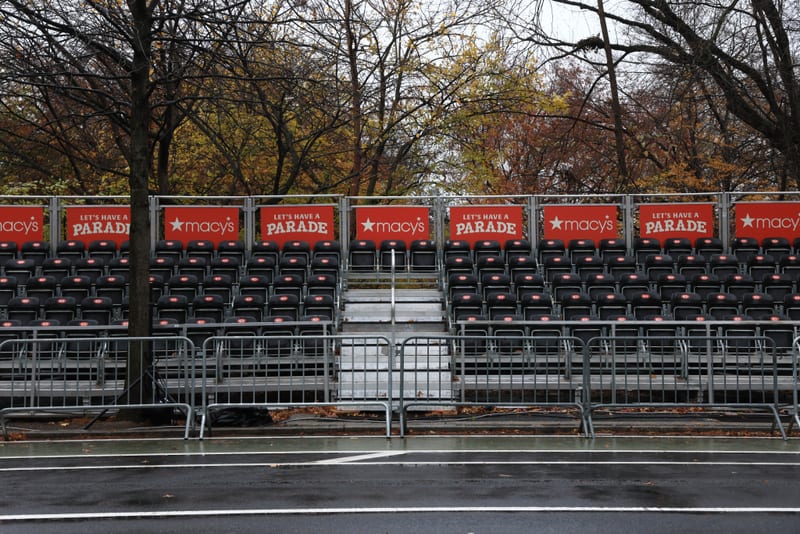
Macy’s, working with city officials and public safety agencies, moved the centenary parade to Saturday to protect performers and spectators.
The event is now scheduled to begin at 8:30 a.m. ET.
The move is particularly significant given the parade's long history, as it has never previously been postponed to another day.
While the annual spectacle has faced cancellations in the past, including during World War II, this is the first time organizers have pushed the event back rather than call it off altogether.