Macy's Thanksgiving parade delay could burn nearly $2M as Iran war sends helium prices soaring
NEW YORK CITY, NEW YORK: Macy’s has been forced to rearrange one of America’s biggest Thanksgiving traditions after dangerous weather threatened New York City, but the decision to move its centenary parade could bring an expensive complication.
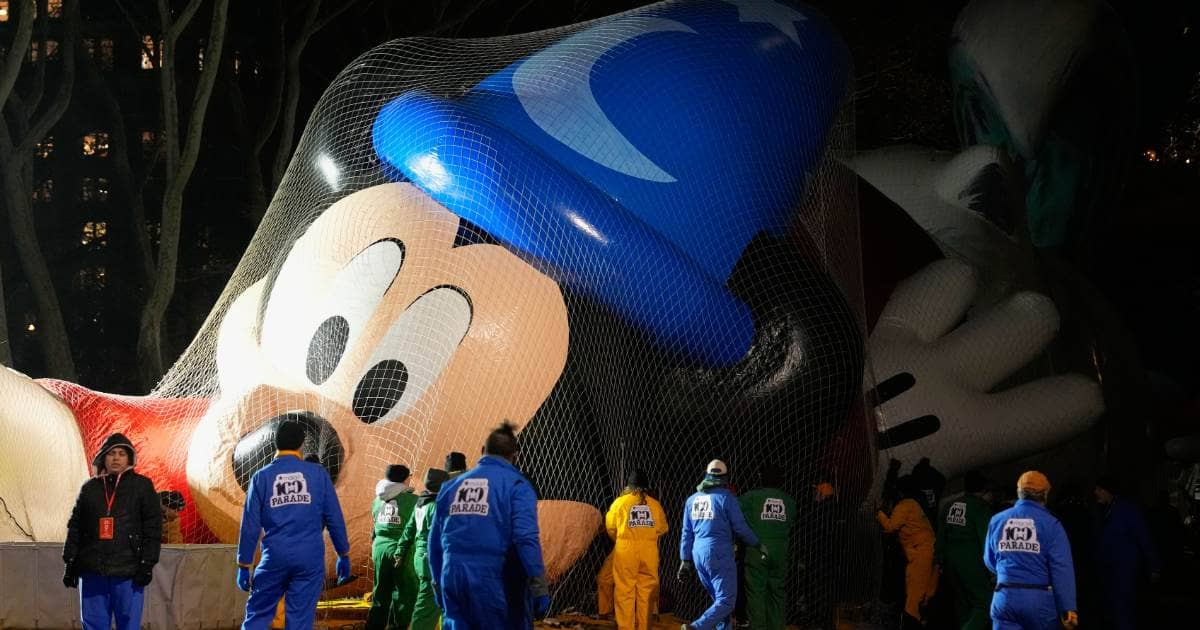
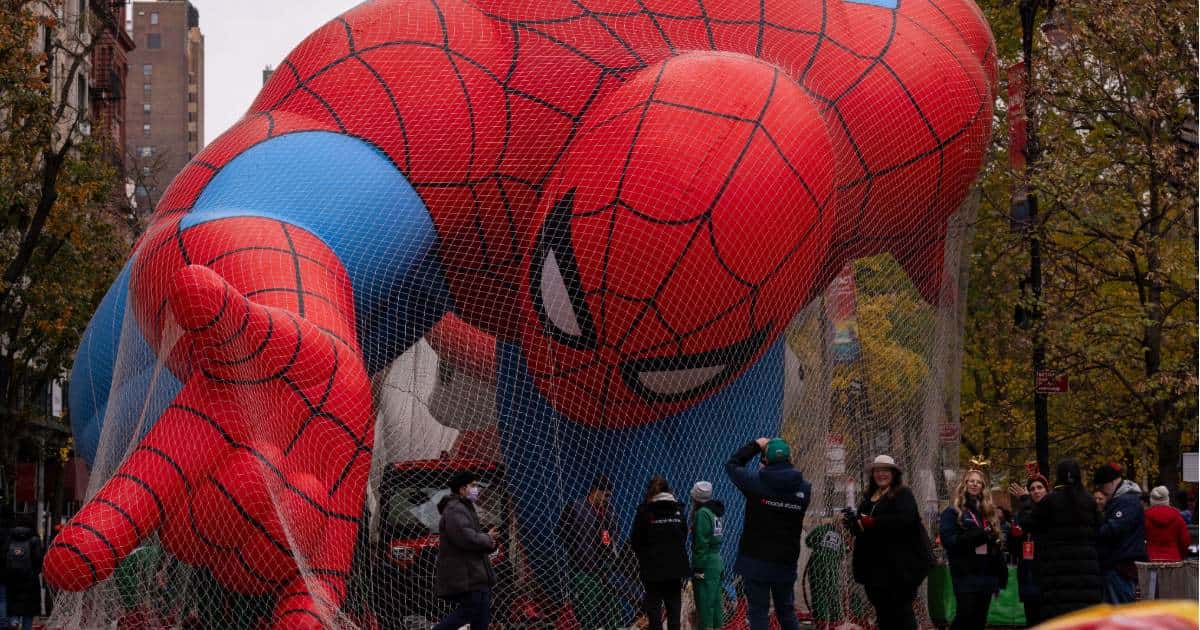
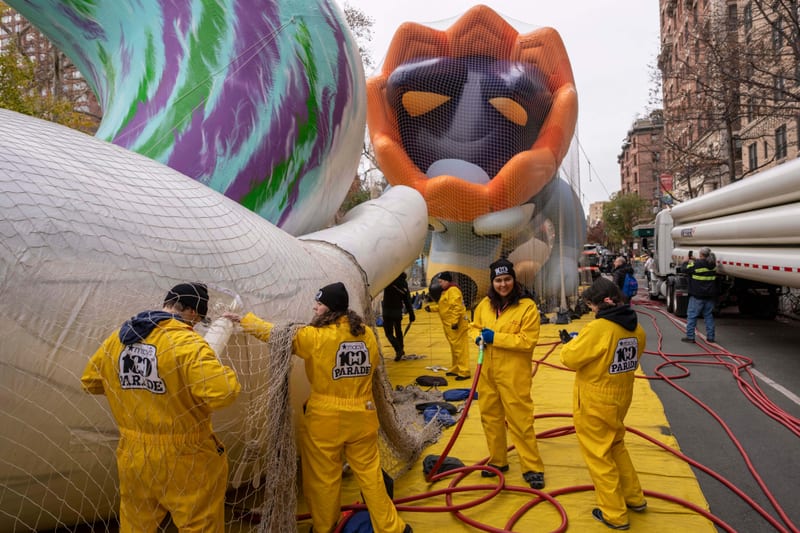
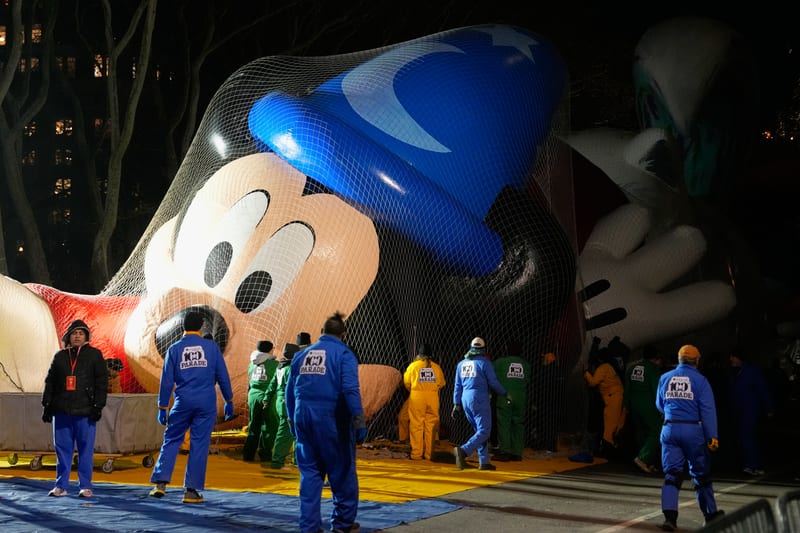
The giant character balloons that define the annual spectacle had already been inflated when organizers postponed Thursday’s procession.
Now, with the event shifted to Saturday, November 28, the gas needed to bring them back to life comes with a much higher price tag.
Helium bill hits parade budget
Macy’s could be staring at an unexpected bill of nearly $1.7 million after its Thanksgiving Day Parade was pushed back, forcing the company to deal with the expense of inflating its famous character balloons all over again.
The financial hit comes at a time when helium, an essential part of the spectacle, has become significantly more expensive because of supply disruptions linked to the Iran war.
The enormous balloons had been filled with helium along Manhattan’s Upper West Side ahead of their scheduled appearance on Thanksgiving morning.
But with the procession postponed and shifted to Saturday, Macy’s had to let the gas out.
The familiar parade characters will now need to be brought back to life before they can take to the skies again.
The price of making that happen has changed considerably in recent years.
A 2019 estimate placed the cost of helium for one balloon-filling operation at no less than $510,000.
Even without accounting for the subsequent supply crisis, inflation would have pushed that expense to approximately $669,000 in today's money.
Once the initial operation and the Saturday preparations are taken together, the projected outlay comes close to $1.7 million.
The figure remains an estimate, as the eventual cost will depend on the amount of helium used and the arrangements Macy’s has in place with its suppliers.
Iran war squeezes global helium supply
Qatar’s damaged gas infrastructure has become a major factor behind the helium price surge.
The country supplies about 35% of the world's helium, with a significant share coming from its Ras Laffan Industrial Complex, where the gas is separated during natural gas processing.
The supply crunch intensified after Iranian strikes hit Qatar’s energy facilities in March, forcing QatarEnergy to suspend LNG production.
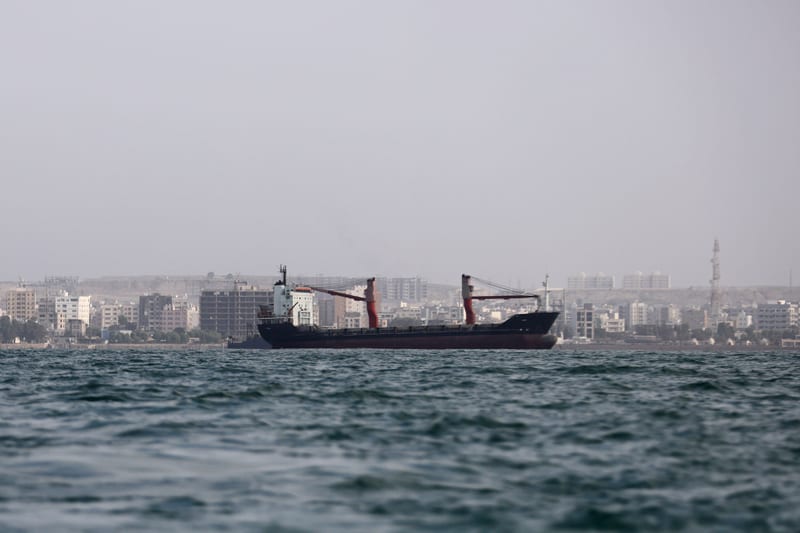
Export disruptions and security concerns around the Strait of Hormuz have added further pressure on international supplies.
The impact extends well beyond the energy sector.
Manufacturers depend on helium for everything from semiconductor production and fiber-optic cables to medical imaging equipment.
The International Energy Agency reported that prices climbed from roughly $15 per cubic meter in late February to almost $70 in April.
Macy’s reportedly gets its helium from a Kansas refinery, not Qatar.
However, reduced global availability has pushed up market prices, leaving even buyers outside the affected region facing higher bills.