
Elon Musk's SpaceX gets FCC approval for 1M data center satellites despite Amazon's opposition
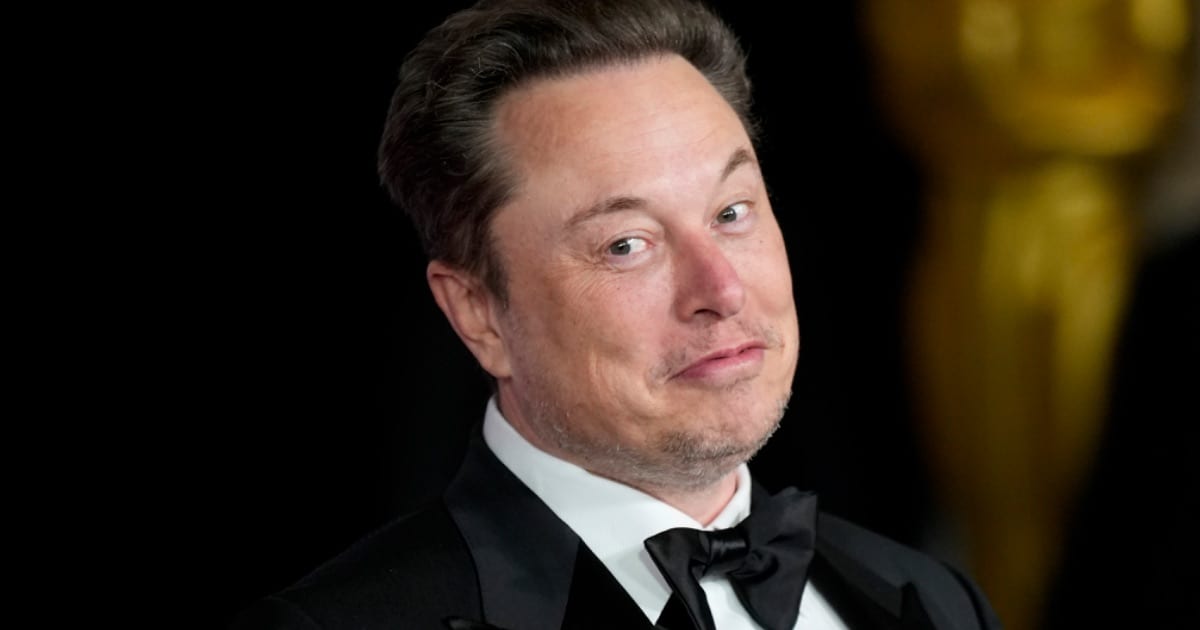
WASHINGTON, DC: Elon Musk's ambitious plan to take artificial intelligence computing into space has received a major boost after the Federal Communications Commission approved SpaceX's proposal to deploy up to 1 million satellites in orbit. FCC Chairman Brendan Carr announced the decision on Wednesday, November 25, describing the project as part of America's efforts to maintain its lead in artificial intelligence.
However, the approval has not come without opposition. Amazon and other organizations had raised objections to the proposal, while an astrophysicist warned that the massive satellite network could pollute the night sky and increase the risk of space collisions.
🚨 BREAKING: Elon Musk's SpaceX just got FCC approval for 1 MILLION satellites to build DATA CENTERS IN SPACE, a first in U.S. history Major win! ELON: "Much appreciated. This will be a great asset to America and the world." FCC CHAIRMAN BRENDAN CARR: "America is leading the world into the era of super intelligence. Under President Trump's leadership, the United States is moving decisively to ensure that this breakthrough technology creates opportunity, drives investment, and delivers lasting benefits for the American people." The solar-powered "Starmind" constellation will process massive amounts of AI data in orbit and beam it back down to Earth America is WINNING the SI race and we aren't stopping! 🇺🇸
— Eric Daugherty (@EricLDaugh) November 25, 2026
Elon Musk's SpaceX gets approval for 1 million AI satellites
The FCC has authorized SpaceX to deploy 1 million artificial intelligence computing satellites as part of its proposed Starmind constellation.
Announcing the decision on X, Carr said the company's constellation and those of its competitors would use solar power to help "extend America's lead" in AI.
@BrendanCarrFCC Much appreciated. This will be a great asset to America and the world.
— Elon Musk (@elonmusk) November 25, 2026
Musk responded to the announcement, thanking the FCC chairman and describing the approval as an important development.
"Much appreciated. This will be a great asset to America and the world," he wrote.
The decision comes as major technology companies explore the possibility of moving AI computing infrastructure into space.
Amazon called Elon Musk's satellite project a 'lofty ambition'
SpaceX's proposal had faced objections from several parties, including Amazon's Kuiper Systems, Viasat and the American Astronomical Society.
Amazon, which is developing its own satellite internet service to compete with SpaceX's Starlink, had urged the FCC to reject the application in a March filing.
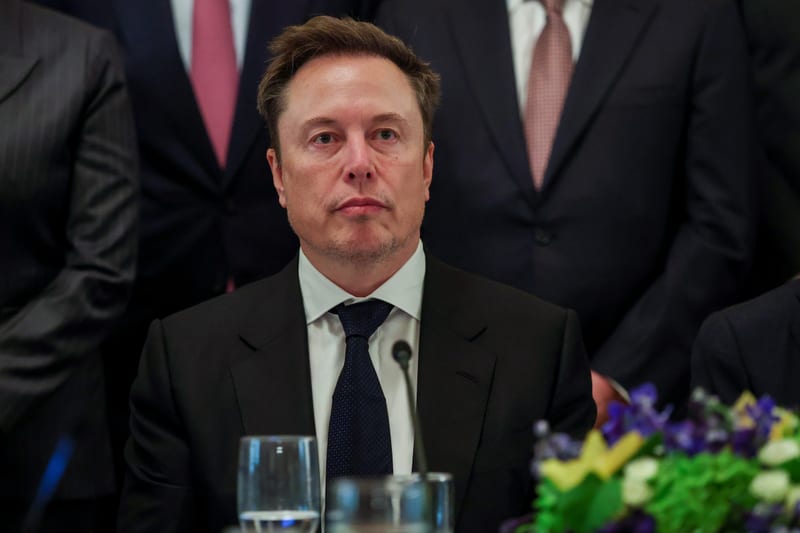
The company described Musk's Starmind project as a "lofty ambition rather than a real plan." It also argued that deploying the proposed constellation could take SpaceX "centuries," questioning whether the company had provided enough details to explain how it would achieve its target.
The objections also prompted a response from Carr, who criticized Amazon and said the company should focus on its own satellite deployment targets instead.
Jeff Bezos and Google also have plans for AI in space
Elon Musk is not the only billionaire looking at the possibility of building computing infrastructure beyond Earth.
Google announced Project Suncatcher last year, describing it as a "moonshot to put AI in space." The company launched its first chips into space in October aboard a SpaceX rocket and a Planet Labs satellite.
Meanwhile, Jeff Bezos' Blue Origin has also approached the FCC with plans for a large satellite network.
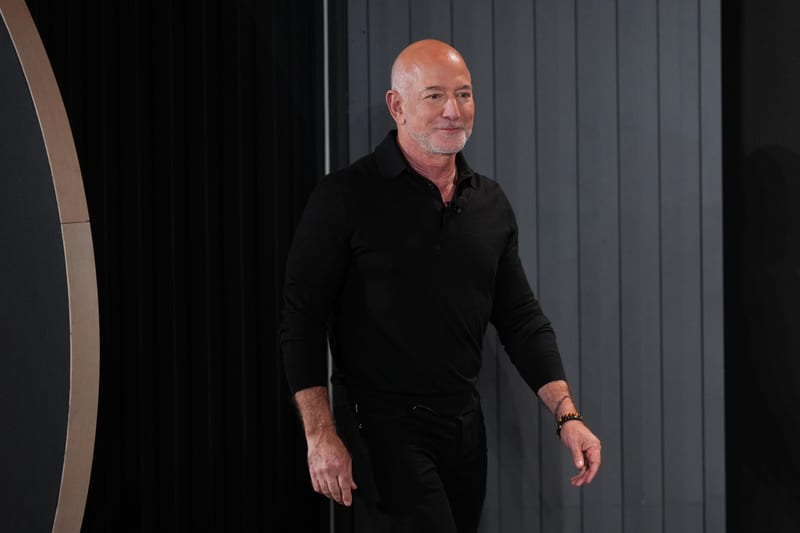
In March, the company requested permission to launch up to 51,600 satellites under a low Earth orbit project called Project Sunrise. The proposed constellation would work alongside Blue Origin's TeraWave satellite internet service, which was announced in January.
Astrophysicist warns Elon Musk's plan could create space junk risks
Despite the FCC approval, the proposal has raised concerns about its possible impact on the environment and astronomy.
Astrophysicist and author Adam Becker criticized the decision, warning that deploying such a large number of satellites could have serious consequences.
"Any serious attempt at this is going to further pollute the night sky and runs a serious risk of a cascading chain reaction of space junk collisions, which would be a disaster for all of humanity," Becker wrote in an email to CNBC.
He also sharply criticized Musk and Carr over the project.
The FCC, however, said in its authorization that it had dismissed comments and concerns involving issues outside its authority, including environmental concerns and the potential impact on optical astronomy.
SpaceX did not respond to a request for comment.