Marco Rubio dismisses Venezuela VP Delcy Rodríguez's authority, calls for democratic transition
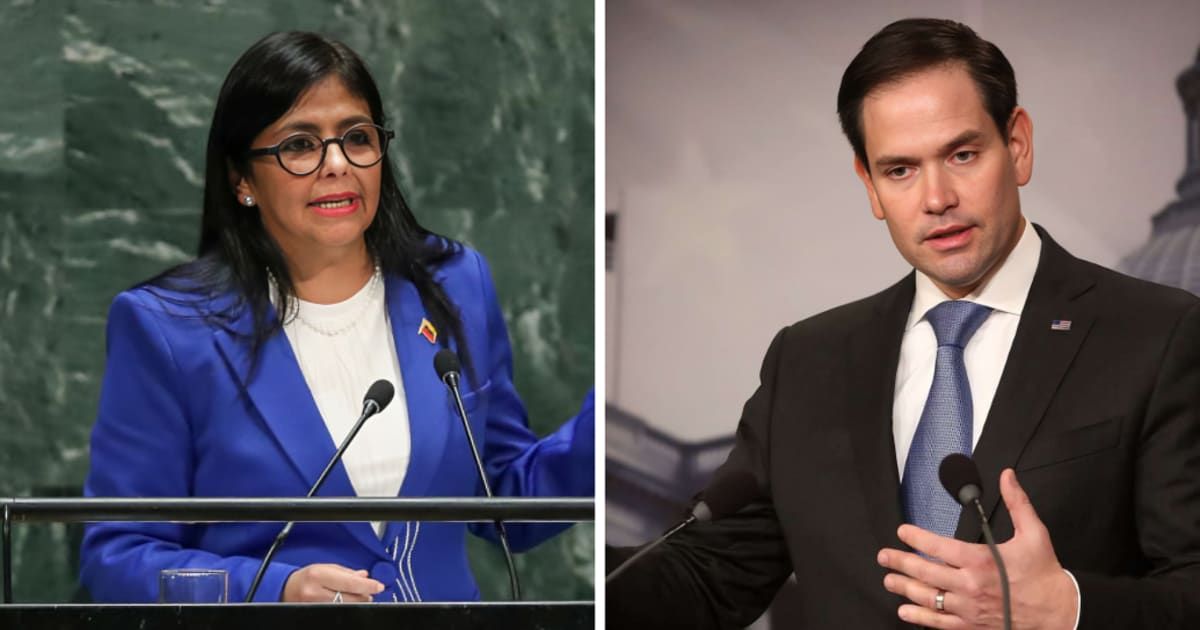
WASHINGTON, DC: Secretary of State Marco Rubio flatly rejected the legitimacy of Venezuela’s acting president, Delcy Rodríguez, throwing immediate uncertainty over the interim leadership just hours after she was sworn in following Nicolás Maduro’s capture.
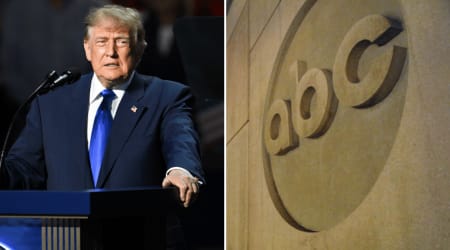
Appearing on ABC’s 'This Week' on Sunday, January 4, Rubio drew a sharp distinction between President Donald Trump's initial remarks and the administration’s formal position.
While Trump had suggested Rodríguez was the “proper interim leader” and indicated she was cooperating, Rubio made clear that Washington wasn't going to back her hold on power absent a genuine democratic process.
Marco Rubio rejects legitimacy of Delcy Rodríguez's position
Q: "So is it your position now that the Vice President, Delcy Rodríguez, is now the legitimate President of Venezuela?"
— Open Source Intel (@Osint613) January 4, 2026
Rubio: "This is not about the legitimate president. We don't believe that this regime in place is legitimate pic.twitter.com/94slZ0FHeS
Rubio dismissed the idea that Rodríguez’s ascension carried any democratic or constitutional legitimacy recognized by the United States or its allies.
“This is not about the legitimate president. We don’t believe that this regime in place is legitimate via an election,” Rubio said. “And that’s not just us. It’s 60-something countries around the world that have taken that view as well.”
He stressed that legitimacy can only emerge through a defined transition followed by “real elections,” effectively casting Rodríguez as a continuation of the same system Washington dismantled by arresting Maduro, whom US officials have long accused of leading a n***o-state.
Delcy Rodríguez is a deeply polarizing figure
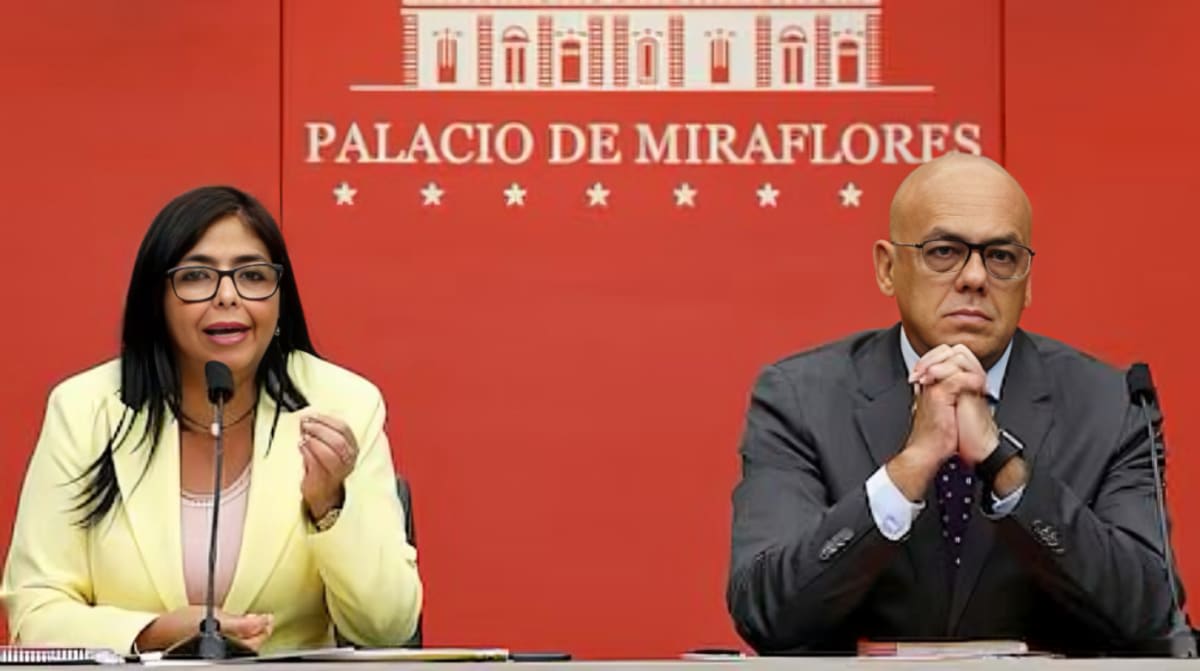
Rodríguez remains a deeply polarizing figure with longstanding ties to Venezuela’s radical left. A staunch socialist and close Maduro ally, she has operated for years alongside her brother Jorge Rodríguez, the powerful head of Venezuela’s congress.
Former insiders have allegedly described the siblings as calculating and relentless. Andrés Izarra, a former Maduro minister now living in exile, told The Wall Street Journal that the pair would likely “maneuver to stay in power as long as they can.”
Her family history further complicates relations with Washington. Rodríguez is the daughter of Jorge Antonio Rodríguez, the M*****t who orchestrated the 1976 kidnapping of American business executive William Niehous, held captive for more than three years.
Oil as the ultimate lever
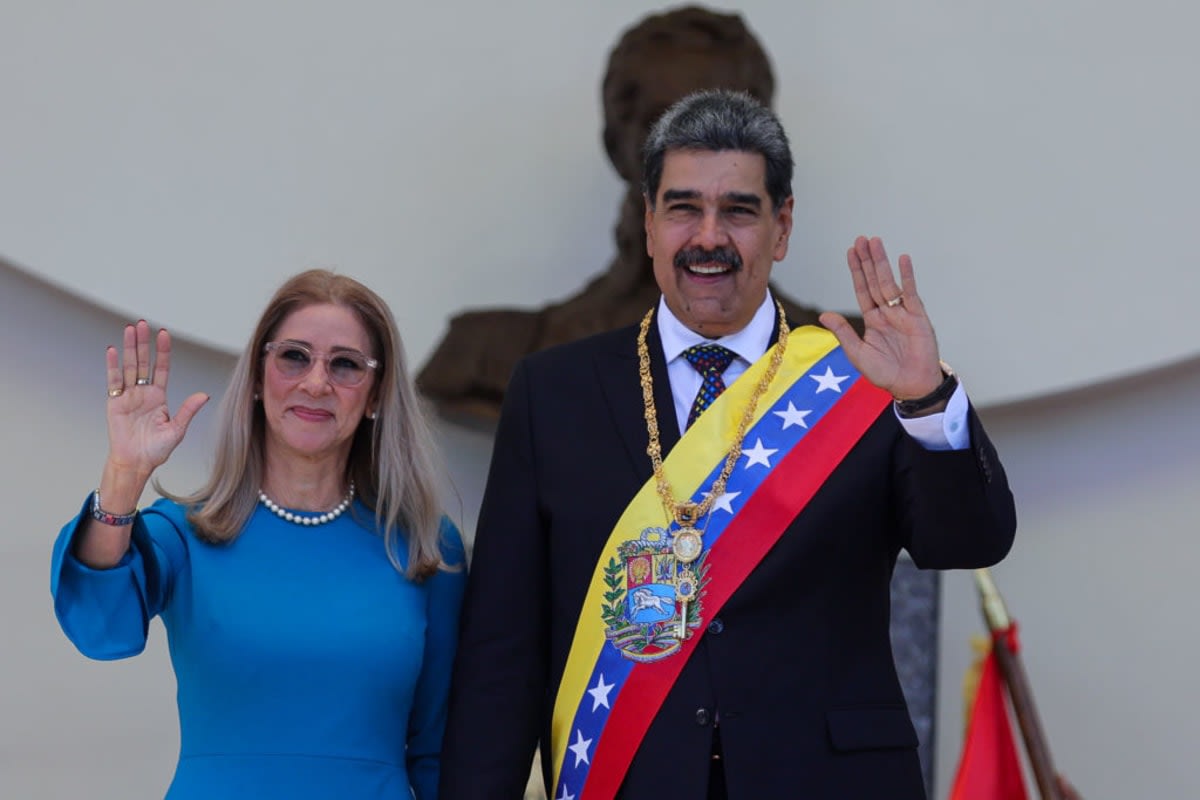
Rubio signaled that the administration intended to force political change through economic pressure rather than immediate military escalation.
Central to that strategy was a sweeping oil quarantine designed to choke off the regime’s primary source of revenue.
“I cannot overstate how crippling this is for their future,” Rubio said, emphasizing that the naval blockade will remain in place until meaningful democratic reforms are underway.
He argued that Venezuela’s oil wealth had long enriched elites rather than the population, and said the goal is to push toward an industry that “actually benefits the people.”
The leadership vacuum
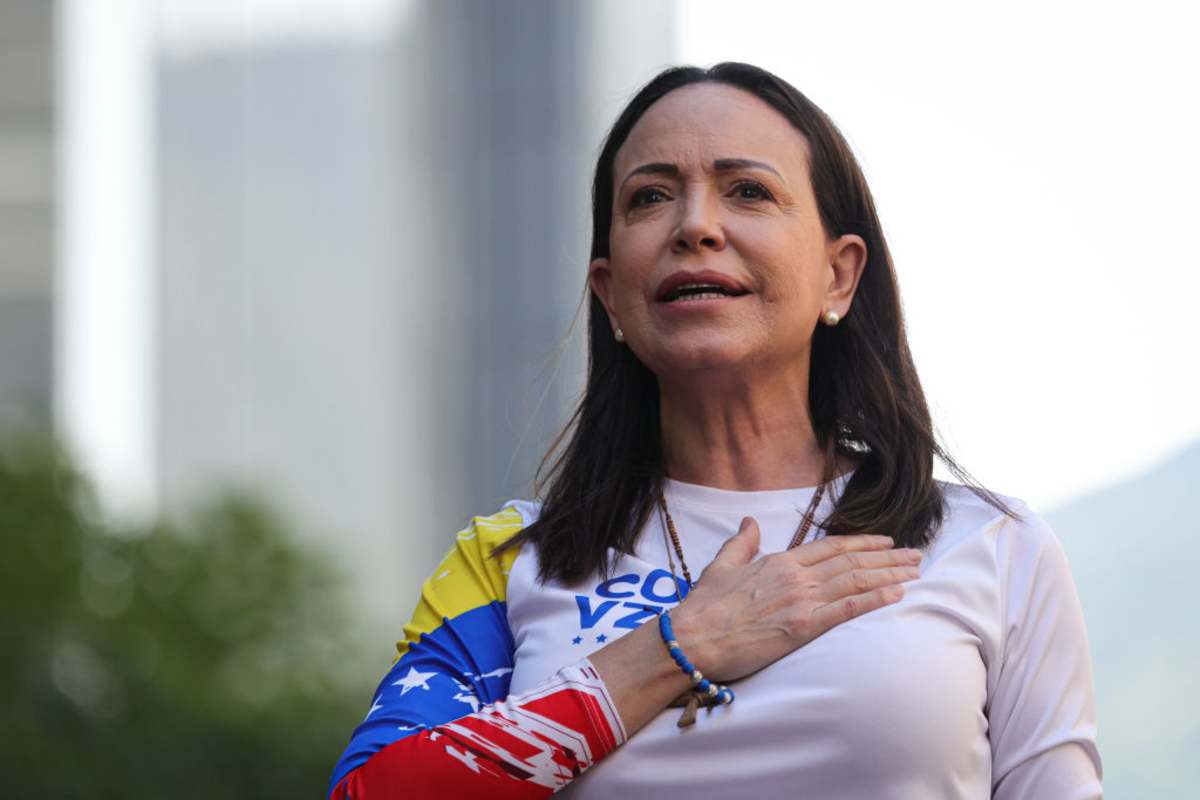
Despite Rubio’s hard line against Rodríguez, the question of who should lead Venezuela next remains unresolved.
Rodríguez has sworn loyalty to Maduro and condemned the US action as “imperialist,” while Washington has stopped short of endorsing an alternative.
Many international observers and Venezuelan expatriates back opposition figures like María Corina Machado or Edmundo González, who challenged Maduro in 2024. However, Trump has expressed skepticism about Machado, recently saying he believes she “isn’t strong enough” to govern the fractured nation.
Rubio declined to name a preferred successor, leaving open how - and by whom - Venezuela’s transition will ultimately be carried out.