Mark Warner says ‘I don’t understand’ as he raises doubts on Trump Hormuz plan
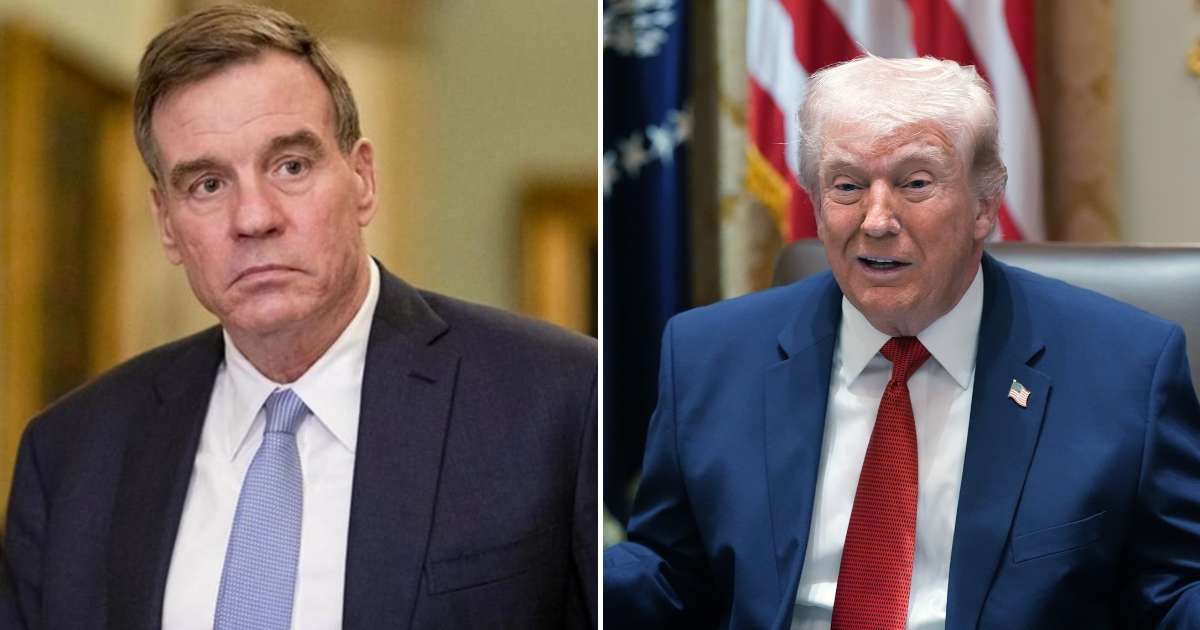
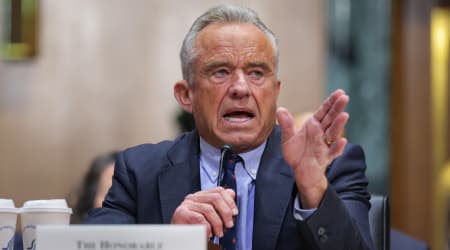
WASHINGTON, DC: Top Democrat on the Senate Intelligence Committee, Senator Mark Warner, on Sunday, April 12, expressed uncertainty over President Donald Trump’s plan to impose a blockade on the Strait of Hormuz.
Warner questioned both the feasibility and potential consequences of the move.
His remarks come amid ongoing tensions following more than 40 days of conflict involving the United States and Iran.
Trump, meanwhile, has continued to outline military options and defended his administration’s actions.
Warner questions Hormuz blockade feasibility
In an interview with CNN, Warner said he did not fully understand how the administration intends to execute or achieve its stated objectives through a blockade of the critical shipping route.
“I have no idea, other than the idea that he could interdict at both ends of the strait, how he’s going to get it reopened, how we’re going to get ships through,” Warner said.
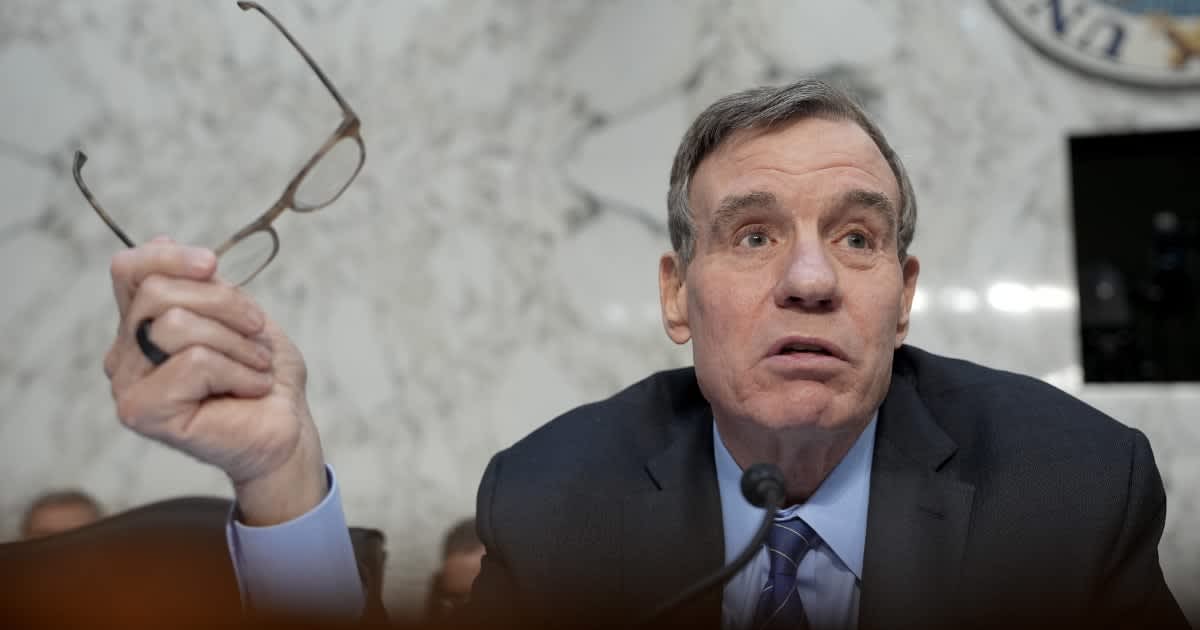
The senator added that he was “sure” Vice President JD Vance had made efforts during recent negotiations in Pakistan, expressing hope that diplomatic talks would continue.
However, Warner questioned the broader impact of the conflict, stating, “but I don’t see how, 40-plus days into this war, that we are safer, that our allies are safer.”
SEN. MARK WARNER: “I don't see how, 40-plus days into this war, that we are safer, that our allies are safer... I don't understand how blockading the Strait is going to somehow push the Iranians into opening it. I don't get the connection there." pic.twitter.com/lU8UiFBvod
— State of the Union (@CNNSOTU) April 12, 2026
Warner also referenced intelligence assessments, saying, “I know two things. One, having seen all the intelligence, there was no imminent threat from Iran against the United States.”
He further cited remarks by Secretary of State Marco Rubio, adding, “we knew the Israelis were going to strike Iran, so we felt we needed to go ahead and strike first, since Iran would attack us.”
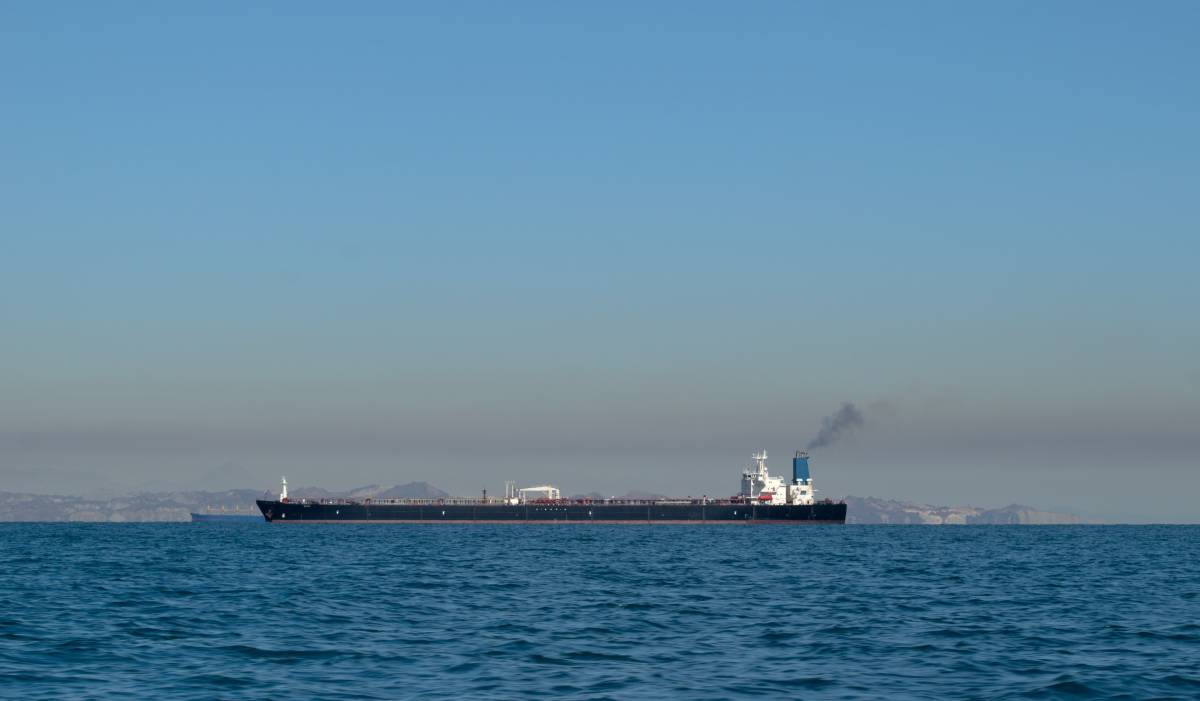
Addressing the Strait of Hormuz, Warner said Iran retains the capacity to disrupt shipping through tactics such as mining or deploying fast boats.
“How is that going to ever bring down gas prices?” he asked, linking the strategy to economic concerns.
He added that fuel costs have already risen sharply, noting that gas prices had increased significantly in recent weeks and warning that elevated prices could persist.
Trump outlines targets, defends strategy
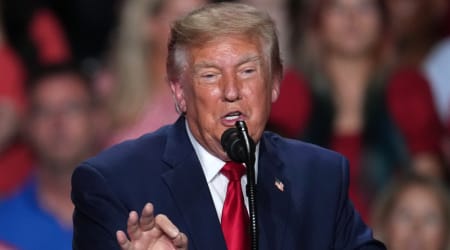
In a separate interview on Fox News, Trump discussed the current state of Iran’s infrastructure following weeks of conflict. He said, “We’ve wiped out their whole country, essentially,” while adding that some potential targets remain.
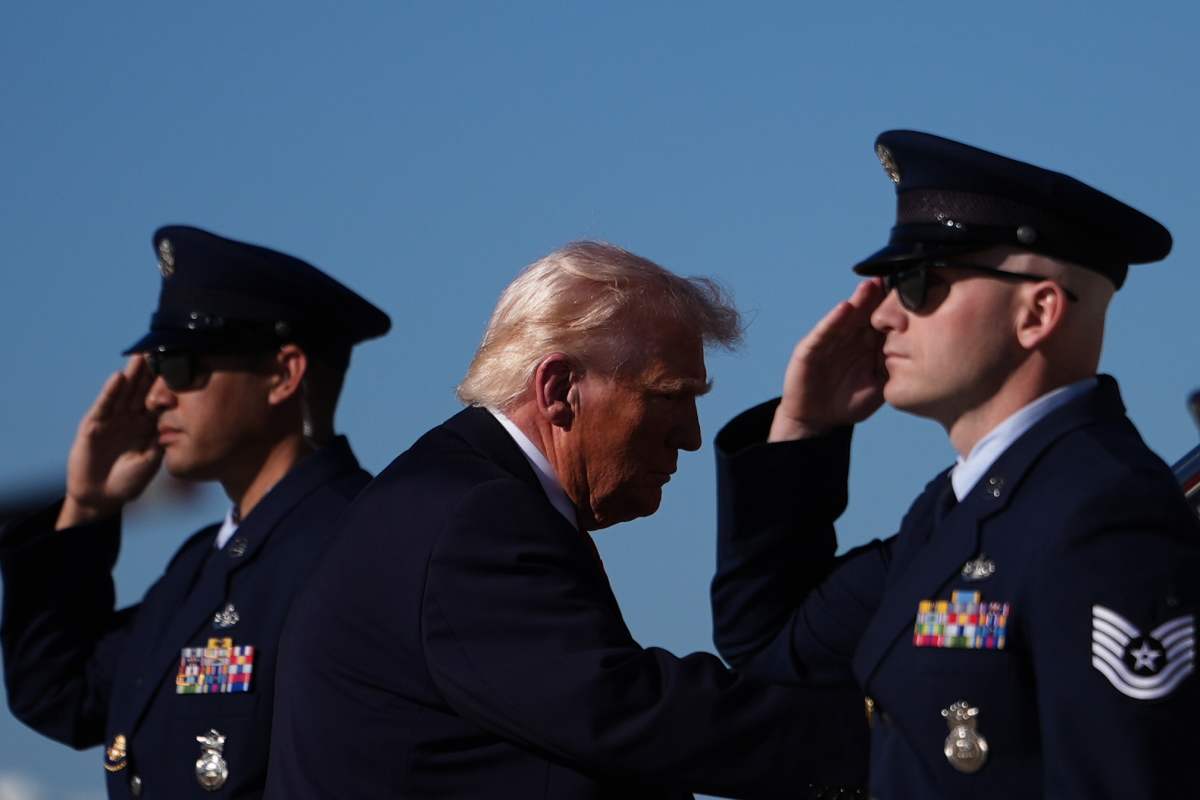
“The only to thing left really is their water, which would be very devastating to hit,” he said, referring to Iran’s water infrastructure, including desalination facilities. Trump also mentioned the country’s power grid and bridges as possible targets, along with “some more missile manufacturing plants,” adding, “We know every one of them.”
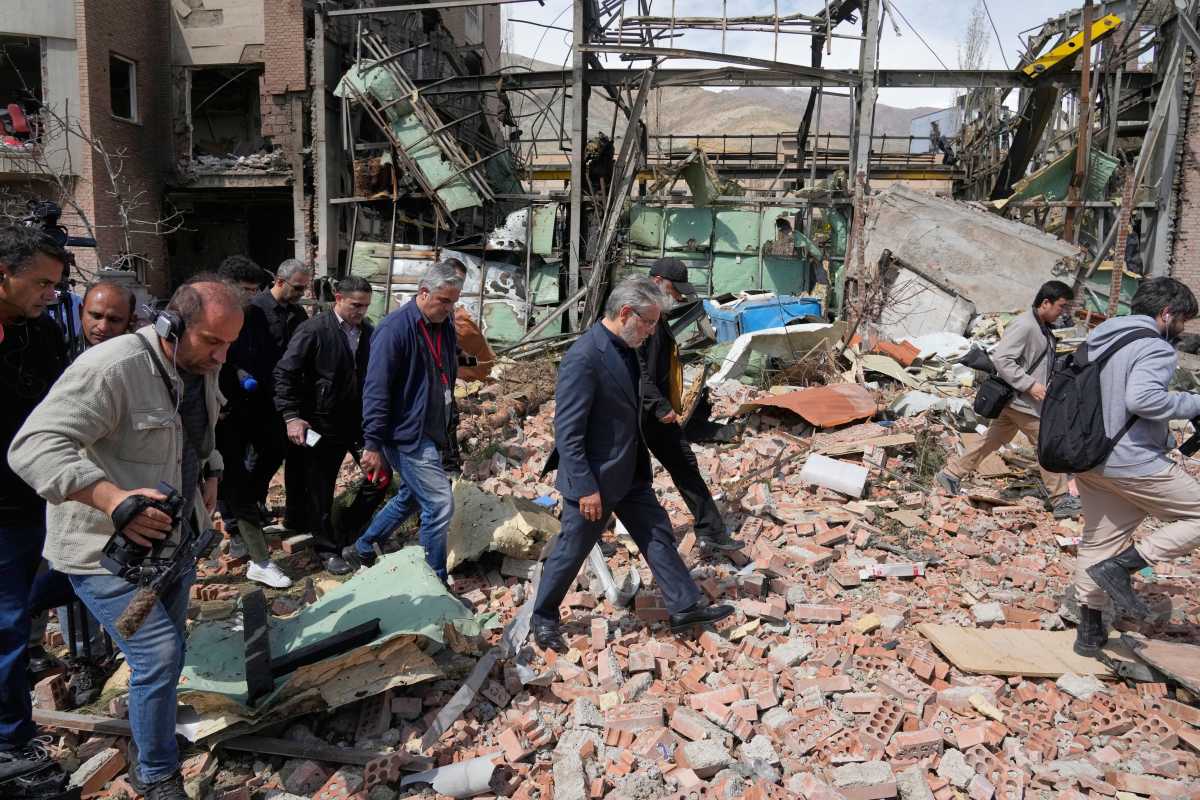
The president’s remarks suggest that, despite ongoing hostilities, additional military actions remain under consideration.
His comments come as the administration continues to frame its approach as part of a broader effort to address regional threats and secure key international waterways.