McEnany warns of ‘hard’ midterms as war and $100 oil threaten GOP control
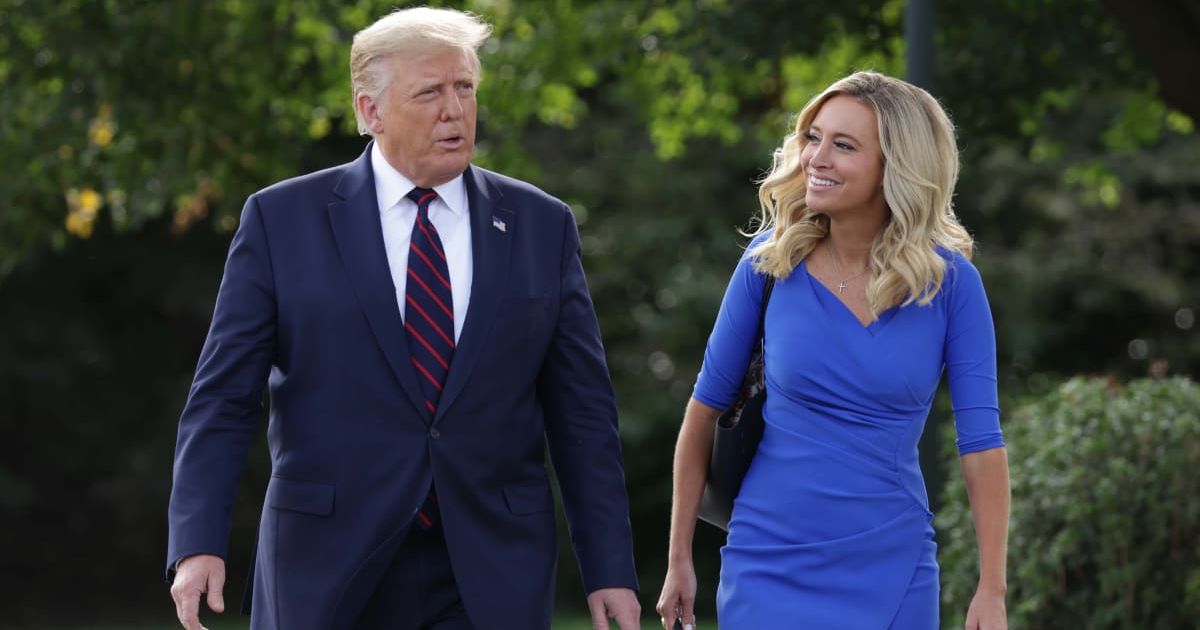
NEW YORK, NY: Former White House Press Secretary Kayleigh McEnany said Saturday, April 4, that Republicans face a difficult path in the upcoming midterm elections, pointing to historical trends and economic pressures linked to the ongoing conflict with Iran.
Speaking on Fox & Friends Weekend, McEnany said maintaining control of Congress “will be hard,” even as she noted that President Donald Trump remains actively engaged on policy.
Her remarks come as rising energy prices and inflation reshape the political landscape months ahead of the November vote.
While McEnany said there is a “sense he’s doing things” under Trump’s leadership, she added she would not “put too rosy a picture” on Republican prospects.
Skyrocketing oil prices threaten GOP seats
A key concern for Republicans is the surge in oil prices amid continued military operations in the Middle East.
Prices crossing the $100-per-barrel mark have raised concerns about voter sentiment, particularly around fuel costs.
Rand Paul: "The 2026 elections, already we are behind the 8 ball. If you add in high gas prices, high oil prices, and if we're still bombing Iran with kinetic action -- people don't want to call it war -- I think you're gonna see a disastrous election." pic.twitter.com/lILcS0TUaa
— Aaron Rupar (@atrupar) March 10, 2026
Senator Rand Paul (R-Ky) warned that prolonged conflict could have electoral consequences. “If we are still bombing Iran… and oil is over $100, I think you’re going to see a disastrous election,” he said, linking foreign policy developments directly to domestic economic impact.
Former White House Director of Legislative Affairs Marc Short also noted that affordability remains a central issue for voters. He said rising costs could complicate messaging for Republicans who previously emphasized economic gains.
Trump pivots to SAVE America Act
As economic concerns grow, Trump has increasingly focused on the Safeguard American Voter Eligibility (SAVE) America Act as a central legislative priority.
The bill would require proof of citizenship for voter registration and identification at the polls.
Trump:
— Clash Report (@clashreport) March 9, 2026
Every time I go out, 'Save America, sir! Save America Act! We want the Save America Act, sir.' That's all they talk about.
They don't talk about housing. They don't talk about anything. That's what they talk about. pic.twitter.com/K49SiUpKq5
Speaking to House Republicans, Trump said voter security is a top concern among constituents. “They don’t talk about housing… that’s what they talk about,” he said, referring to election integrity.
The administration has framed the bill as a key component of its broader political strategy heading into the midterms, though it continues to face opposition in Congress.
Unprecedented exodus of veteran GOP lawmakers
Republicans are also navigating a wave of retirements ahead of the election cycle. More than 30 GOP lawmakers have announced plans not to seek reelection, creating open-seat contests across multiple districts.
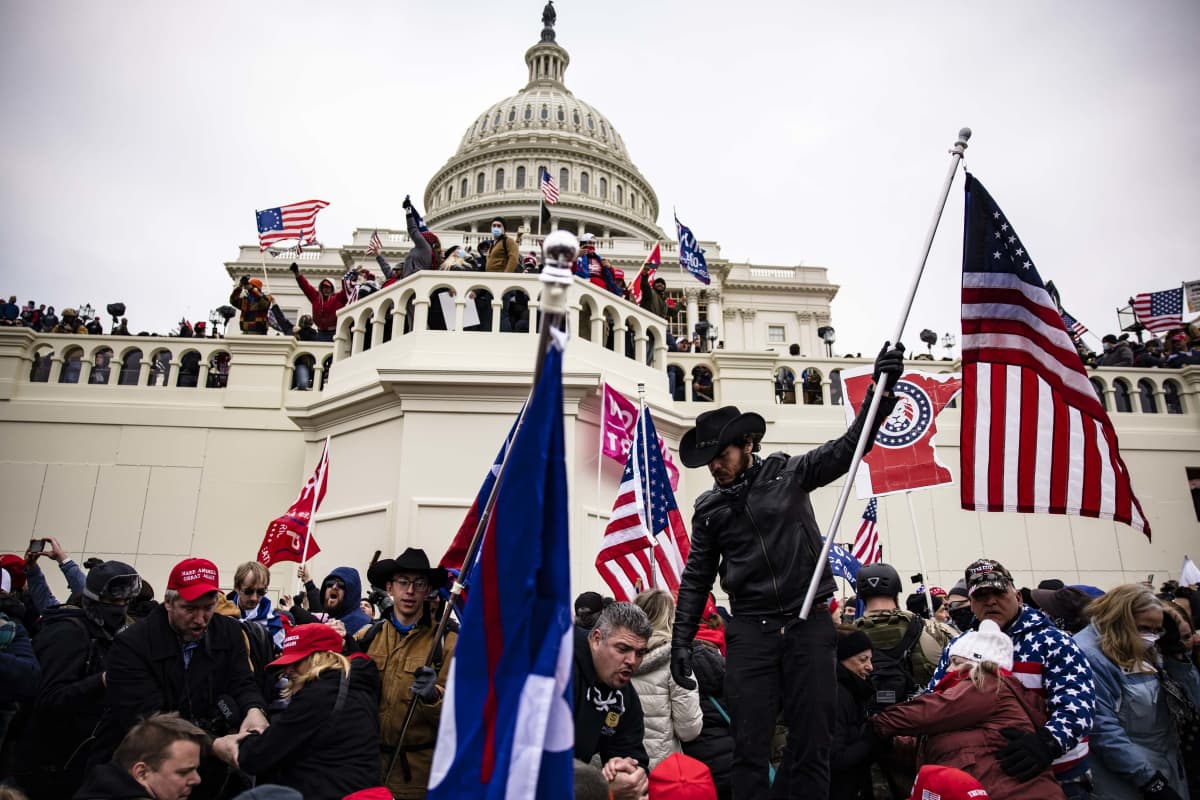
Representative Sam Graves (R-Mo) recently confirmed he would step down, describing the move as an opportunity for new leadership.
The number of departures has increased pressure on party resources, particularly in districts that were previously considered secure.
Party officials have not publicly outlined a revised strategy but are expected to focus on candidate recruitment and district-level campaigns.
Voter security versus the ‘Affordability’ challenge
Some Republican figures have emphasized voter security as a defining issue, while others have pointed to affordability as the dominant concern for voters.
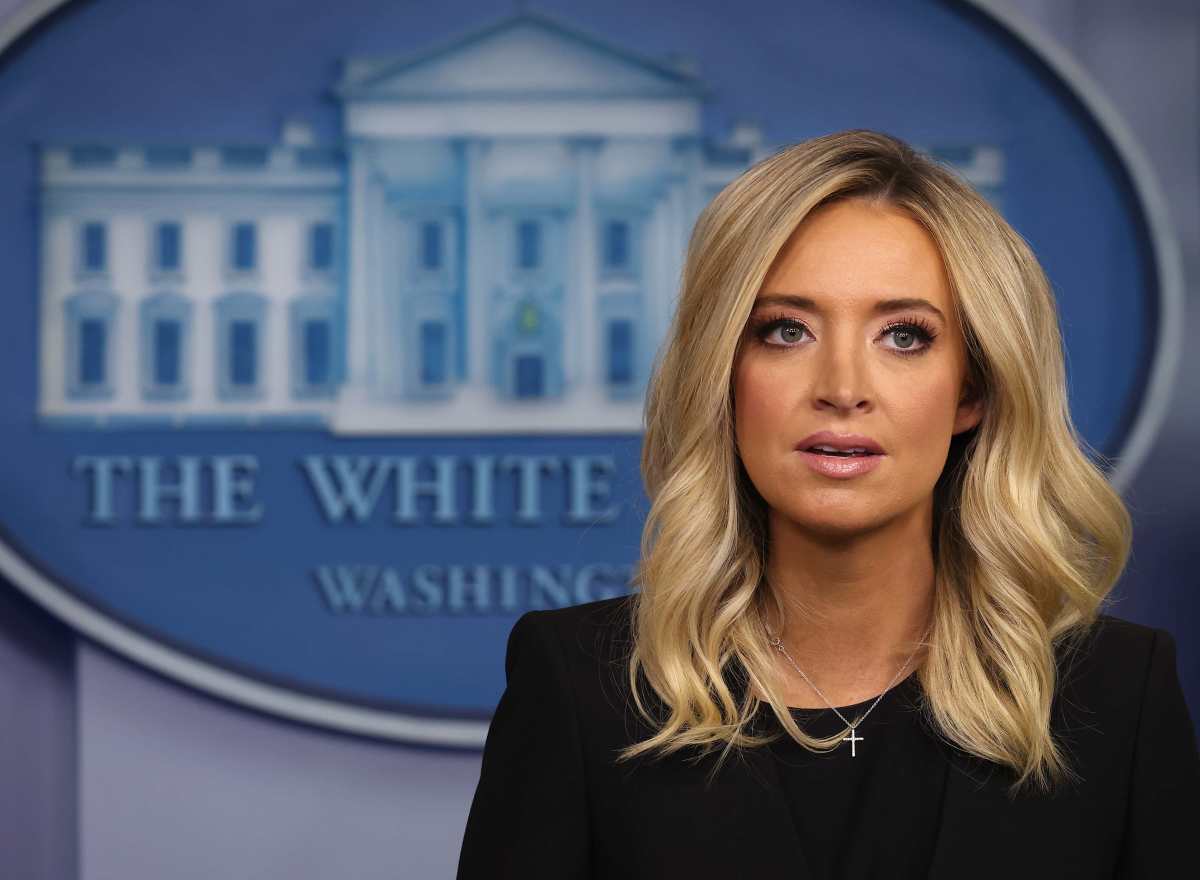
With energy prices rising and inflation remaining a key issue, the GOP enters the midterm cycle facing competing priorities. McEnany noted that holding power during midterms is “historically difficult,” adding that current economic conditions could further complicate the outlook.
As campaigning intensifies, Republican leaders are expected to refine their messaging amid ongoing developments in both domestic policy and the international conflict.