Michelle Obama says leaders ‘hang on too long' in America as elders lack a dignified exit
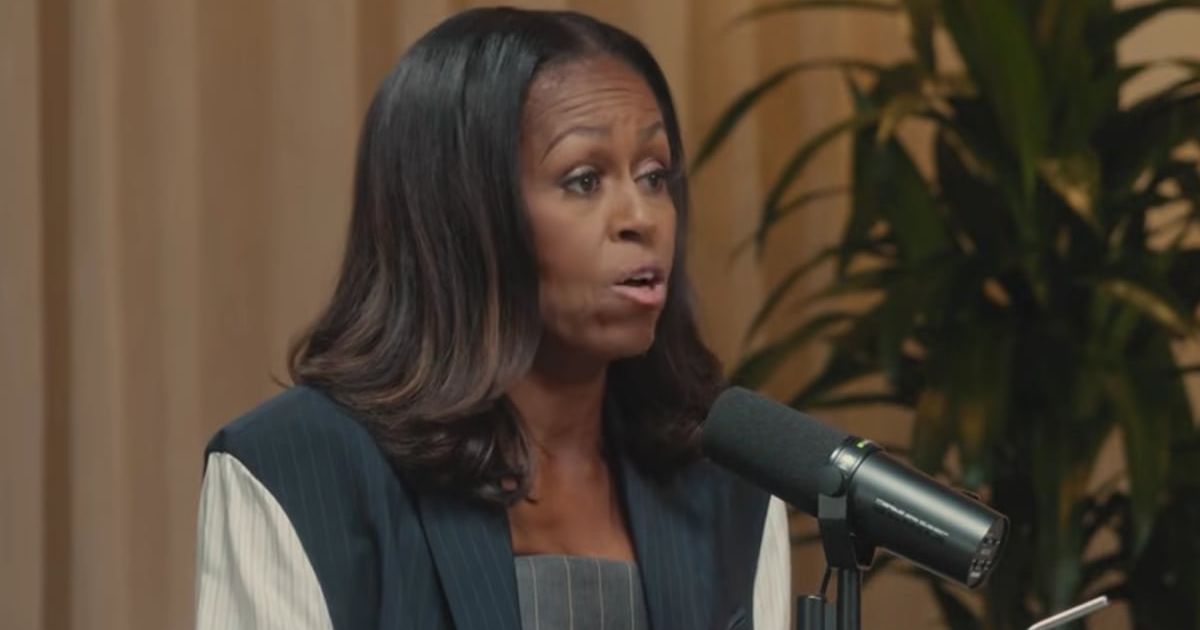
WASHINGTON, DC: Former first lady Michelle Obama, on Thursday, December 11, expressed concern about leaders failing to relinquish power as they age, as she stated, "Nobody wants to move on from leadership."
Michelle made these observations during a conversation with CNN anchor Anderson Cooper on the latest episode of her 'IMO' podcast.
Michelle Obama believes leaders cling to power and resist retirement
Speaking with Cooper, Michelle noted that many leaders in society remain in their positions for too long, not allowing younger generations to take on.
She shared an observation she attributed to her husband, she said, "I think my husband said this recently. I mean, one of the problems with society today is that nobody wants to move on from leadership. People hang on too long, and they hang on beyond their usefulness or even their practicality."
This topic arose as Cooper was discussing his experience of grieving his late father and the modern societal taboo surrounding death and grief.
Michelle agreed that this hesitation to discuss mortality might be connected to why some older people resist retirement, as they do not view it as a positive phase to look forward to.

Michelle Obama says leaders block new generation energy
Michelle elaborated on the relationship between aging and leadership transition, stating, "I mean, as we get older, we think a different way."
She argued that leaders should naturally step aside "to make room for the next generation that has new ideas, new energy."
However, because society does not provide a place for senior leaders to move on with respect and honor, she believes, "I think people hold on too long." Michelle categorized this as a significant societal issue, suggesting Americans have lost the ability to value old age as a meaningful part of life.

Michelle Obama stresses society must honor its elders
She stressed that society suffers when it fails to properly honor its elders, asserting, "And I think we suffer as a society, as a nation, as a world, because we haven't figured out how to honor our elders — to give them a space to leave gracefully, to really give them a place of honor so that they feel ready and anxious to go there."
Michelle argued that the transition should not "feel like the end of the road. It’s the beginning of something new, and we don’t do that well in America or in the world, quite frankly."
Cooper responded that younger people's anxiety about aging often causes them to "shunt it aside."
He then circled back to the topic of grief, noting the common awkwardness people display when trying to comfort someone who has lost a loved one.
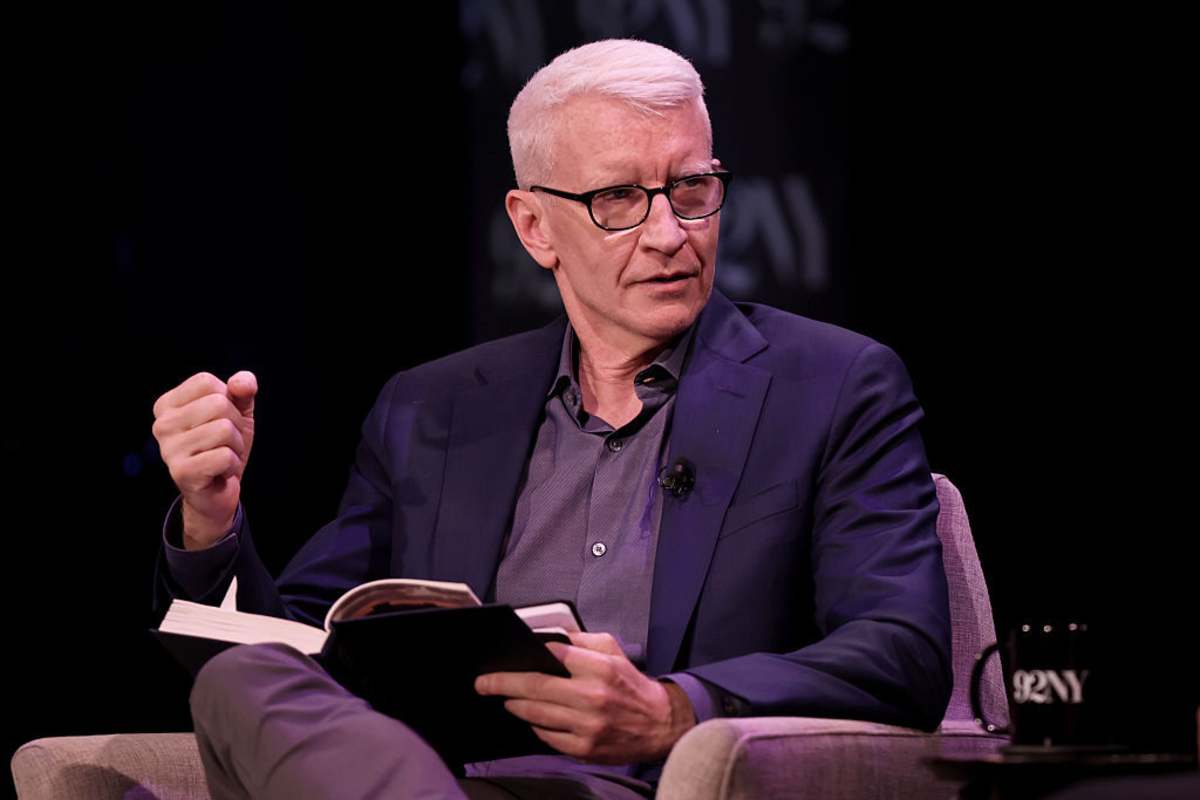
Anderson Cooper talks about inadequate grief support
Cooper pointed out the inadequacy of bereavement time and people’s inability to communicate effectively with those who are grieving.
"Oftentimes when, you know, somebody in your office has lost a loved one, and they come back after, you know, what, two days of bereavement relief or whatever ridiculous — some tiny amount people are given. And people don't know what to say," he explained.
The CNN anchor mentioned hearing from his own podcast listeners that people often remain silent, wrongly believing that bringing up the loss might upset the person, "as if it’s not constantly in that person’s head all the time."
Ultimately, he concluded that "people don’t know what to say."