Midterm election 2026: Meet ex-GOPs running as dems, why they might struggle to win over voters
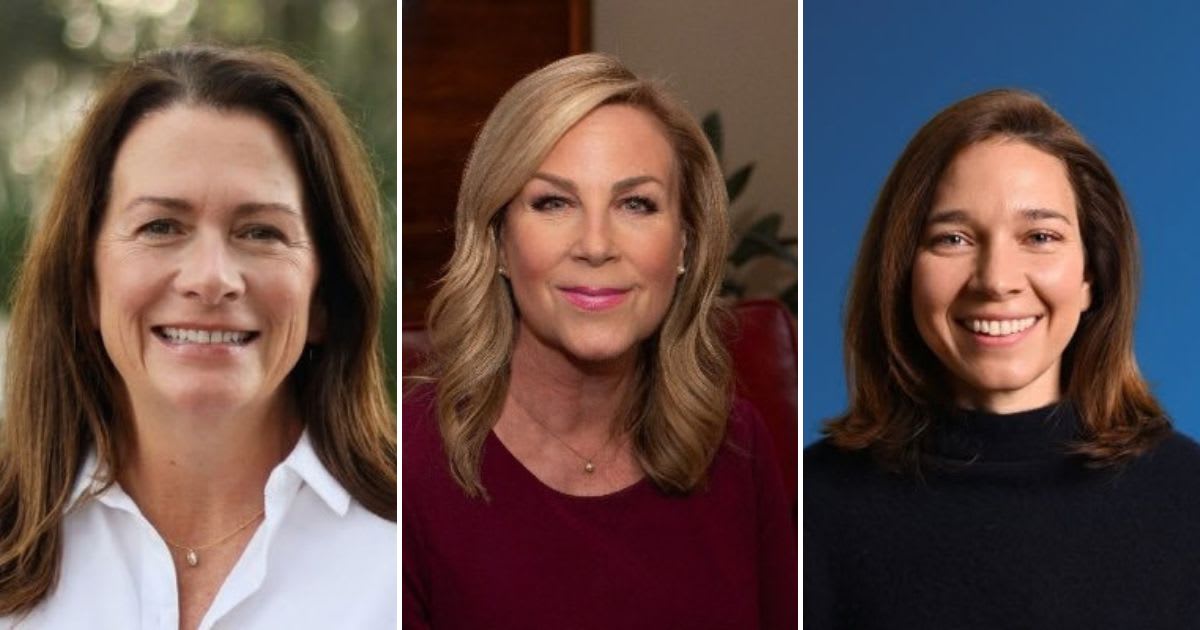
WASHINGTON, DC: Nancy Lacore, Janelle Stelson and Rebecca Bennett are running as Democrats in South Carolina, Pennsylvania and New Jersey, respectively. The former Republicans hope their backgrounds will help them connect with ex-GOP voters.
Former Republicans running as Democrats are hoping to reach voters who have grown frustrated with the GOP and increasingly independent voters ahead of the midterm elections.
Meet ex-Republicans running as Democrats in midterms
There are at least three Democratic House candidates running in this year’s general election who are former registered Republicans.
The candidates say their experience as former Republicans gives them insight into voters who have become disillusioned with partisan politics or no longer identify closely with either major party.
They believe that experience could help them connect with such voters during the midterm campaign.
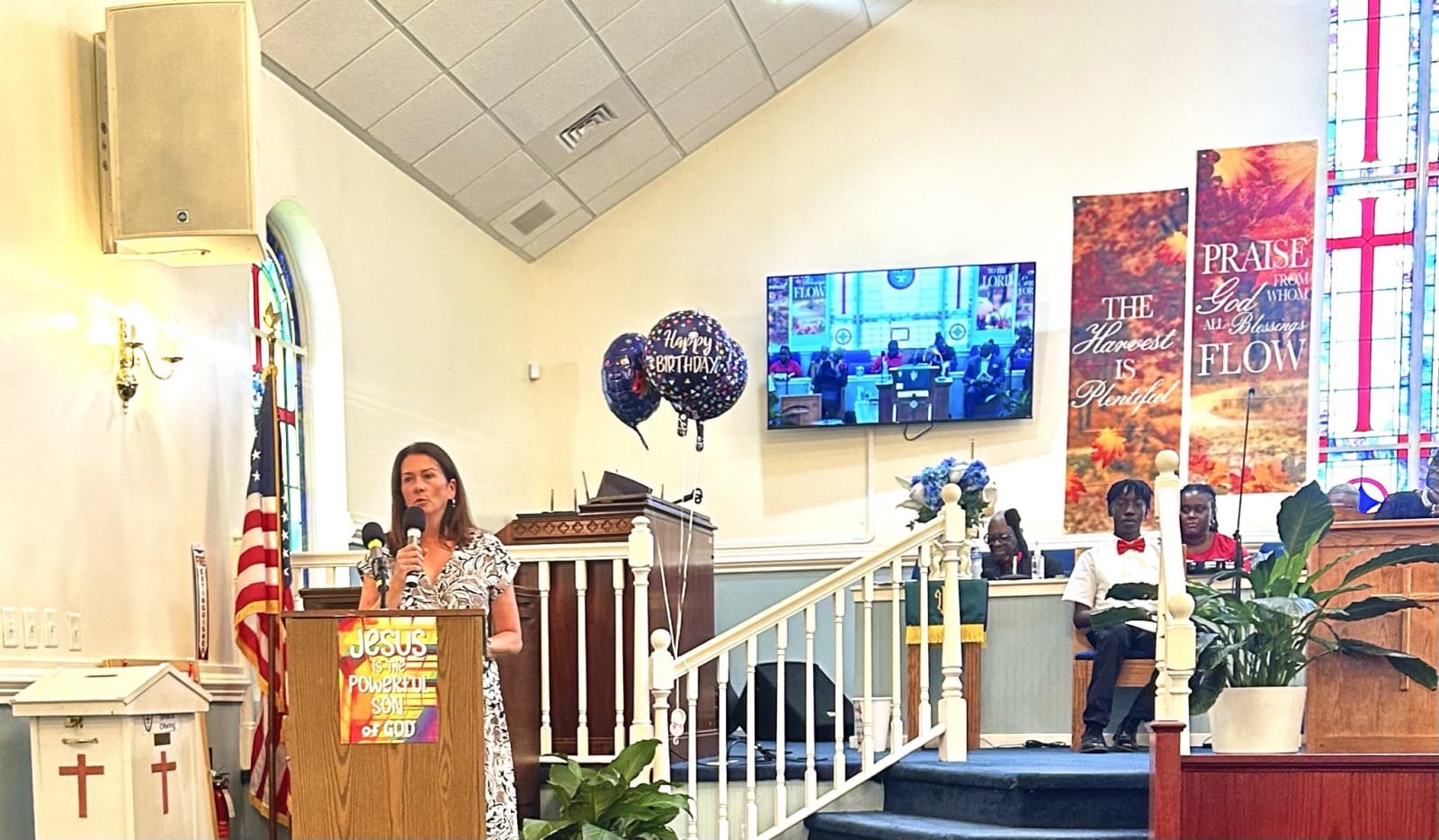
“It is a big tent, right?” said Nancy Lacore, who is looking to flip Rep Nancy Mace’s (R) seat in South Carolina.
“There is room … in there for everybody,” as reported by Washington Post.
Lacore left the GOP a decade ago.
While party switchers have historically faced challenges after changing political affiliation, Democrats are hoping candidates such as Lacore, former TV anchor Janelle Stelson in Pennsylvania and Navy helicopter pilot Rebecca Bennett in New Jersey can appeal to voters beyond the traditional Democratic base.
Former Republicans look beyond disaffected GOP voters
Lacore, who left the GOP in 2016, said she frequently meets voters at Democratic events who tell her they are former Republicans as well.
“I’m really glad that I’ve got those folks on my side because that’s who we need going forward,” she said, noting that she wants to show fatigued Republicans that they have a place in the Democratic Party.
However, the candidates acknowledge that attracting disaffected Republicans alone may not determine the outcome of competitive races.
While Trump has faced weak approval ratings among the broader electorate and independent voters, he continues to retain strong support among Republicans. A July Washington Post poll found that 81% of Republicans approved of his job performance.
Growing independent voters are on ex-GOPs’ list
House Democrats are also looking beyond former Republicans to independent voters. Former Republican Rep David Jolly is running as a Democrat in the Florida gubernatorial race.
Jolly has said about 31% of Florida voters belong to the MAGA movement and are unlikely to support him. He said part of his strategy is to focus on independent voters who are “just fatigued with Trump.”

The share of Americans identifying as independent has also been growing.
A Gallup poll found that a record-high 45% of U.S. adults identified as independents in 2025. The same poll found that independents who leaned toward one of the two major parties leaned Democratic more often than Republican.
The poll also found lower approval of Trump among independent voters, a trend that party-switching candidates hope to capitalize on.
Jolly said independent voters may be willing to consider a former Republican running as a Democrat when they examine his views on issues such as private business, economic growth and government involvement in people's personal lives.
“They say, ‘Okay, let me look at Jolly,’ and they kick the tires of this former Republican who says: ‘Look, I think the private sector should lead. Economic growth is good. I think we should stay out of your bedroom,’” he said. “And they start to say, ‘Maybe I could work with this guy.’”
Bennett and Lacore focus on voters grown above party politics
Like voters who have become disillusioned with Trump, some Democrats and independents have also expressed frustration with partisan politics.
Bennett, running in New Jersey against Republican Rep Tom Kean Jr., has criticized the hyper-partisan environment in Congress and argued that political divisions have contributed to challenges such as the rising cost of living.

“I led missions in some of the most challenging environments on earth,” Bennett said of her 15 years in the military.
“We served not as Democrats or Republicans, but as Americans who were there to serve our nation and get the mission done,” as reported by The Washington Post.
Similarly, Lacore, who served 35 years in the Navy and is running in a district with a lot of military personnel, is convinced that voters will look beyond party labels and see her as “somebody who understands what our military should be and where we need to get it back to.”
What do past results say about the possibility of switchers winning?
Political history shows mixed results for candidates who have switched parties. Some found success after their states or districts underwent broader partisan realignment, while others struggled after changing affiliations.
Strom Thurmond of South Carolina and Richard C Shelby of Alabama were Democrats who joined the Republican Party and went on to build successful careers as Republicans as their states shifted toward the GOP.
Charlie Crist of Florida also won House races as a Democrat after leaving the Republican Party but later lost statewide races as a Democrat.
Other party switchers faced difficulties after changing affiliations. Michael Forbes lost the Democratic primary in 2000 after switching from the Republican Party. Parker Griffith lost the Republican primary in 2010 after switching from the Democratic Party.
More recently, former Republican candidates including Ryan Crosswell in Pennsylvania, Geoff Duncan in Georgia and George Conway in New York also failed to secure their respective Democratic nominations.
Why ex-Republicans might struggle to win over Dems
Jason Roe, a Republican strategist who has never supported Trump but remains in the GOP, said party-switching candidates generally face an uphill battle because partisan voters may have difficulty accepting that someone who recently belonged to the opposing party can fully embrace the new party's political outlook.
 Former TV anchor Janelle Stelson is in race for a House seat in Pennsylvania as a democrat ( @Janelle Stelson/X)
Political strategists have argued that party switchers who succeed generally need to convince voters that they have fully embraced their new party's positions.
“I think it takes a special kind of former Republican to be able to pull it off in a Democratic primary,” Democratic strategist Eric Stern said, according to The Washington Post. “That’s true on the other side of the aisle, too.”
Stern said he hopes “there are more Republicans out there who see the light.”
“I would be skeptical of them, and I think it is incumbent on Democratic primary voters to view them with skepticism,” he said. “But I also would absolutely encourage them to come on over; the water’s warm.”
Roe, meanwhile, said he did not expect former Republicans to receive a “warm embrace” from Democratic voters, because, in his view, “ever embracing Republicans is a character flaw” in the eyes of many Democrats.