Missed voter registration deadline? Here's how Americans can still vote in 2026 midterms
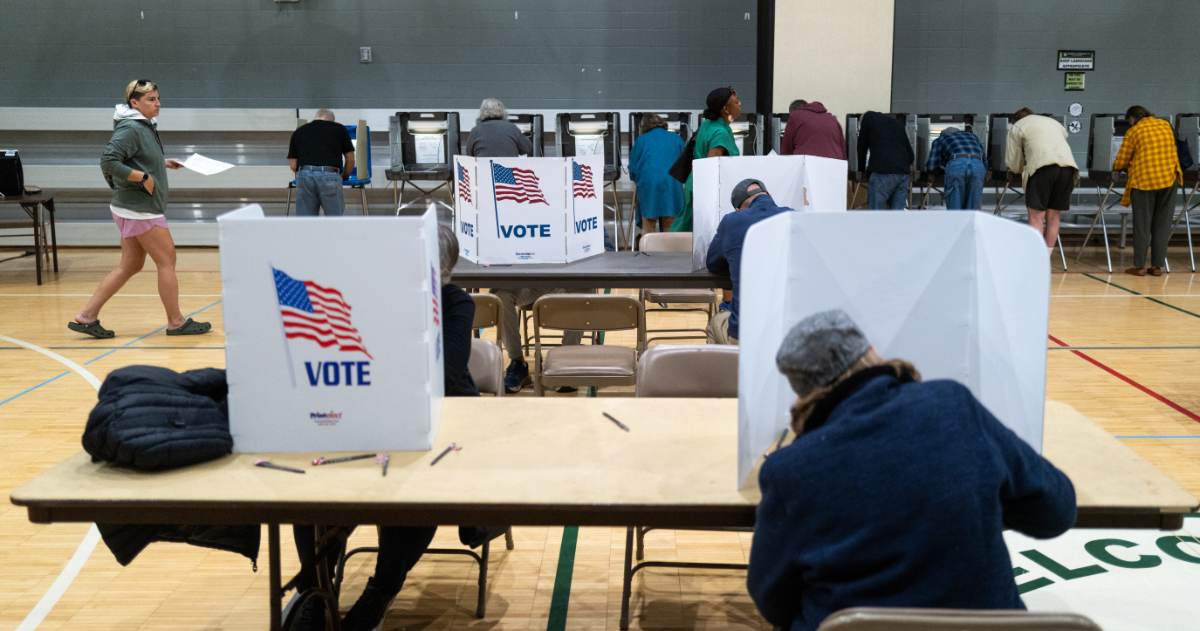
WASHINGTON, DC: With Election Day just five days away on November 3, eligible Americans who have not registered to vote may still have an opportunity to participate in the 2026 midterm elections. However, whether they can register at this stage depends on where they live, as states have different deadlines and rules for late registration.
While the regular registration deadlines have passed in many states, some jurisdictions still allow eligible residents to register and cast their ballots during early voting or on Election Day. California and North Carolina are among the states offering such options, although their procedures and deadlines differ.
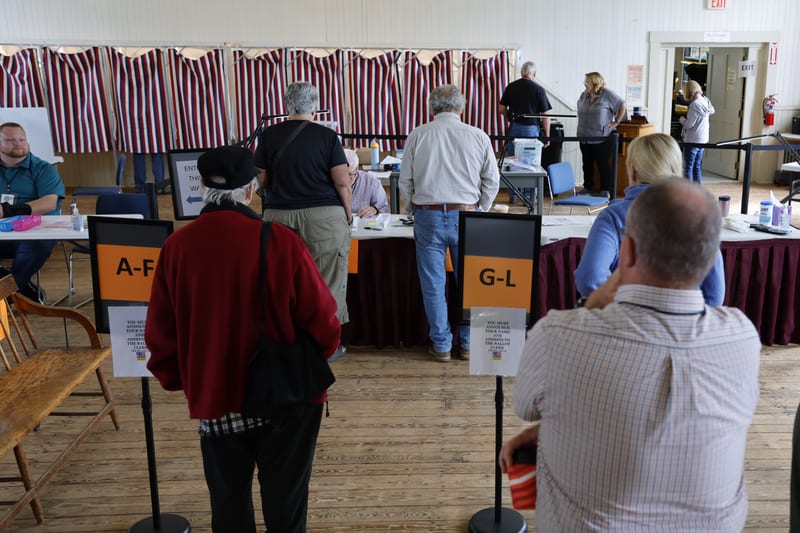
Can voters still register before the November 3 election?
Yes, in some states. Voters who missed their state's regular registration deadline should check whether same-day or conditional voter registration is available.
According to the California Secretary of State's office, eligible residents who missed the October 19 registration deadline can still use conditional voter registration through November 3. They must complete the process in person at their county elections office or an in-person voting location within their county. Their ballots are initially treated as provisional while election officials verify their registration. Details are available on the state's official 2026 election information page.
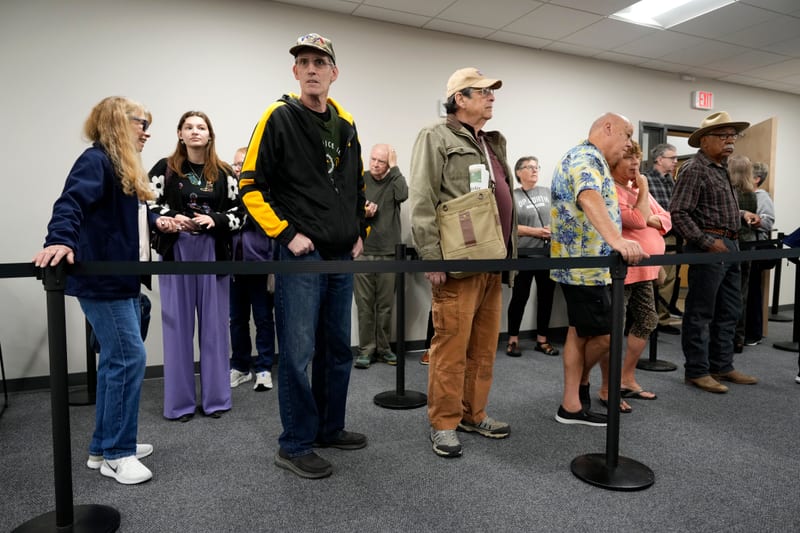
North Carolina also offers same-day registration, but the option is limited to the early voting period. According to the North Carolina State Board of Elections, eligible residents can register and vote at an early voting site in their county through 3 pm on October 31. The state does not generally allow voters who missed the regular deadline to register at polling places on Election Day. More information is available through the board's same-day registration guidelines.
Which states have already closed regular voter registration?
Several states set their registration deadlines weeks before Election Day. Missing the regular deadline does not necessarily mean every option is closed, but voters must check whether their state offers an alternative.
For example, North Carolina's regular registration deadline was October 9, while California's was October 19. Both states have different late-registration arrangements, as outlined above.
Voters should not assume that another state's rules apply to them. Registration deadlines can also differ for military personnel and Americans living overseas.
How to check the state's voter registration deadline?
According to the US Election Assistance Commission (EAC), registration procedures and deadlines are determined by individual states. The commission directs voters to their state and local election authorities for information about eligibility, registration and voting arrangements.
Readers can use the EAC's Register and Vote in Your State directory to find their official election office and check the rules that apply to their location.
The federal government's Vote.gov website is another resource where voters can select their state and access official registration information, including available registration methods and deadlines.
Who is eligible to register for the 2026 midterms?
Generally, a person must be a US citizen, meet their state's residency requirements and be at least 18 years old by Election Day to vote in the federal midterm elections. Some states allow eligible teenagers to preregister before turning 18.
Other eligibility requirements can vary. For example, state laws may have specific provisions concerning people with felony convictions, residency changes and identification documents.
According to Vote.gov, applicants should check their state's requirements before submitting a registration application. The website also provides information about registering online, by mail or in person, depending on the state.
What documents are needed for late voter registration?
The documents required depend on the state and the registration method. Some jurisdictions require applicants to provide identification, while others ask for proof of their current residential address.
In North Carolina, for example, people registering during early voting must provide proof of residence. The State Board of Elections lists documents such as a North Carolina driver's license, a government-issued document showing the current address, a utility bill, a bank statement or a paycheck as acceptable options. Same-day registrants must also show an acceptable photo ID when checking in to vote.
California residents using conditional registration must complete the required registration process at an authorized in-person location. They should check the Secretary of State's website or contact their county elections office to confirm what information and documentation they need.
What to do after missing the registration deadline?
Voters who have missed their state's regular deadline should first contact their local election office to find out whether same-day or conditional registration is available. If their state does not offer a late-registration option, they may have to wait until the next election to register and participate.
With Election Day approaching on November 3, checking the latest instructions directly with state and county election officials is important. Voters can also confirm their registration status, polling location and identification requirements before making their way to a voting site.