New CDC vaccine plan trims childhood shots, aligning US schedule more closely with Denmark
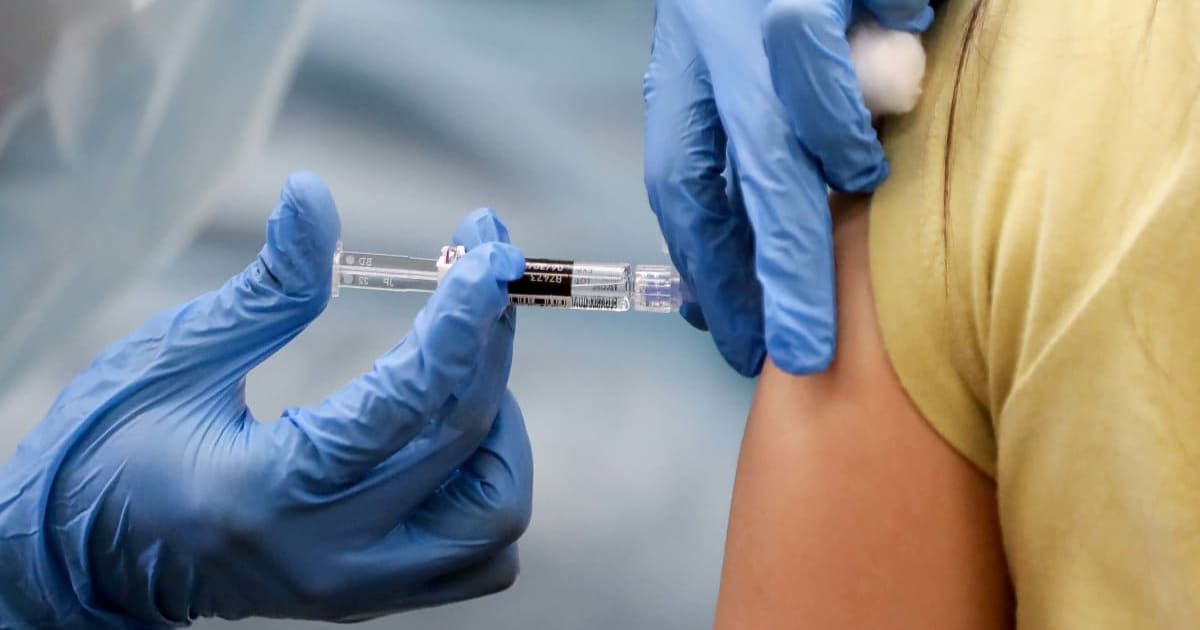
WASHINGTON, DC: The Centers for Disease Control and Prevention issued a historic recommendation on Monday, January 5.
As per the new system, America’s vaccine schedule for children would resemble that of the Kingdom of Denmark, as children would need to get vaccinated against 11 diseases, opposed to the previous 18.
RFK Jr unveils new vaccine schedule to protect children
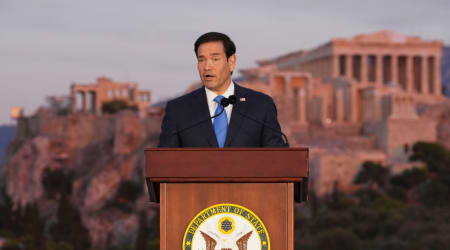
The Department of Health and Human Services Secretary Robert F Kennedy Jr chimed in on the CDC’s memorandum, which changed the vaccine schedule for children in America.
RFK Jr stated that President Donald Trump had urged them to examine how other nations protected their children and to learn from their models.
He added that after an “exhaustive review,” they were going to align the American vaccine schedule with that of Denmark’s to strengthen transparency.
“This decision protects children, respects families, and rebuilds trust in public health,” he stated.

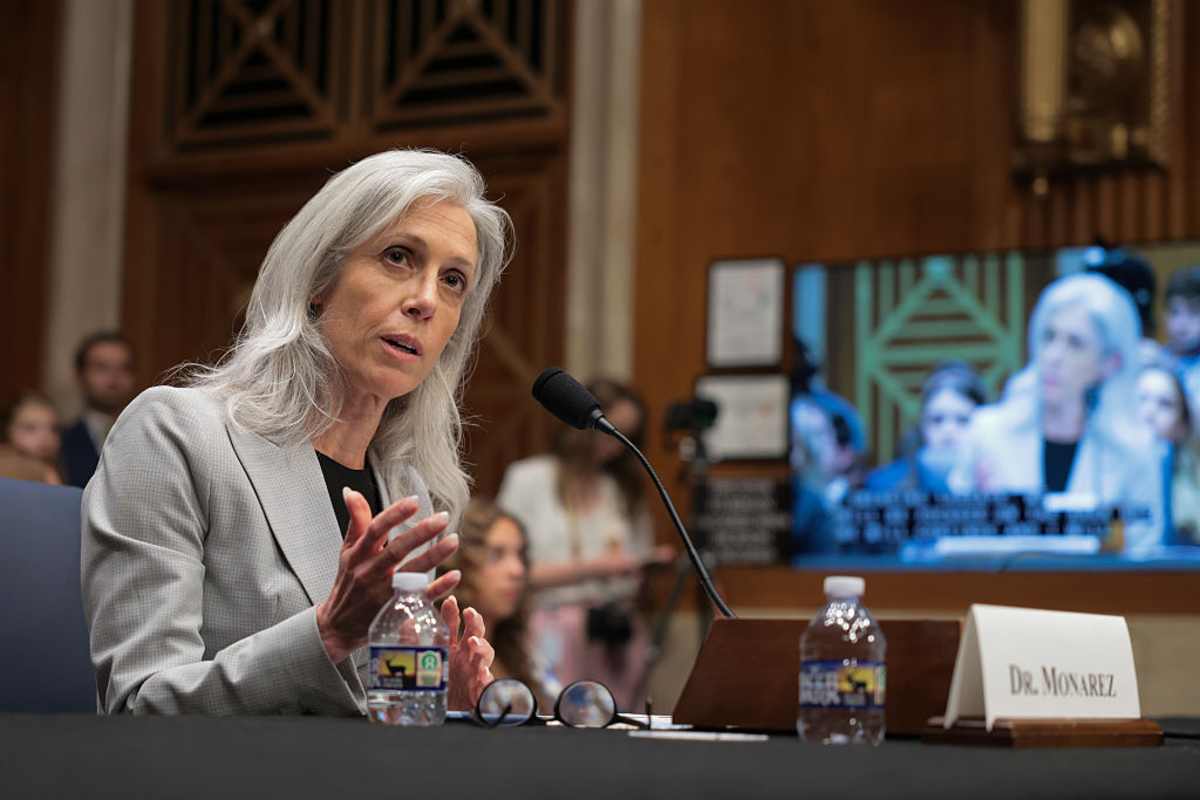
The Acting Director of the Centers of Disease Control and Prevention Jim O’Neill, agreed with RFK Jr, noting that he had signed a decision memorandum accepting the assessment’s recommendations.
He explained that the data they reviewed showed a more focused schedule to protect children from the most dangerous infections while “improving clarity, adherence, and public confidence.”
The assessment that CDC based its decision on said that due to COVID-19, there had been a lot of mistrust regarding vaccine uptake.
"It also contributed to less adherence to the full CDC childhood immunization schedule, with lower rates of consensus vaccines such as measles, rubella, pertussis, and polio,” it read.
The assessment added that America needed better science about vaccinations.
The high-risk group of diseases
The CDC stated that it would continue to recommend certain vaccinations for children against ailments such as measles, mumps, rubella, polio, pertussis, tetanus, diphtheria, Haemophilus influenzae type B (Hib), pneumococcal disease, HPV, and chickenpox.
However, other diseases such as RSV, hepatitis A, hepatitis B, dengue, and two types of bacterial meningitis would fall under the “high-risk group.”
Vaccinations against such ailments would be recommended through shared clinical decision-making and not made mandatory.