New York's wealthy stay put after Mayor Zohran Mamdani’s win, report reveals
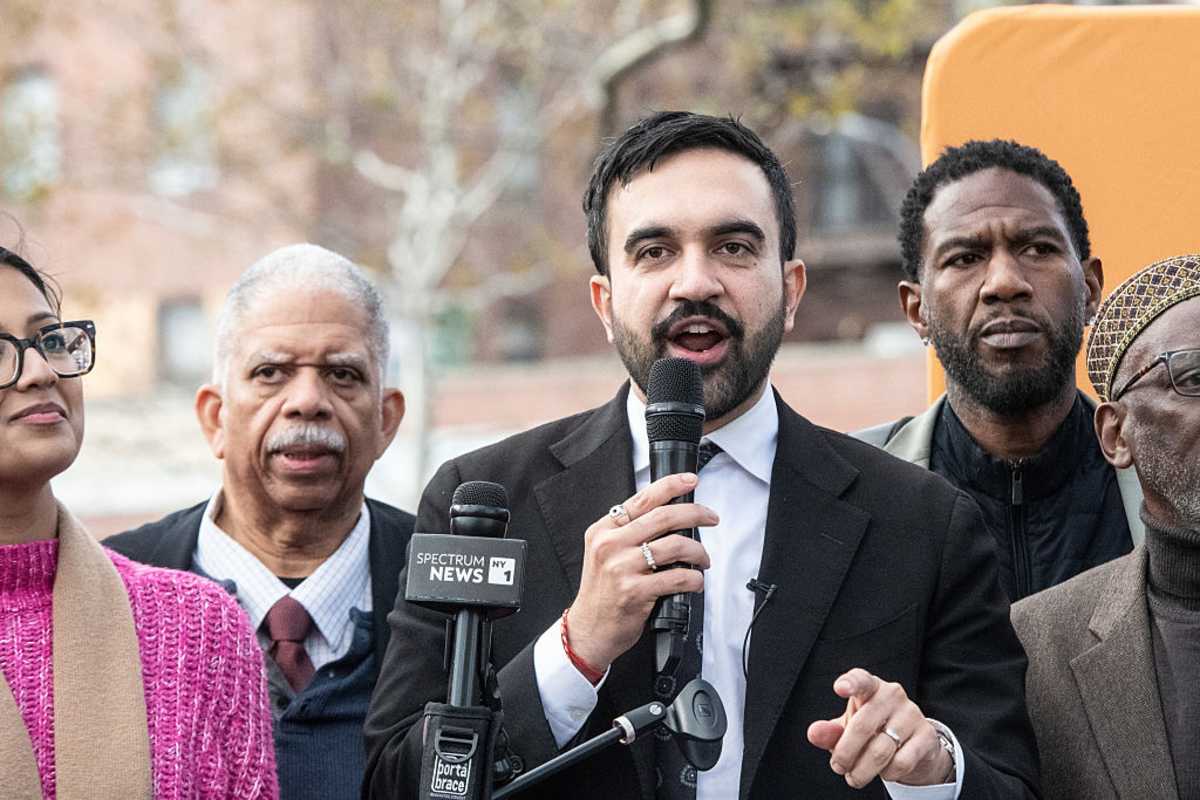
NEW YORK CITY, NEW YORK: In the lead-up to New York City’s mayoral election, conservative critics warned that a victory for Zohran Mamdani and his proposal to slightly raise taxes on the city’s highest earners would spark an exodus of millionaires.
But, to the contrary, people are firmly rooted in the city.

A month after Zohran Mamdani’s historic win, no trend of exodus
After Mamdani won, according to Fortune, the luxury market signaled stability, not flight. Also, contrary to predictions of a mass billionaire bailout, the ultra-luxury housing market was strengthening.
Signed contracts for Manhattan homes priced above $4 million rose in November compared to October. High-end properties also outperformed the broader market.
Meanwhile, inventory in the luxury segment fell 16% in October year-on-year, a sign that wealthy buyers are not just staying, but continuing to invest in New York.
Study finds millionaire migration remains low in the US
Migration among high earners is historically low, and that pattern appears unchanged according to The Guardian.
“Rich people are not the folks who are pulling up camp and moving,” said Cristobal Young, a Cornell University sociologist and author of 'The Myth of Millionaire Tax Flight'.
Young noted that affluent households tended to have stronger personal, professional and family ties, making relocation unlikely.
Wealthier Americans were more likely to be married, have children, and maintain deep connections to their communities, all factors that reduced mobility.
Studies of similar tax increases in states such as New Jersey, California, Connecticut and Massachusetts showed no evidence of mass departures.
While a small number may leave at the margins, Young stressed, "About 98% of high-income earners are going to stay … and they’ll be contributing more revenue."
Global research reaches the same conclusion
Quentin Parrinello of the EU Tax Observatory said international studies, including research in France and Scandinavia, also found only limited mobility among the wealthy.
As per Parrinello, people stayed because economic, cultural and social ties outweighed modest tax changes.
“Sometimes it’s assets you cannot move, sometimes it’s business networks, sometimes it’s the cultural offer,” Parrinello said. “In a metropolis like NYC, the complexities of moving away are bigger than what you will pay in tax.”
Despite political warnings and tabloid alarmism, New York’s wealthiest residents appeared firmly rooted in the city.