Newsom signs 13 election bills to protect California ballots, citing Trump interference concerns
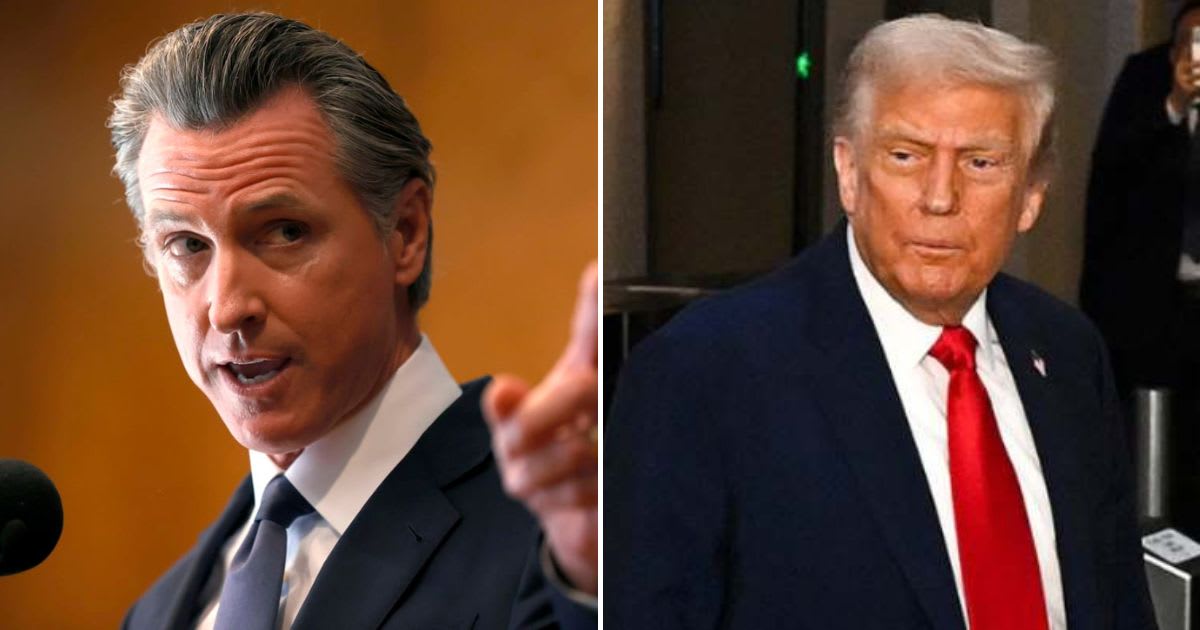
LOS ANGELES, CALIFORNIA: California Governor Gavin Newsom on Saturday, September 19, signed a package of 13 election-related bills aimed at strengthening protections for the state’s voting process ahead of the 2026 midterm elections.
The legislative package includes measures restricting the seizure of ballots and election records, imposing penalties for interference with mail ballots and limiting deceptive political advertising. Newsom and other California Democrats have said that the measures are intended to address concerns about potential federal involvement in the state’s elections, particularly over mail-in voting.
Newsom signs bills targeting ballot seizures and election interference
Newsom signed the bills in Los Angeles, where he said California was responding to what he described as attempts to interfere with voting and restrict access to mail ballots. “Donald Trump won’t stop until he can exert dictatorial control over your free vote and disenfranchise millions of people this November,” the governor said in a statement. “California will stop him at every opportunity.
“We have no bigger task than fighting to protect the right to vote from interference and meddling, the future of democracy is on the line,” Newsom added. “These bills today build upon the wall California has built to safeguard our electoral process.”
BREAKING: As Donald Trump escalates his attacks on free and fair elections ahead of November, @CAGovernor Gavin Newsom just signed 13 new laws, including ones creating felony penalties for interfering with California’s ballots and election systems.
— Governor Newsom Press Office (@GovPressOffice) September 19, 2026
Today’s action strengthens… pic.twitter.com/Ncm35lVn4p
One of the new laws prohibits the seizure of ballots, election records, or voting technology before an election has been certified. Another makes it a felony for people in positions of authority to direct workers to interfere with the delivery of a mail-in ballot or its return to election officials.
The package also requires election officials to notify California’s secretary of state and attorney general if they become aware of an effort to obtain election records or election technology. The measure follows a law Newsom had signed in May this year, restricting federal agents’ access to voter rolls and election technology without a court order.
The CA Supreme Court will hear oral arguments at 10 a.m. today on whether former GOP candidate for governor and Riverside County Sheriff Chad Bianco unlawfully seized about 650,000 ballots cast in last year’s statewide vote on redistricting. https://t.co/tPCpmmK2eb
— CalMatters (@CalMatters) August 24, 2026
📸 Jules Hotz pic.twitter.com/MOzBB0sm1a
The move comes after Riverside County Sheriff Chad Bianco, a Republican, seized more than 650,000 ballots cast in a 2025 redistricting special election while investigating what he described as a discrepancy in the count. California subsequently challenged that action in court.
13-bill package also targets AI deepfakes and California’s slow vote count
The 13-bill package extends beyond ballot seizures and federal access to election materials. Two measures address political advertisements generated using artificial intelligence that could imitate a politician’s voice or appearance in ways that could deceive voters.
Another measure seeks to speed up California’s vote-counting process by encouraging voters to submit ballots earlier and informing them that they can return mail ballots at polling places. Officials said those steps could reduce the volume of envelopes arriving on Election Day and make ballots faster to process.
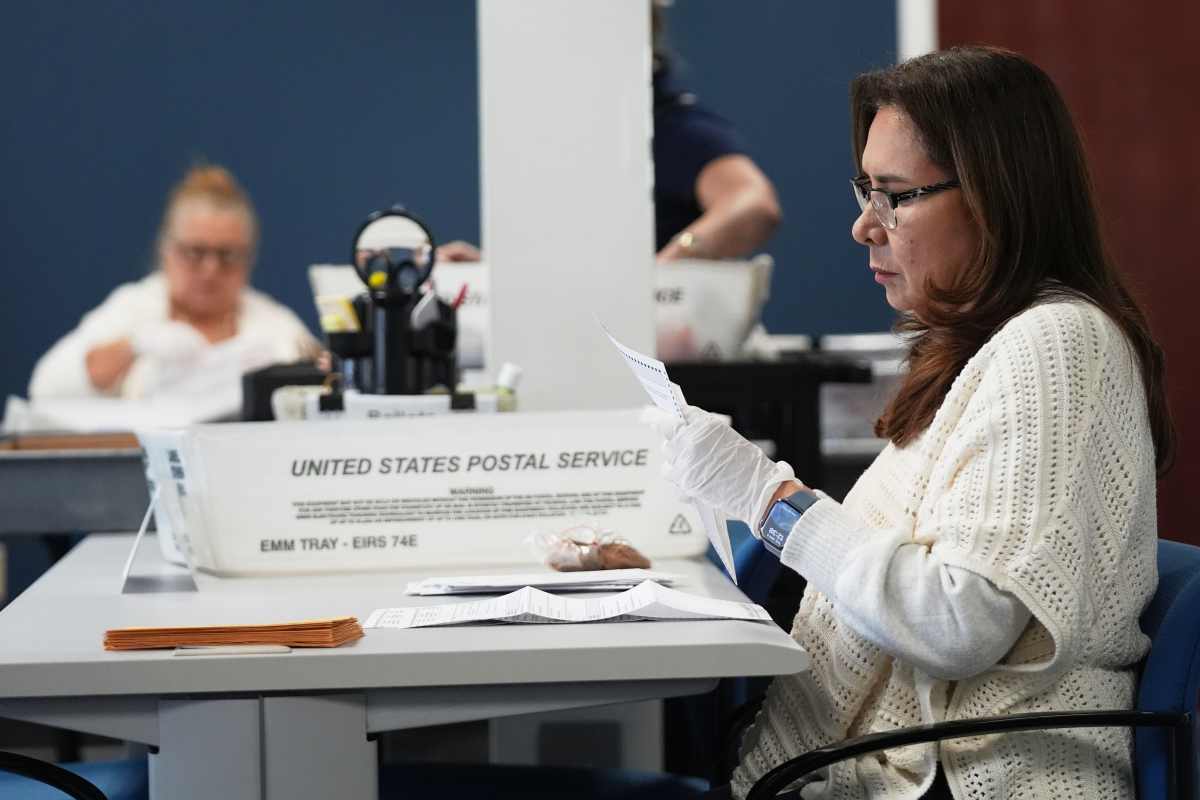
The election measures received varying levels of bipartisan support. Most of the bills passed with Democratic support, while the legislation encouraging early voting and in-person submission of mail ballots received broader support from both parties.
However, Republican state Senator Shannon Grove, who voted against the package, raised concerns that some of the measures could expose US Postal Service workers to criminal penalties while performing routine duties. “This is about the postal workers, and that’s pretty bold,” she said.

Newsom said the law was not intended to target postal workers carrying out their regular responsibilities. The bills are targeted at those “carrying out illegal activity or illegal orders and directives,” he said. “With these enhanced sanctions, if you break the law we’re going to hold you accountable, and it doesn’t matter who you are.”