‘Deeply troubling’: House Democrats demand Trump preserve chats with Musk’s Grok AI assistant
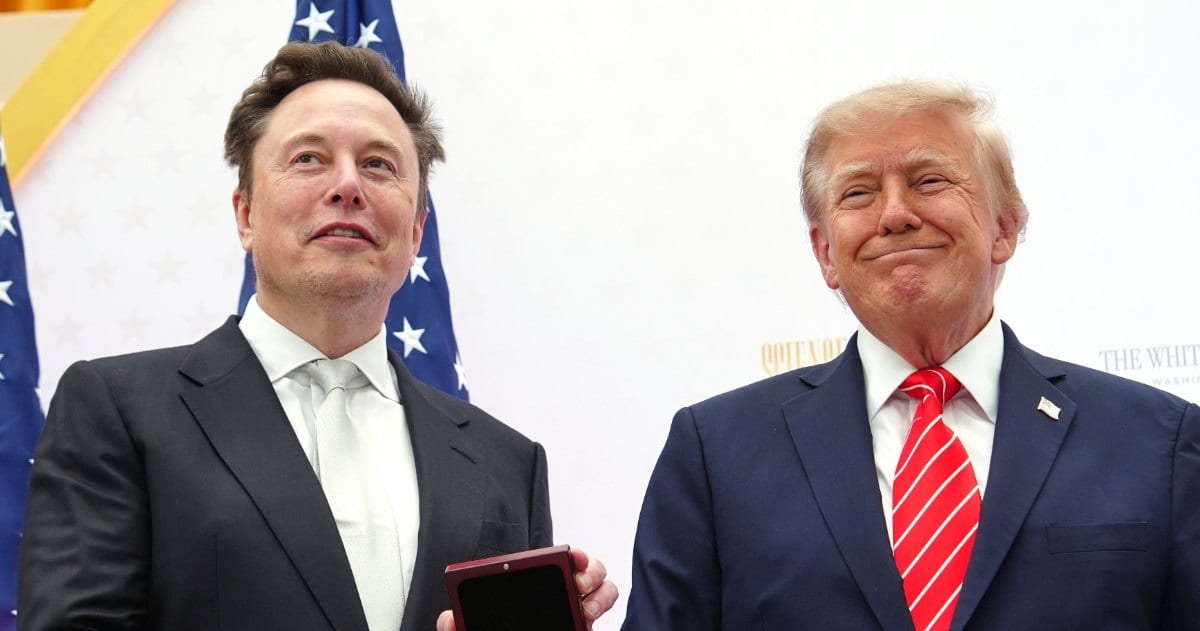
WASHINGTON, DC: Top Democrats from the House Judiciary and Oversight Committees sent a letter to President Donald Trump on Friday, October 30, urging him to keep records of any conversations he has had with AI chatbots. They want these records for an inquiry into whether Elon Musk’s chatbot, Grok, has shaped White House decisions. The letter even points to a TIME report about a meeting between Trump and Musk in the Oval Office back in December 2025.
Representatives Jamie Raskin from Maryland and Robert Garcia from California set a deadline: They want a briefing by 5 pm on November 11. If Democrats win the House in next week’s midterms, the two will lead these committees. A White House official said they’re already preserving all records they’re supposed to but didn’t get into details about the letter itself.
What the House Democrats' letter asks for
Lawmakers are asking Trump to hold on to any prompts he has sent to AI chatbots, like Grok, OpenAI’s ChatGPT, or Anthropic’s Claude, while he’s handling official business, along with whatever responses those systems give back.
They’re pointing to the Presidential Records Act for this. Congress passed that law after Watergate, and it says that presidential records belong to the public.
In 2014, the law was updated to include electronic records. What matters under the law is the actual content of the information, not whether it’s typed out or stored in some fancy new format.
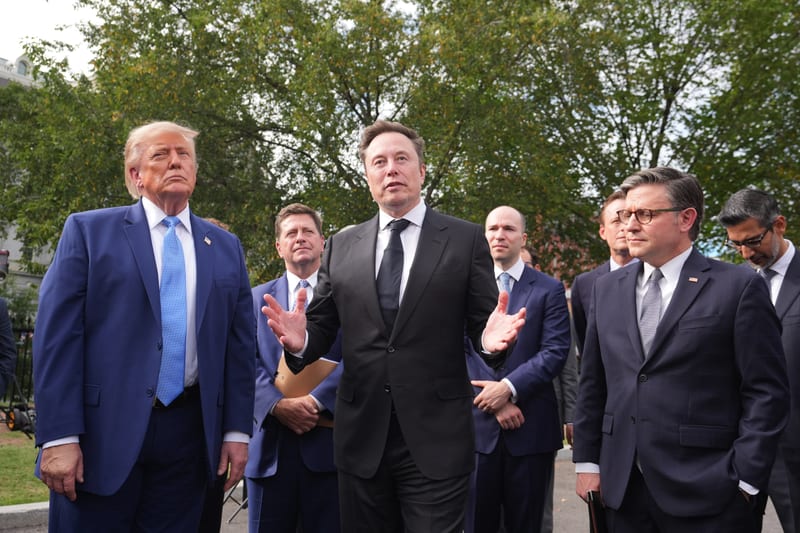
Earlier this month, TIME reported that at a meeting in December 2025, Trump spent several hours firing questions at Grok about his time in office and what his legacy might look like.
An official who was there said one of Trump’s big questions was how Venezuelans would react if the US managed to capture President Nicolás Maduro. Grok responded by calling Maduro a repressive and unpopular dictator, basically suggesting most Venezuelans would be glad to see him gone. The very next month, Trump ordered a military operation to go after Maduro.
Raskin and Garcia didn’t like any of this. They called what happened “deeply troubling.” In their words, Trump “consulted Grok, but not Congress, on your military deployment to Venezuela.”
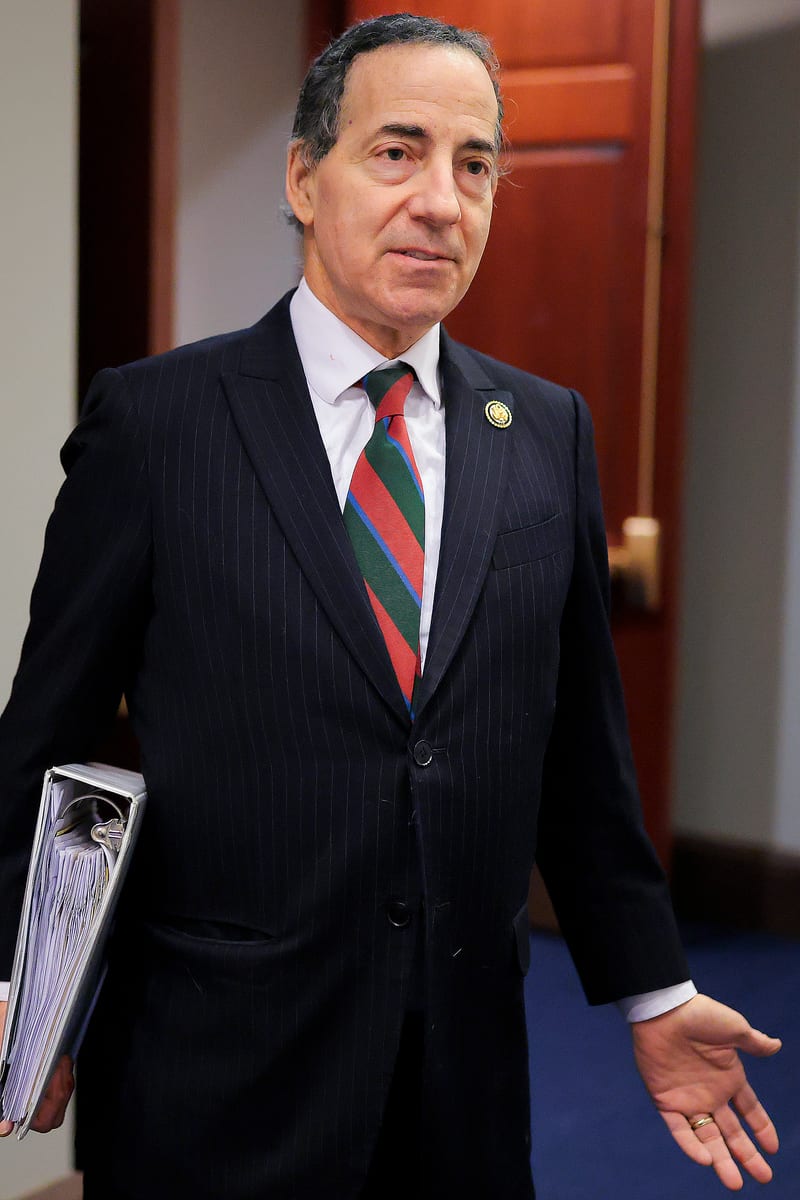
They also pointed out that this kind of technology is “highly manipulable and demonstrably error-prone,” and warned that depending on a chatbot for decisions like this puts the US at serious risk.
That said, the letter doesn’t go as far as to claim Grok’s response made Trump launch the operation, and the TIME report just says Trump walked away thinking Grok was brilliant.
An unsettled legal question
But the statute itself does not mention AI, and the most direct federal guidance, from the National Archives, covers agencies under the separate Federal Records Act.
That language treats prompts and outputs as likely records only if they are captured and saved in an agency system, a caveat critics say limits its reach for commercial chatbots. In April, the Justice Department’s Office of Legal Counsel declared the Act unconstitutional, although the White House has told a court its staff is still preserving materials related to their work.
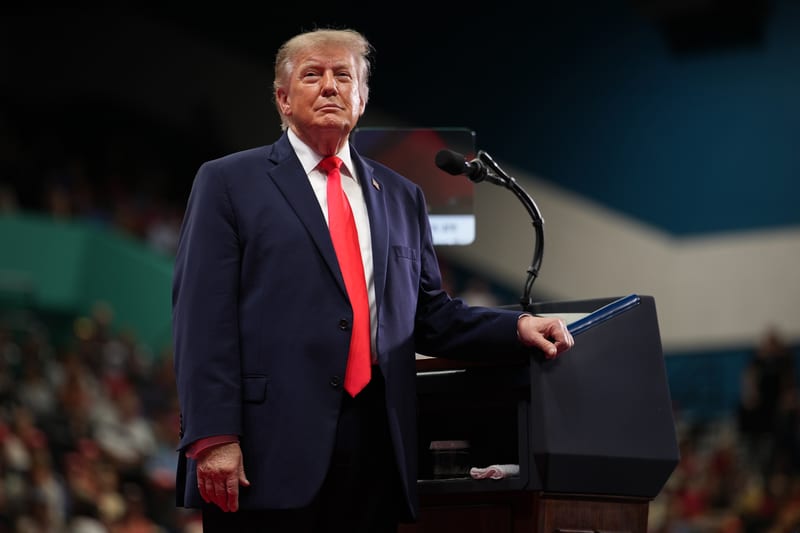
A federal judge ordered the administration in May to preserve presidential records for now.
This letter gives a taste of what a Democratic-controlled House might do if they win, think hearings, digging for documents, even subpoenas.
On its own, the letter doesn’t have any legal power. How the White House reacts — whether they cooperate, brush it off, or push back — will say a lot about how Trump’s administration plans to deal with Congress during his last two years.