Next-gen nuclear reactor flown to Utah for testing under Trump directive
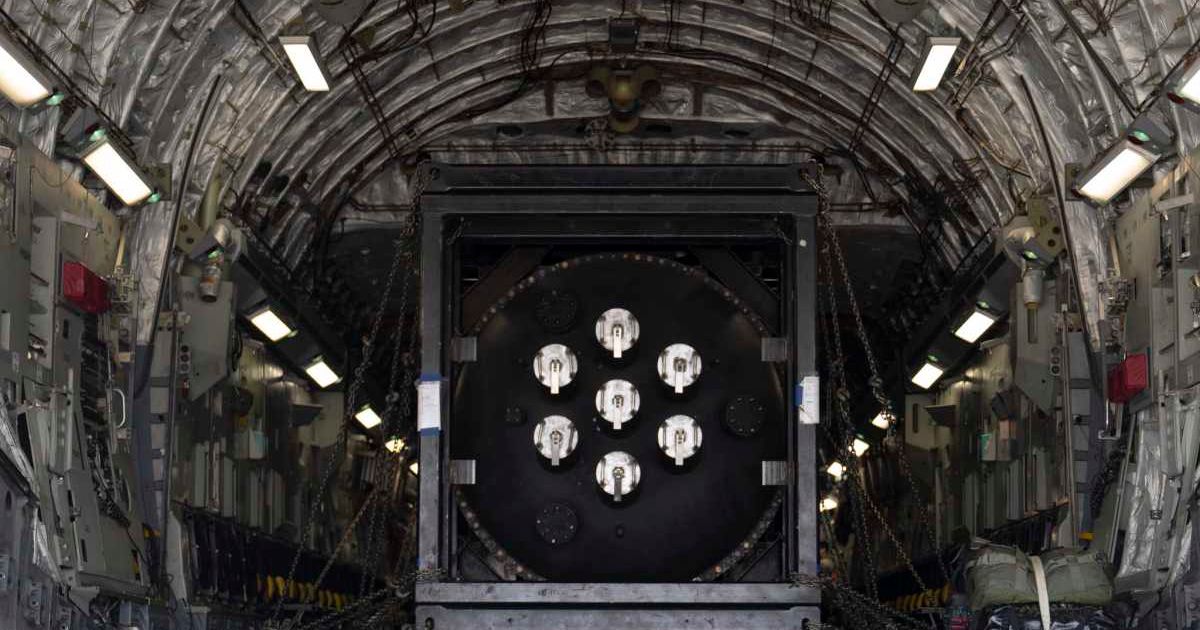
HILL AIR FORCE BASE, UT: The Department of War and the Department of Energy conducted a high-profile airlift Sunday, transporting a next-generation mobile nuclear reactor from California to Utah for testing. The C-17 aircraft from March Air Reserve Base to Hill Air Force Base, marking a key step under Trump’s Executive Order 14301.
Developed in partnership with Valar Atomics, the initiative is central to the administration’s effort to modernize US nuclear energy capabilities. Officials aim to achieve reactor criticality on US soil by July 4, 2026. The delivery of the compact prototype advances that timeline and moves the project into its evaluation phase.
Agile innovation strengthens national security
We’re advancing President Trump’s executive order on nuclear energy.
— Department of War 🇺🇸 (@DeptofWar) February 15, 2026
Moments from now, we will airlift a next-generation nuclear reactor. pic.twitter.com/qCcrnGWhAo
The mobile reactor is designed to deliver reliable, off-grid power to military installations, reducing exposure to risks associated with grid failures or external attacks. Defense officials describe it as a way to integrate commercial nuclear innovation directly into military infrastructure.
Undersecretary of War for Acquisition and Sustainment Michael Duffey said the transport reflects an “agile, innovative, and commercial-first approach” to infrastructure challenges. He emphasized the importance of modular, scalable nuclear systems capable of supporting forward-deployed forces without reliance on vulnerable supply chains.
Officials framed the project as part of a broader strategy to ensure consistent power generation for defense operations operating in contested or remote environments.
Securing American dominance in energy
WATCH: @SecretaryWright delivers remarks ahead of first ever transport of a nuclear reactor by plane 🇺🇸 pic.twitter.com/a2svEaXBUz
— U.S. Department of Energy (@ENERGY) February 15, 2026
He stated that modular nuclear deployment allows military bases to operate independently of local utilities, reducing operational vulnerabilities. The reactor will now move to the Utah San Rafael Energy Lab in Orangeville for testing and evaluation under controlled conditions.
Spencer Cox joined federal officials at Hill Air Force Base, highlighting state cooperation in hosting the reactor's evaluation phase.
Private partnership drives nuclear milestones
.@DEPTOFWAR is proudly partnering with @ENERGY to advance America's nuclear energy dominance as part of President Trump's Executive Order.
— DOW Rapid Response (@DOWResponse) February 15, 2026
Today, we are airlifting a next-generation nuclear reactor—HISTORIC! pic.twitter.com/otexjFc7I5
The collaboration with Valar Atomics reflects the administration’s reliance on public-private partnerships to accelerate advanced energy technologies. CEO Isaiah Taylor said the reactor’s compact design enables mobility and rapid deployment compared to traditional nuclear facilities.
Officials indicated that the evaluation phase will measure performance, safety standards, and deployment feasibility. Defense leaders drew parallels to earlier eras of nuclear innovation in support of military capability.
The stated objective is to enhance long-term energy resilience for U.S. defense infrastructure.
Future implications for military readiness
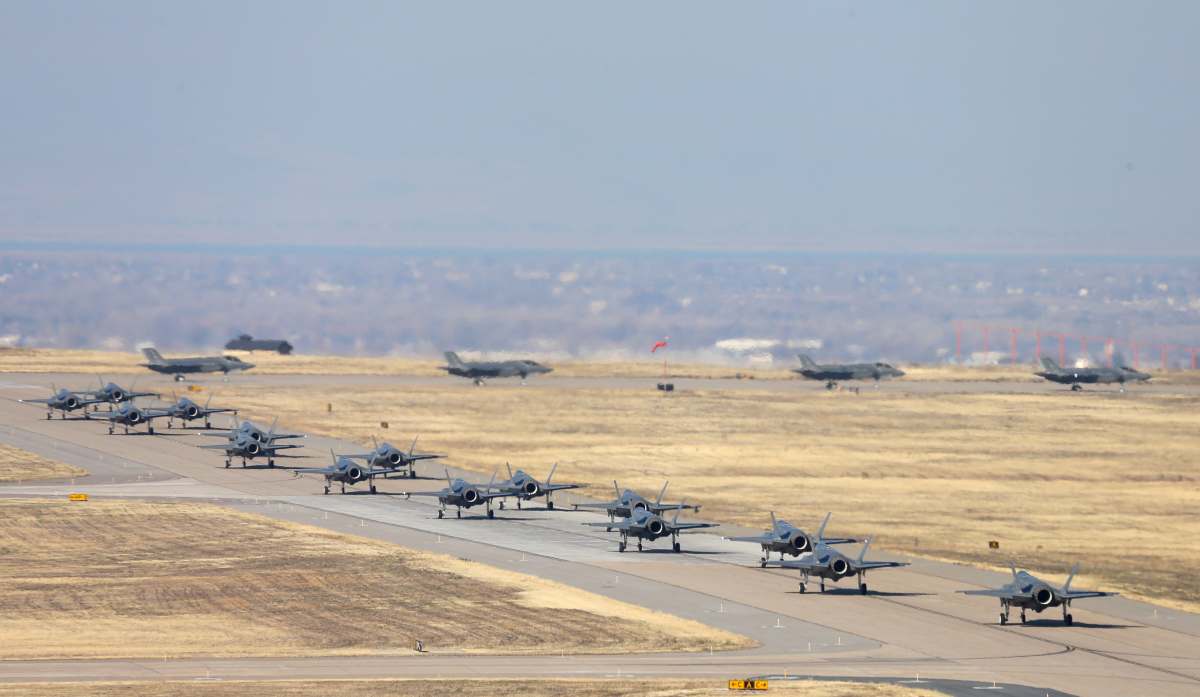
The reactor's arrival at Hill Air Force Base was livestreamed on war gov and Department of War channels. Officials described the transport as the opening phase of a broader strategy to deploy mobile nuclear systems at strategically important military locations.
Testing at the Utah San Rafael Energy Lab will assess scalability, durability, and operational performance. If benchmarks are met, the prototype could serve as a model for future installations designed to reduce reliance on local power grids.
The administration continues to cite July 4, 2026, as the target date for achieving reactor criticality on U.S. soil, positioning the milestone as central to its nuclear modernization agenda.