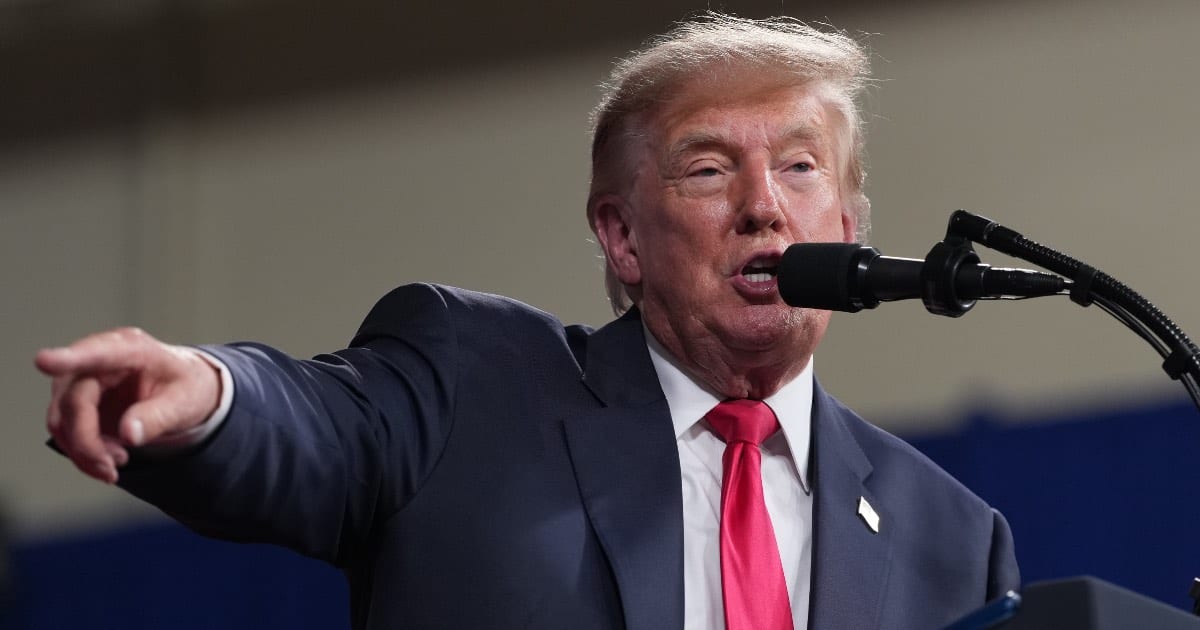
‘Nobody cares’: Trump’s sharp humor saves energy secretary struggling to recall when Einstein lived
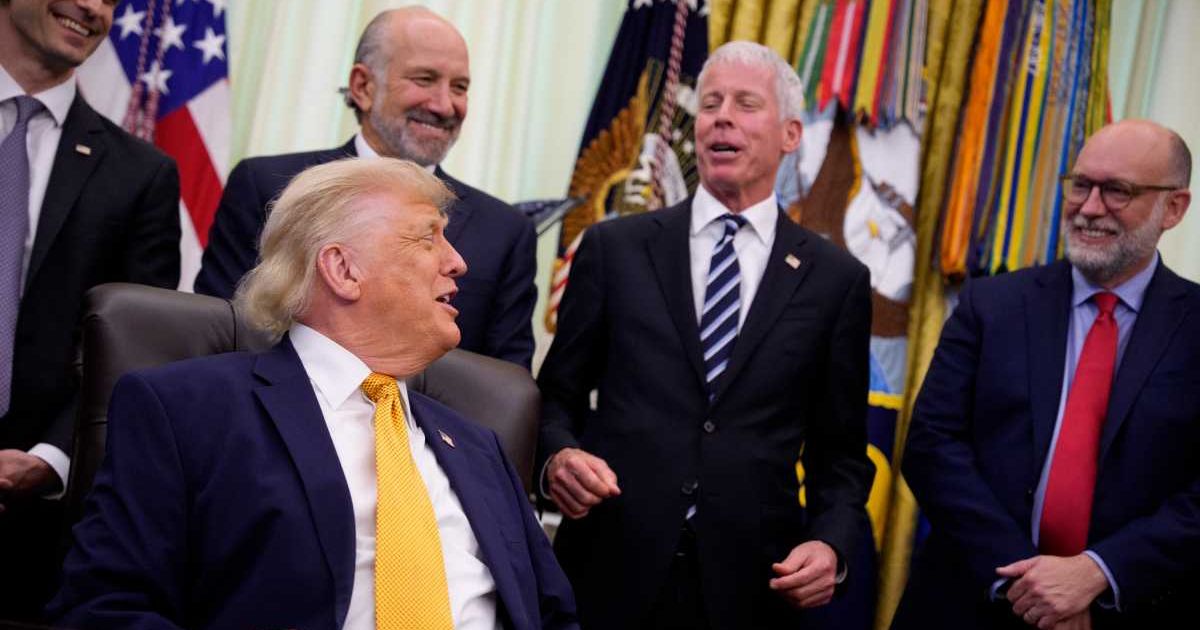
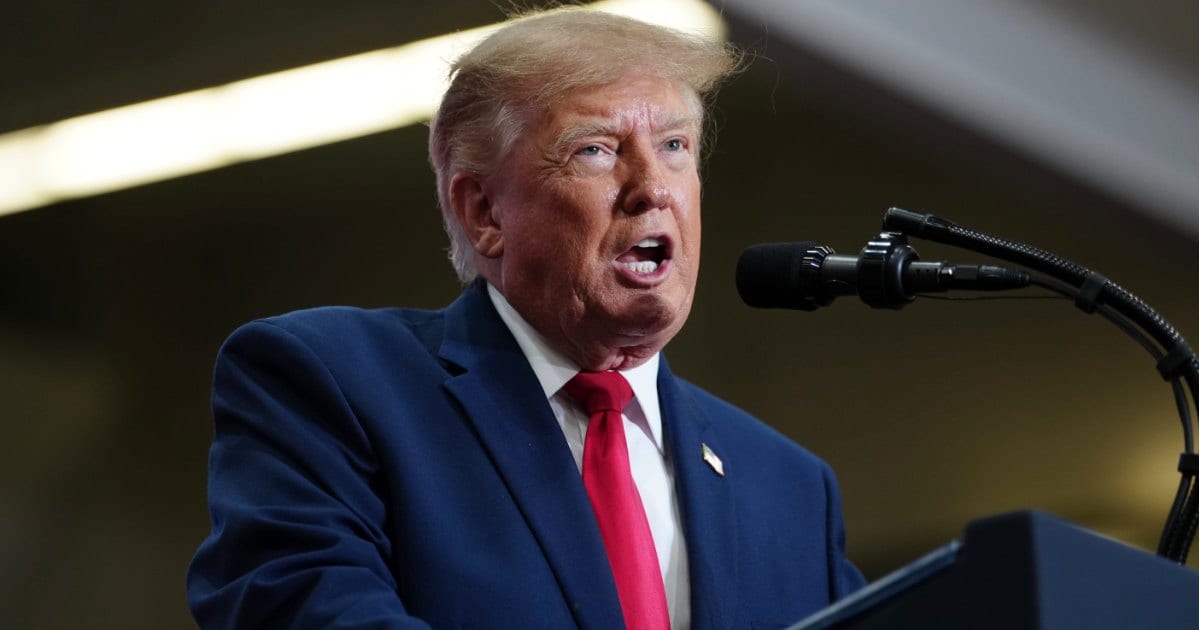
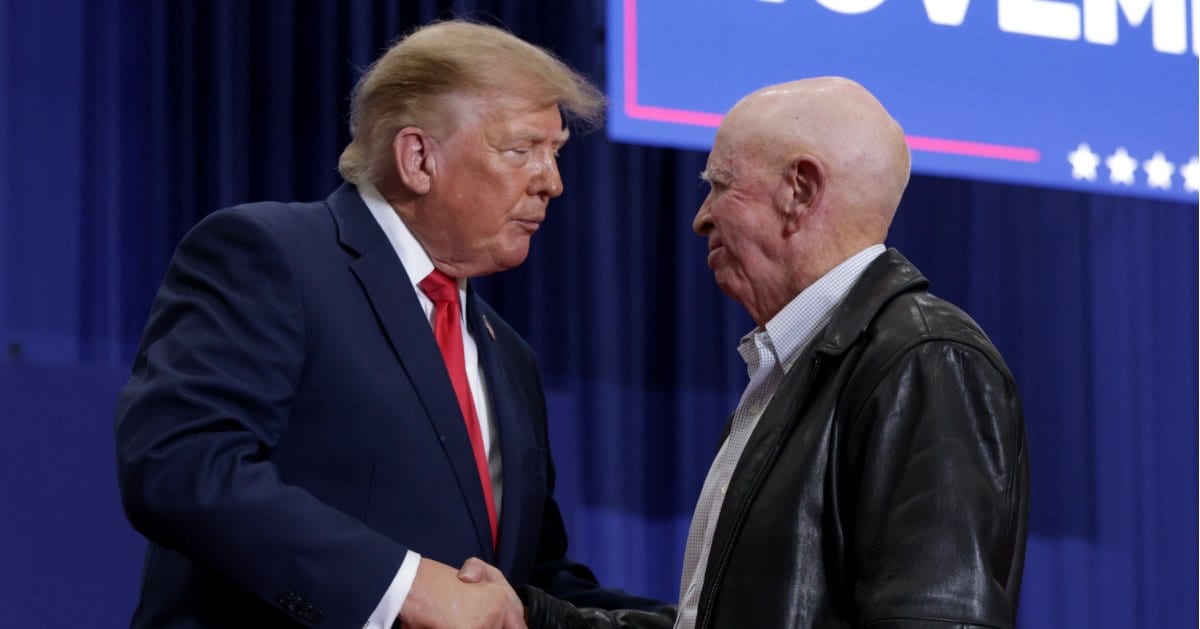
WASHINGTON, DC: President Donald Trump sparked laughter in the Oval Office after cutting off Energy Secretary Chris Wright's lengthy Albert Einstein anecdote with a blunt "nobody cares" remark during an event focused on quantum computing on Monday, June 22.
What could have turned into an uncomfortable moment instead became one of the lighter exchanges of the event, as Wright immediately laughed off the interruption, responded with "Good point. Good point!" and smoothly pivoted back to the topic before even managing to earn Trump's approval by bringing up the president's uncle, John Trump.
Wright: 121 years ago, Albert Einstein published a paper—
— Acyn (@Acyn) June 22, 2026
Trump: Nobody cares. pic.twitter.com/BNaZQllpqj
Trump interrupts Chris Wright's Einstein story during quantum computing event
Trump invited Wright to speak after signing the executive orders and praised his cabinet officials before handing over the floor.
"You've done a great job. All of you. Chris Wright, please?" he said.
Wright began explaining the scientific roots of quantum computing through a historical reference to Einstein. However, he appeared to struggle while trying to recall the timeline.
"Thank you, Mr. President. So, a hundred tw-, a hundred twenty, a hundred forty-one years ago, 141 years ago, Albert Einstein - hundred 121 years ago, Albert Einstein published a paper...," Wright said.
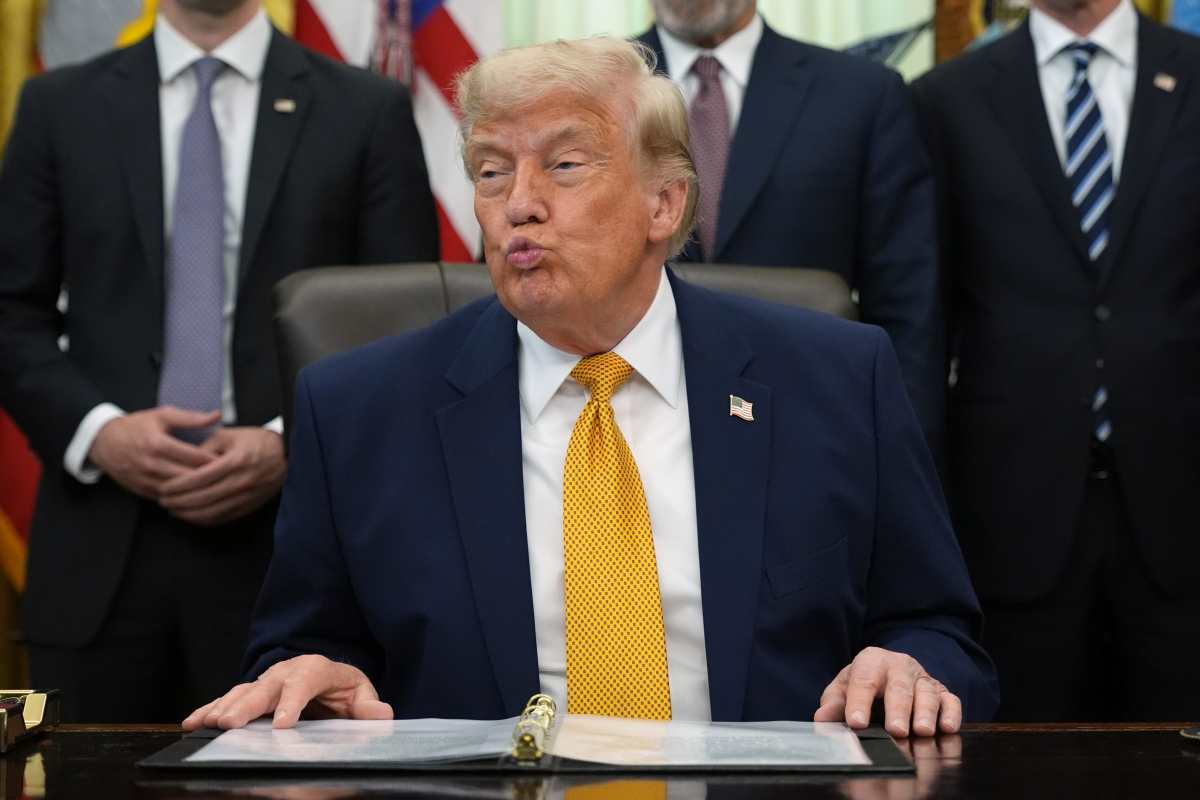
Before he could continue, Trump jumped in, "Nobody cares."
The room immediately burst into laughter.
Rather than appearing rattled, Wright quickly embraced the joke.
"Good point. Good point!" he replied.
Trump then added, "Usually, they won't care."
The brief interruption appeared to ease the tension in the room and helped Wright move past the awkward moment without dwelling on the mix-up.
Chris Wright quickly wins back the room with praise for Trump's uncle
After laughing off the interruption, Wright returned to his remarks and shifted his focus to the scientific importance of quantum research.
He explained that Einstein had published work on the photoelectric effect, helping establish the foundations of quantum physics.
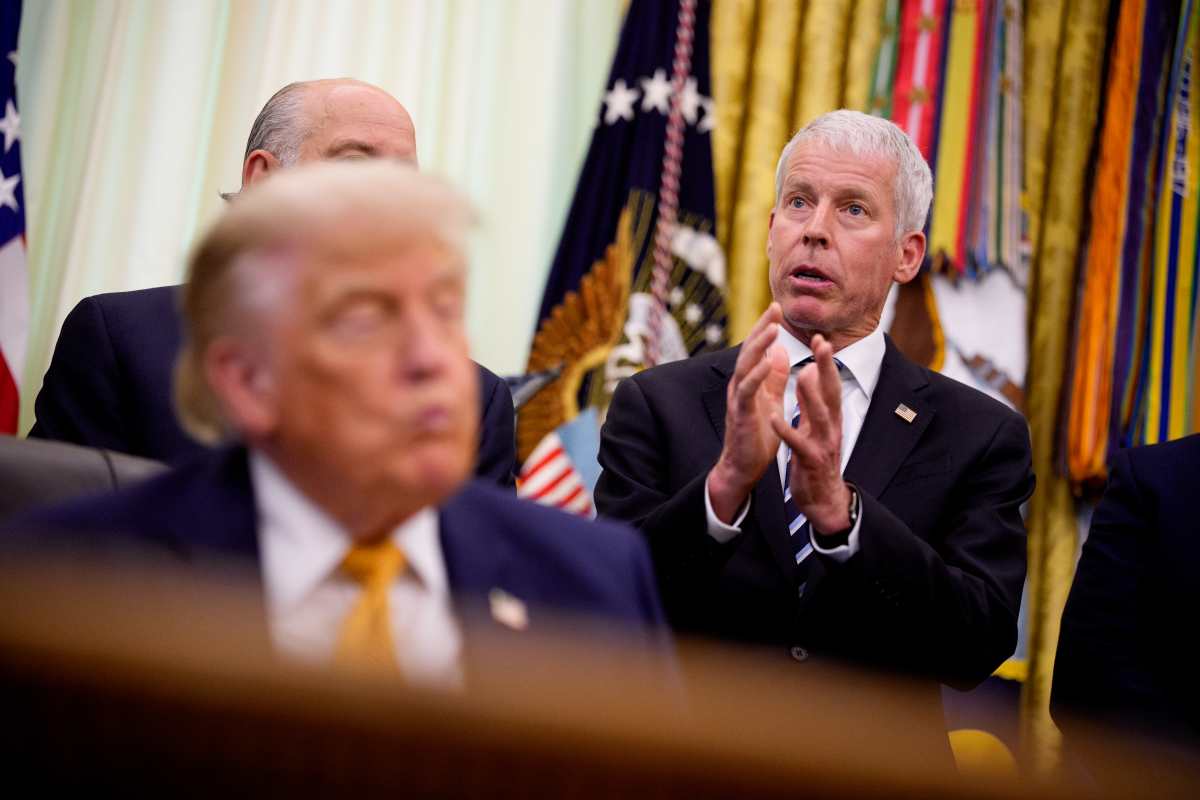
Wright then cleverly connected the discussion to Trump's family history.
"Forty years after that, President Trump's uncle, John Trump, was a pioneer in applying light radiation and the reflections of it to develop radar at the MIT Radiation Lab," he said. "Critical in D-Day. Critical, in the end, in winning World War II."
The reference appeared to land well with the president, who has frequently spoken about his uncle's scientific accomplishments over the years.
Trump signs executive orders focused on quantum computing and cybersecurity
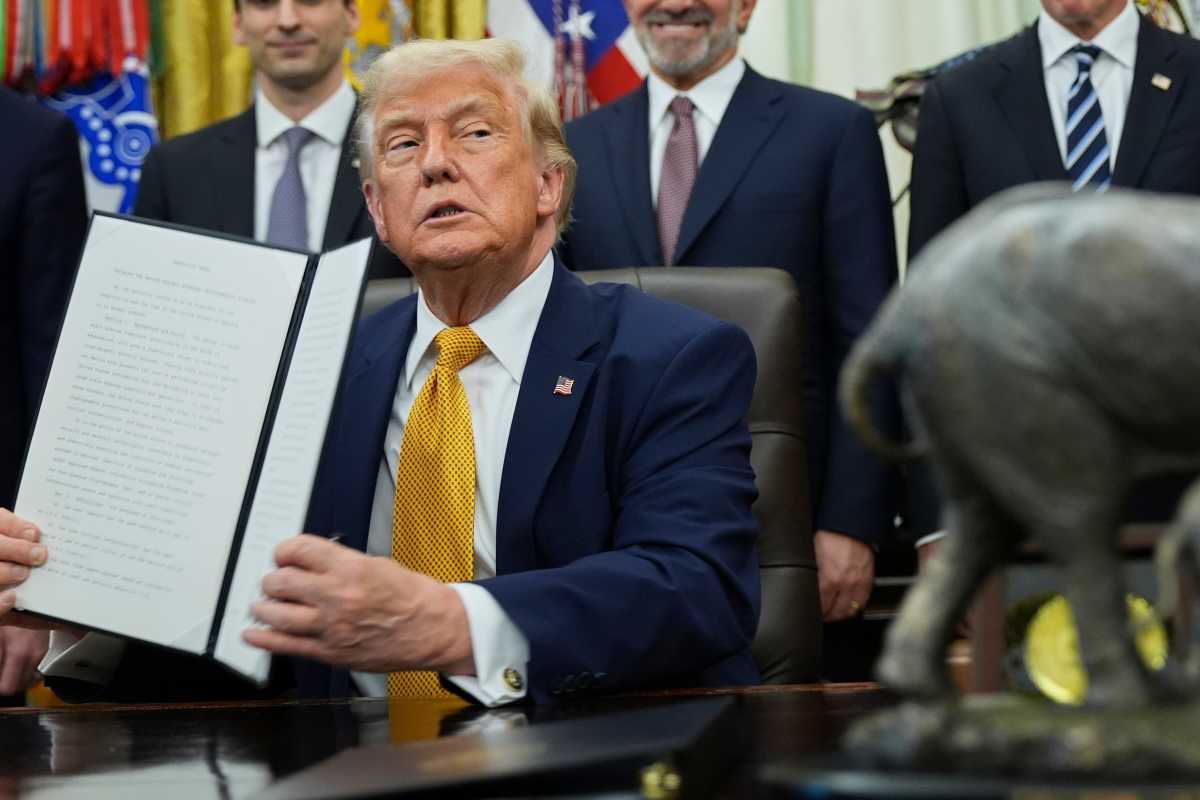
The exchange unfolded during an event for the signing of executive orders related to the future of quantum computing in the US.
One executive order directs federal agencies to work alongside universities and private-sector partners to develop a quantum computer capable of conducting scientific research by 2028. The second focuses on strengthening government computer systems against future cyber threats.
After recovering from the interruption, Wright also outlined why he believes quantum computing will become a major pillar of technological development.
"The future of computing is going to be a three-legged stool," he said.
According to Wright, those three pillars are traditional high-performance computing, artificial intelligence, and scientifically relevant quantum computing.
"This is tricky. We're not there yet. We're close. With this executive order and this coordinated effort, we will have scientifically relevant, meaning error-corrected quantum computing during this administration," he confidently expressed.