‘Not a performance enhancer’: Pentagon's testosterone plan comes with a warning
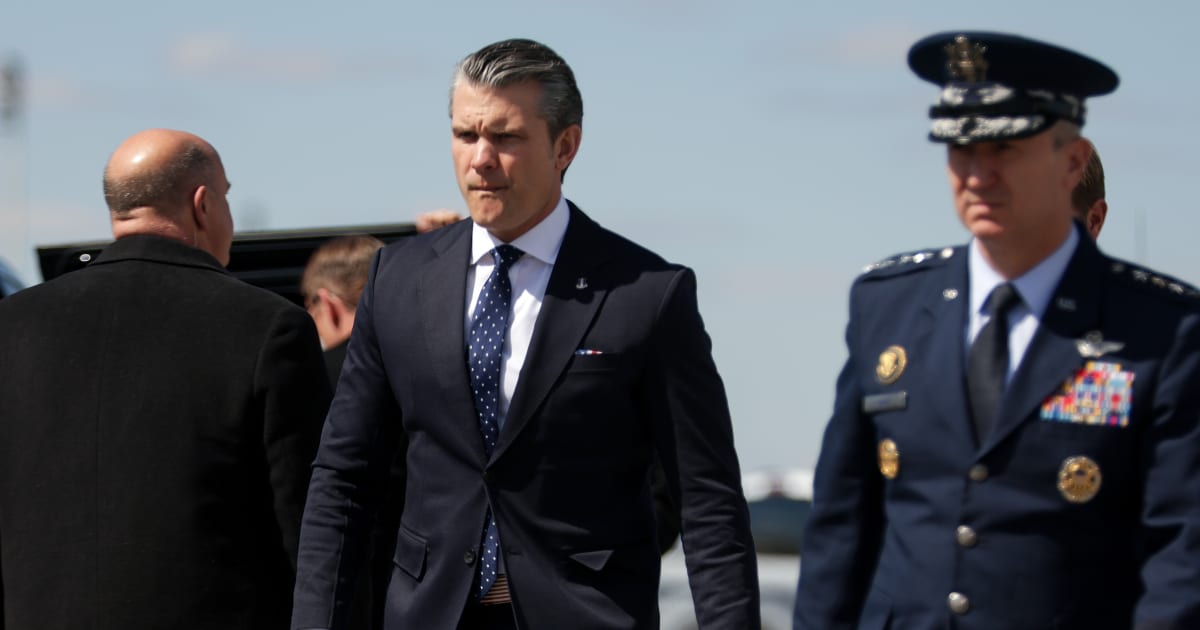
WASHINGTON, DC: The Pentagon’s republished testosterone guidance called treatment “not a performance enhancer” and said evidence does not support using it to improve energy, physical function, or cognition.
The policy requires male service members 30 and older to undergo testosterone screening, with those showing low levels offered voluntary hormone replacement therapy.
The Washington Post reported on Friday, September 18, that the Pentagon republished the guidance after briefly releasing and then rescinding an earlier version in September.

Pentagon guidance limits what treatment is supposed to do
The Pentagon said evidence does not support testosterone therapy for energy, vitality, physical function or cognition, citing a 2020 American College of Physicians guideline that recommends against starting treatment for those uses, the report said.
A patient information sheet included with the guidance also warns about fertility risks.
“Testosterone shuts down your body’s own production of sperm,” the guidance says, while noting that “most men recover after stopping” treatment, though recovery is not guaranteed.
The updated rules apply to all male service members ages 30 and older, who will be screened for testosterone deficiency when entering the military or during annual health assessments.
Service members younger than 30 can also request screening, the report cited.
Those with low testosterone will be offered voluntary hormone replacement therapy, with physicians also discussing other health risks as part of treatment, the outlet cited.
The guidance said testosterone therapy is “not a performance enhancer.”
It also said that when testosterone levels are normal, treatment is unlikely to help and may cause harm.
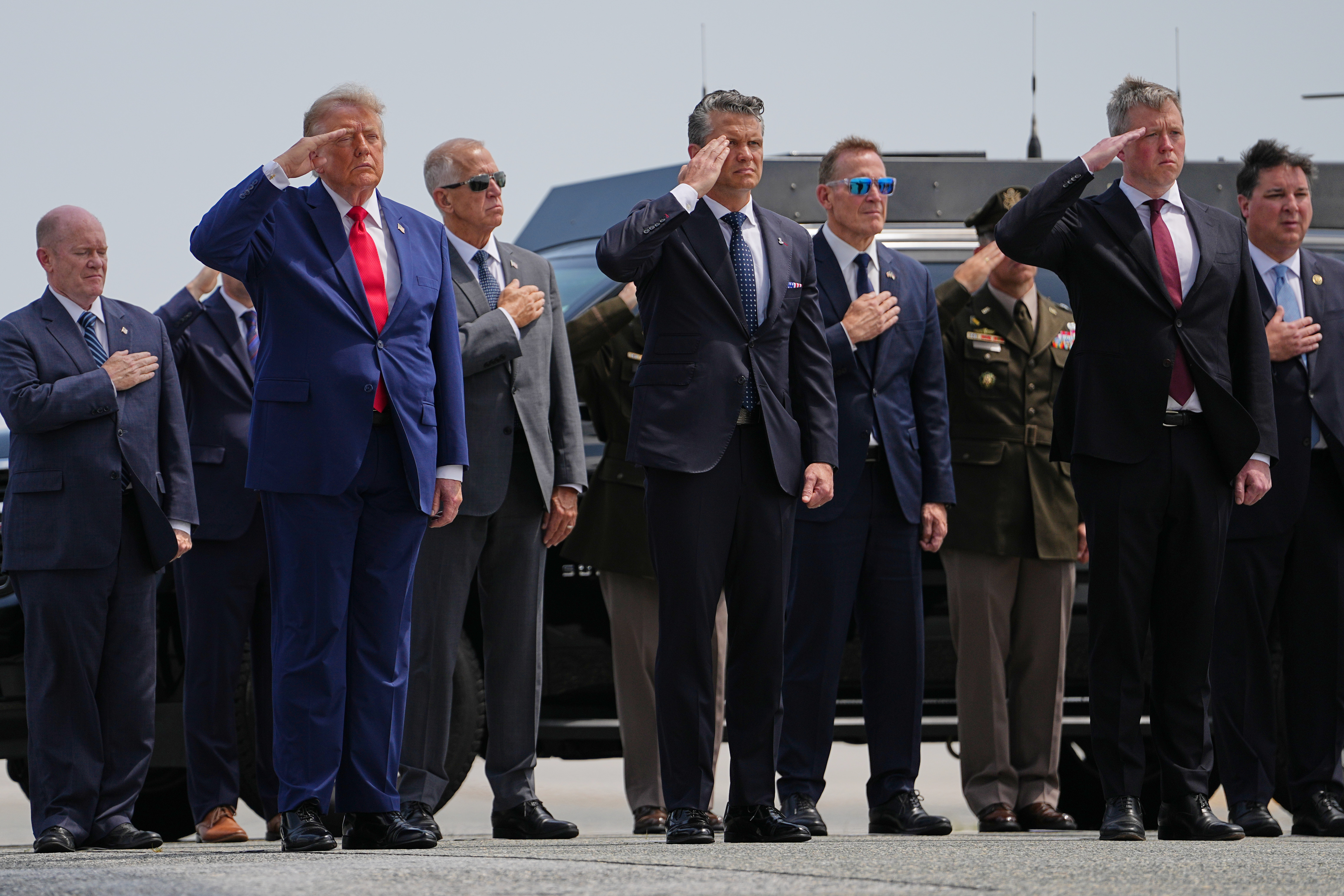
Screening rules account for military conditions
The screening process includes two tests on separate days.
The Pentagon said testing will not occur within 30 days of training involving extreme physical or mental distress or sleep deprivation, or during illness, as per the report.
Symptoms and risk factors, including obesity and Type 2 diabetes, will also be considered.
The guidance acknowledges that symptoms linked to low testosterone “overlap substantially” with effects from sleep restriction, calorie deficits, and mood disorders.
Pentagon spokesman Sean Parnell said on Thursday that the department was investing in “the health of its warfighters” by “proactively identifying and treating suboptimal hormone levels.”

The policy was announced by Defense Secretary Pete Hegseth in July as part of a broader focus on military fitness.
In a July video titled 'The High-T Department of War', Hegseth said, “our most decisive tactical advantage will always be the individual warfighter.”
Female troops remain outside the updated rules
Hegseth’s original announcement did not distinguish between male and female service members, but the republished guidance applies only to men, according to the report.
It said screening and treatment for female service members will be addressed later.
The Pentagon declined to tell the outlet when clinical guidelines for female service members would be released.
It also did not say whether troops who failed fitness tests and had low testosterone could retake those tests after treatment.
The testosterone screening policy drew questions from physicians and researchers cited by the newspaper.

They said it was wrong to assume higher testosterone necessarily means better strength or health and noted there is no consensus that testosterone improves longevity.
Experts also said testosterone levels can fluctuate, complicating screening, and that hormone replacement therapy can affect sperm production in men.
The new guidance said testosterone therapy has benefits for sexual function and bone mineral density, as per the report.
But it said evidence does not support using it to improve energy, vitality, physical function or cognition, it added.