Obama contrasts Iran diplomacy with Trump crisis: ‘We pulled it off without firing a missile’
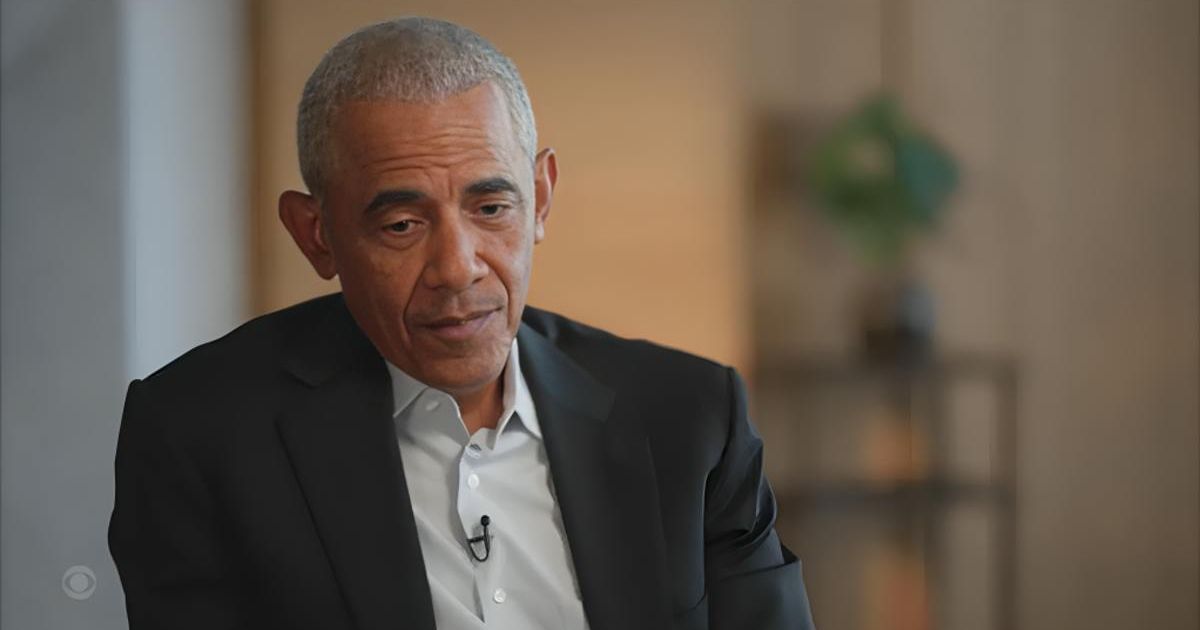
CHICAGO, ILLINOIS: Former President Barack Obama defended his administration’s Iran nuclear negotiations, arguing that diplomacy helped prevent escalation with Tehran while avoiding military conflict. His remarks come as renewed US-Iran tensions have again placed the 2015 nuclear deal back in political focus.
Obama made the comments during a conversation with Stephen Colbert tied to the Obama Presidential Center in Chicago, where he reflected on the years of negotiations that led to the Joint Comprehensive Plan of Action (JCPOA). The agreement was designed to limit Iran’s nuclear program in exchange for sanctions relief and strict international monitoring.
His remarks have resurfaced as the United States faces fresh tensions involving Iran under President Donald Trump’s leadership.
President Obama on Iran: “We pulled it off without firing a missile. We got 97% of their enriched uranium out. There’s no dispute that it worked and we didn’t have to kill a whole bunch of people or shut down the Strait of Hormuz” pic.twitter.com/ELRAVFwW7y
— Marco Foster (@MarcoFoster_) May 13, 2026
Barack Obama defends Iran nuclear deal as diplomatic success
Obama said the goal of his administration was to stop Iran from developing a nuclear weapon while avoiding a military confrontation that could destabilize the region.
“We went about trying to negotiate a diplomatic agreement that would get the enriched uranium out of Iran, that would assure they could not get to a nuclear weapon without us knowing about it…and that there were mechanisms in place to enforce it and verify it,” Obama told Colbert.
“And we pulled it off without firing a missile,” he added.
He said military action was considered but viewed as a last resort due to the risk of civilian casualties and wider regional fallout. Obama also argued that Iran, while hostile in many ways, still operated with a survival instinct that made negotiations possible.

“My basic theory was that Iran couldn’t become a nuclear state, that the regime itself was murderous, oftentimes towards its own people, engaged in state-sponsored terrorism, was a threat to the United States and allies of ours, so the idea that they would have nuclear weapons would be extraordinarily dangerous,” he said.
“What I also believed was that the regime was not entirely irrational, that they had a survival instinct, and that when you carry out the military force, innocent people die,” he continued.
Obama said the negotiations were lengthy and complex but ultimately succeeded in placing strict limits on Iran’s nuclear program while opening it to international inspections.
Iran nuclear deal returns to spotlight amid Trump tensions
Obama’s comments have resurfaced as President Donald Trump faces renewed pressure amid escalating tensions involving Iran. The JCPOA, implemented in 2016, required Iran to significantly reduce its enriched uranium stockpile under international oversight.
“There’s no dispute that it worked, and we didn’t, we didn’t have to kill a whole bunch of people or shut down the Strait of Hormuz,” Obama said.
The agreement later became one of the most divisive foreign policy decisions in recent US history after Trump withdrew the United States from the deal in 2018, calling it a “horrible, one-sided deal.”
Following the US exit, European allies attempted to preserve the agreement, but Iran gradually expanded its nuclear activities, increasing enrichment levels beyond earlier limits.
Trump pushes for tougher Iran nuclear agreement
Trump has maintained that Iran must never be allowed to develop nuclear weapons capability and has repeatedly argued he could secure a stronger agreement than the Obama-era deal.
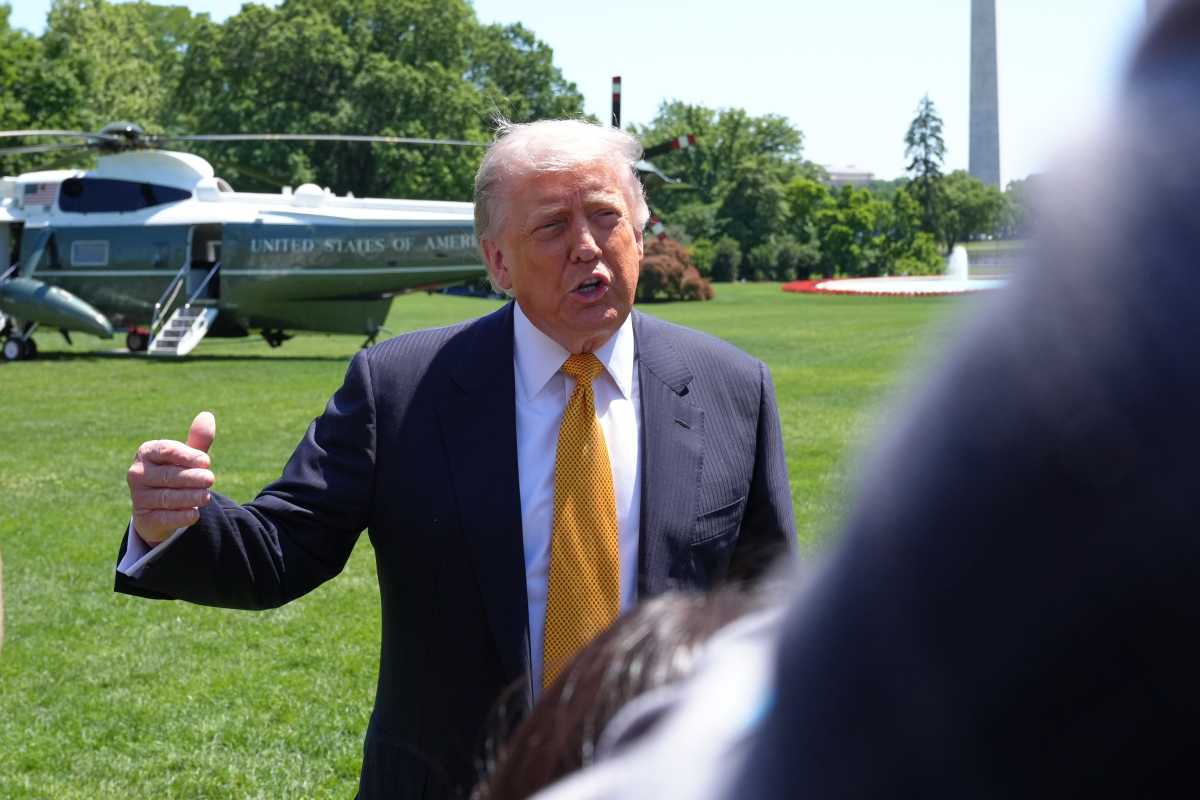
“If a Deal happens under ‘TRUMP,’ it will guarantee Peace, Security, and Safety, not only for Israel and the Middle East, but for Europe, America, and everywhere else,” he wrote on Truth Social earlier this year.
He added that any future agreement would correct what he described as failures of previous diplomatic efforts.
Meanwhile, tensions between Washington and Tehran continue to escalate following recent exchanges of fire, further straining an already fragile situation. Diplomatic channels remain active, with intermediaries working to prevent further escalation.