Obama makes surprising claim that today's federal government is 'less corrupt' than ever before
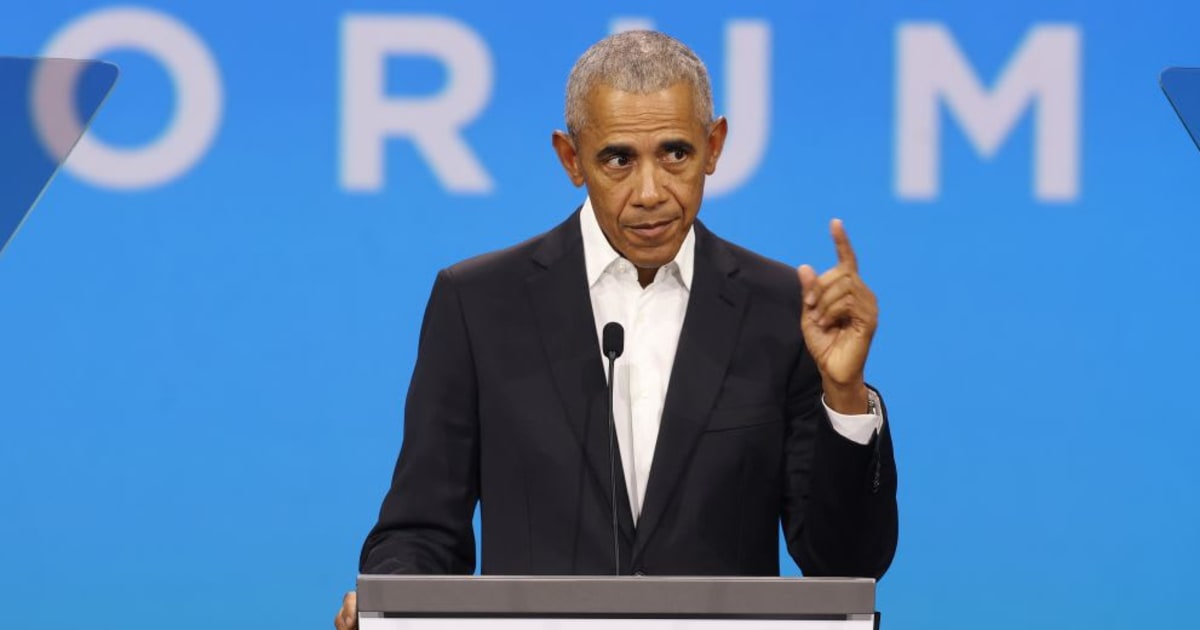
WASHINGTON, DC: Former President Barack Obama kicked off his new literary podcast with a surprising take on American politics.
In a clip from the third episode of ‘A Great Book with Barack Obama’, he argued that corruption in Washington isn’t what it used to be; it has actually dropped a lot compared to past decades. The six-episode Audible series, which debuted on Thursday, September 24, sees Obama conversing with a range of well-known guests about books that shaped the way he sees the world.
Obama shares take on current federal government
“People are always surprised when I tell them the federal government is so much less corrupt than probably it’s ever been, in terms of just pure bribes, or patronage or favors,” the former presdient said in a preview clip exclusively obtained by ITK from his new podcast, 'A Great Book with Barack Obama'.
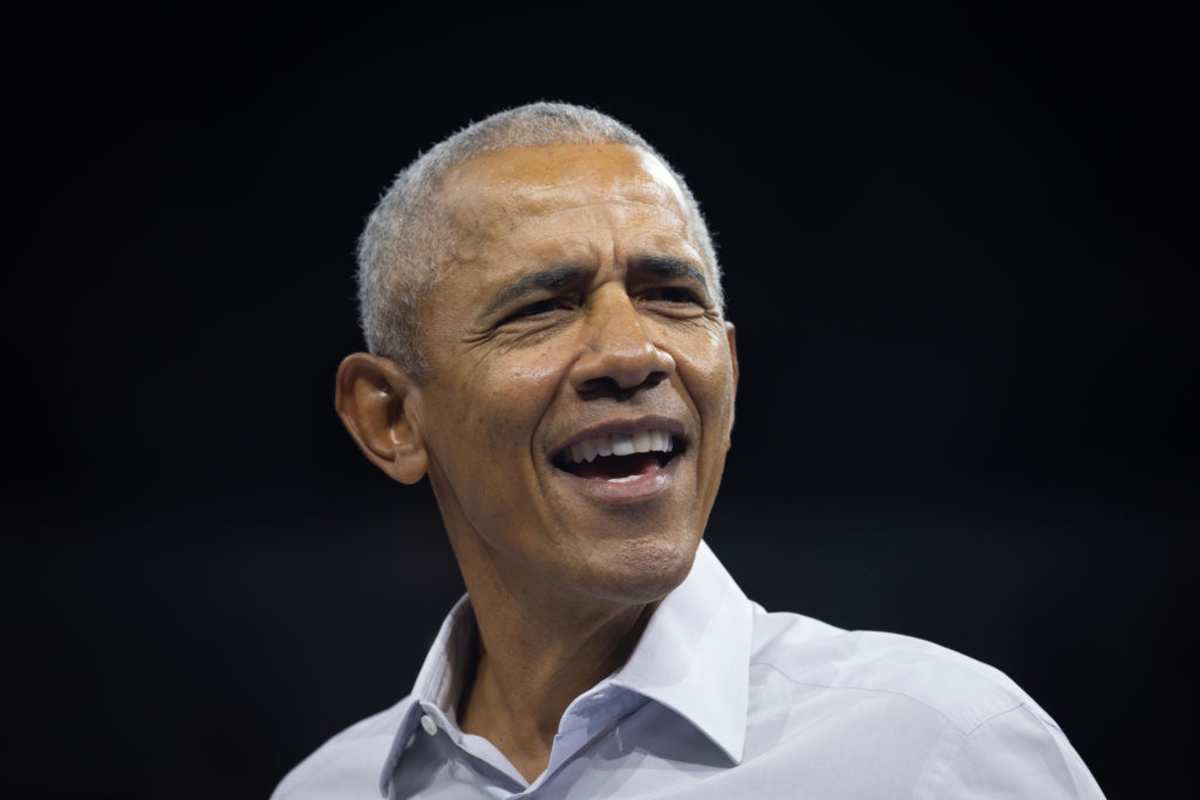
He made the remark during a conversation with Pulitzer Prize-winning historian Jill Lepore about Robert Penn Warren's 1946 novel 'All the King's Men', which follows a fictional farmer-turned-populist governor’s rise and eventual downfall amid political corruption in the South.
Obama and Jill Lepore discuss how reform reshaped political dealmaking
He connected the themes in the novel at hand to his own political life, looking back at the days when political machines depended on deal-making and favors to operate.
According to Obama, those old-school transactional relationships don’t dominate government like they once did.

“It was interesting, as I was coming up through the state legislature and then Congress and the presidency, you mentioned Lyndon Johnson, part of the reason that kind of cornering folks and hustling them for votes worked, it wasn’t just physical intimidation. It was like, ‘What do you need?'” Obama told Lepore while discussing Warren's book.
“Part of what was interesting is that a lot of reforms that we think of as positive, pre-Watergate, post-Watergate, eliminated or greatly reduced the possibilities of maintaining those old political machines and trading votes and doing favors,” the 65-year-old said.
“And it’s part of the reason why things got a little harder to get done because that was sort of some lubrication in a lot of Congress to help to bridge some of the ideological differences that were out there and get people to vote for things that weren’t that comfortable,” Obama added.
The Democrat argued that post-Watergate reforms, while broadly positive, also eliminated some of the informal dealmaking that once helped bridge ideological divides in Congress.

Lepore largely agreed with Obama's framing while cautioning against romanticizing the old system.
“I think there’s a degree to which that kind of political machine, I don’t mean to whitewash it in any way, but was kind of crucial to civil society,” he said.