‘Of course I do!’ JD Vance responds to NYT report on his calls to US commanders over Iran war
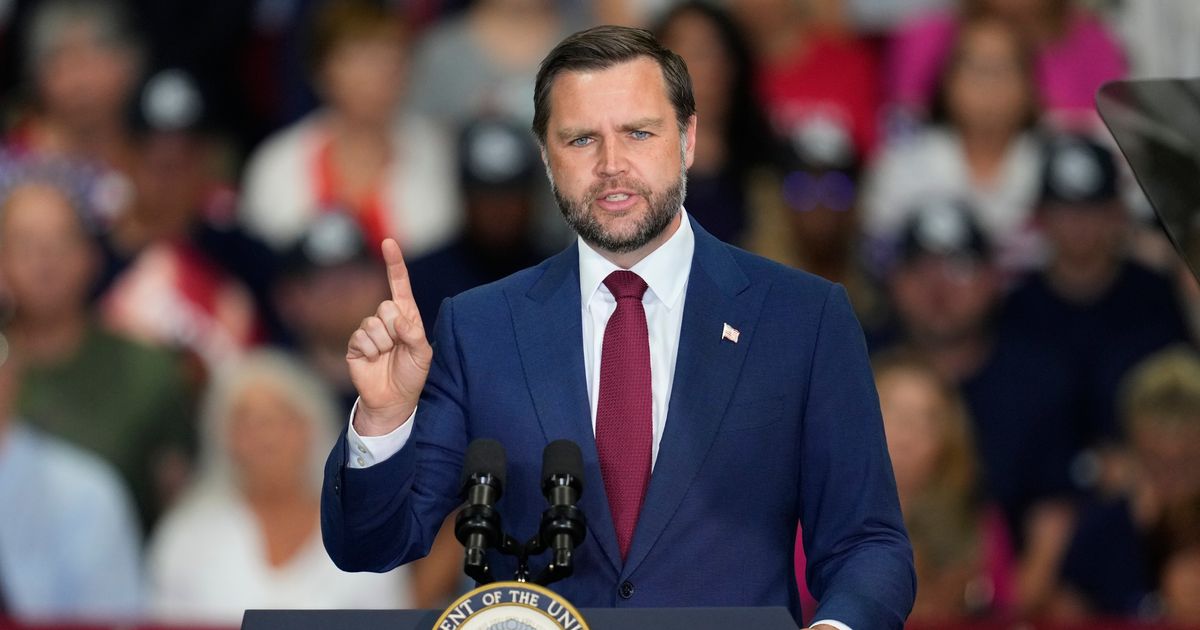
WASHINGTON, DC: Vice President JD Vance has confirmed reports that he has been calling US military commanders overseas to get their direct assessment of the Iran war.
In a recent interview, when asked about the reports, Vance shrugged them off instead of denying them.
When asked if he trusted the information he was getting from official Pentagon channels and if he had been contacting commanders in the Middle East directly for their unvarnished opinions of the situation on the ground, Vance did not hesitate to confirm the practice.

JD Vance confirms direct calls to military commanders
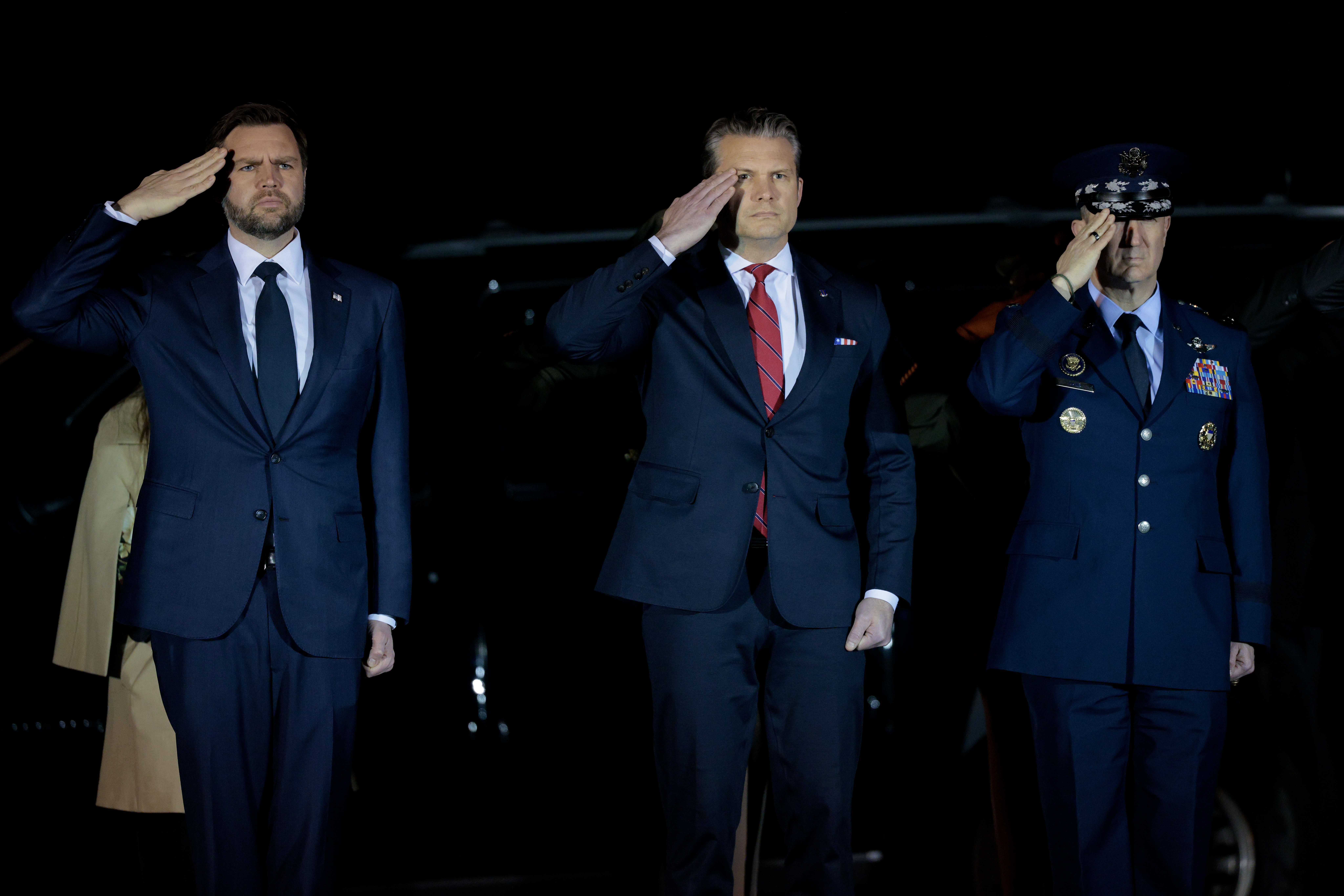
The exchange comes after a New York Times investigation found that Vance had directly called military commanders across the Middle East, Europe, and Asia over the spring and summer.
He sought their individual, unfiltered assessments of the war before they were combined into an official Pentagon position, according to the report.
Vance is said to have pressed them on the war's objectives, tactics, casualty estimates, and what remained in their weapons stockpiles, including how the transfer of munitions to the Middle East might affect their ability to deter China, Russia, and North Korea, the report added.
Commanders said their stocks of Patriot interceptors and other key munitions had fallen to the lowest levels they had ever seen, the report added.
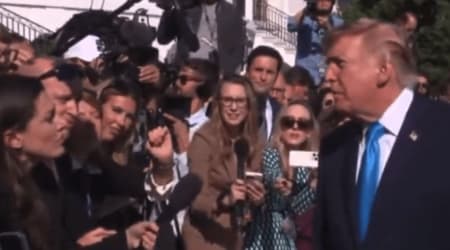
When asked at a Monday press gaggle if he trusted the information he was receiving from the Pentagon, with a reporter citing last week's New York Times story, Vance didn't hesitate to confirm that the calls took place.
"I found that story very weird," Vance said. "It's like 'the vice president calls around to admirals and generals to try to understand America's foreign policy. ' Of course, I do."
He added that he trusts Defense Secretary Pete Hegseth and Joint Chiefs Chairman Gen Dan Caine.
JD Vance’s private Iran briefings contrast public statements
Vance apparently left some conversations with legitimate worries about what he learned about how much Tehran is willing to endure to maintain its government.
He conveyed those concerns to Trump and his allies, according to the report, which has three bylines, including Maggie Haberman, who previously wrote a story about Vance in June.
She noted that he was the only person in Trump's Cabinet who "vocally took issue" with the war and "thought that forcing a regime change through conflict would be a disaster."
Also, Vance has continued to publicly minimize the scope of the conflict while at the same time quietly gathering this intelligence, stating last month, "I wouldn't call it a war. Right now, there is no active shooting."
His willingness to admit the calls without qualification is a break from the presidential campaign, when he refused to discuss his private advice to Trump on the decision to take military action in the first place.
At the time, he told reporters, "I hate to disappoint you, but I'm not going to show up here in front of God and everybody else and tell you exactly what I said in that classified room."