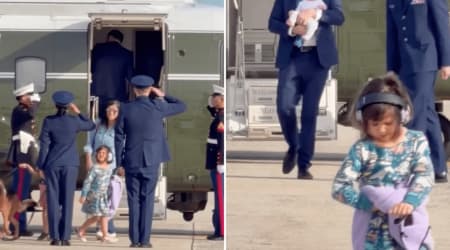
Pentagon knew survivors reboarded alleged drug boat post strike and were 'still in the fight'
ABC’s Martha Raddatz on Wednesday’s ‘World News Tonight’ about drug boat-gate: “And tonight, new information: According to a source familiar with the incident, the two survivors climbed back on to the boat after the initial strike. They were believed to be potentially in… pic.twitter.com/R5eHFzzDql
— Curtis Houck (@CurtisHouck) December 4, 2025
WASHINGTON, DC: New details have emerged about the controversial September 2, 2025 strike by US military forces on a boat accused of d**g smuggling.
The strike and a follow‑up second strike resulted in the deaths of two survivors, raising fresh legal and political questions about the operation.
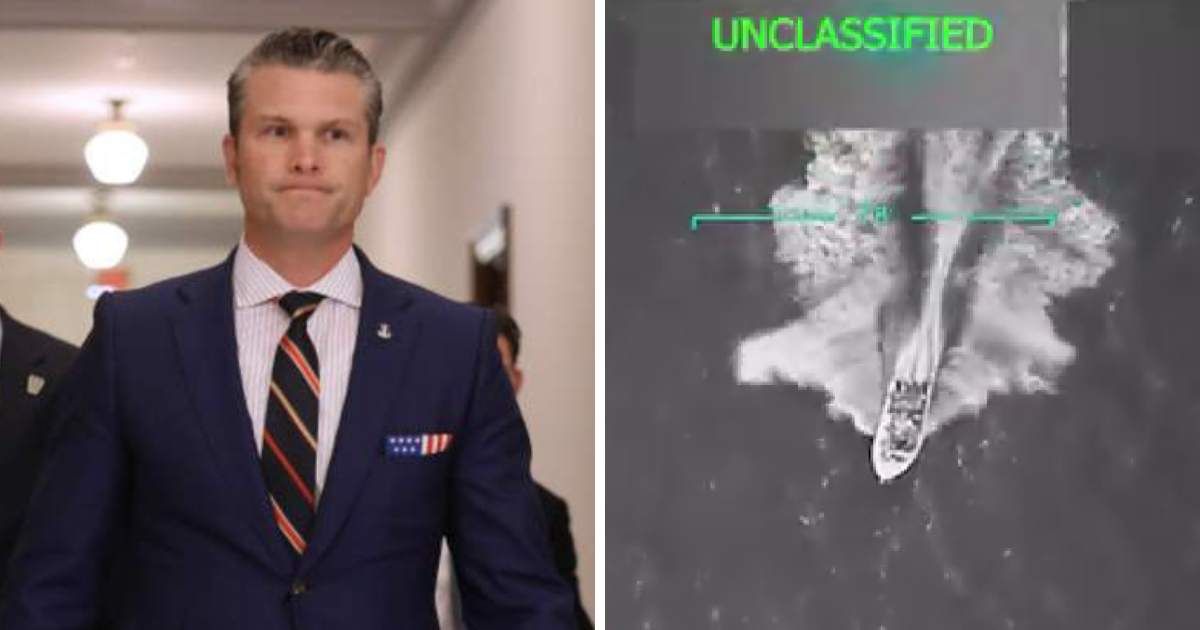
Second strike on alleged Tren de Aragua boat
According to a source familiar with the incident, the initial strike on the boat, allegedly belonging to the cartel group Tren de Aragua, was the first US military airstrike targeting an alleged cartel boat under the current campaign.
“An initial strike on the boat left two survivors who were later seen climbing back onto the boat,” the source said.
Those survivors were believed to be communicating with nearby vessels and salvaging some of the drugs from the boat’s cargo.
Earlier this morning, on my Orders, U.S. Military Forces conducted a kinetic strike against positively identified Tren de Aragua Narcoterrorists in the SOUTHCOM area of responsibility. TDA is a designated Foreign Terrorist Organization, operating under the control of Nicolas… pic.twitter.com/2bEDDiZsRl
— Commentary: Trump Truth Social Posts On X (@TrumpTruthOnX) September 2, 2025
Because of these actions, they were considered “still in the fight” and determined to be valid targets, the source explained.
As a result, US forces carried out a second strike on the boat, resulting in the deaths of the two survivors.
The operation reportedly followed contingency plans the Pentagon had developed in advance for handling survivors after strikes on suspected smuggling vessels.
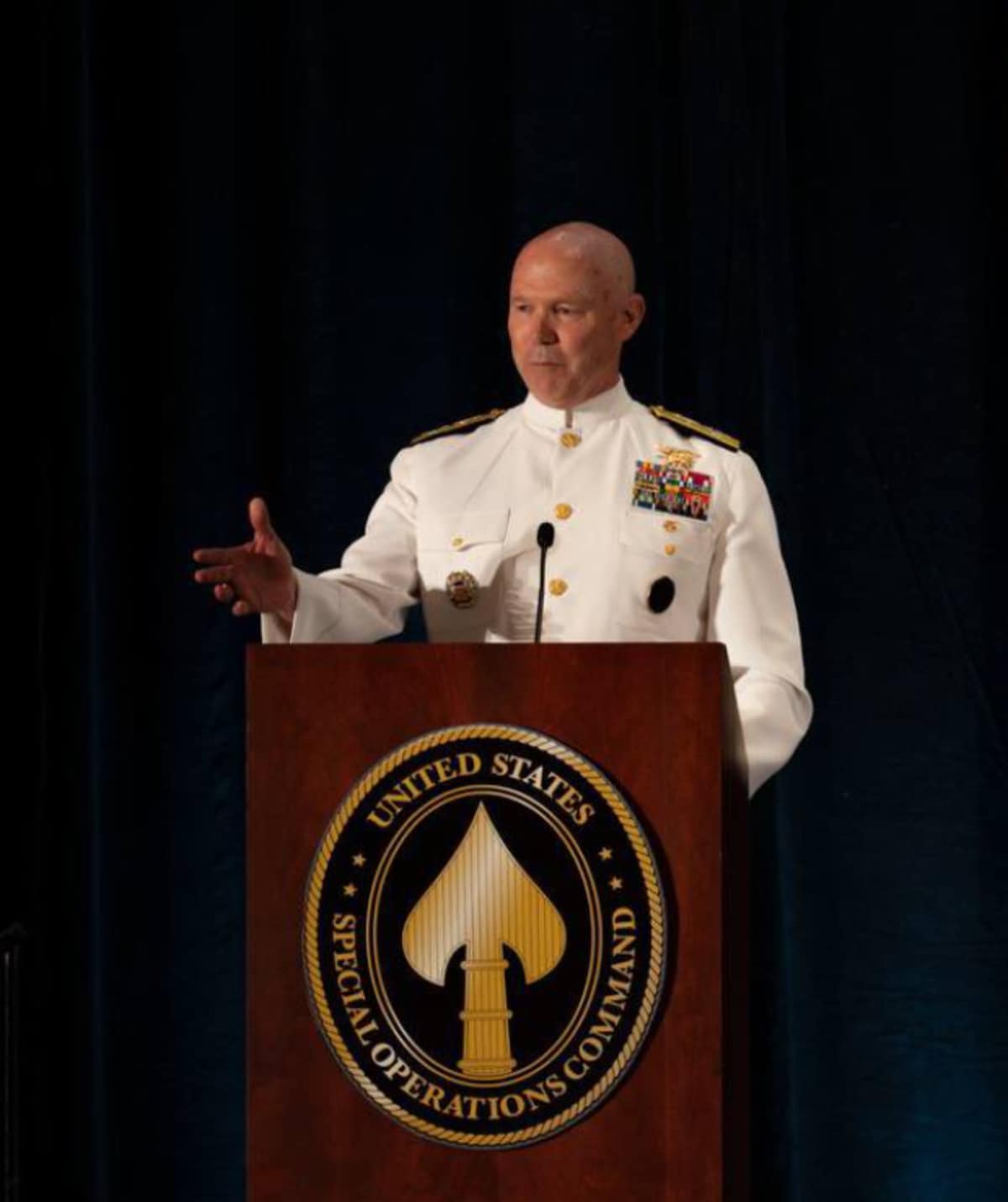
Pete Hegseth and Admiral Frank Bradley
The second strike was conducted under the operational control of Frank “Mitch” Bradley, according to the administration. At the time of the strike, Bradley was commander of Joint Special Operations Command (JSOC) and later assumed command of US Special Operations Command (SOCOM) the following month.
A military lawyer was present with Bradley throughout the operation to provide legal advice, ensuring the actions were legally authorized.
The second strike, killing individuals who survived the initial attack, has drawn criticism from some members of Congress. Critics argue it may have constituted a war crime, citing potential violations of international law protecting enemy combatants no longer engaged in hostilities, as well as maritime law regarding rescue of shipwrecked persons at sea.
The disclosure comes ahead of Bradley’s scheduled briefing to senior congressional leaders behind closed doors about the controversial second strike.
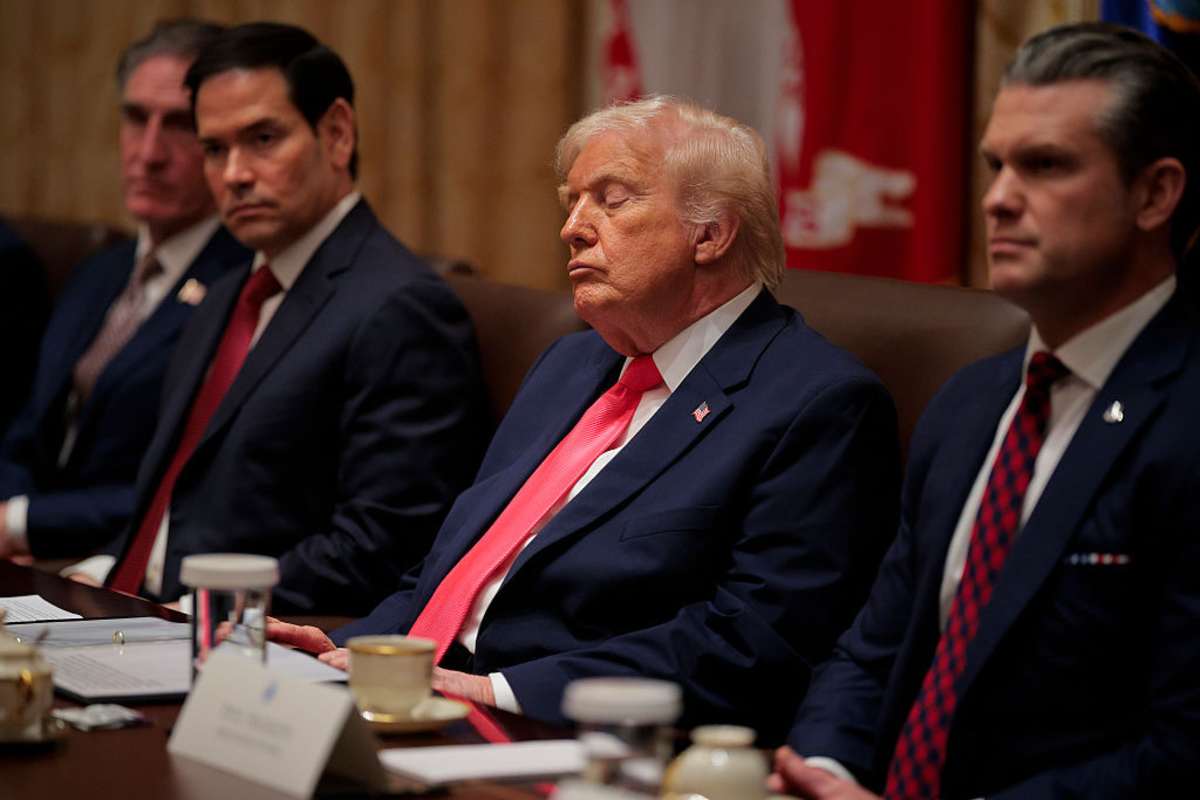
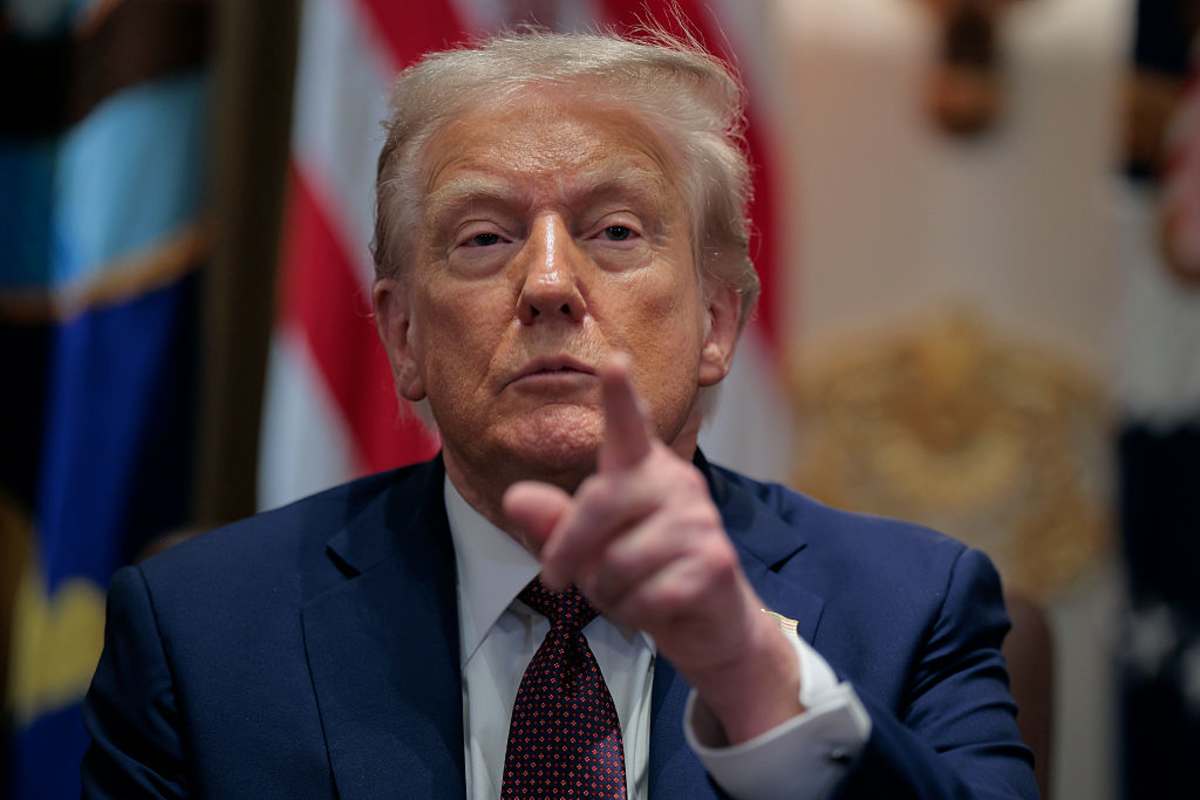
In public remarks following the revelations, Defense Secretary Pete Hegseth said Bradley was authorized to carry out the second strike under prior orders. President Donald Trump said he would support releasing military video of the incident, stating, “Whatever they have we’d certainly release, no problem.”

Hegseth said he had seen a live feed of the operation but did not personally witness the second strike. When he learned of it later, he said the boat had been sunk and “the threat was eliminated.” He defended Bradley’s decision, saying, “we have his back.”