Pentagon puts dozens of top military officials through polygraph tests to find leakers: Reports
WASHINGTON, DC: The Pentagon reportedly subjected roughly 50 members of the senior military and civilian officials to polygraph tests this summer as part of an investigation into leaks of classified information, according to a report by the New York Times.
The testing included officials from the Joint Staff and some combatant commands and focused in part on reports about declining US stocks of advanced munitions during the war with Iran.
Polygraphs focused on Iran war and classified weapons information
According to the report, the tests were conducted in August after multiple news reports detailed shortages of critical US munitions, including long-range missiles and Patriot interceptors. Investigators specifically questioned Joint Staff personnel about whether they had provided journalists with classified information concerning the decline in weapons stocks.
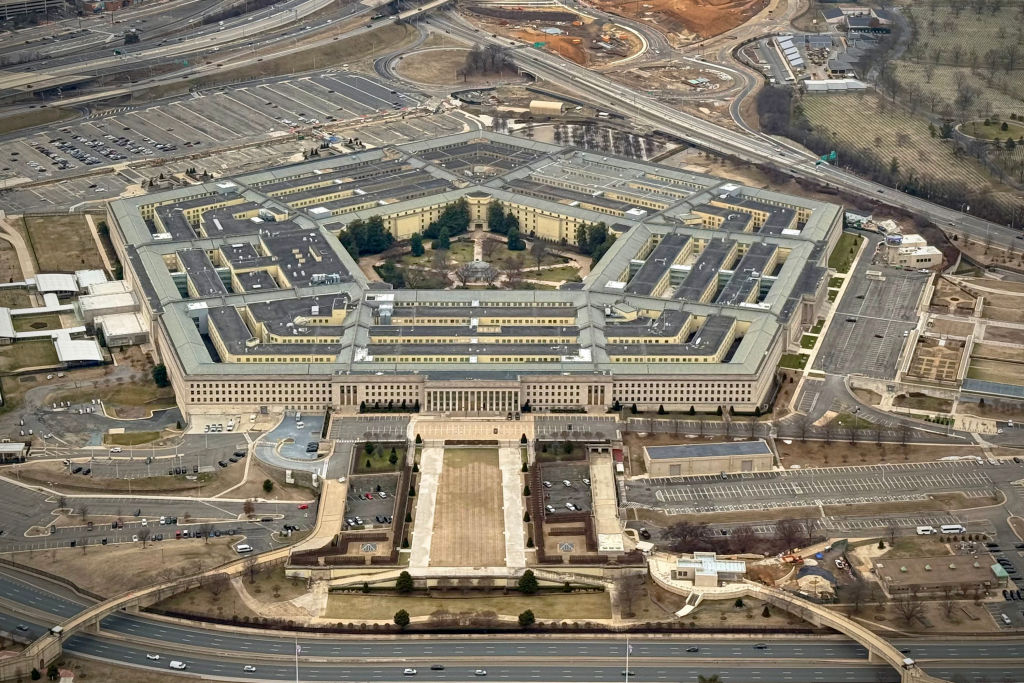
The Joint Staff includes between 1,500 and 2,000 military officers and civilian officials and is responsible for coordinating military operations, policies, and war plans with combatant commands worldwide.
𝐇𝐄𝐆𝐒𝐄𝐓𝐇’𝐒 𝐏𝐄𝐍𝐓𝐀𝐆𝐎𝐍 𝐏𝐎𝐋𝐘𝐆𝐑𝐀𝐏𝐇𝐒 𝟓𝟎 𝐒𝐓𝐀𝐅𝐅 𝐎𝐅𝐅𝐈𝐂𝐄𝐑𝐒 𝐇𝐔𝐍𝐓𝐈𝐍𝐆 𝐓𝐇𝐄 𝐋𝐄𝐀𝐊𝐄𝐑 𝐖𝐇𝐎 𝐓𝐎𝐋𝐃 𝐑𝐄𝐏𝐎𝐑𝐓𝐄𝐑𝐒 𝐀𝐁𝐎𝐔𝐓 𝐈𝐑𝐀𝐍-𝐖𝐀𝐑 𝐌𝐔𝐍𝐈𝐓𝐈𝐎𝐍𝐒 𝐒𝐇𝐎𝐑𝐓𝐀𝐆𝐄𝐒
— M.A. Rothman (@MichaelARothman) September 5, 2026
Roughly 𝟓𝟎 𝐦𝐞𝐦𝐛𝐞𝐫𝐬 𝐨𝐟 𝐭𝐡𝐞 𝐉𝐨𝐢𝐧𝐭… pic.twitter.com/N0AYORdmEK
The polygraph examinations were part of a broader effort to identify the source of unauthorized disclosures. The Times reported that the unusually broad testing appeared intended not only to determine whether officials had shared information with journalists, but also to discourage future disclosures.
Retired Rear Adm Donald J Guter, a former Navy judge advocate general, told the outlet that he has “never seen polygraphs employed this broadly or at this seniority level,” adding that “in my experience, it’s unprecedented.”
Polygraph examinations are not generally unusual for officials with access to highly classified information or special access programs. However, such personnel can undergo periodic testing as part of security-clearance procedures. The scope and seniority of the examinations in this investigation, however, distinguished them from routine clearance-related testing.
Pentagon spokesman Sean Parnell on Friday, September 4, declined to comment on internal personnel or investigative matters but emphasized the seriousness with which it treats classified information.
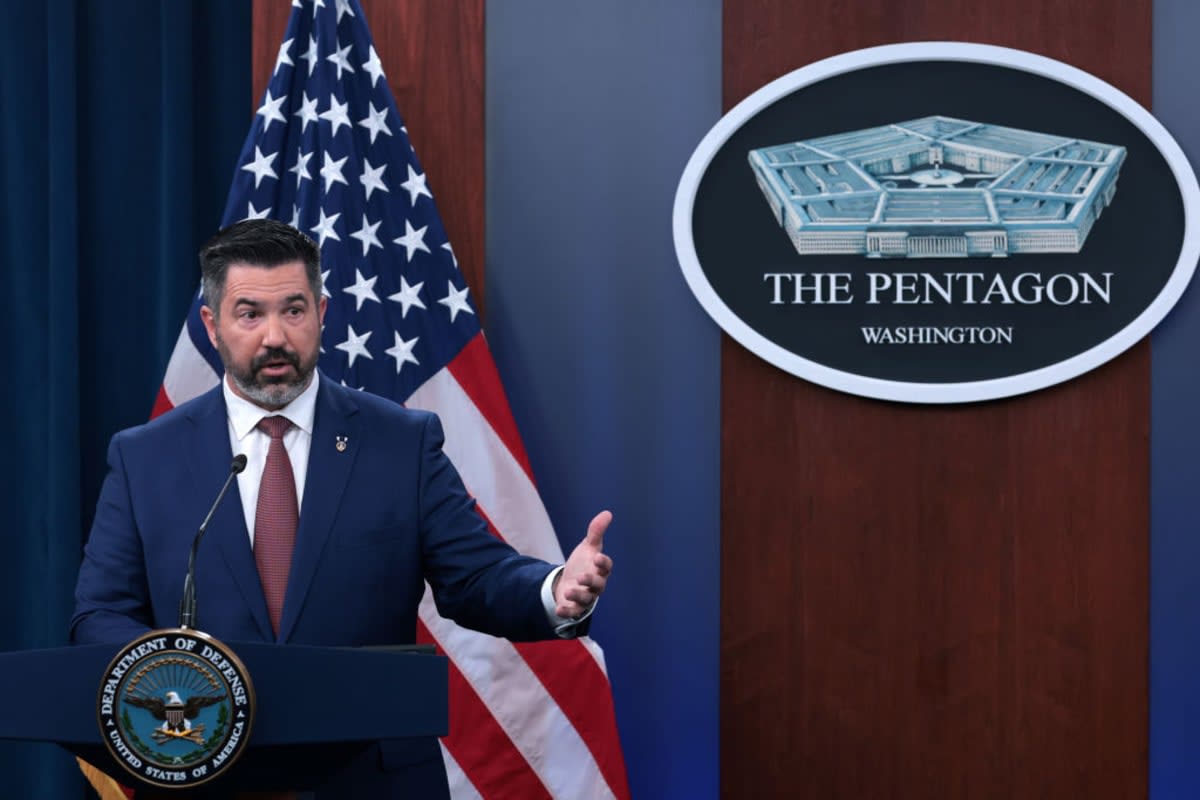
“The Department does not comment on internal personnel or investigative matters but takes all leaks of classified national security information extremely seriously and investigates accordingly,” Parnell said in a statement to CBS News. “Securing classified information is critical to ensuring the security of the United States and of our troops deployed around the world.”
Pete Hegseth has expanded Pentagon crackdown on leaks
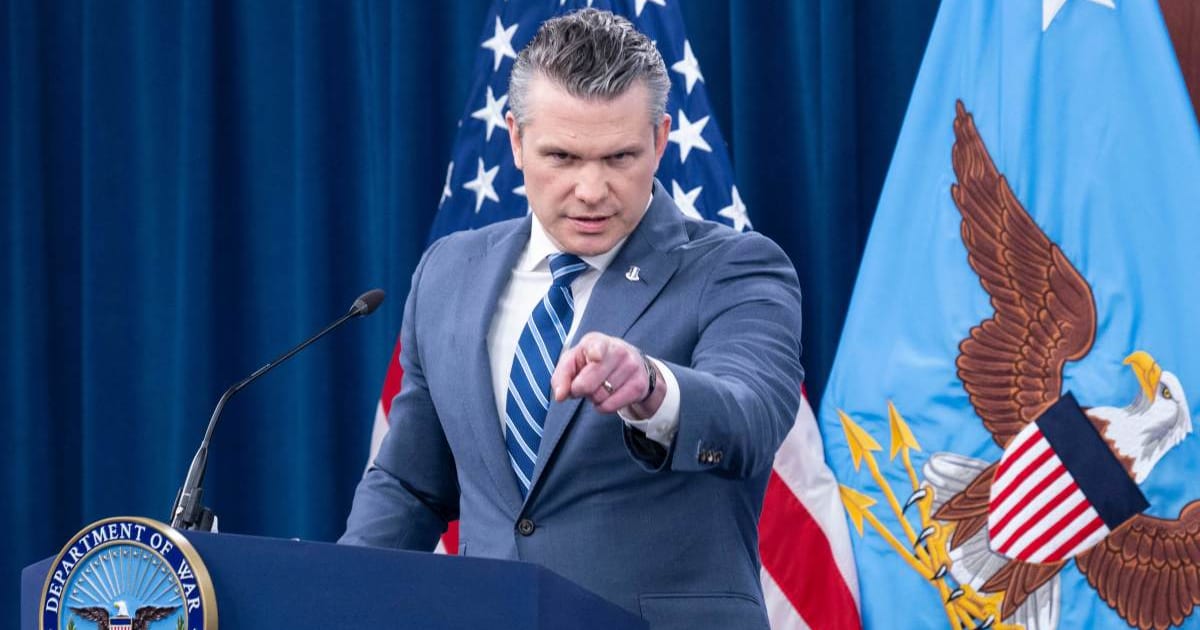
The polygraph investigation is a part of the broader Pentagon effort under Defense Secretary Pete Hegseth to identify officials suspected of providing sensitive information to the media. Hegseth announced in July this year that the Pentagon and Justice Department had created a joint task force to investigate and prosecute suspected leakers.
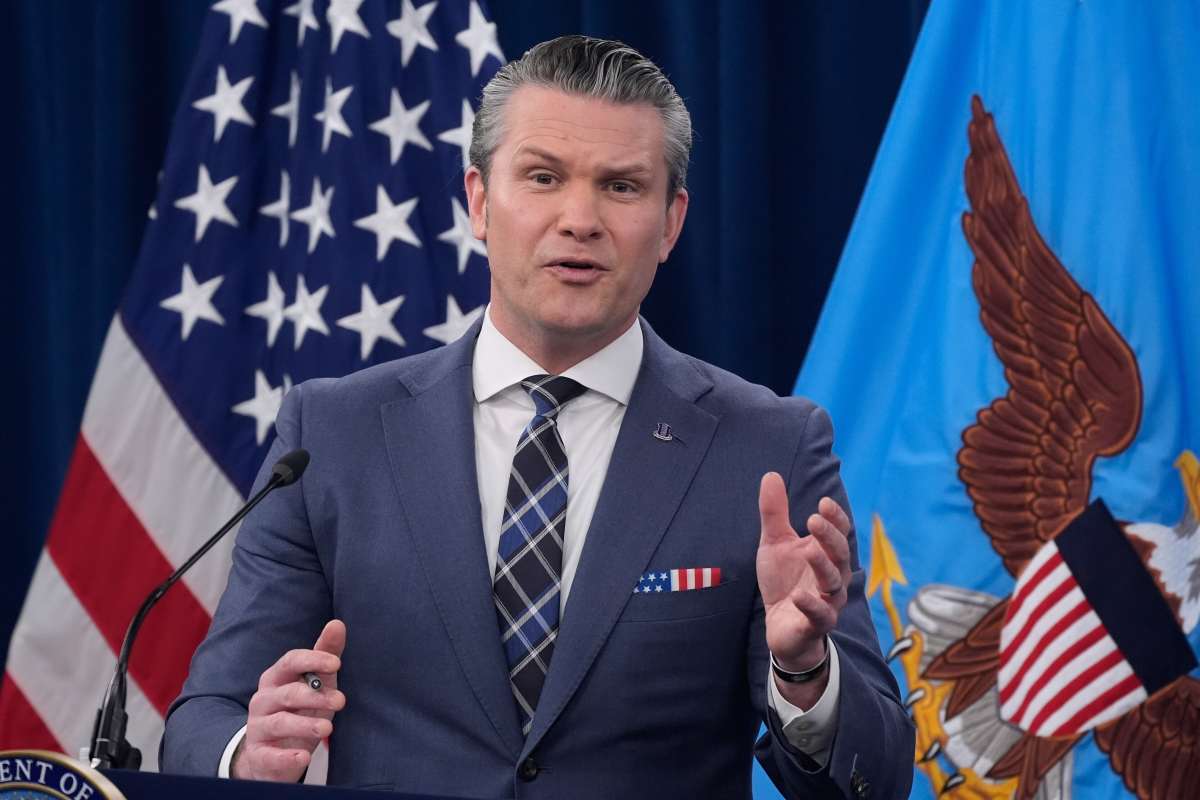
Hegseth also gave the Pentagon’s Office of General Counsel broad authority to obtain information, records and assistance for leak investigations. Pentagon personnel were instructed to prioritize those requests and respond within two days.
To leak sensitive national defense information is to betray our warriors and put them in danger.
— Secretary of War Pete Hegseth (@SecWar) July 13, 2026
That’s why the @DEPTOFWAR and @THEJUSTICEDEPT have created a joint task force to IDENTIFY AND PROSECUTE LEAKERS. pic.twitter.com/pMqXuo21Mm
“When a leak of department information occurs today, it's critical that we provide the Department of Justice and other partners in federal law enforcement, including the FBI, with actionable information as quickly as possible,” Hegseth said when announcing the task force. He added, “Leaked information risks lives."