Pentagon wanted 'a form of' propaganda from Stars and Stripes, publisher vows to fight back
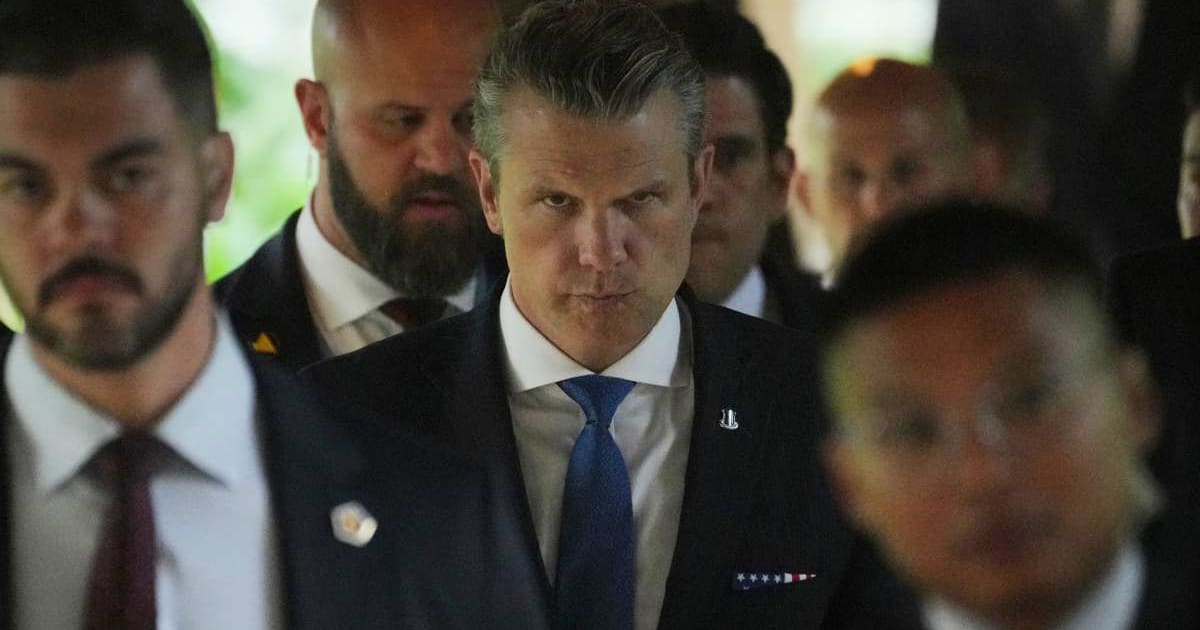
WASHINGTON, DC: Days after a federal judge sided with the Pentagon over the firing of three Stars and Stripes members and approved their termination, the daily publication’s long-time publisher Max Lederer vowed to fight back against the alleged unjust firing.
Lederer also accused the Pentagon of wanting the military paper to carry out propaganda.
The Pentagon terminated publisher Max Lederer, Erik Slavin, and Lara Korte for an unauthorized interview in which Slavin and Korte stated that the Pentagon’s intervention in the paper’s editorial freedom would be a “red line.”
Pete Hegseth wanted soundbites from military paper
Joining Jacob Soboroff on MS NOW’s 'Connect' on Saturday morning, publisher Lederer accused Secretary of Defense Pete Hegseth of wanting to push only “soundbites,” instead of responding to actual reporting.

At a point during the interview, the host asked Lederer if Hegseth wanted the military paper to carry out “propaganda.”
Lederer stopped short of calling it full-blown “propaganda,” but admitted it’s a “form of” it.
"I’ve not talked directly with Pete Hegseth, but I have had conversations with Sean Parnell, and Sean has told me that he has talked to Pete about it and what I understand about the direction is that they want more command information in there. They want information directly published and written by public affairs officials,” Lederer said.

“Isn’t that propaganda though?” Soboroff asked.
“So in my mind, public affairs is not necessarily propaganda, but it’s a form of it,” Lederer explained. “I think it’s the definition of presenting your opinion to the audience. If it’s factually based on the public affairs office, then it’s just one side of the story. But if it goes beyond that to provide a particular viewpoint, then I think it does become propaganda.”
Stars and Stripes journalists pursued a legal battle
After the Pentagon fired Lederer and his two other colleagues, the former publisher admitted there was a “high bar” to an emergency stay on their firings, but vowed this was only the “first step.”

“It doesn’t eliminate our basic suit. And our basic suit is that we believe under the First Amendment, we have a right to give our personal opinion, as any other government employee does or any citizen does, about what’s happening and what we’re experiencing and what’s occurring,” he said.
US District Judge Trevor McFadden, in a Thursday decision, refused to grant temporary restraining orders to Lederer, editor-in-chief Erik Slavin, and Middle East reporter Lara Korte.
The three filed a lawsuit against the federal government, accusing it of unlawfully targeting them over reporting about worsening conditions on the USS Abraham Lincoln during the vessel’s recent extended deployment.
Notably, the Pentagon officially cited "insubordination" as the reason.

The publisher was directed to fire staff for reporting
As Lederer pledged to continue the legal battle against the Pentagon, he further revealed during the interview that he received communication from Sean Parnell, the Assistant to the Secretary of Defense for Public Affairs.
Parnell was apparently dissatisfied with reporting from Slavin and Korte. Lederer defended the pair and was later told to fire them in August, putting him in a position where he ultimately said he would resign his position.
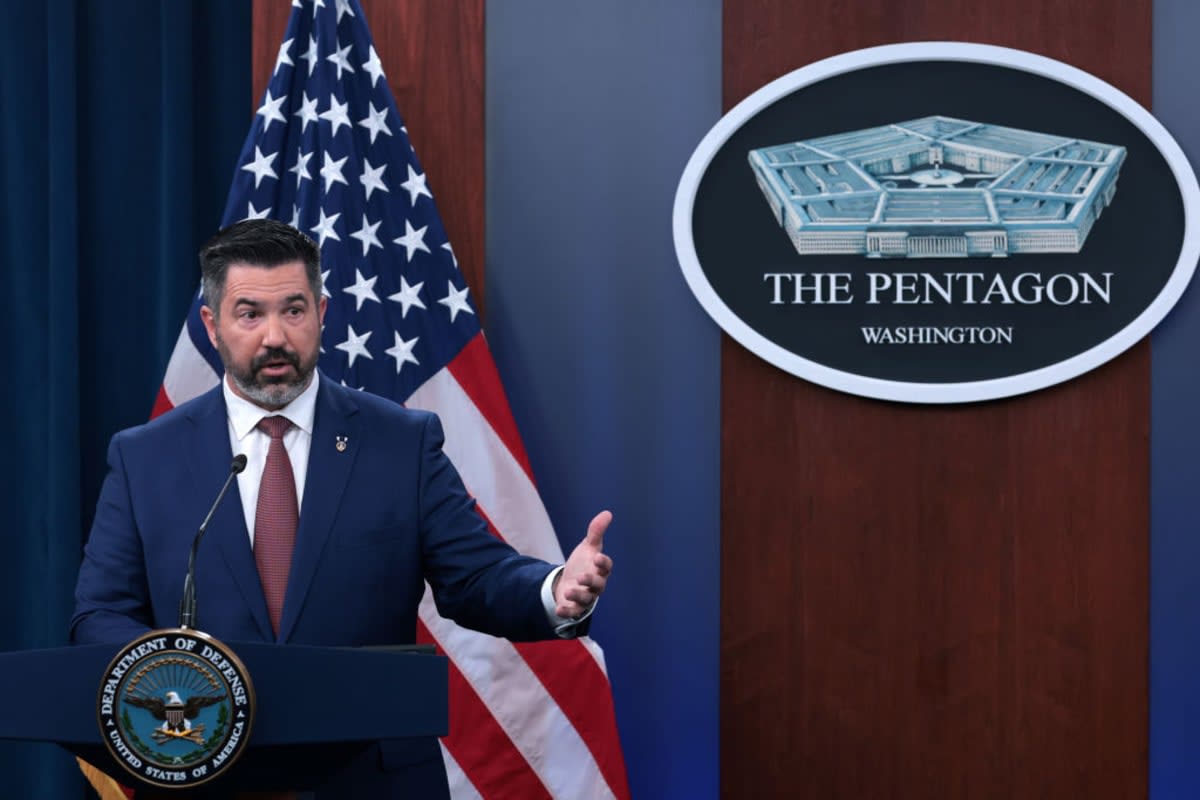
He said he was “admonished” by Parnell for defending the journalists.
“I thought they were exercising their First Amendment rights, and I thought they were very responsible in their speech. He was not happy with that, and I was admonished for allowing them to do that,” Lederer said.