Premium hikes loom as states race to patch Obamacare funding gap

SANTA FE, NEW MEXICO: Several US states are moving to blunt sharp increases in health insurance premiums after Congress failed to renew enhanced Affordable Care Act subsidies before the end-of-year deadline.
The lapse of the federal tax credits on December 31 has left millions of Americans facing significantly higher insurance costs beginning in 2026, prompting a limited number of states to pursue short-term relief measures.
New Mexico has become the first state to fully offset the loss of the federal subsidies using state funds, while other states are weighing partial or temporary interventions.
'We will need Congress to act'
New Mexico lawmakers approved emergency legislation during a special legislative session to replace the enhanced federal premium tax credits for six months.
State officials said the move is designed to prevent immediate premium spikes for residents enrolled through the ACA marketplace.

"We can carry the cost for a little bit, but at some point, we will need Congress to act," New Mexico House Speaker Javier Martínez told Politico.
California has also announced a temporary response, committing nearly $200 million to support about 300,000 lower-income residents.
State officials there acknowledged the measure does not cover middle-income households, leaving hundreds of thousands exposed to steep rate increases.
The 'subsidy cliff' arrives

The expiration of the enhanced subsidies, which were expanded under the American Rescue Plan, creates what analysts describe as a ‘subsidy cliff.’
The credits had capped premiums at 8.5 percent of household income, and without them, health policy experts estimate that nearly 5 million people could lose coverage.
States such as Colorado and Maryland are exploring stopgap options, but most states have taken no action.
Officials in several states, including politically competitive states like Georgia, have cited budget constraints or opposition to the ACA as reasons for inaction.
Mike Johnson ekes out a victory

The state-level response follows weeks of debate in Washington.
House Speaker Mike Johnson passed a healthcare package in late December, but the legislation focused on expanding association health plans rather than extending the ACA subsidies.
The decision came after resistance from conservative House members, who argued that the enhanced credits represented excessive federal spending.
A bipartisan 'CARE' package stalls
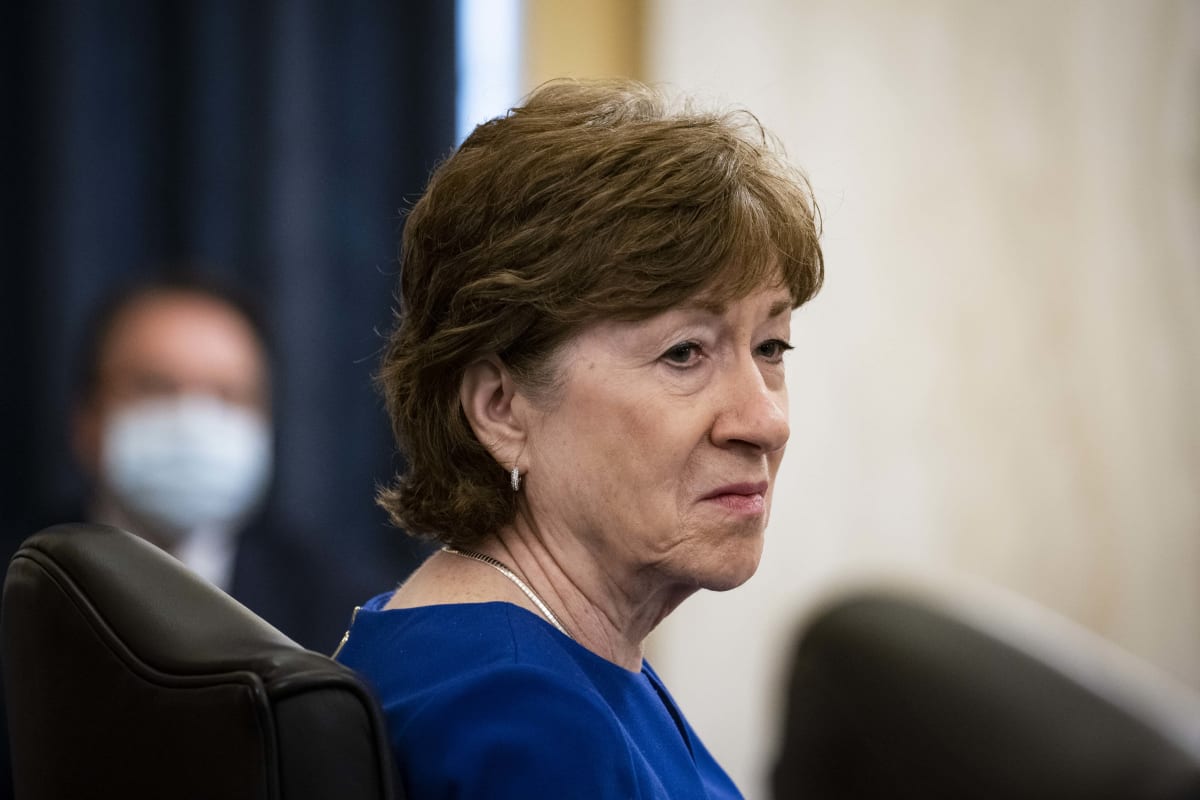
In the Senate, a bipartisan proposal introduced by Sens Susan Collins of Maine and Bernie Moreno of Ohio failed to advance before lawmakers adjourned for the holidays.
The proposal, known as the ‘CARE Act,’ would have extended the enhanced subsidies for two years while adding new limits.
The bill included income caps to phase out benefits for higher-earning households and a requirement that enrollees pay a minimum monthly premium of $25.
With Congress adjourned and the subsidies expired, state officials say uncertainty now surrounds coverage costs heading into the next enrollment cycle.