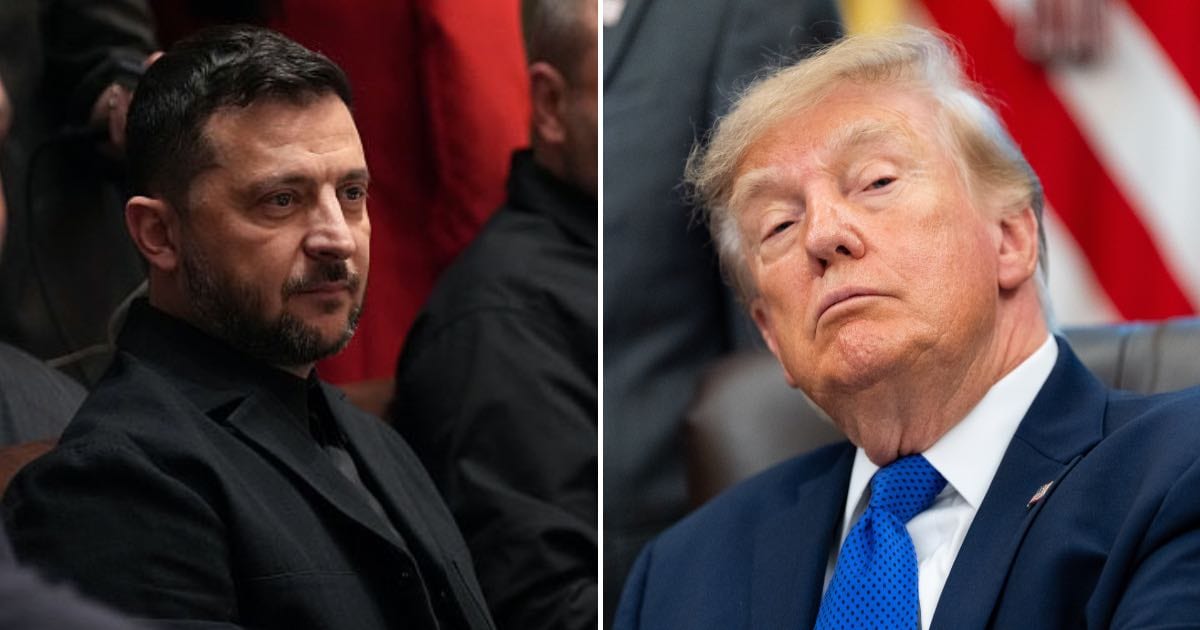
Putin meets Witkoff and Kushner for 5 hours in Moscow, no Ukraine peace deal achieved
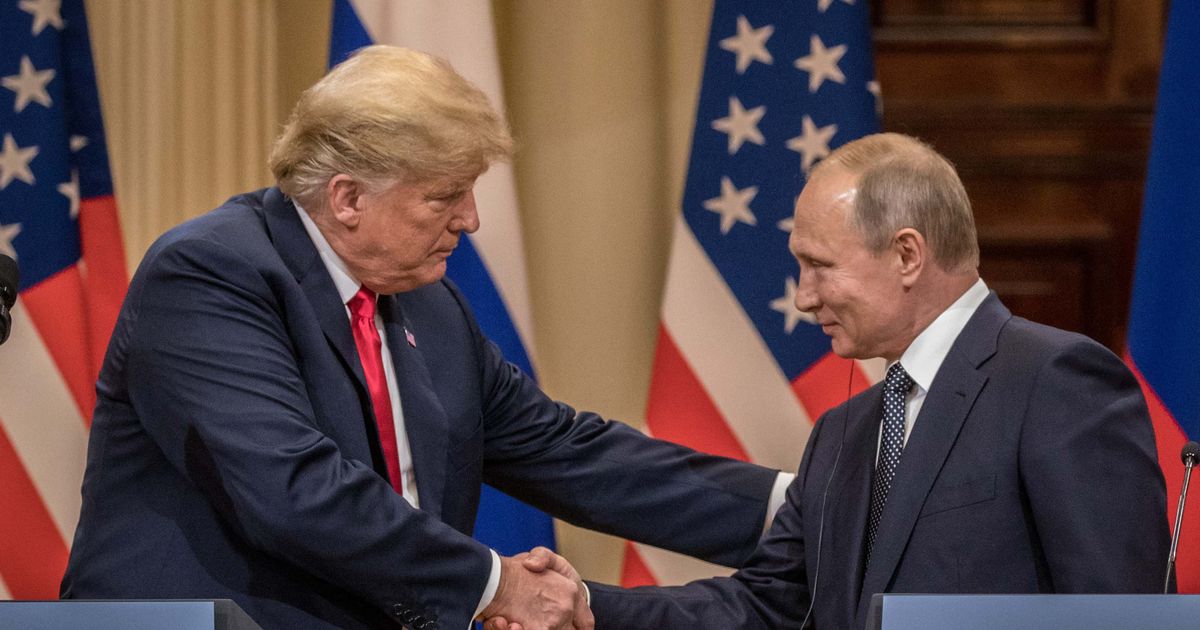
KREMLIN, MOSCOW: Russian President Vladimir Putin met on Tuesday, December 2, with Steve Witkoff, President Donald Trump’s special envoy for Ukraine negotiations, and Jared Kushner for what the Kremlin described as a “very useful, constructive” five-hour meeting.
But Kremlin adviser Yuri Ushakov, speaking in a video posted by the Kremlin, said, “a lot more work needs to be done,” stressing that no breakthrough was achieved.
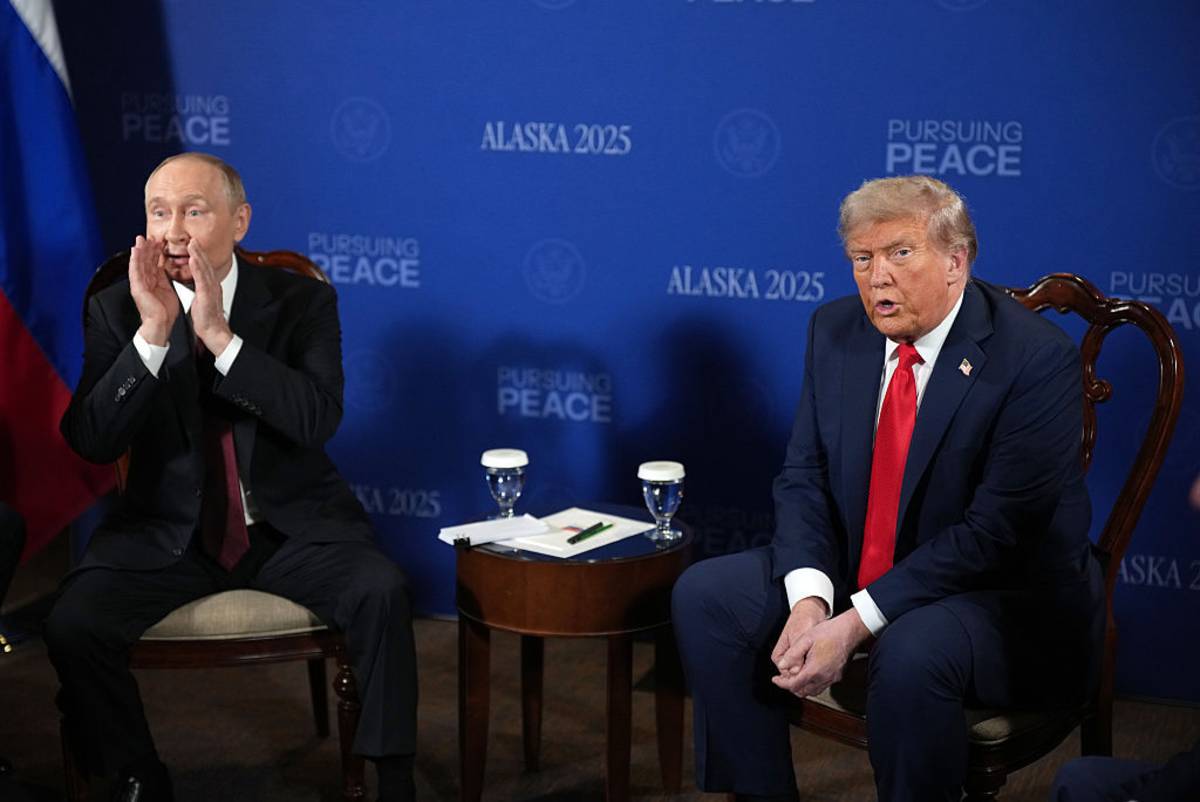
Kremlin says talks touched on ‘territorial issues’ but no deal yet
Nearly four years into Russia’s full-scale invasion, Ukraine faces a severe manpower shortage, battlefield setbacks, and political turmoil following a corruption scandal that forced the resignation of its top negotiator.
Against that backdrop, Kyiv and Western allies view Witkoff warily, especially after a leaked call suggested he might have advised Moscow on navigating relations with Donald Trump.
Ushakov said the sides discussed “territorial issues” central to the dispute, reviewed a US document with 27 points and several additional papers, and acknowledged that no compromise existed yet.
#RussiaUS
— Russian Embassy in USA 🇷🇺 (@RusEmbUSA) December 2, 2025
Russia's President Putin receives U.S.President’s Special Envoy Stephen Witkoff.
From the Russian side: Presidential Aide Yuri Ushakov and Kirill Dmitriev, Presidential Representative for Investment & Economic Cooperation and CEO of RDIF.
From the U.S. side:… pic.twitter.com/PmrGnpAoJu
Some American language appeared “more or less acceptable,” he said, but “they need to be discussed.”
Despite ongoing contacts between aides, Ushakov said there is no meeting planned between Putin and Trump. Asked whether the meeting brought peace closer, he replied: “No further, that’s for sure.”

US pushes for deal as Moscow holds firm
Putin’s envoy Kirill Dmitriev labeled the talks “productive” on X. In Washington, Secretary of State Marco Rubio told Fox News that the conflict has devolved into a devastating war of attrition, with Russia “willing to sacrifice 7,000 soldiers a week.”
Rubio insisted the administration is pressing both sides toward a workable agreement, “Only Putin can end this war … We’re going to do everything we can to make it work.”
But a leaked US 28-point peace proposal circulated last month drew fierce criticism, with analysts calling it overly accommodating to Russia.
Moscow, meanwhile, continues to insist on sweeping concessions, including limits on Ukraine’s military and recognition of Russian-controlled territory.
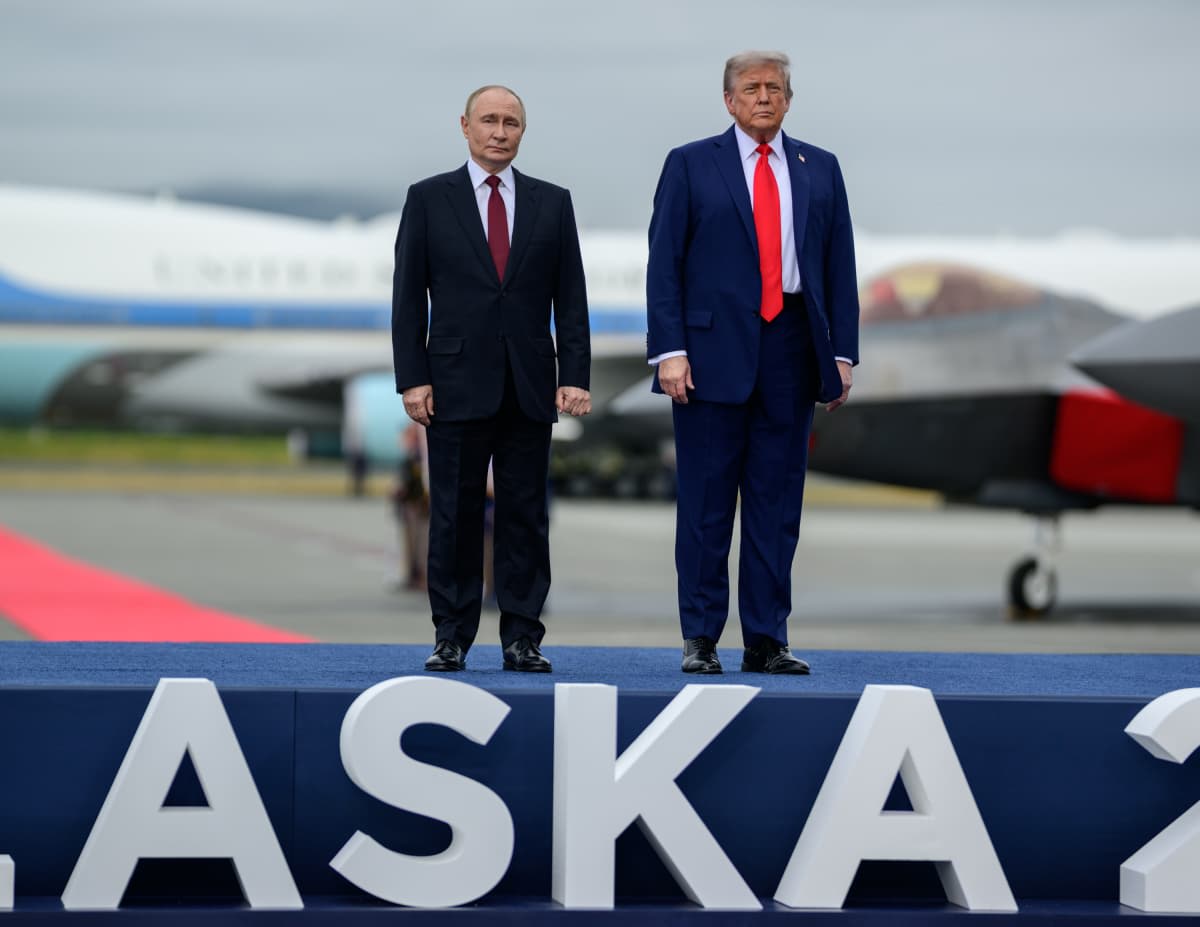
Moscow demands 3 major things
Putin has never masked his core demands. A Russian official told reporters that Moscow will not compromise on three points- Recognition of Russian control over the Donbas region, limits on the size and capability of Ukraine’s armed forces, and international recognition of Russia’s territorial claims.
Russia allegedly currently occupies about one-fifth of Ukraine’s territory. Officials say Moscow could show “flexibility” on secondary matters, such as hundreds of billions in frozen Russian assets in Europe.
Under Trump’s peace plan, roughly one-third of those funds, around $100 billion, would be invested in US-led Ukraine reconstruction, with Washington receiving 50% of profits under the original leaked draft.
Analysts say Putin may entertain a compromise to avoid clashing with Trump, whose potential sanctions could severely damage Russia’s long-term economic stability.
But they caution that any agreement not aligned with Putin’s goals might be treated as a temporary ceasefire before another offensive.
Kyiv warns concessions could lead to a future invasion
Ukrainian and European officials fear that accepting Russia’s demands, including ceding territory, limiting troop size, and permanently barring NATO membership, would set Ukraine up for another invasion, following conflicts in 2014 and 2022.
Michael A Horowitz, a geopolitical analyst, said that Russia’s “ideal deal” would go even further, including a formal legal recognition of all four Ukrainian regions annexed in 2022, reducing Ukraine’s army to a fraction of its current size, forbidding long-range weapons, demanding “den**ification” (a euphemism for political influence in Kyiv), and lifting all sanctions.
Even Trump’s leaked proposal, which reportedly caps Ukraine’s army at 600,000 and excludes NATO membership, “did not go far enough for Putin,” according to Tatiana Stanovaya of the Carnegie Russia Eurasia Center.
Stanovaya noted that Moscow objected both to the substance and the “undiplomatic” wording of the document.
Analysts warn that any short-term deal could fuel future conflict
Witkoff and Kushner arrived in Moscow after what both Washington and Kyiv described as productive talks in Florida.
Putin has hinted at openness to a ceasefire, perhaps around Christmas or New Year’s, but continues to insist that Ukraine must withdraw from occupied territories or face military force. Analysts say he is prepared to wait for a deal closer to his preferred terms.
While Putin may be willing to pause fighting under US pressure, experts warn that any agreement falling short of his aims could merely postpone another conflict, “This ‘ideal deal’ means Russia will be encouraged to invade Ukraine again,” Horowitz said.