Rand Paul warns redistricting may spark unrest and violence across the US
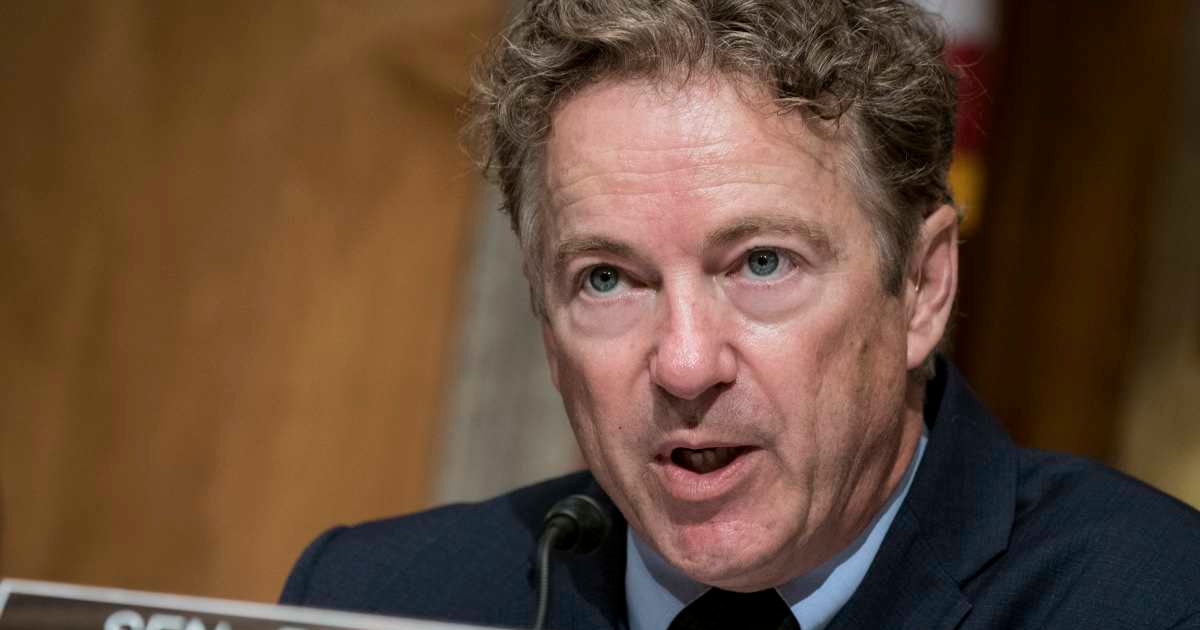
Rand Paul on mid-decade redistricting: "I think it's gonna lead to more civic tension and possibly more violence in our country. Think about it: if 35% of Texas is solidly Democrat and they have 0 representation, how does that make Democrats feel? I think it makes them feel like… pic.twitter.com/j6BqAuj6fK
— Aaron Rupar (@atrupar) December 14, 2025
WASHINGTON, DC: Sen Rand Paul on Sunday, December 14, warned that aggressive mid-decade redistricting efforts by both Republicans and Democrats could increase civil unrest and potentially lead to political violence, as state legislatures across the country escalate battles over congressional maps.
Speaking on NBC News’ 'Meet the Press', on Sunday, December 14, the Kentucky Republican said redrawing districts outside the traditional census cycle risked leaving voters feeling disenfranchised and unrepresented.
Paul framed his remarks as a caution against what he described as a growing political arms race over mapmaking ahead of next year’s midterm elections.

Rand Paul calls redistricting a bipartisan mistake
Rand Paul said that both parties share responsibility for the current redistricting push, arguing that partisan map drawing undermines confidence in the electoral process.
“I think that it’s going to lead to more civil tension and possibly more violence in our country,” Paul said, adding that redistricting efforts aimed at maximizing political advantage could deepen divisions.
He said voters who believe their voices are being erased may lose faith in democratic institutions.

Senator points to the Kentucky example
Paul cited his home state as an example of how redistricting could marginalize minority party voters.
“Like in my state, we’re a very Republican state, but we have one Democrat area in Louisville and we have a Democrat congressman,” he said. “We could carve up Louisville and get rid of that one congressman.”
Paul said such moves would send a message to Democratic voters that their participation no longer matters.
“But how does that make Democrats feel?” he asked. “I think it makes them feel like they’re not represented.”
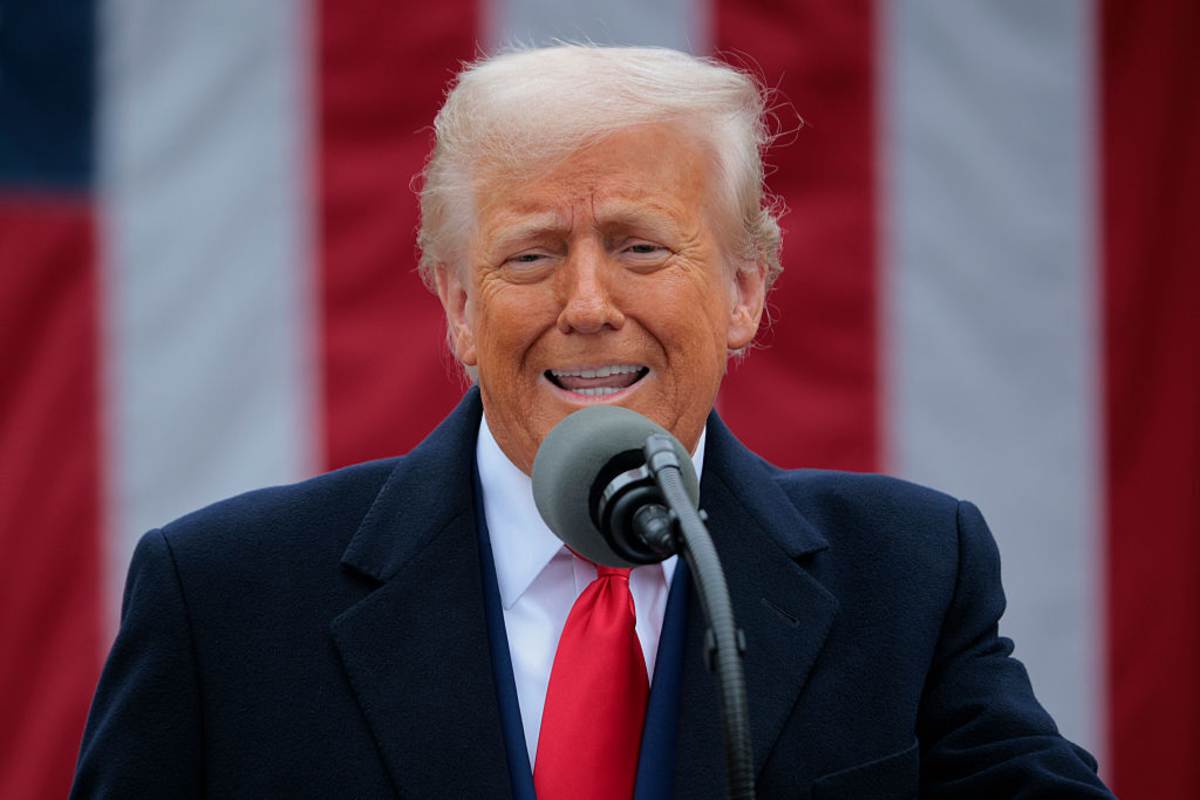
Warning of disenfranchisement and unrest
Pressed by 'Meet the Press' moderator Kristen Welker on whether he believed redistricting could lead directly to violence, Paul reiterated his concerns.
“I think there is the potential that when people have no representation, they feel disenfranchised,” he said. “That it can lead and might lead to violence in our country.”
Paul emphasized that his warning was not tied to a single party or state, but to the broader national trend.
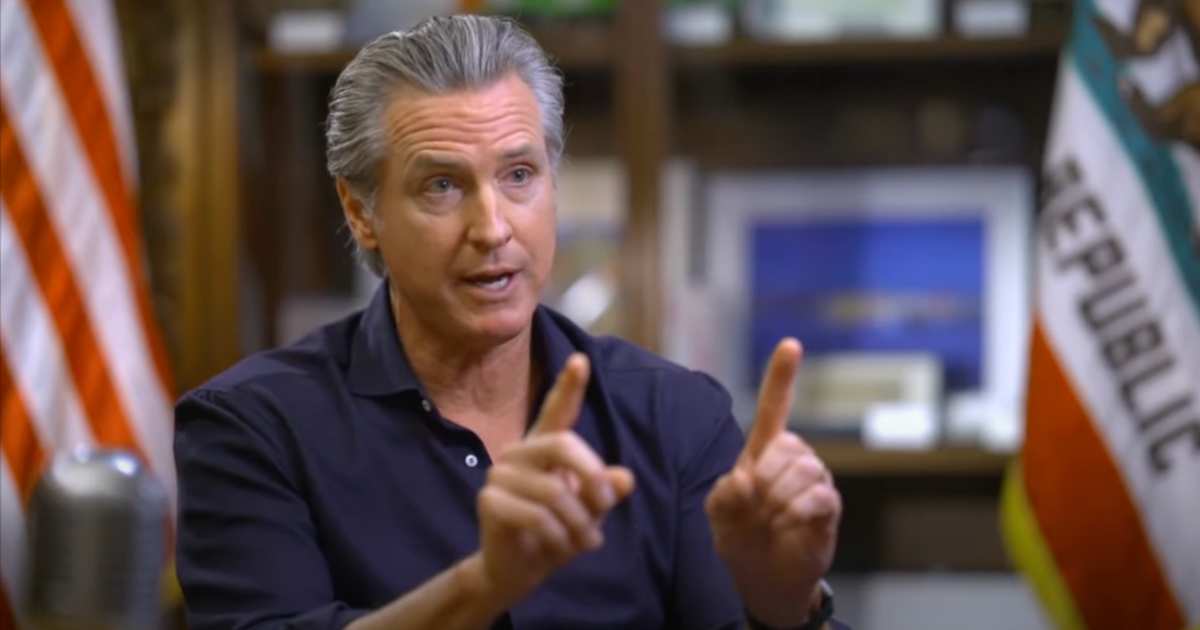
Redistricting fights intensify nationwide
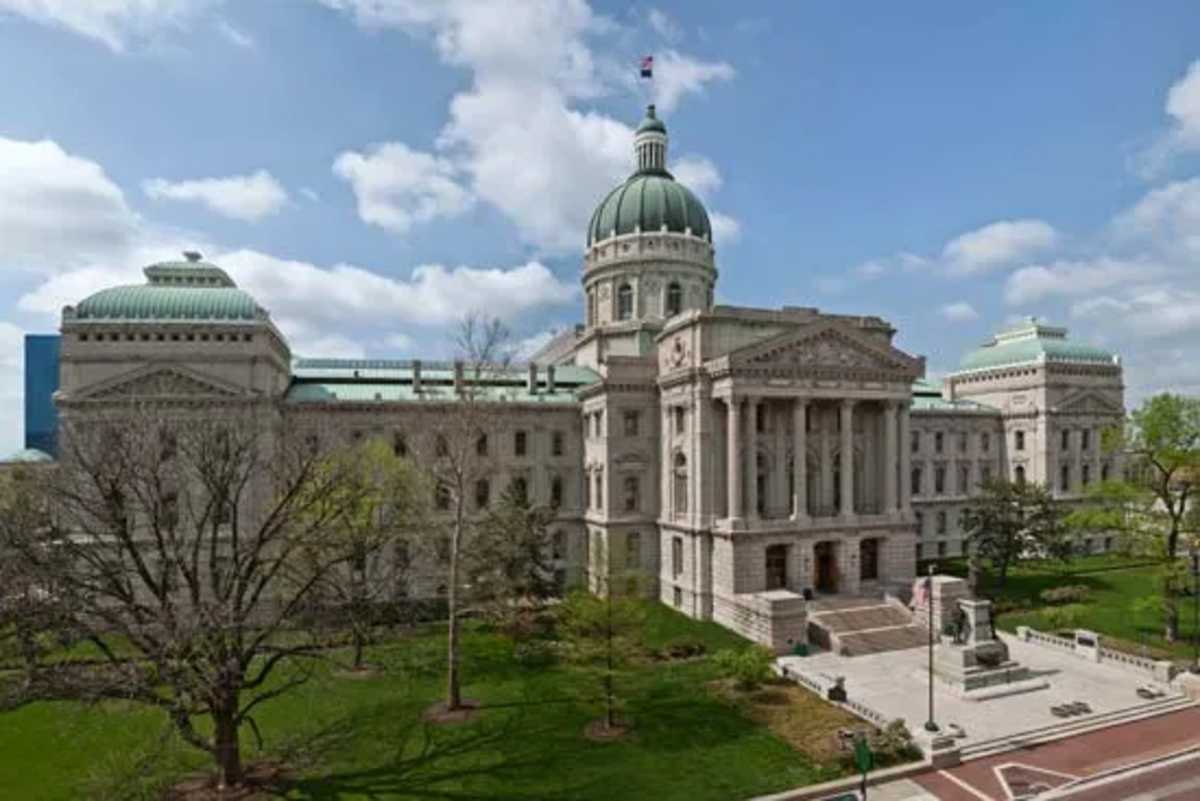
Paul’s comments come as several states face renewed redistricting battles. In Indiana, the state Senate recently rejected a proposed congressional map aimed at boosting Republican prospects.
Texas lawmakers have also pushed to redraw maps in hopes of flipping as many as five congressional seats, prompting what has become a nationwide tit for tat response in other states.
Democrats have pointed to Texas as justification for pursuing new maps of their own.
Trump weighs in as pressure mounts
President Donald Trump has recently turned his attention to Indiana, urging Republican lawmakers to pass maps that favor the GOP. He warned that failure to act could result in primary challenges.
Following Trump’s public criticism on Truth Social, at least 11 Indiana Republicans reportedly faced threats or swatting incidents, according to NBC News.
An NBC News analysis found that at least 22 elected officials from both parties received threats after Trump publicly criticized political opponents.

Rand Paul cites California as Democratic example
Paul said Democrats have also engaged in aggressive redistricting, pointing to California as a case study.
In November, California voters approved a Democratic drawn congressional map that could allow the party to gain up to five additional seats in the next election cycle. The map was reportedly drawn in response to Texas’ redistricting push.
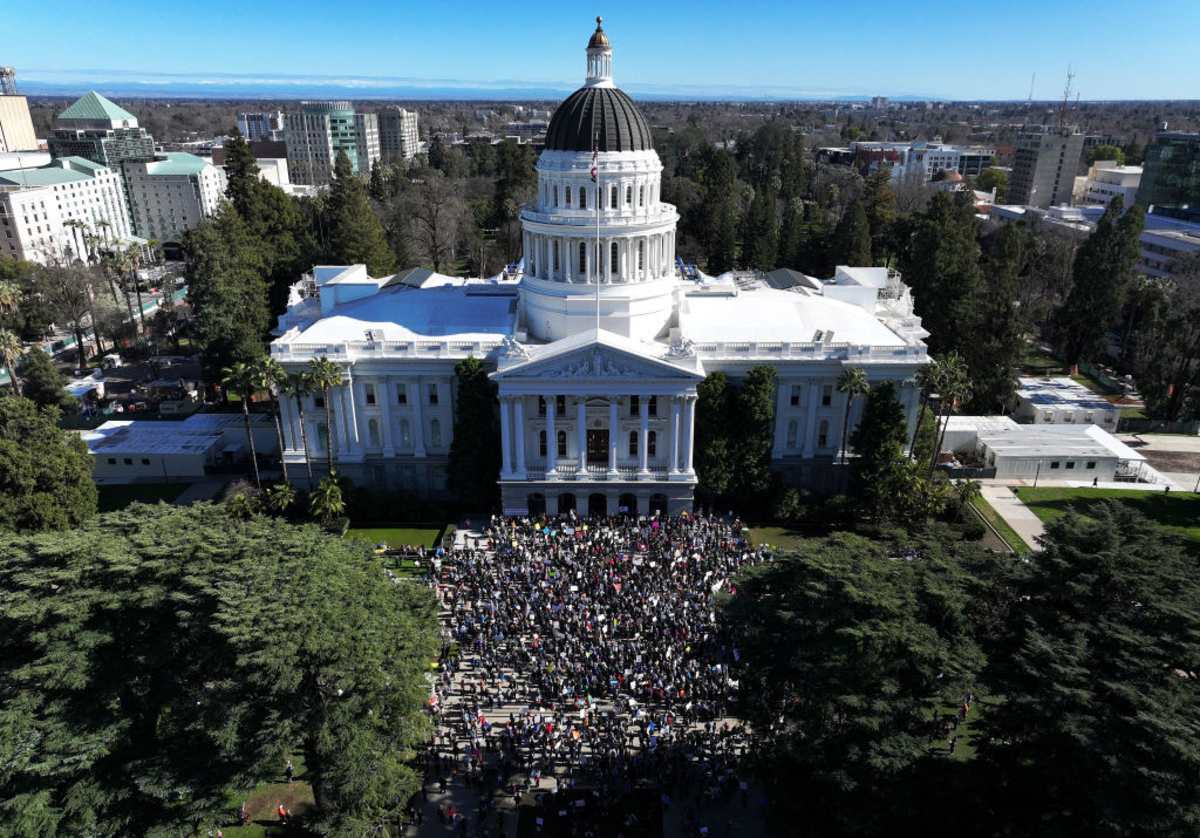
“In general, when it becomes so extreme, like if California has no Republican representatives after this is done or has one left, I think that makes people so dissatisfied,” Paul said.
“They think, ‘Well, the electoral process isn’t working anymore. Maybe we have to resort to other means.’”
No clear path to de-escalation
Paul said he does not have a clear solution for how lawmakers can de-escalate the situation, but urged both parties to consider the long-term consequences of redistricting tactics.
“And I don’t want that,” he said. “And I think both parties it could happen to, but I think we need to be aware of and think about that before we do all this.”