Republican lawmakers cite dysfunction as they announce plans to leave Congress
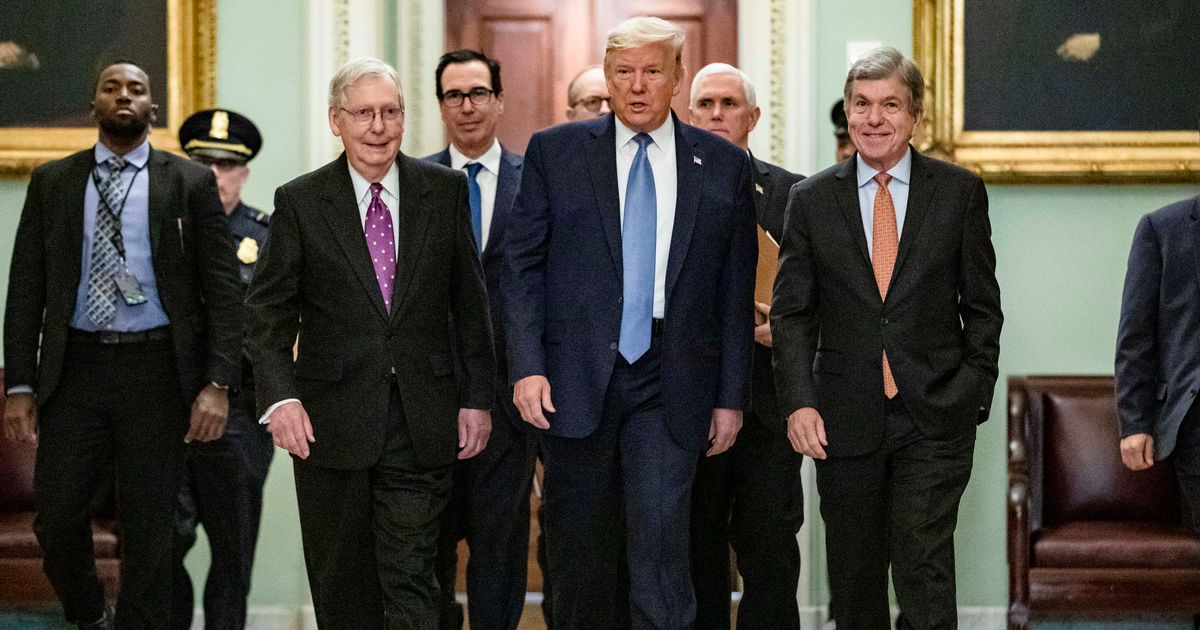
WASHINGTON, DC: A growing number of Republican lawmakers are choosing to leave Congress, citing frustration with legislative dysfunction and the personal toll of life on Capitol Hill.
More than 50 members from both parties have announced plans to retire or seek other offices, reshaping the political landscape ahead of next year’s midterm elections.
The scale of the exits has drawn comparisons to 2018, when a wave of GOP departures preceded major losses for the party. Analysts say the trend reflects both political headwinds and deep dissatisfaction with the institution itself.

Lawmakers cite gridlock and personal costs
Among those departing are prominent conservatives, progressives, and moderates, including Reps Chip Roy (R-Texas), Jan Schakowsky (D-Ill), Don Bacon (R-Neb), and Jared Golden (D-Maine).
Many have served in competitive districts and repeatedly won tough re-election fights, making their exits notable for both parties.
Bacon said that his decision was driven primarily by personal considerations, including spending more time with family and improving his quality of life.
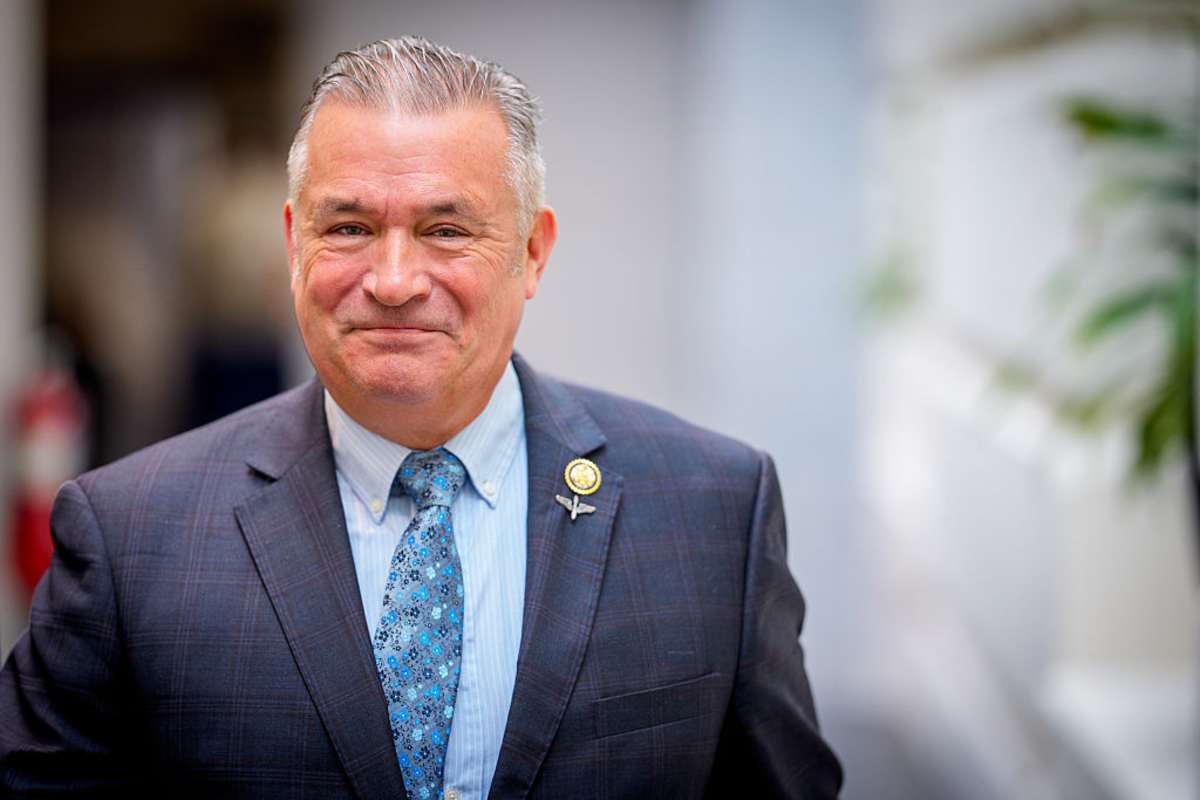
Still, he acknowledged that Congress’s challenges played a role. “The dysfunction isn’t attractive,” Bacon told The Hill, adding that balancing disagreements with both party leadership and the president had become increasingly difficult.
“I just knew it was time for a change,” he said.
Golden echoed concerns about the tone of modern politics, writing in an op-ed that he had grown “tired of the increasing incivility and plain nastiness” in public life.
Rep Marjorie Taylor Greene (R-Ga), another high-profile departure, framed her decision more broadly, claiming, “No matter which way the political pendulum swings, Republican or Democrat, nothing ever gets better for the common American man or woman.”
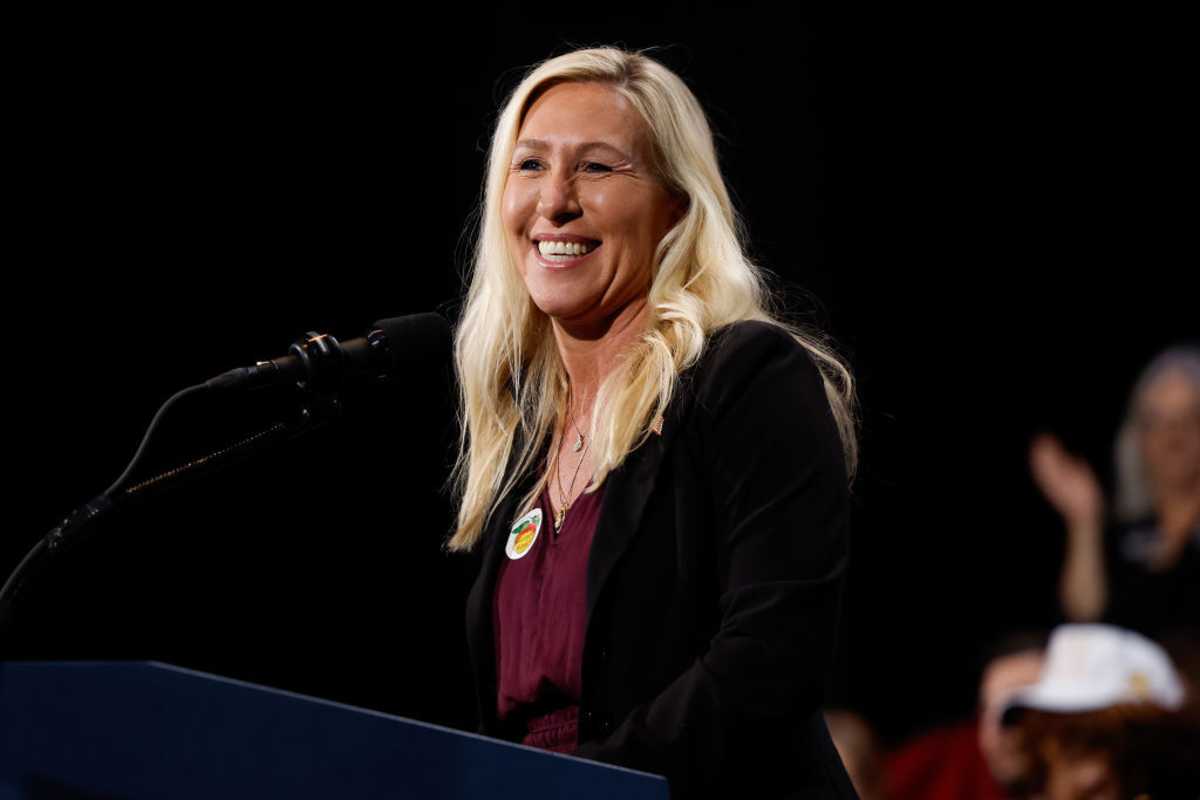
Some lawmakers leaving Congress are seeking statewide office, arguing they can be more effective outside Washington.
Rep Ralph Norman (R-SC), who is running for governor, said that his impact would be greater as a state executive. “My voice will be heard far greater as a CEO of South Carolina,” he said.

Democrats also retiring have described institutional weakness as a factor.
Rep Bonnie Watson Coleman (D-NJ) said that she felt she had done what she could in Congress and noted that the body is “at its weakest point,” adding that it has become overly influenced by the administration.
Midterm implications and echoes of 2018
30 Republicans and 23 Democrats are not seeking reelection this cycle, a pattern similar to 2018, when GOP retirements preceded a Democratic surge.
Political scientists argue that such exits often signal anticipation of electoral losses. “Members deciding ‘it’s not worth the fight’… that’s definitely what we’re seeing from Republicans this year,” claimed Charlie Hunt of Boise State University, who compared the current environment to the run-up to the 2018 midterms.

Democrats argue that Republicans' reluctance to challenge President Donald Trump has exacerbated legislative paralysis.
Rep Lloyd Doggett (D-Texas), who is retiring after redistricting, said, “So long as the biggest fear of many Republicans is the danger of a mean Trump tweet, the House will remain broken.”