Rodney Scott says CBP will release Alex Pretti bodycam footage as senators demand answers
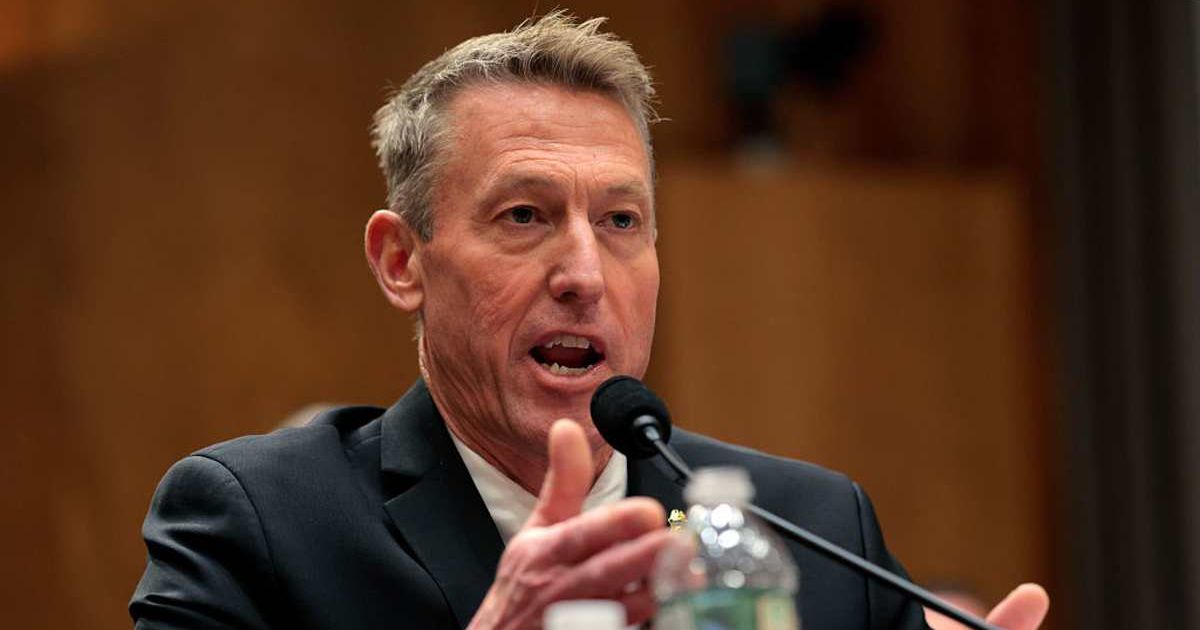
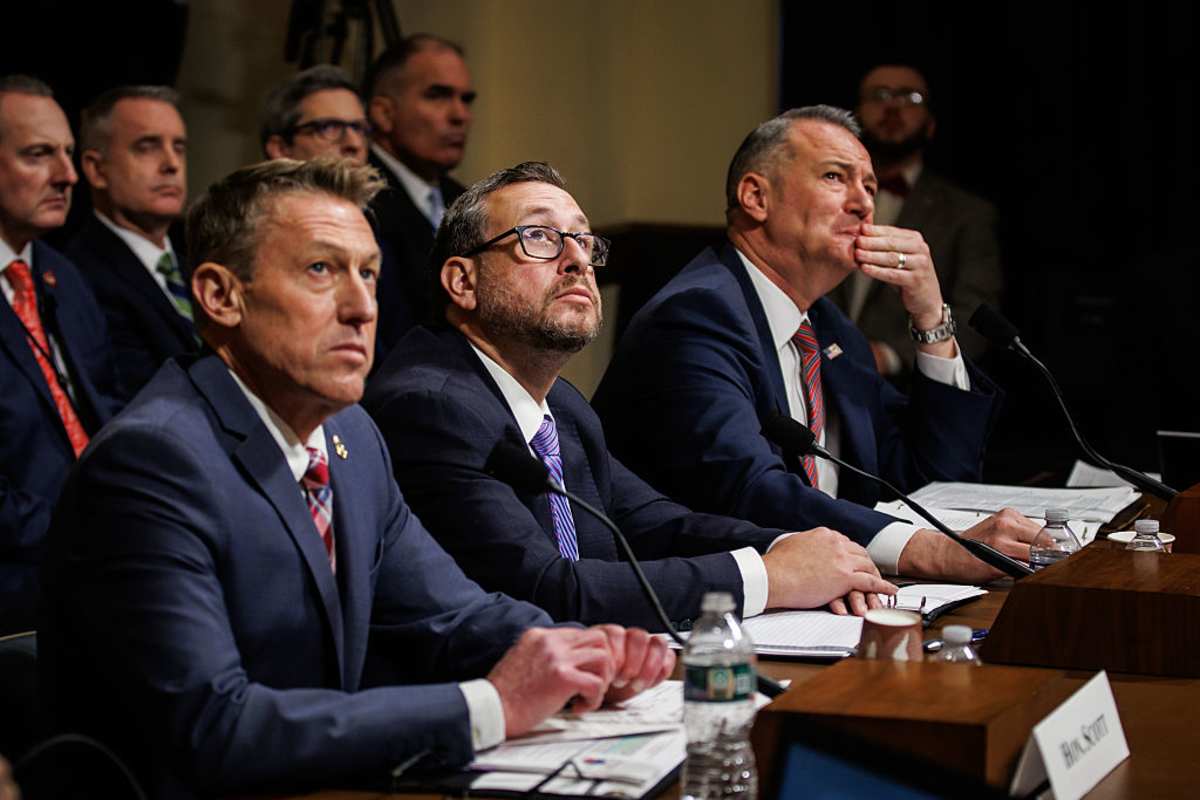
WASHINGTON, DC: Rodney Scott told lawmakers Tuesday, February 12 that body camera footage from the fatal shooting of Alex Pretti in Minneapolis will be released once investigators complete their review.
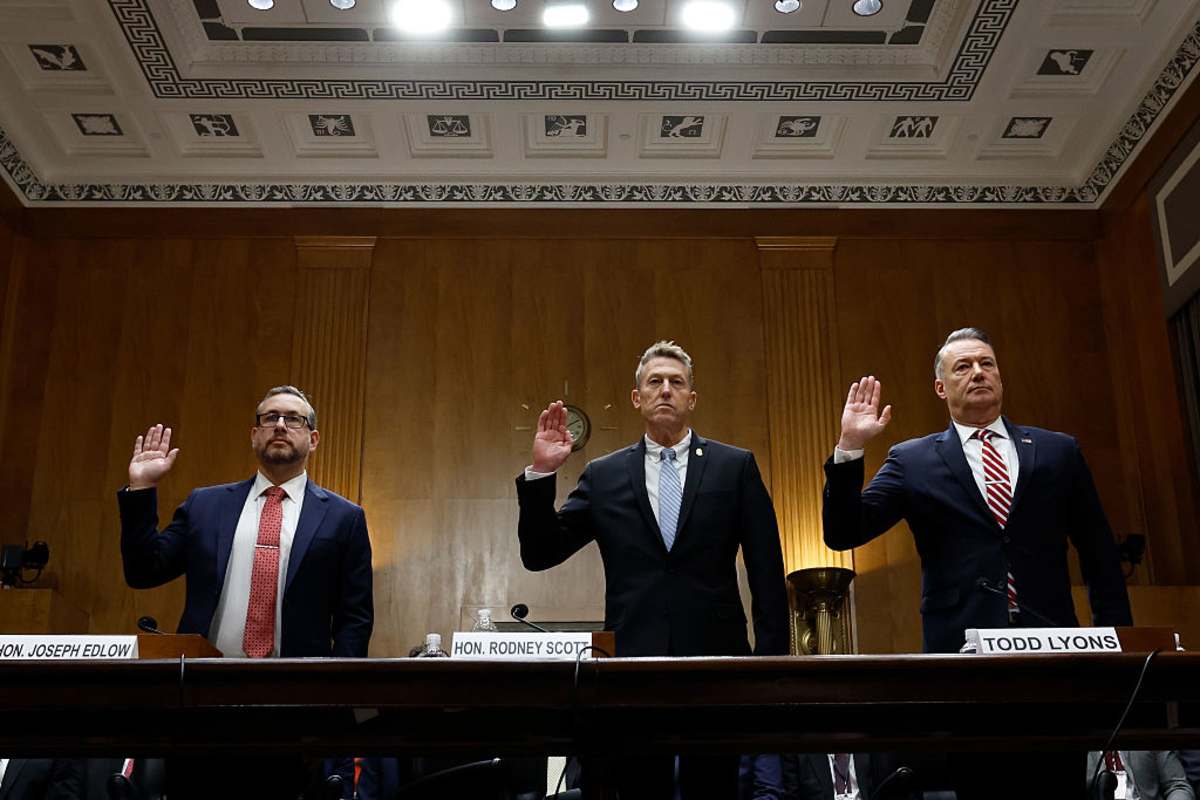
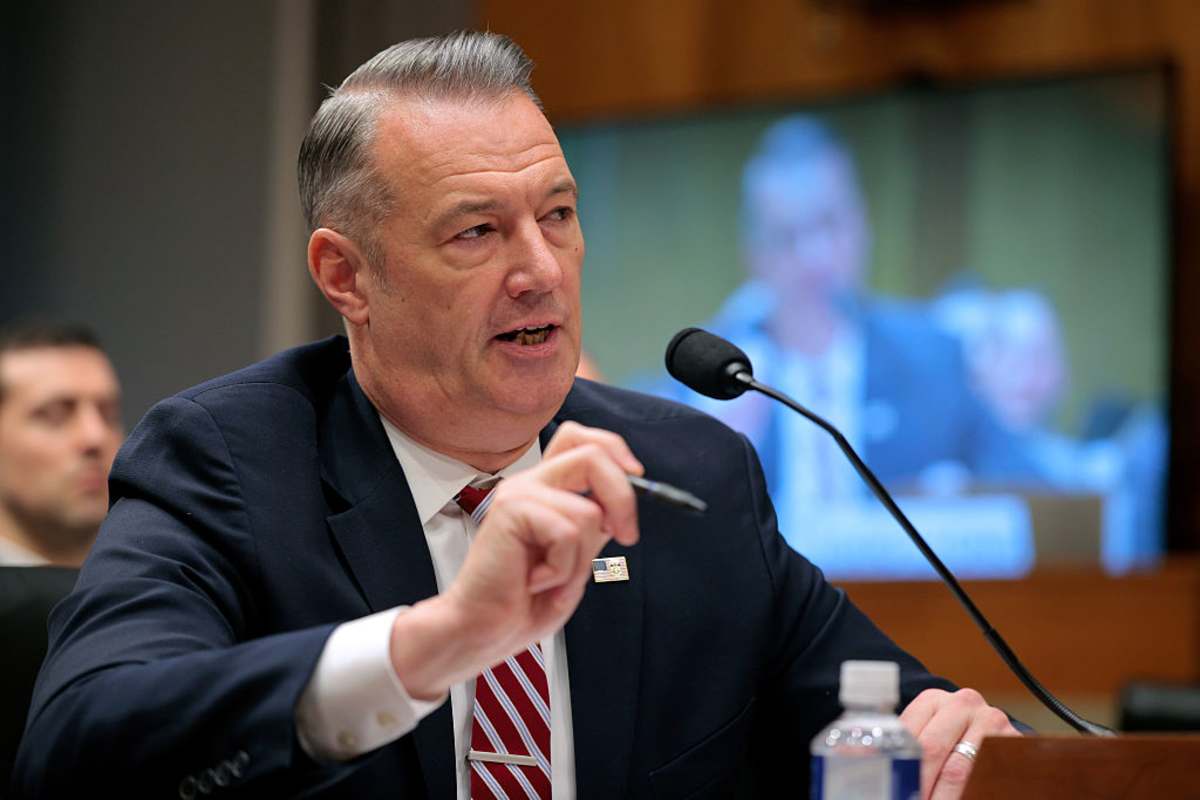
Scott made the commitment while testifying before the Senate Homeland Security and Governmental Affairs Committee during a heated hearing that also examined the death of Renee Good and broader enforcement tactics used during a recent immigration surge in Minnesota. Lawmakers from both parties pressed federal officials over transparency, accountability, and use-of-force standards.
Rodney Scott vows bodycam release in Alex Pretti shooting
Scott said the Federal Bureau of Investigation and US Customs and Border Protection are investigating Pretti’s death and reviewing multiple video sources, including body camera footage.
“There’s a lot of other video, there’s bodycam video that’s all being looked at, and until all that evidence is evaluated, I can’t jump to a conclusion.”
“I would ask America to do the same thing, but I am committed to transparency, to making sure all the information we have is made public when it’s appropriate,” Scott said.
Scott did not provide a timeline for releasing the footage or detail what it might show.
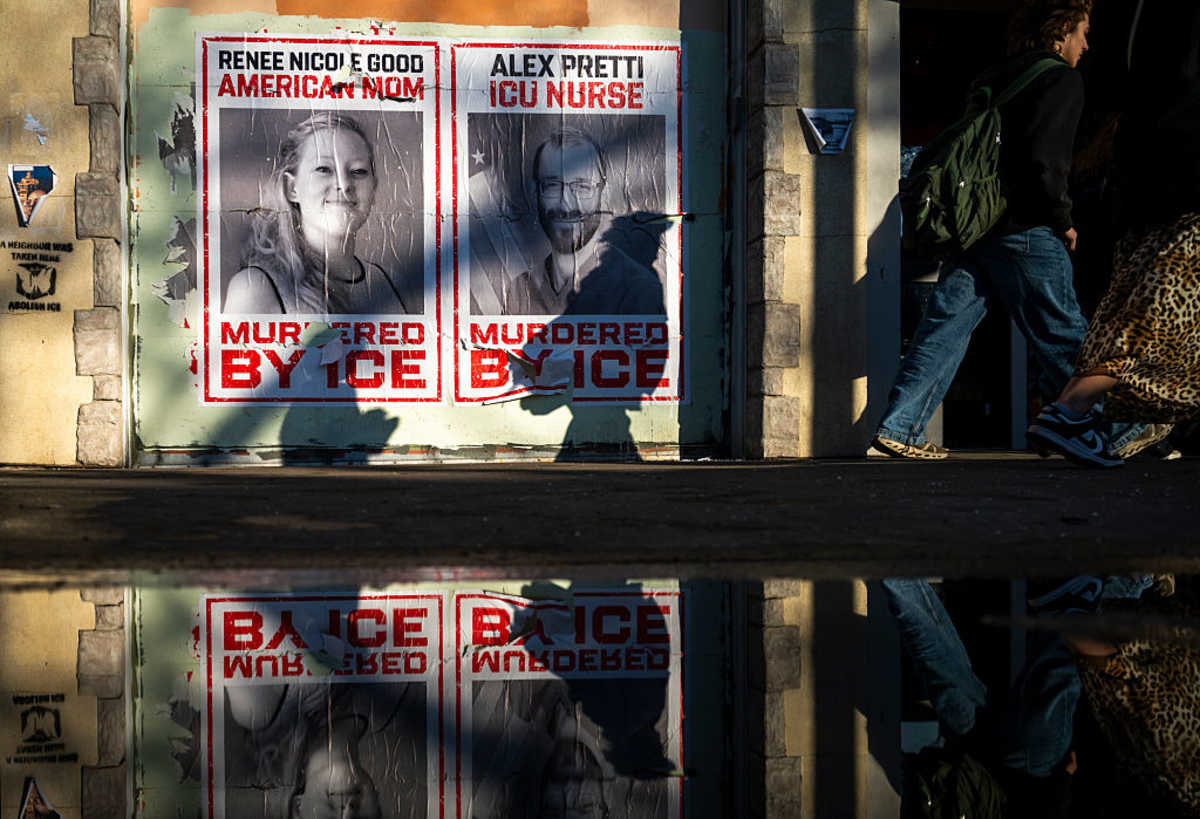
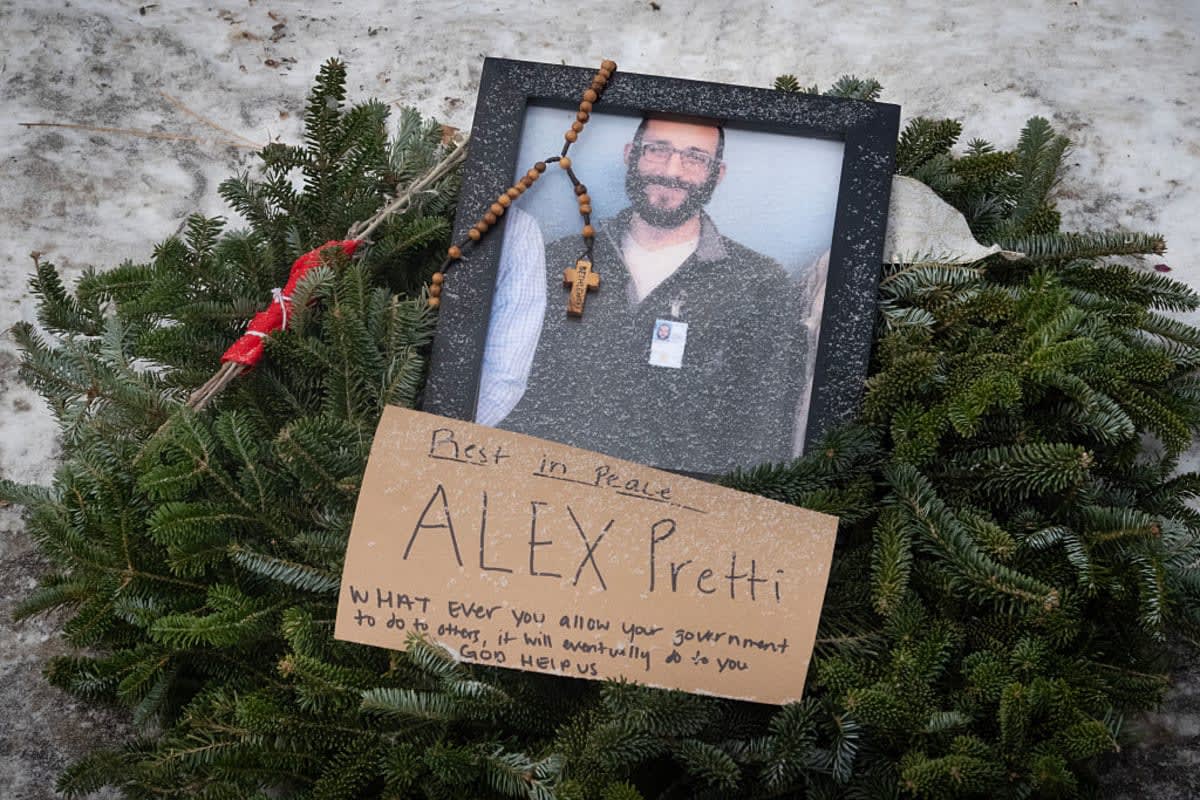
Pretti, an ICU nurse, was fatally shot during an encounter with Border Patrol agents in Minneapolis. Senators reviewed portions of the confrontation and questioned whether agents escalated the situation unnecessarily.
Rand Paul questions force used during Pretti encounter
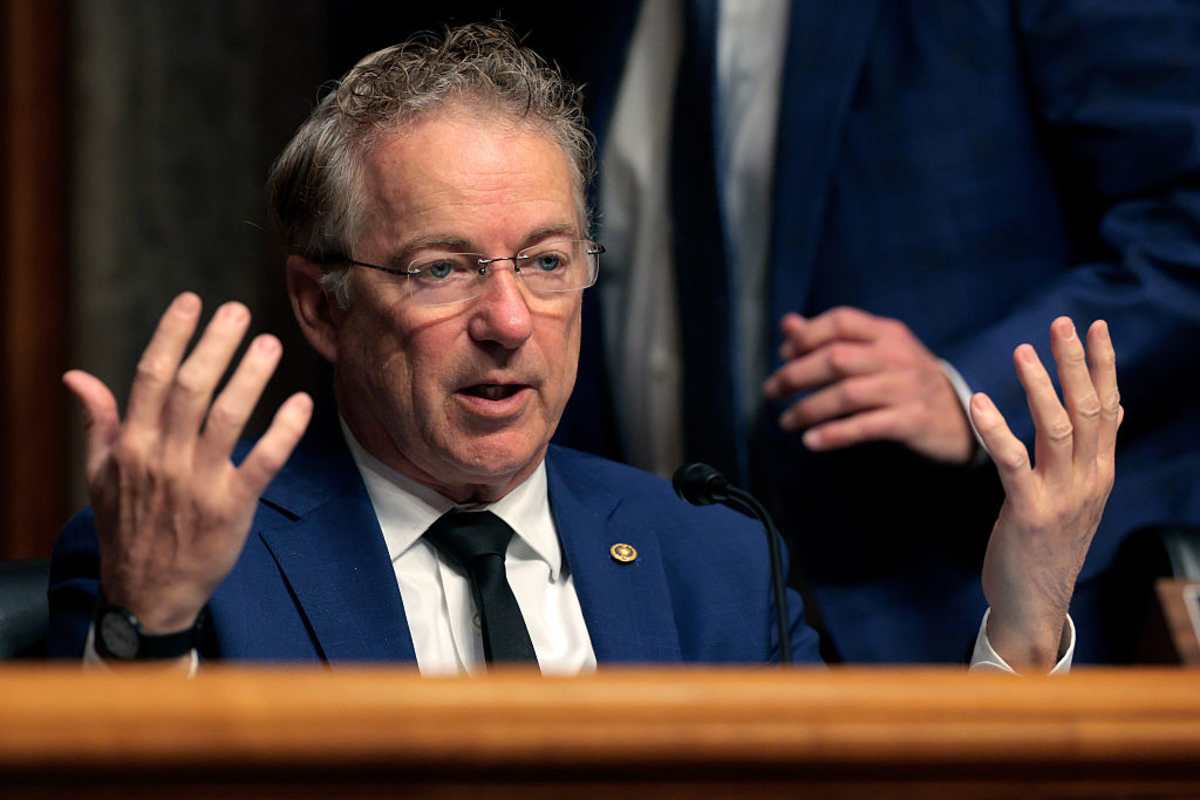
Sen. Rand Paul said the hearing aimed to determine whether officers followed proper rules of engagement and used force proportional to any threat posed.
Playing the footage frame by frame, Paul repeatedly asked Scott whether it was appropriate for officers to shove a woman to the ground. Scott declined to reach conclusions, citing the ongoing investigation and additional context beyond the clips shown.
When Paul asked whether yelling at an officer justified shoving two women to the ground, both Scott and Acting ICE Director Todd Lyons responded “No, sir,” but did not say officers failed to de-escalate.
Paul argued that the video did not show Pretti striking officers or brandishing a weapon.
“Americans are led to believe that exercising the right of being there and protesting shouldn’t place them at the risk of lethal force. If it does, public trust collapses at the same time,” Paul said.
After reviewing the footage, he added, “Pretti was retreating at every moment. He’s trying to get away, and he’s being sprayed in the face. I don’t think that’s de-escalatory.”
Paul also warned against premature conclusions following shootings. “Declaring nothing to see here or rushing to label a US citizen a domestic terrorist before the evidence is established undermines trust and escalates already volatile situations,” he said.
ICE chief cites threats and internal investigations
Lyons testified that threats against immigration officers have increased in recent months.
“There was a videotape of my wife walking to work that people actively posted. The cartels have actually posted the schematics to my home. ICE agents feel that every day,” Lyons said, adding he had received multiple death threats after earlier testimony.
Lyons said that from January 2025 through last month, ICE opened 37 investigations into excessive use of force. Eighteen were closed, 19 remain pending, and one was referred for further action.
Minnesota officials seek federal oversight
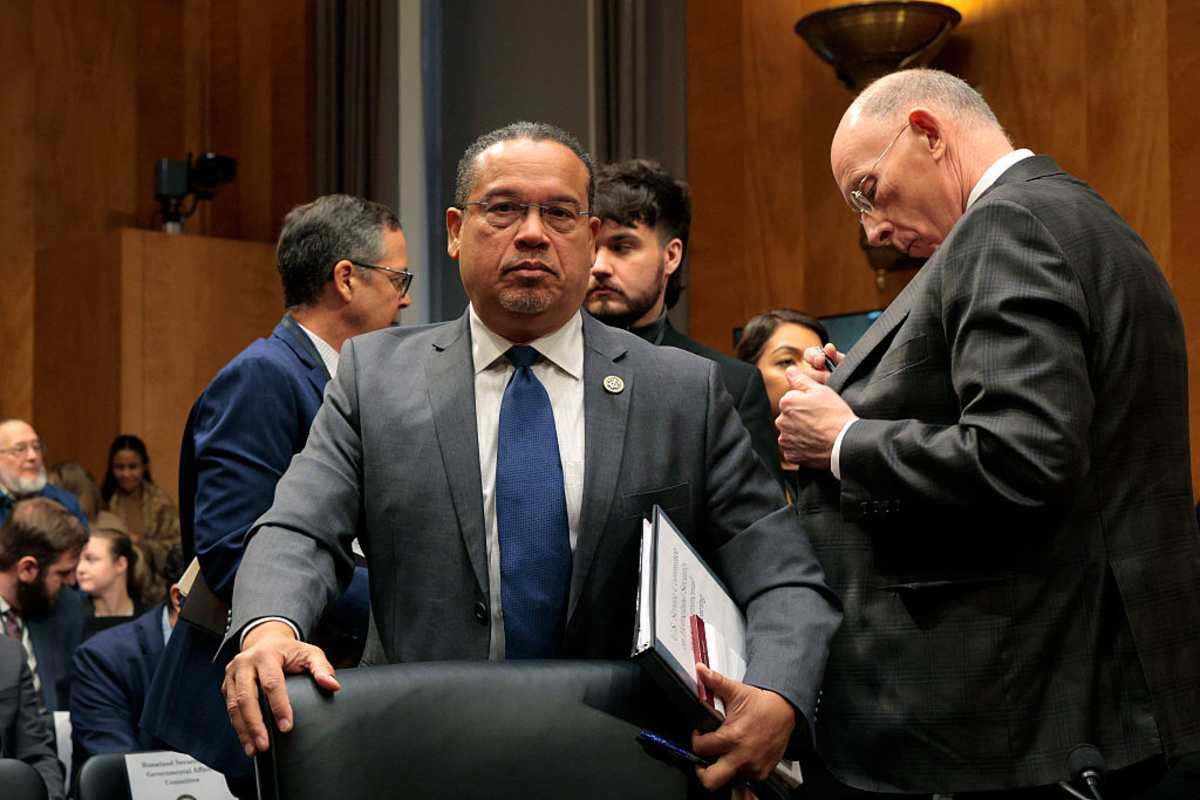
Minnesota Attorney General Keith Ellison told lawmakers that the enforcement surge “has caused real harm to our state.”
Ellison urged Congress to require ICE to provide a full accounting of individuals stopped, detained, arrested, and deported during the operation. He also called for documentation of conditions in ICE facilities and joint investigations with state authorities into the deaths of Good and Pretti.
Ellison said it was “highly unusual” that Minnesota had not yet been granted access to key evidence in the cases.
Minnesota Department of Corrections Commissioner Paul Schnell criticized the structure of the operation.
“What has resulted is not controlled, target-focused enforcement, but an operation lacking planning, discipline, and constitutional restraint,” Schnell said.
Republican lawmakers defended federal enforcement efforts. Rep. Tom Emmer blamed what he described as “radical sanctuary state and city policies in Minnesota” for contributing to violence.
“By preventing local law enforcement from working together with federal law enforcement, they have turned Minnesota into a safe haven for criminal illegal aliens,” Emmer said.