Scott Jennings says majority of Republicans trust Trump, schools critics on need for Iran strikes
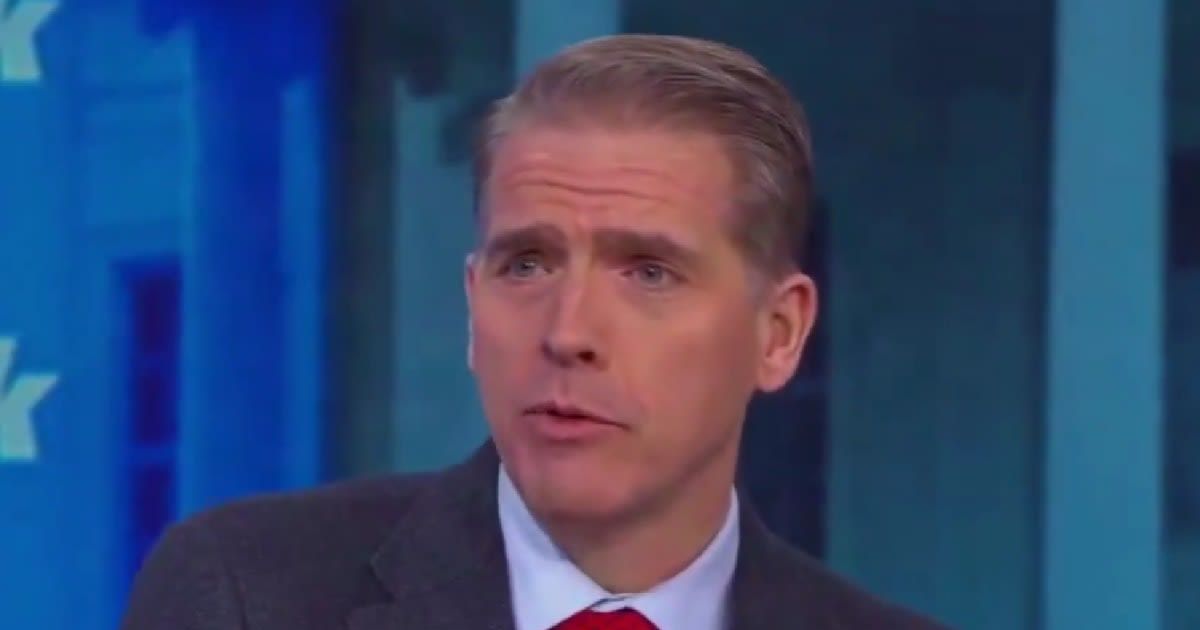
ATLANTA, GEORGIA: Republican strategist Scott Jennings said the “vast majority” of GOP voters trust President Donald Trump on Iran, pushing back forcefully against critics questioning the necessity and long-term impact of recent US strikes.
Speaking during a heated panel discussion with CNN host Abby Phillip on Monday, March 2, Jennings argued that Trump has been consistent for years in drawing a red line around Iran’s nuclear ambitions and that events only reinforced the president’s long-held position.
Scott Jennings: “I think vast majority of Republicans support the President's judgment, particularly on Iran. He's always had good instincts on this. He's always been very consistent on this, that he would never allow them to get a nuclear weapon. In fact, while we're on the air,… pic.twitter.com/6lawaCFDj6
— RedWave Press (@RedWavePress) March 3, 2026
Scott Jennings says 'majority trusts President'
“I think vast majority of Republicans support the President's judgment, particularly on Iran,” Jennings said.
“He's always had good instincts on this. He's always been very consistent on this, that he would never allow them to get a nuclear weapon.”
Jennings referenced comments made by US Special Envoy Steve Witkoff, who claimed Iranian negotiators admitted to having enough enriched uranium for multiple nuclear weapons.
“While we're on the air, Steve Witkoff is over on Fox News saying the Iranians told him clearly, quote, ‘We have enough material for 11 nuclear bombs, and that is our starting point',” Jennings said.
He added that if Iranian officials were openly stating such a position during negotiations, it left Trump little room to tolerate the situation.

“Obviously, the President has consistently over the years said, that's not acceptable to me,” Jennings continued.
“And for the people who are criticizing him over it, honestly, were you not listening to him for years and years and years when he said repeatedly, no nuclear weapons?”
Q: If the last attack on Iran didn't deter the Iranian regime, why will this attack be different?
— Scott Jennings (@ScottJenningsKY) March 3, 2026
A: Because the people who weren't deterred are now DEAD pic.twitter.com/en81ndixun
Abby Phillip questions 'need for strikes'
Phillip challenged Jennings on whether renewed bombing would meaningfully alter Iran’s political trajectory, particularly if previous strikes failed to deter the regime.
“If bombs dropping on the nuclear program and destroying them last year didn't help move forward those objectives of deterring the regime, why do we think that suddenly this is going to do the same thing?” she asked.
Jennings responded bluntly “Because the people who weren't deterred are now dead.”
Phillip countered that leadership losses do not necessarily translate into systemic political change, noting that Iran’s government structure remains intact just days after the latest strikes.
“There’s no indication, as we sit here tonight, that there have been any political changes in Iran,” she said, questioning the broader strategic rationale.

Scott Jennings defends strikes against Iran
Jennings defended the administration’s justification, citing ballistic missile threats and risks to American personnel and regional bases.
“We had a huge problem with the ballistic missiles and we did believe that if Israel attacked that our bases were going to be targeted,” he said, referencing explanations provided by the Secretary of State. He also pointed to Iran’s decades-long hostility toward the United States.
“For 47 years, they have waged war against Western civilization, against the United States. Their mantra is ‘death to America.’ They have killed American soldiers, American personnel. They have maimed people, our people,” Jennings argued.
“So if you want to go back decades or you want to go back two weeks, there's plenty of reasons to believe that those people that we kill being gone is good for US national security. That's my view.”
Jennings added that the president’s objectives of preventing Iran from possessing ballistic missiles and nuclear weapons are “worthy,” and suggested that if future Iranian leadership abandons those ambitions, it would represent a positive outcome.