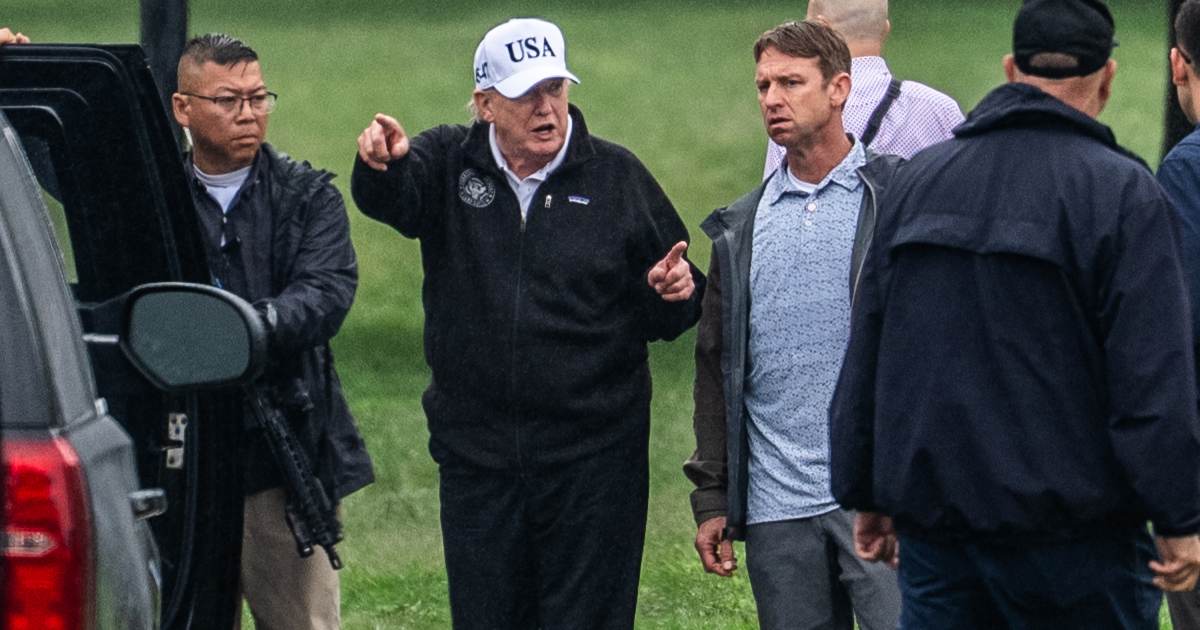
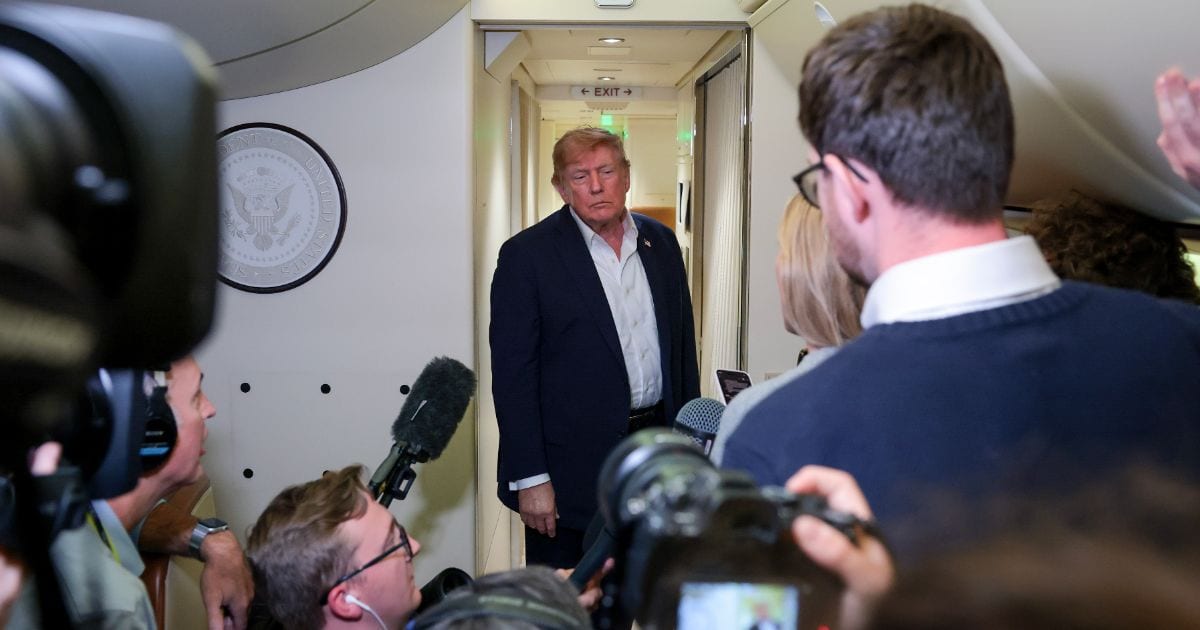
Special Envoy Steve Witkoff reveals why Trump hit Iran: 'They boasted fuel for 11 nuclear bombs'
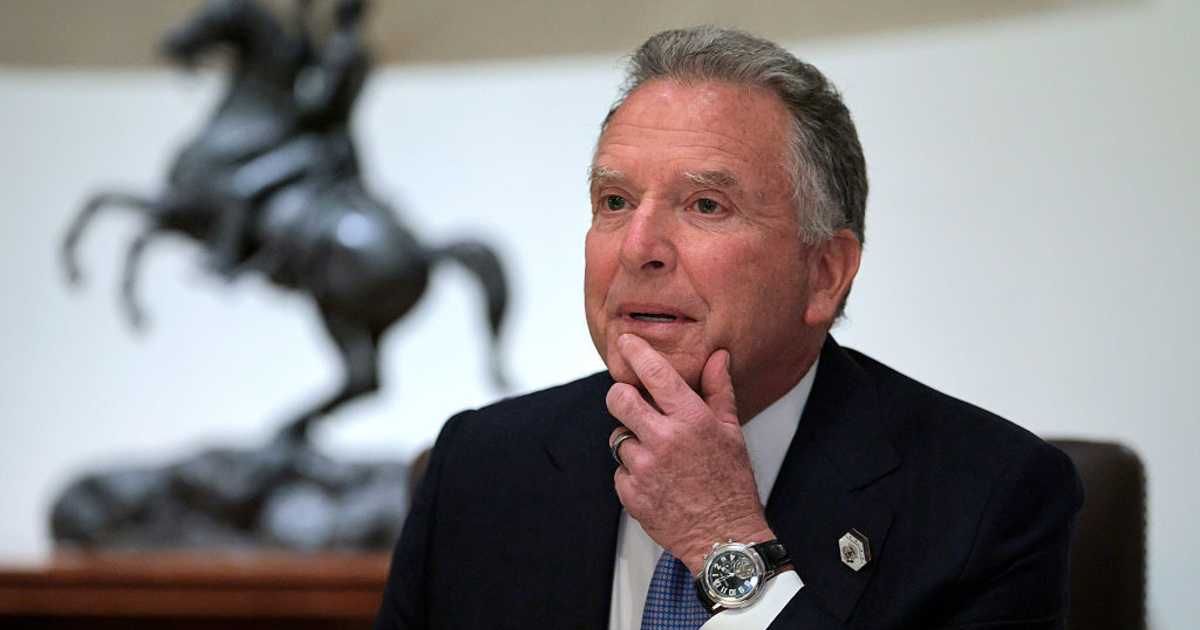
NEW YORK CITY, NEW YORK: US Special Envoy to the Middle East, Steve Witkoff, said the joint American–Israeli strike on Iran was driven by alarming details shared during nuclear talks, claiming Tehran openly acknowledged it had stockpiled enough highly enriched uranium for up to 11 nuclear weapons.
Speaking on Fox News Monday, March 2, Witkoff said negotiations collapsed after Iranian officials insisted on what they called an "inalienable right" to continue enriching nuclear fuel.
Steve Witkoff:
— Clash Report (@clashreport) March 3, 2026
Let me say this, because I forgot this small little detail.
In that first meeting, both the Iranian negotiators said to us directly, with no shame, that they controlled 460 kilograms of 60% and they're aware that that could make 11 nuclear bombs, and that was the… pic.twitter.com/cT9VAfv8PD
Steve Witkoff explains reason behind Iran strikes
According to Witkoff, US officials entered talks in Geneva seeking three primary outcomes: a complete shutdown of Iran’s nuclear and ballistic missile programs, an end to its support for regional armed proxies, and the dismantling of its naval capabilities to ensure what he described as “freedom of the seas.”
But Iranian negotiators, he claimed, made their intentions unmistakably clear.
“The Iranians told us directly, and without shame, that they have 460 kg of uranium enriched to 60%,” Witkoff said.
“They were proud that they had evaded all sorts of oversight protocols to get to a place where they could deliver 11 nuclear bombs.”
Uranium must typically be enriched to around 90% purity for use in a nuclear weapon. However, experts note that once material has reached 60% enrichment, the technical leap to weapons-grade levels can be achieved relatively quickly— potentially within days.
Witkoff said Tehran’s insistence on maintaining enrichment capabilities for what he described as potential armament purposes left the US with little room to maneuver diplomatically.
"We responded that the President feels we have the inalienable right to stop you dead in your tracks," Witkoff said, according to a report by The Times of Israel.
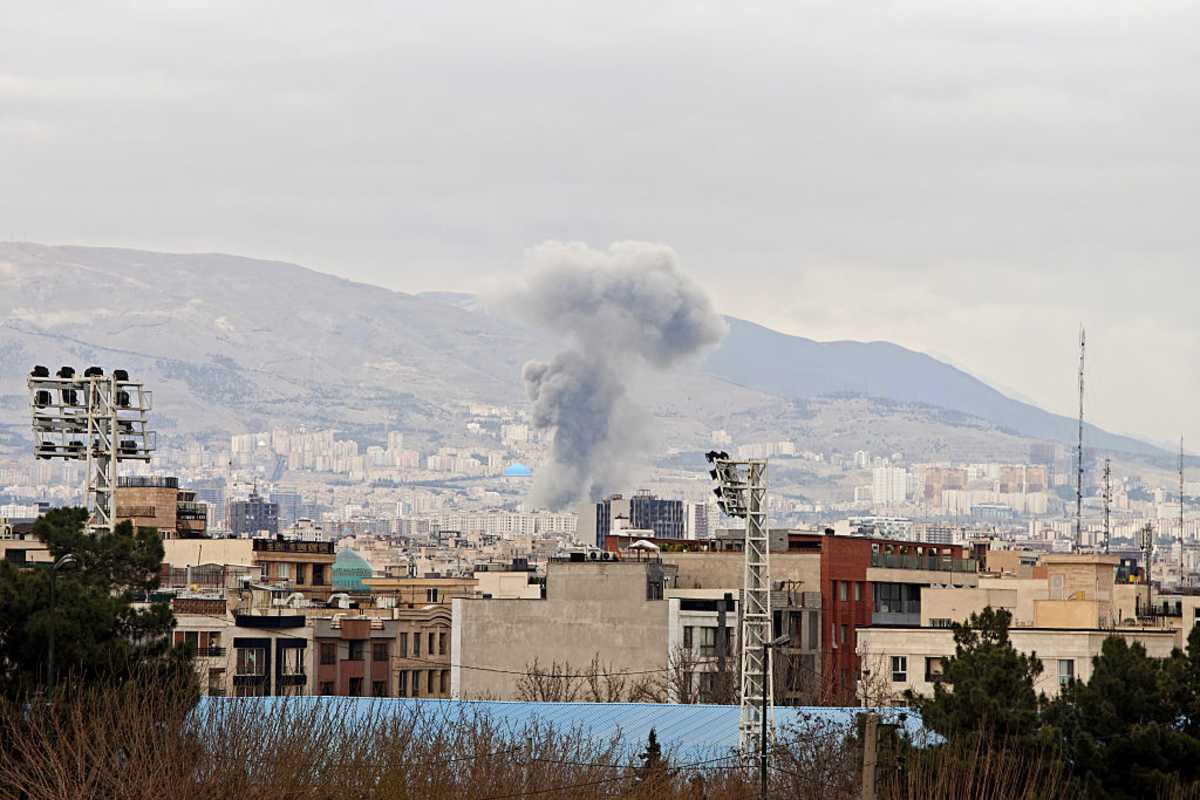
Witkoff says negotiations were 'difficult'
Witkoff added that he and Jared Kushner reported back to the president that reaching a deal would be extraordinarily difficult.
“We tried to make a fair deal, it was very, very clear it was going to be impossible, probably by the end of the second meeting,” he said.
While Witkoff did not detail the operational specifics of the recent strike, prior US action against Iranian nuclear infrastructure has centered on key facilities including Fordow Fuel Enrichment Plant, Natanz Nuclear Facility and Isfahan Nuclear Technology Center.
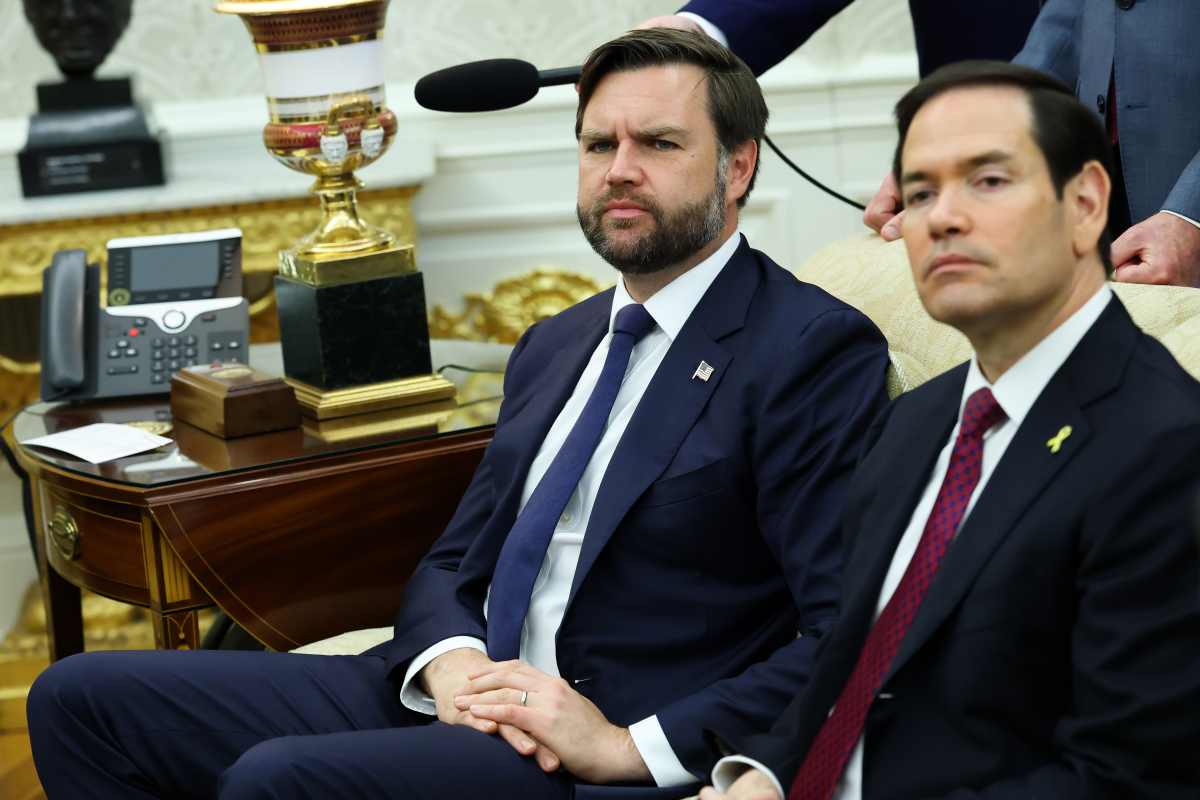
In June 2025, JD Vance claimed that roughly 400 kg of enriched uranium was unaccounted for following US airstrikes that used bunker-buster bombs to target those sites.
At the time, Vance had said the stockpile had already been enriched to 60% purity.