SCOTUS hands GOP major midterm boost by scrapping campaign spending limits
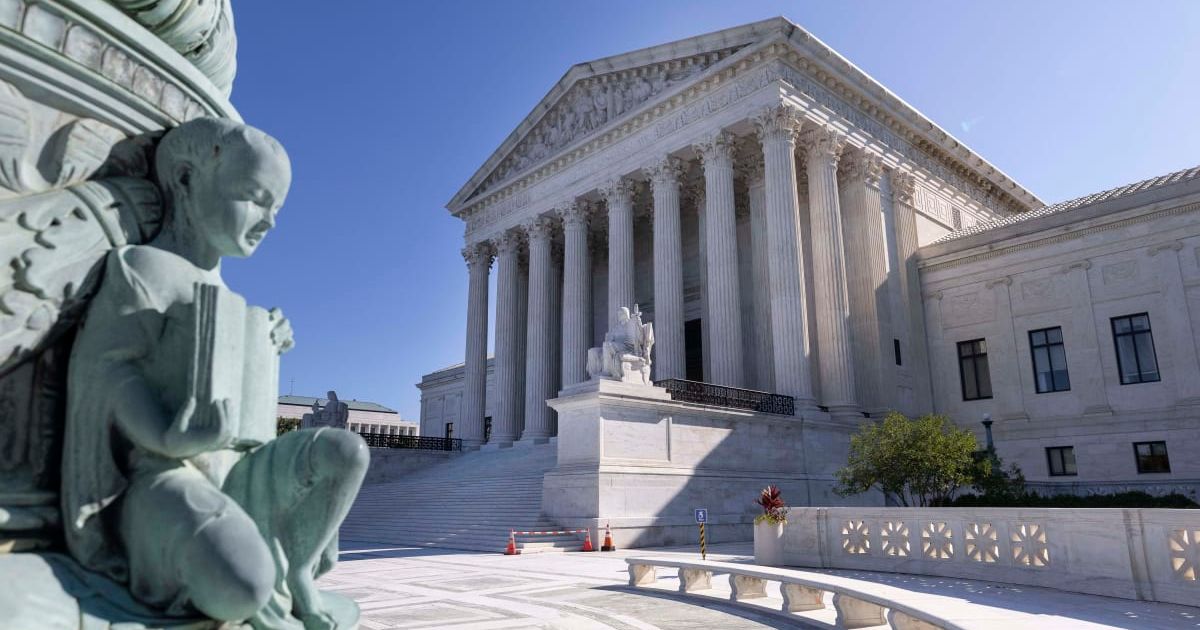
WASHINGTON, D.C: The Supreme Court on Tuesday, June 30, struck down longstanding federal limits on coordinated campaign spending between political parties and their candidates, delivering one of the most significant campaign finance rulings since Citizens United and reshaping the financial landscape ahead of the 2026 midterm elections.

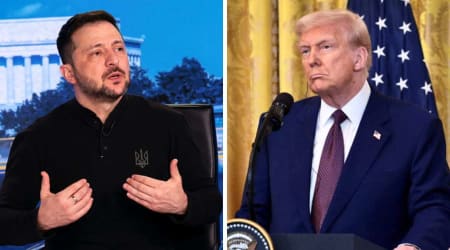
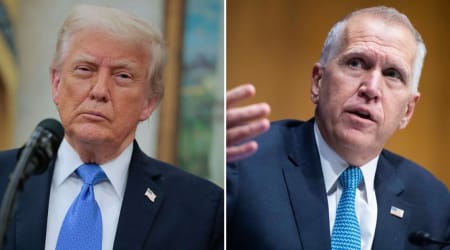
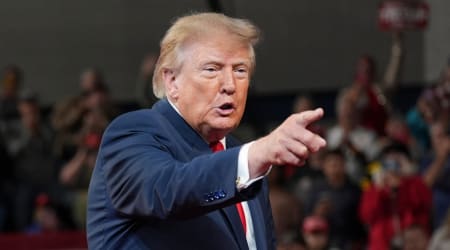
President Donald Trump quickly celebrated the decision on Truth Social, calling it "a BIG WIN FOR REPUBLICANS" and declaring it "more importantly, The First Amendment."
The decision invalidates provisions of the Federal Election Campaign Act of 1971 that capped how much national and state party committees could spend in coordination with candidates.
The challenge was brought by the National Republican Senatorial Committee (NRSC), which argued the restrictions violated the First Amendment by limiting political speech and campaign advocacy.
Court overturns decades-old spending caps
The case revisited the Supreme Court's 2001 decision in FEC v. Colorado Republican Federal Campaign Committee, which had upheld coordinated spending limits. The NRSC argued that the campaign finance environment had fundamentally changed following the court's landmark Citizens United v. FEC ruling in 2010 and the rise of Super PACs.
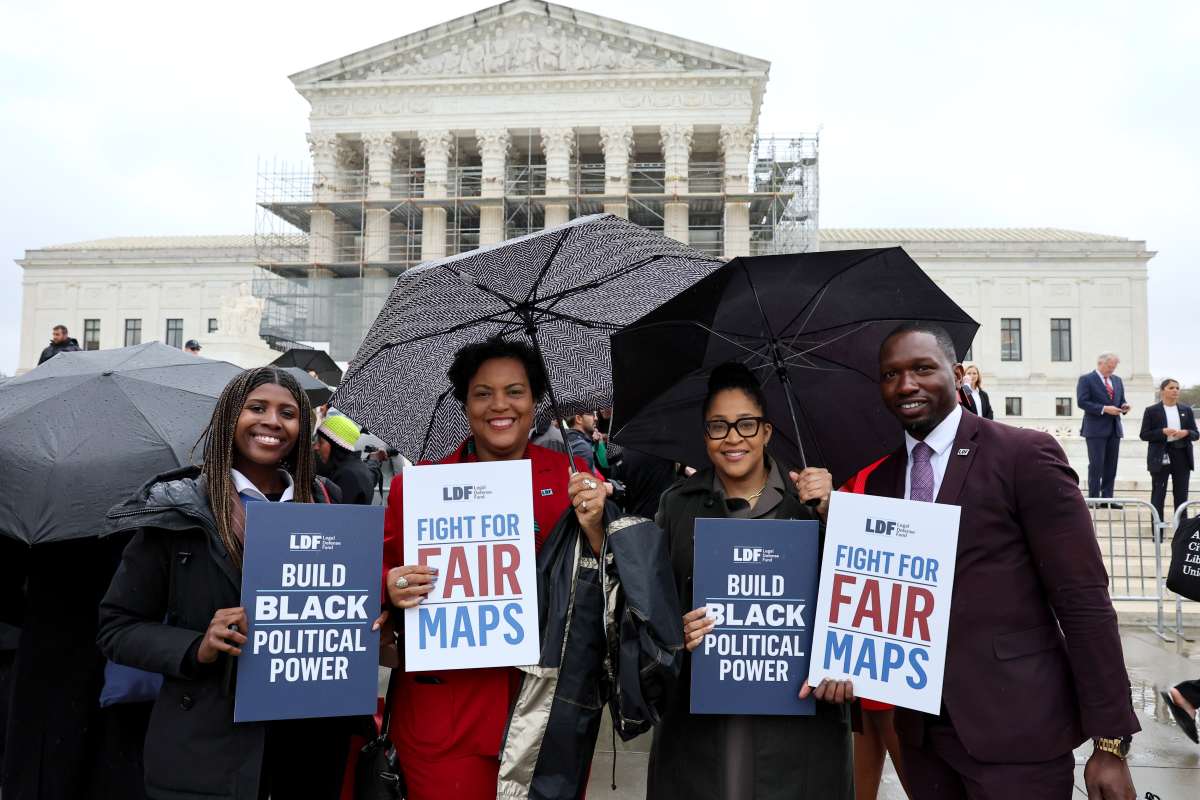
By siding with the Republican-backed challenge, the justices removed federal ceilings on coordinated expenditures between political parties and their preferred candidates. The ruling allows party committees to spend without the previous statutory limits while working directly with campaigns.
Supporters of the decision argued that coordinated spending is protected political speech and should not receive different constitutional treatment from other forms of campaign advocacy.
Republicans positioned to benefit first
The immediate political impact could favor Republicans, whose national campaign committees currently maintain a substantial fundraising advantage over their Democratic counterparts.

According to the latest Federal Election Commission filings, the Republican National Committee holds significantly more cash on hand than the Democratic National Committee. With coordinated spending caps eliminated, party leaders can now direct those financial resources more efficiently into competitive House and Senate races before November.
Republican strategists argued the decision enables party organizations to purchase campaign advertising more effectively while coordinating messaging with candidates in battleground contests.
Critics warn of campaign changes
Democratic election lawyers and campaign finance advocates argued throughout the case that eliminating coordinated spending limits weakens safeguards designed to prevent wealthy donors from exerting disproportionate influence through party committees.
During oral arguments, Justice Elena Kagan questioned whether unlimited coordinated expenditures could function much like direct campaign contributions, while Democratic attorney Marc Elias warned the ruling could fundamentally alter the role of political parties by turning them into financing vehicles for individual campaigns.
The decision is expected to influence fundraising strategies immediately as both parties prepare for one of the most closely watched congressional elections in recent years. Election law experts say the ruling will likely reshape campaign operations well beyond the 2026 midterms.