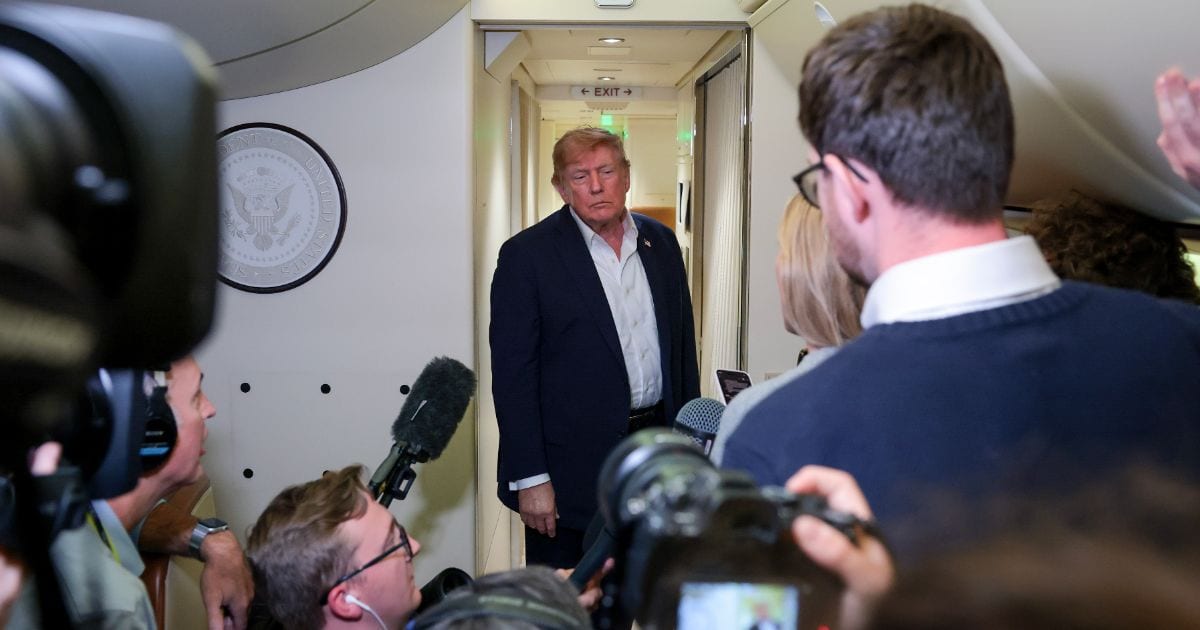
Sean Duffy shrugs off sky-high airfares, calls them a ‘short-term blip’ under Trump
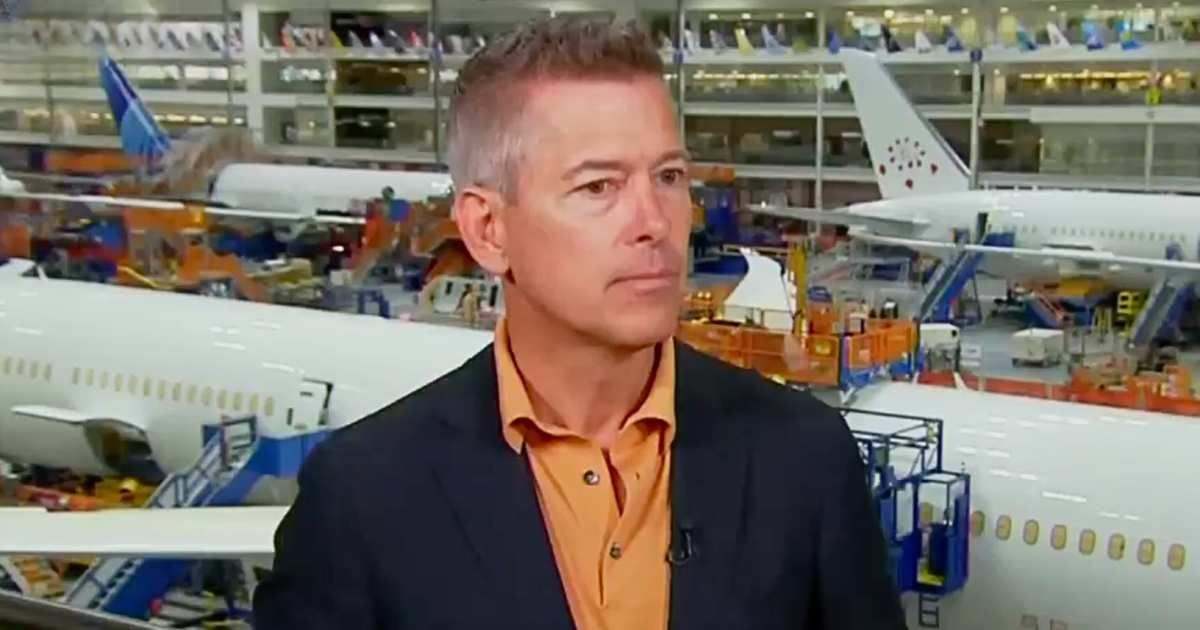
WASHINGTON, DC: Transportation Secretary Sean Duffy is telling Americans to hang tight even as flight prices soar and wallets take a beating. According to him, the situation is only temporary, thanks to President Donald Trump.
The cost of jet fuel has spiked sharply in recent weeks, driven by the escalating conflict between the United States, Israel, and Iran. Adding to the squeeze, Iran continues to control the crucial Strait of Hormuz, a narrow chokepoint that handled nearly 34% of the world’s crude oil trade in 2025.
That bottleneck has shaken global fuel markets. Airlines have responded by hiking ticket prices and trimming services.
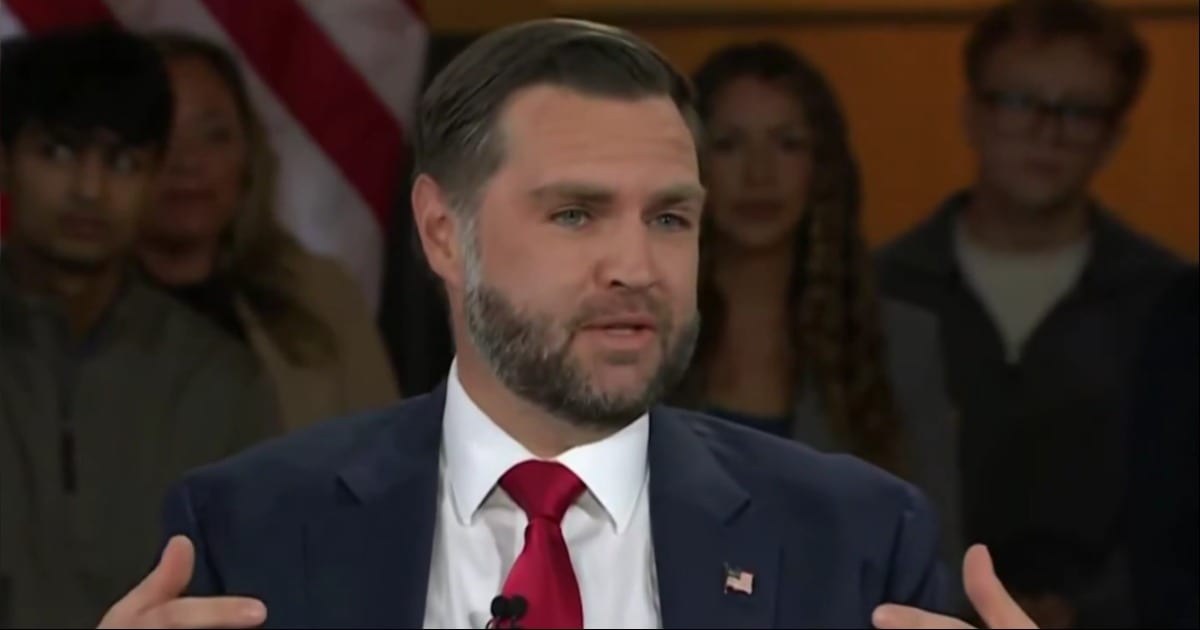
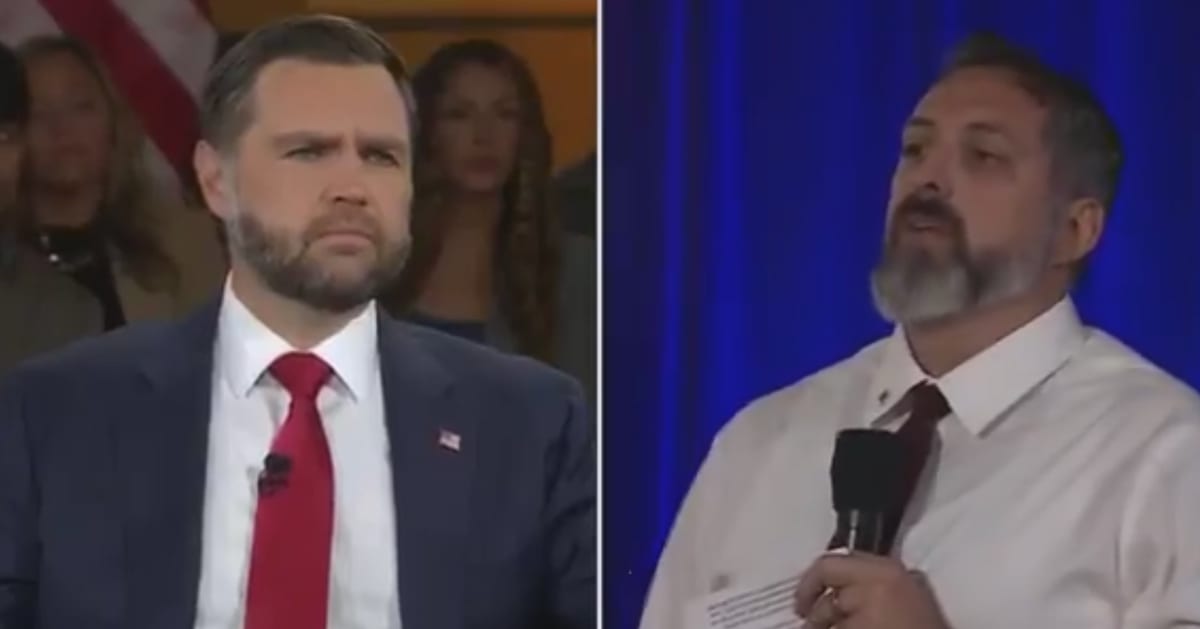
CNBC: What do you say to people who are looking at these airfares and saying, 'Wait a second, I can't take my family to California this summer. It's ridiculous!'
— Aaron Rupar (@atrupar) April 7, 2026
SEAN DUFFY: Thanks to President Trump and American energy dominance, we have a ton of energy in the US. This is short… pic.twitter.com/L20mDKd52r
Sean Duffy offers reassurances
But Duffy tried to cool nerves. He argued that the US is in a stronger position than in decades past.
“Thanks to President Trump and American energy dominance, we have a ton of energy in the US,” he told CNBC. “So we are less reliant on the Strait of Hormuz than we would have been say, 25, 30 years ago because of fracking.”
Duffy added that he’s been in touch with industry leaders, claiming he had spoken to “all the airline CEOs,” who “feel really good about the supply.”
Still, he acknowledged the squeeze is hitting home. He blamed international fuel markets for pushing up domestic prices but brushed off the spike as temporary.
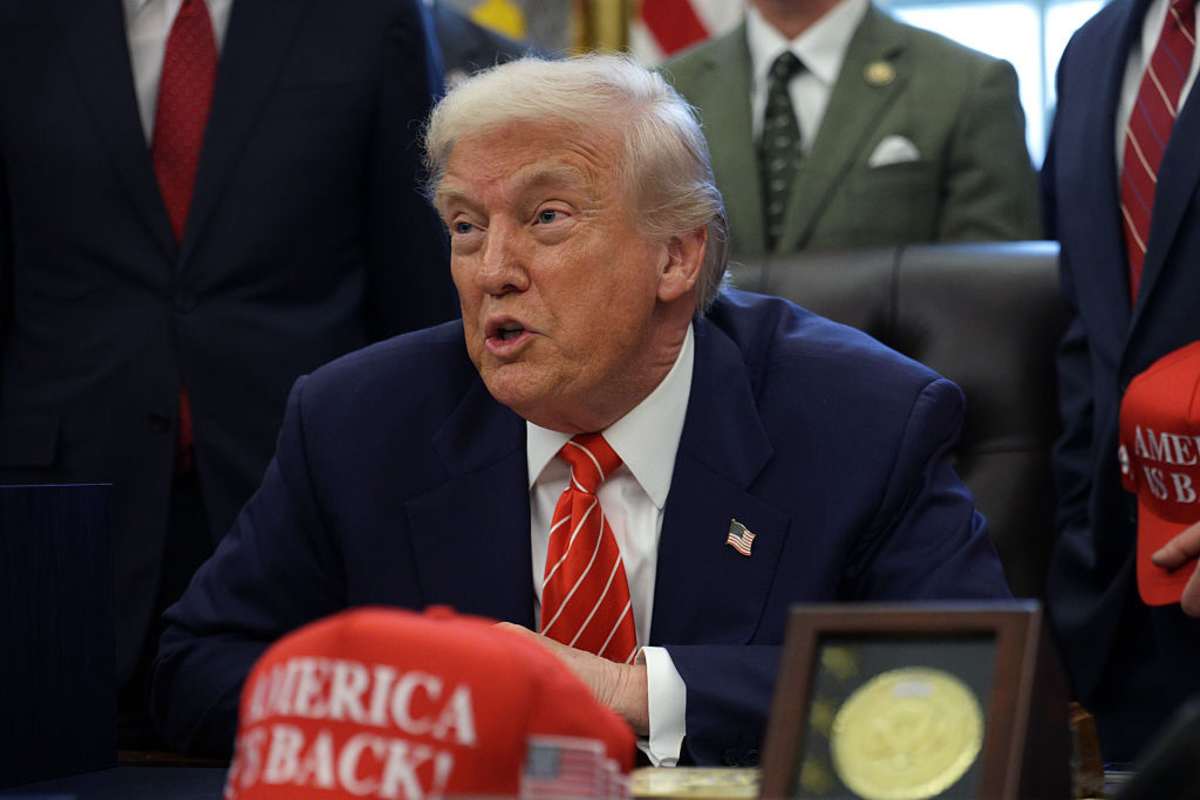
“The president thinks about this short-term,” he added, pitching the current chaos as a mere “blip” and suggesting that once global markets stabilize, the US will be “better off as a country.”
The numbers, however, tell a harsher story. The U.S. Energy Information Administration projects jet fuel prices will average $3.39 per gallon in 2026, according to Argus Media. It's a nearly 30 percent jump from last month’s $2.67 forecast.
Airlines squeeze passengers and each other
As fuel costs climb, United Airlines has already raised checked baggage fees, with most passengers now shelling out an extra $10 just to bring a bag.
United CEO Scott Kirby reportedly warned that some carriers may not make it through the crisis, telling the Los Angeles Times that certain airlines might “not survive.”
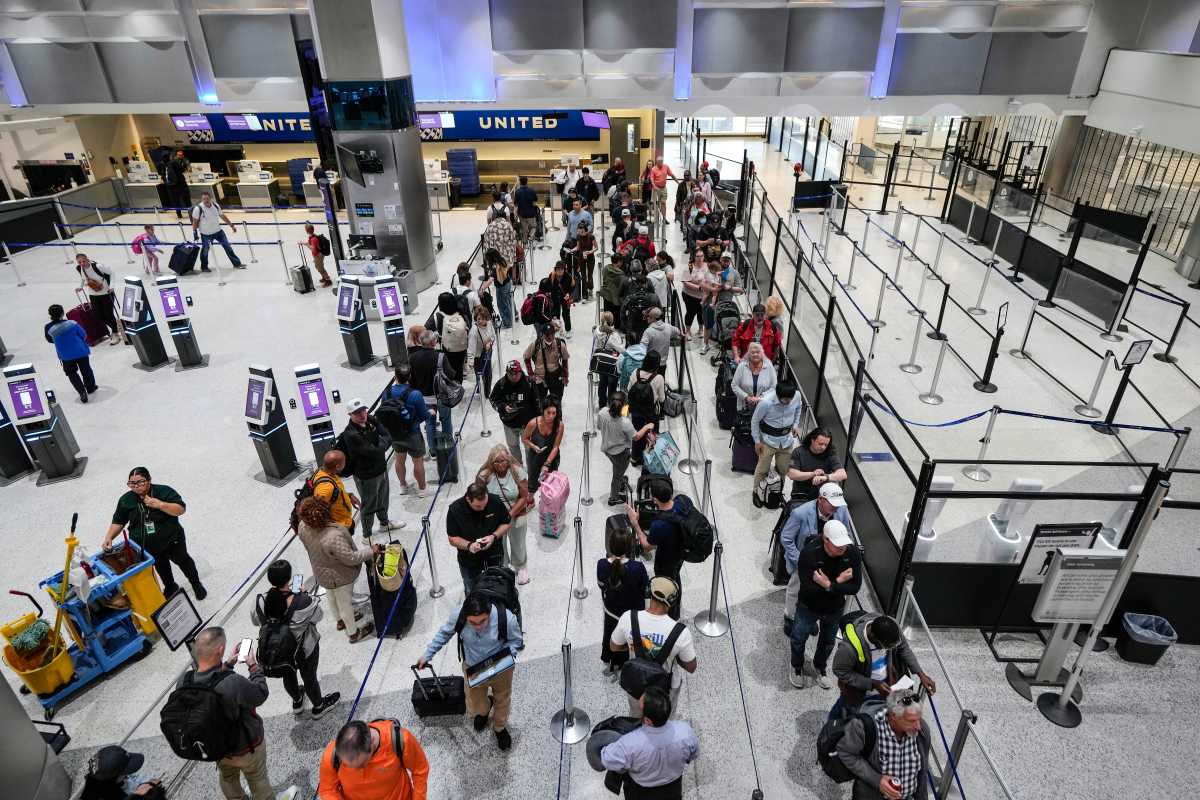
Travelers are also facing airport headaches. The fuel crisis is unfolding alongside a partial government shutdown that has left the Department of Homeland Security underfunded. Since DHS oversees the Transportation Security Administration, passengers have been warned to brace for long security lines and delays.
Meanwhile, consolidation chatter is heating up in the skies. Duffy hinted that any major airline merger would face heavy scrutiny, not just from regulators, but from Trump himself.
“So that’s going to come through us, but also President Trump,” he said. “He loves to see big deals happen. He’ll have to review that kind of a deal.”
Duffy was pressed on whether more mergers are likely. "There's always chatter," he replied. "But is there room for some mergers in the aviation industry? Yeah, I think there is."
He made clear, though, that any tie-up between major carriers wouldn’t come easy. "They're going to have to peel off some of their assets," he said, adding he doesn’t want “this massive infrastructure with one airline in America.”
CNBC: There's growing chatter that one of the big four airlines could get even bigger and buy one of the smaller ones. Would you like to see that?
— Aaron Rupar (@atrupar) April 7, 2026
SEAN DUFFY: President Trump loves to see big deals happen. He'd have to review it. But I think there's room for some mergers in the… pic.twitter.com/LnpI4CUqDz
A crowded runway
The US aviation industry is already dominated by four heavyweights, namely Delta Air Lines, American Airlines, Southwest Airlines, and United Airlines. Each controls between 17.8% and 16.6% of the market, according to 2025 data from the Bureau of Transportation Statistics.
Smaller players like JetBlue, Alaska Airlines, Frontier Airlines, and Spirit Airlines are still in the mix, but the pressure is on with rising costs and shrinking margins.