Senate advances resolution curbing Trump's Venezuela war powers, with 5 GOP senators joining
WASHINGTON, DC: The Senate voted on Thursday, January 8, to advance a bipartisan resolution aimed at restricting President Donald Trump’s ability to use military force in or against Venezuela without congressional approval.
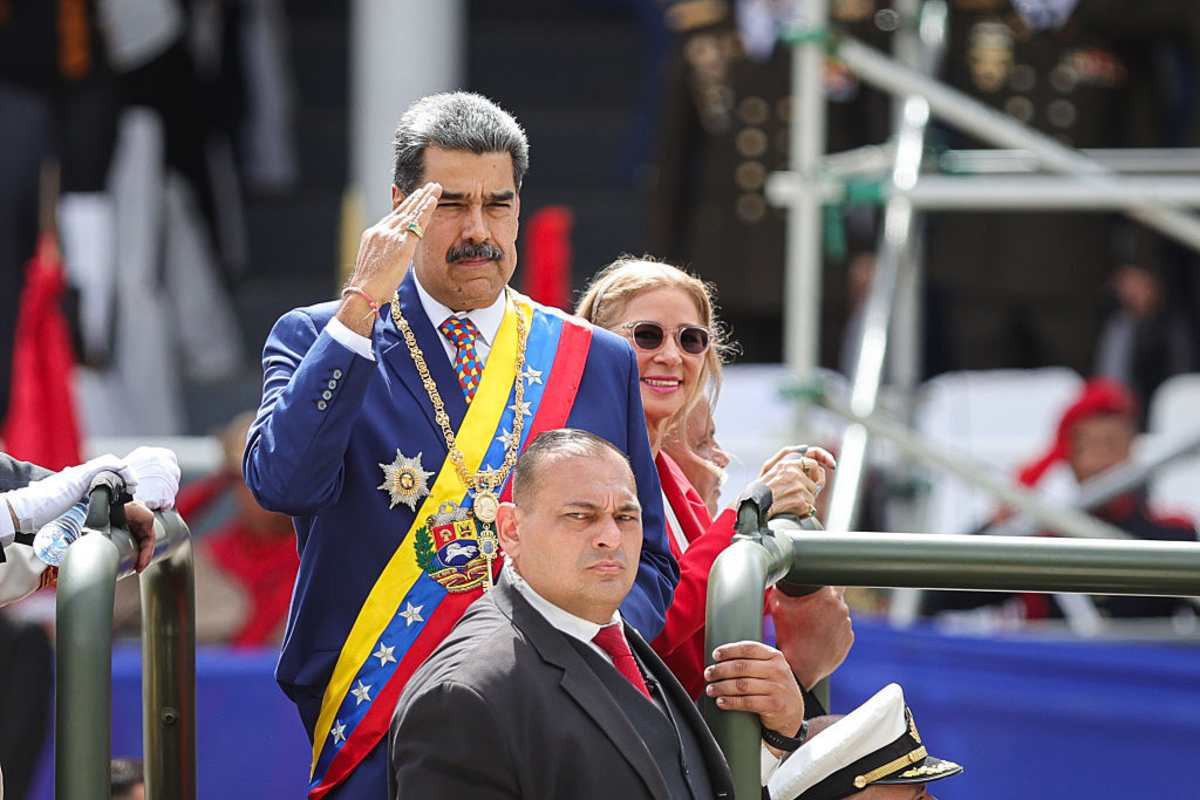
The procedural vote came days after Trump ordered a military operation to capture now-ousted Venezuelan leader Nicolás Maduro and publicly suggested that the United States could oversee the country for an extended period.
The measure passed with support from all Democrats and five Republicans, signaling rare bipartisan concern over the scope of presidential war powers.
Bipartisan vote advances war powers challenge to Trump
The Senate voted 52–47 to advance the war powers resolution, setting up a final vote expected next week.
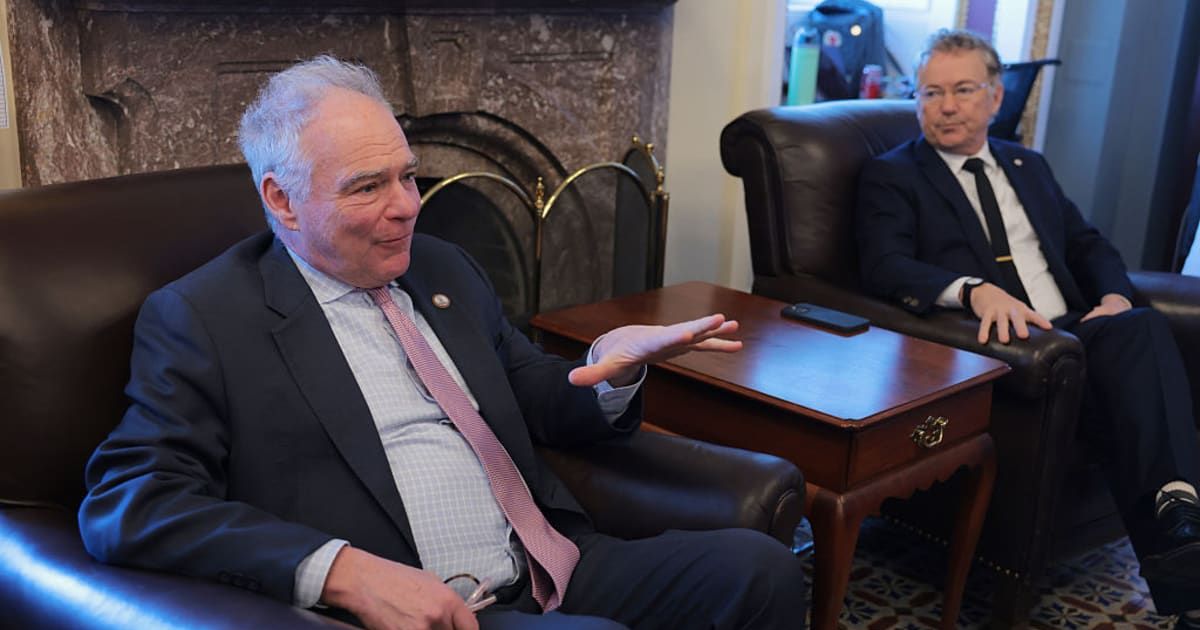
The legislation was led by Senator Tim Kaine, D-Va, and was co-sponsored by Senator Rand Paul, R-Ky, Senator Adam Schiff, D-Calif, and Senate Minority Leader Chuck Schumer, D-NY.
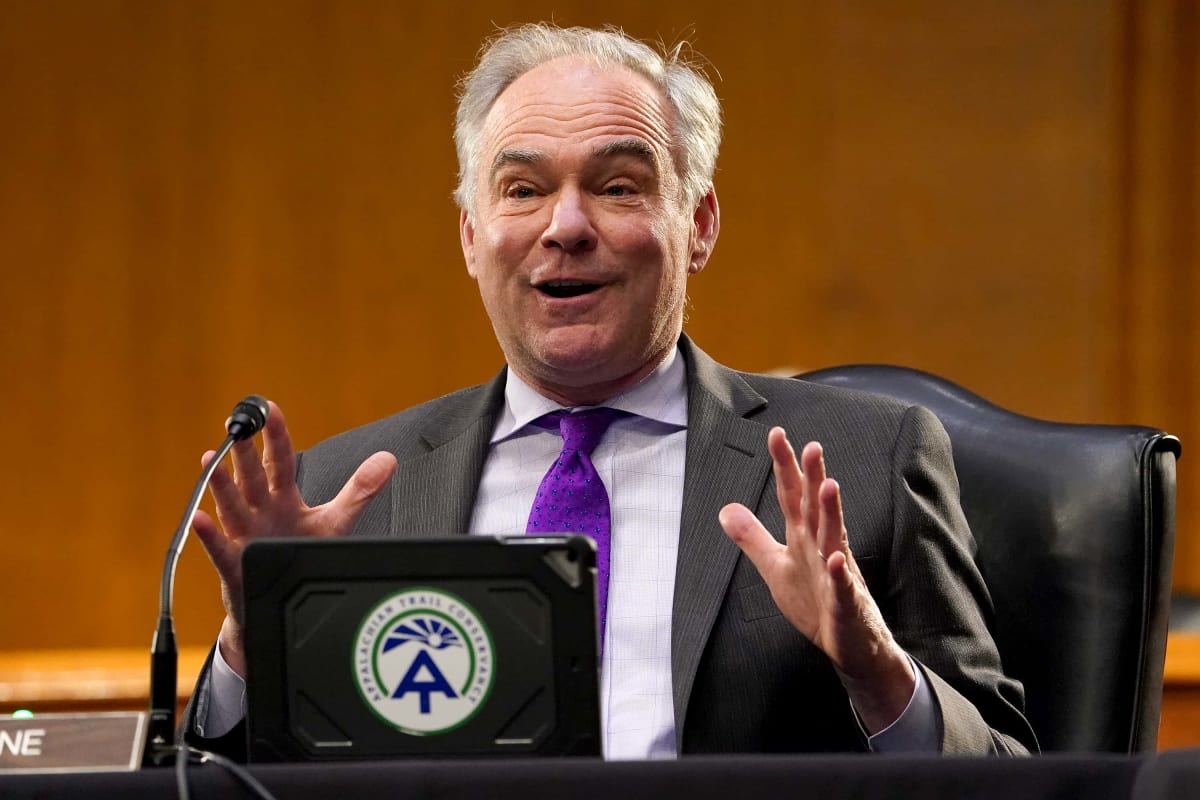
While the resolution would still need approval from the House and President Trump’s signature to become law, its passage would mark a symbolic rebuke of the president’s unilateral use of military force.
Five Republicans joined all 47 Democrats in voting to advance the measure: Senators Rand Paul of Kentucky, Susan Collins of Maine, Lisa Murkowski of Alaska, Todd Young of Indiana, and Josh Hawley of Missouri.
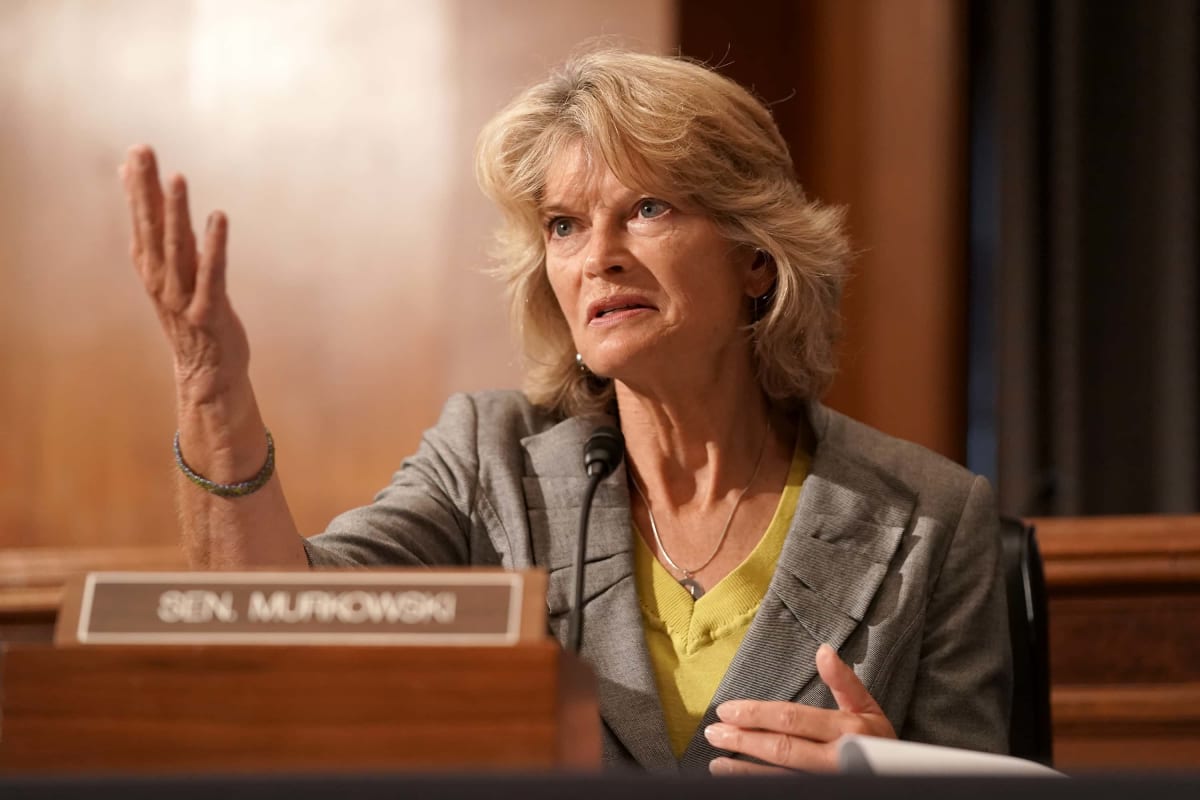
Kaine sharply criticized Trump’s actions in Venezuela, calling them unconstitutional.
“Instead of responding to Americans’ concerns about the affordability crisis, President Trump started a war with Venezuela that is profoundly disrespectful to US troops, deeply unpopular, suspiciously secretive and likely corrupt,” Kaine said.
“Trump’s war is also clearly illegal because this military action was ordered without the congressional authorization the Constitution requires,” he added.
Kaine urged senators to assert Congress’s authority over decisions of war and peace. “To my Senate colleagues: Enough is enough,” he said. “That means no war without a debate and vote in Congress.”

Senator Paul echoed those concerns, warning against shifting responsibility entirely to the executive branch.
“Make no mistake, bombing another nation’s capital and removing their leader is an act of war, plain and simple,” he said. “No provision in the Constitution provides such power to the presidency.”
Republicans split as administration defends the president's authority
The vote represented an early test of Republican willingness to limit Trump’s military authority following the capture of Maduro.
While many Republicans supported the administration’s actions, several senators said Trump’s comments about extended US involvement raised concerns.
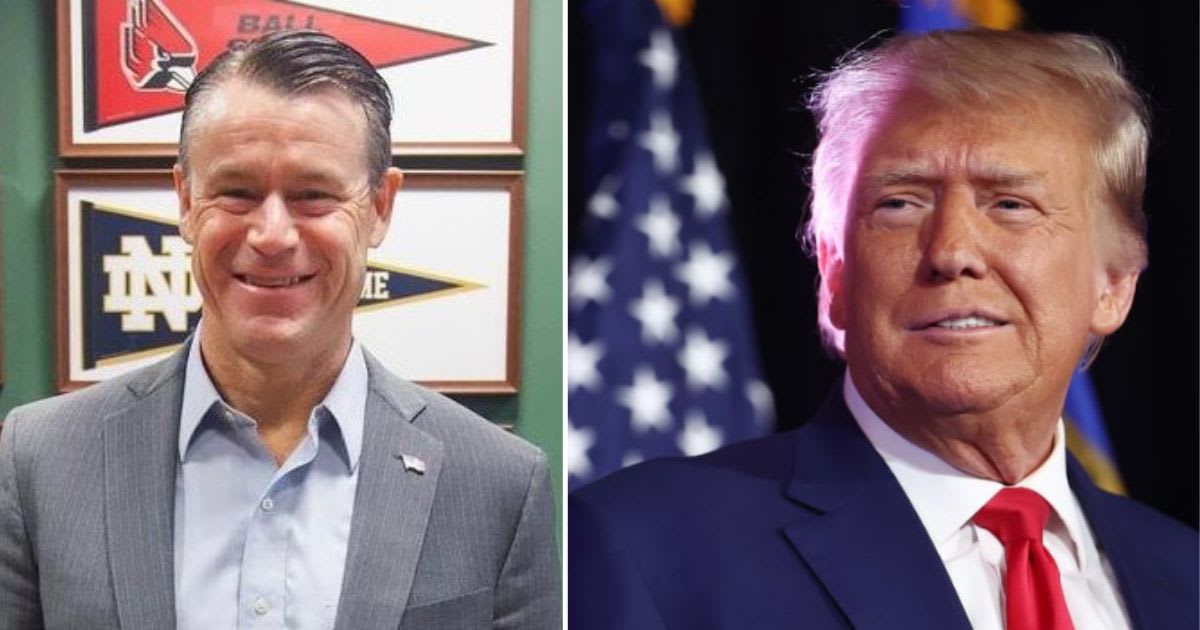
Senator Todd Young said that the president’s statements left unanswered questions about future military commitments.
“The president and members of his team have stated that the United States now ‘runs’ Venezuela,” Young said. “It is unclear if that means that an American military presence will be required to stabilize the country.”
He added, “I am not prepared to commit American troops to that mission,” without congressional debate and authorization.
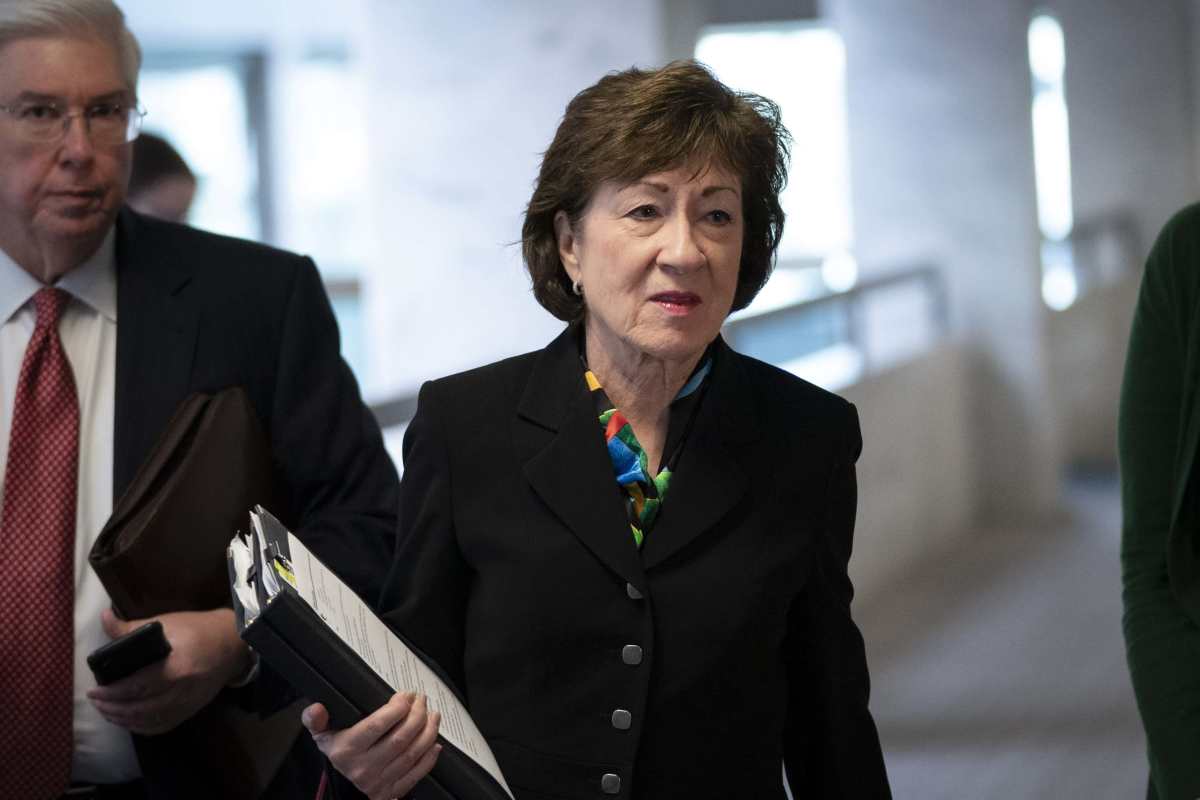
Senator Susan Collins said invoking the 'War Powers Act' was necessary given Trump’s remarks about “boots on the ground” and sustained engagement.
Murkowski similarly said Congress must “affirm our role under Article 1.”
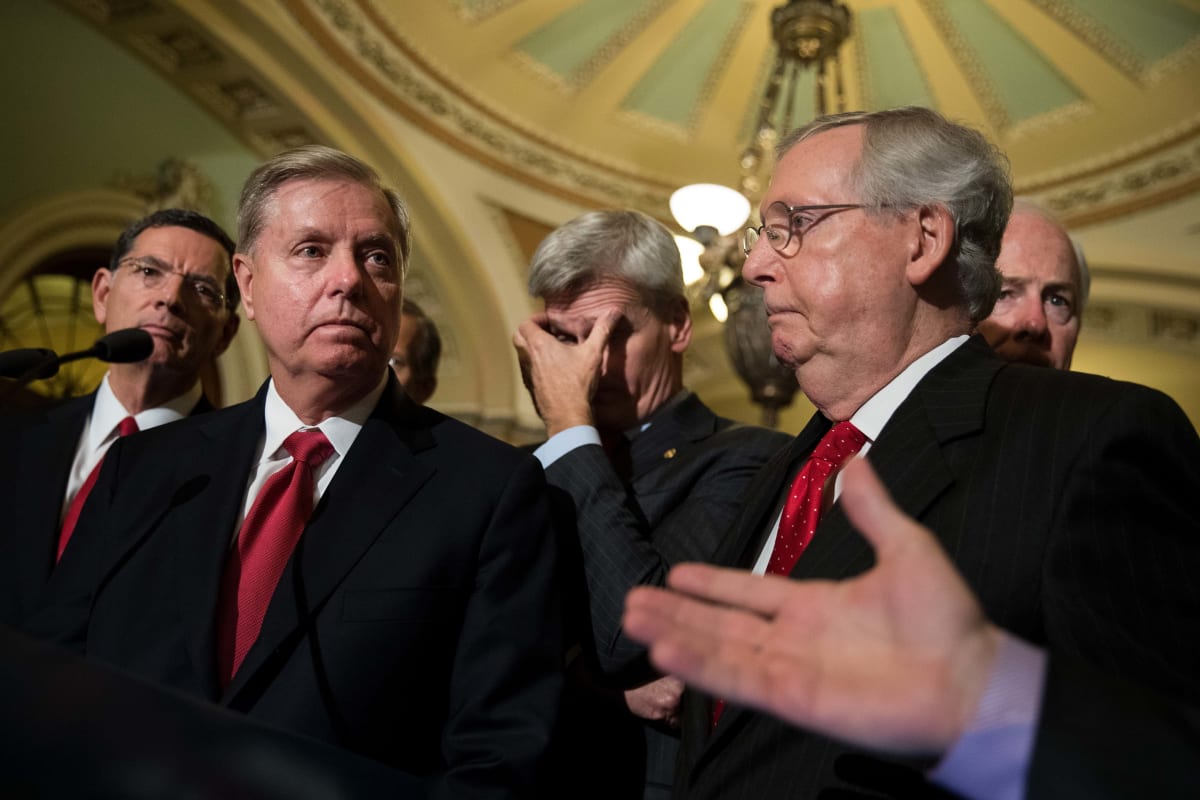
Republican leadership opposed the resolution.
Senate Majority Whip John Barrasso, R-Wyo, urged senators to vote against it, describing the operation as a law enforcement action rather than an act of war.
“It would weaken the President’s legitimate, constitutional authority,” Barrasso said, arguing the issue was whether the president can arrest indicted criminals.