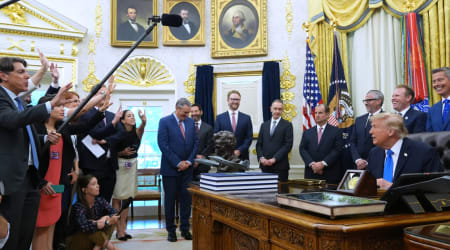
Interior Secretary Burgum says US mulling oil reserve release as Iran war jolts energy markets

WASHINGTON, DC: Interior Secretary Doug Burgum said on Wednesday, March 11, that the Trump administration could consider tapping into the nation’s strategic oil reserves as rising global prices followed disruptions linked to the war with Iran.
Burgum described the current energy market volatility as a temporary issue tied primarily to transportation disruptions in global oil supply routes.
His remarks came as fuel prices in the United States climbed sharply and oil markets remained volatile amid escalating tensions in the Middle East.
Officials said that the administration was monitoring supply disruptions and considering possible steps to stabilize markets if necessary.

Doug Burgum says diplomacy will stabilize global energy markets
Speaking with Fox News, Burgum reiterated the administration’s view that recent increases in oil prices were tied to temporary supply challenges rather than long-term shortages.
He said that the United States had options available to ensure that energy continued flowing to global markets.
“These are the moments these reserves are used for,” Burgum said. “We have a transit problem, which is temporary. When you have a transit problem, we are resolving diplomatically, which we can and will resolve, perfect time to think about releasing those to take pressure off global price.”
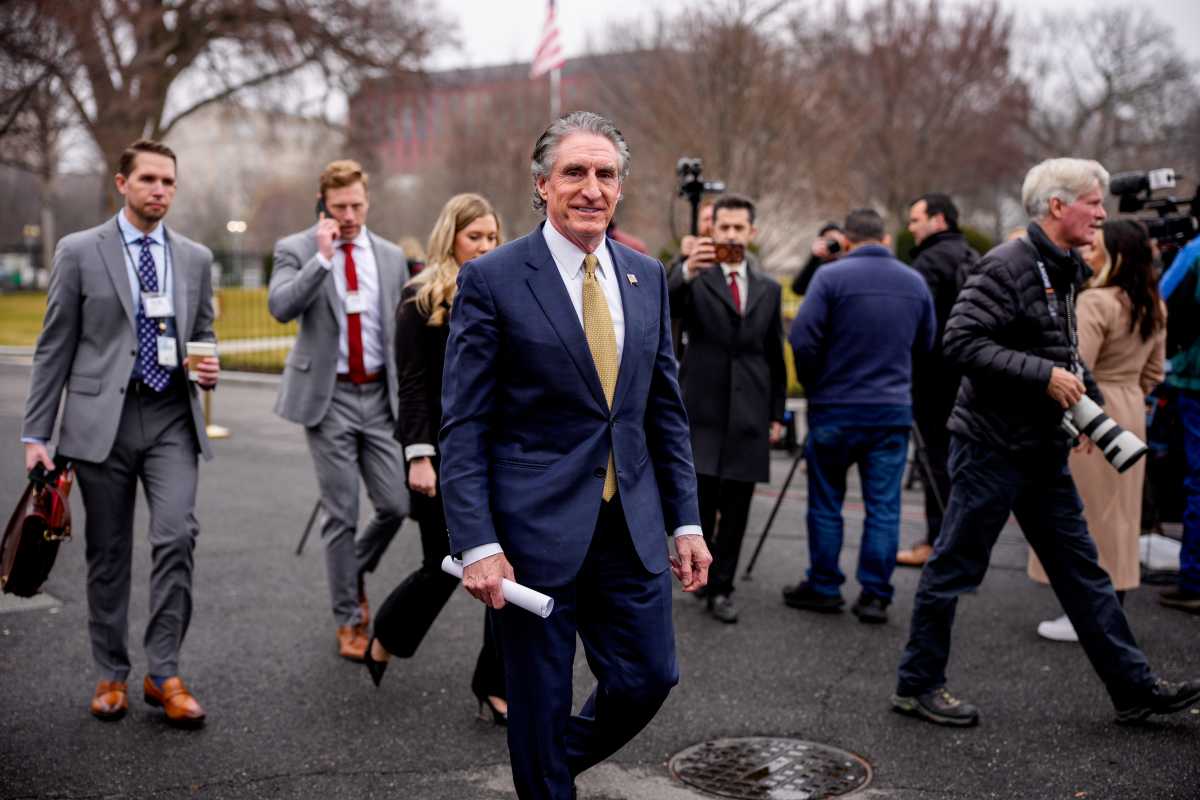
The Strategic Petroleum Reserve (SPR) is maintained by the US government to help offset major supply disruptions that could threaten economic stability or national security.
Burgum indicated that the administration could consider releasing oil from the reserve if market pressures continued.
The secretary also expressed confidence that diplomatic efforts and broader geopolitical developments would eventually stabilize energy markets.
“We will bring prices down with peace and stability in the world, and President Trump will make sure that happens,” he said.
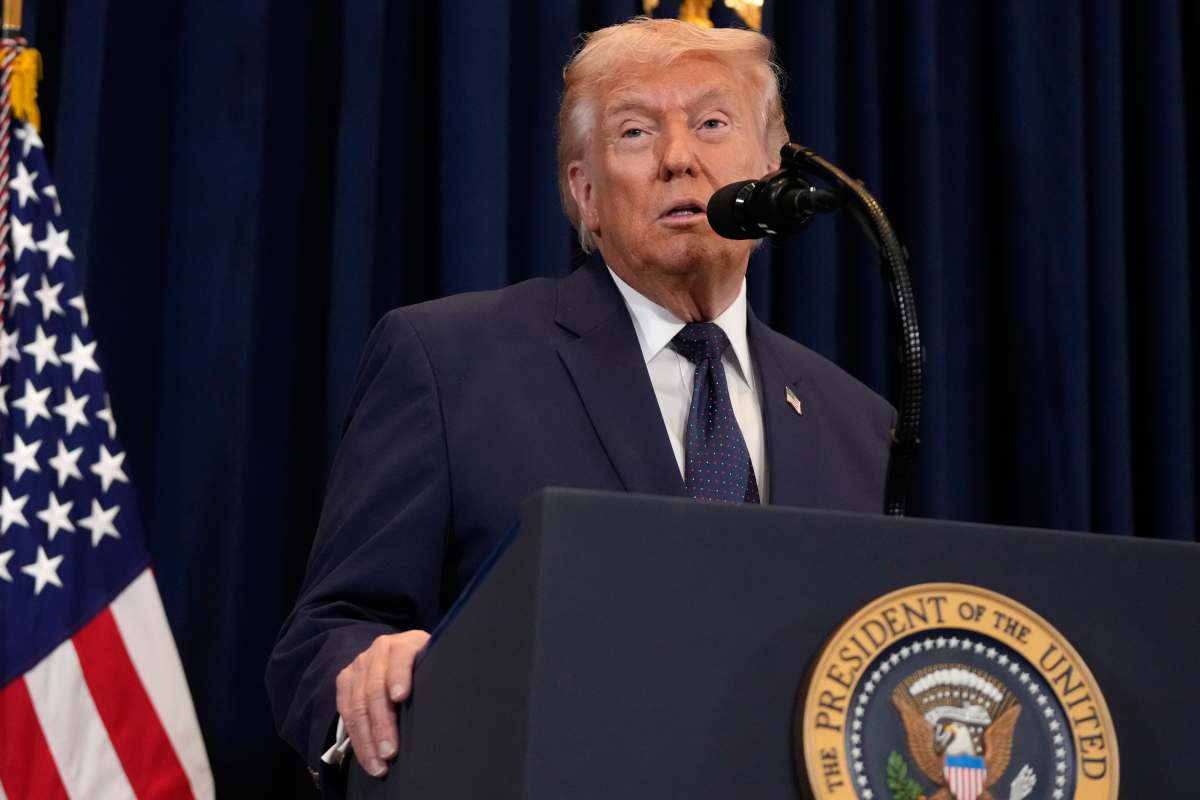
Burgum also suggested that developments linked to the conflict could lead to broader political shifts in the region, potentially strengthening cooperation among US allies in the Middle East.
“Abraham Accord has an opportunity to flourish coming out of the backside of this thing,” Burgum said.
“We could see short-term interruption traded for long-term transformation of peace and prosperity. When that happens, energy prices will come down all over the world,” he added.
US gas prices climb to highest level in more than 21 months
Meanwhile, American drivers are already seeing the impact of the conflict at the pump.
According to the latest data from AAA, the national average price of gasoline rose another four cents per gallon in the most recent update, bringing the average cost to $3.58 per gallon. That marked the highest nationwide average in more than 21 months.
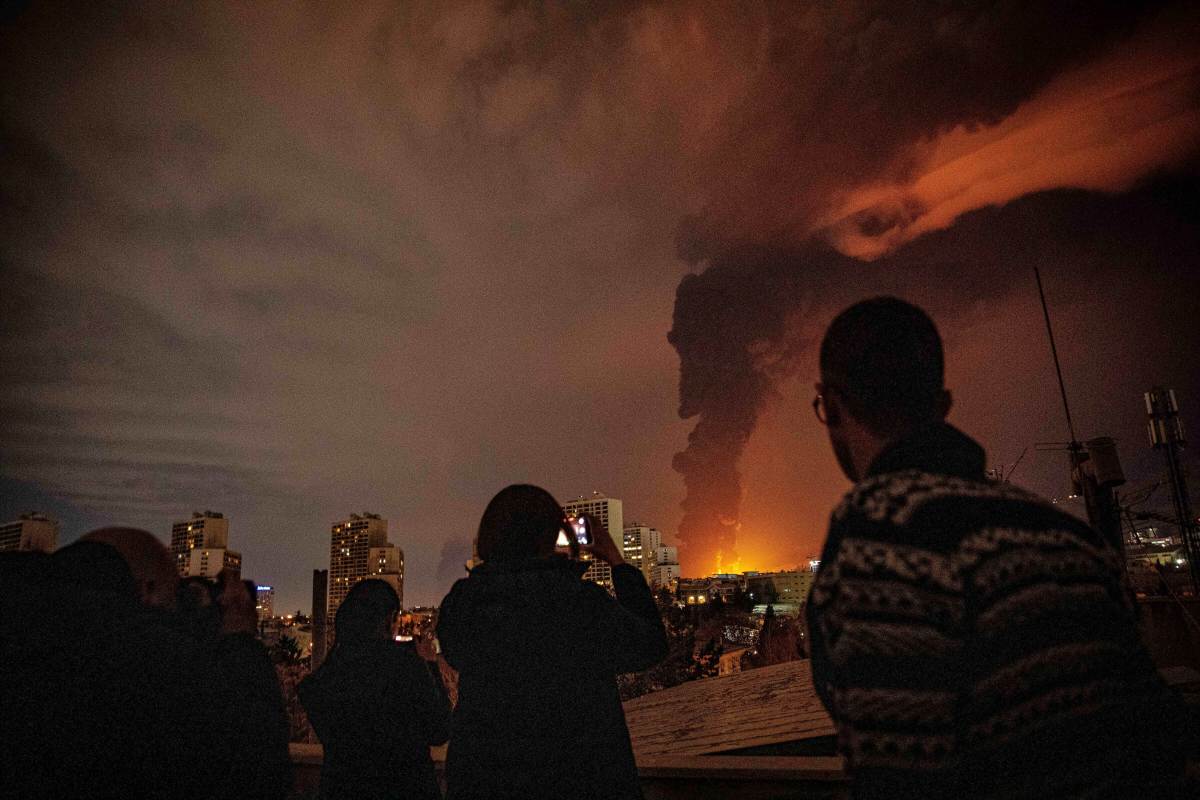
The price increases have accelerated rapidly in recent weeks. Gasoline has climbed 38 cents per gallon in the past week alone and 64 cents over the past month.
The situation has been further complicated by Iranian attacks on oil infrastructure in neighboring countries, including the United Arab Emirates, Qatar, Kuwait and Saudi Arabia, all major producers in global energy markets.
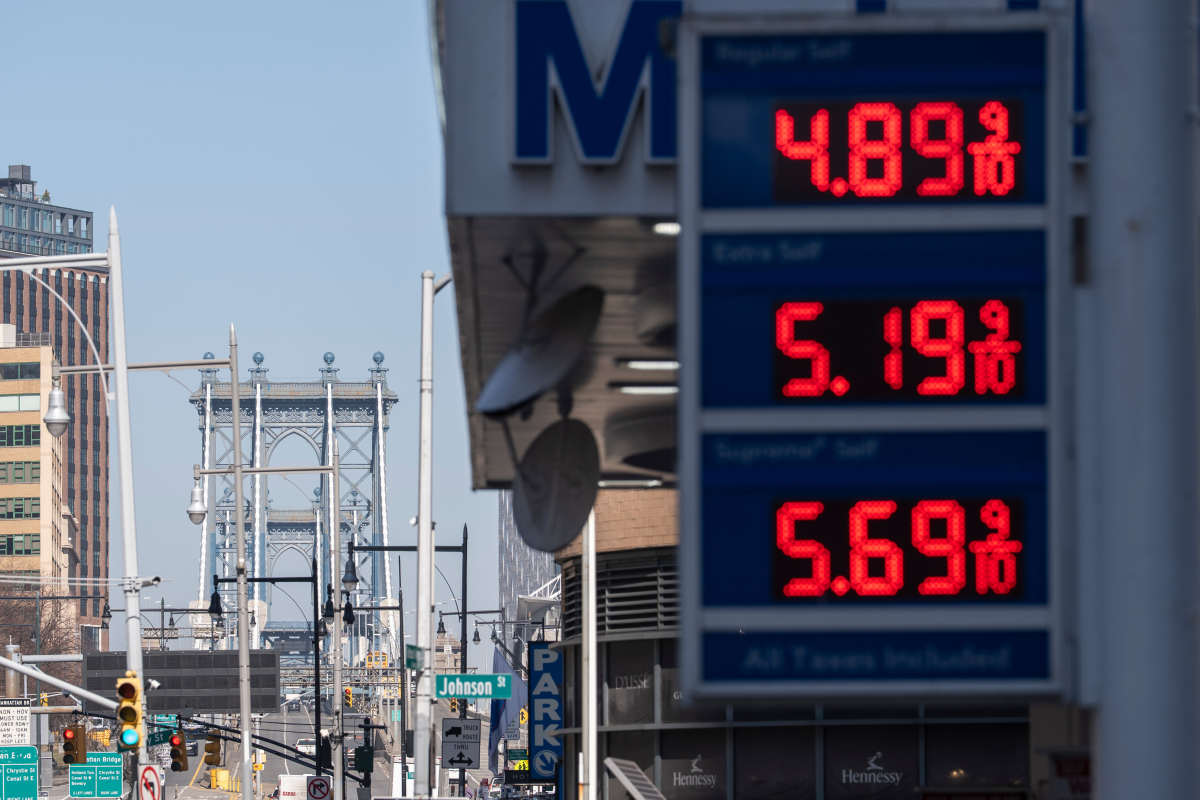
Diesel prices rose even more sharply. The national average climbed five cents in the latest reading to $4.89 per gallon, representing an increase of about 79 cents over the past week.