Senate passes historic bill to federally regulate college sports despite Democrat opposition
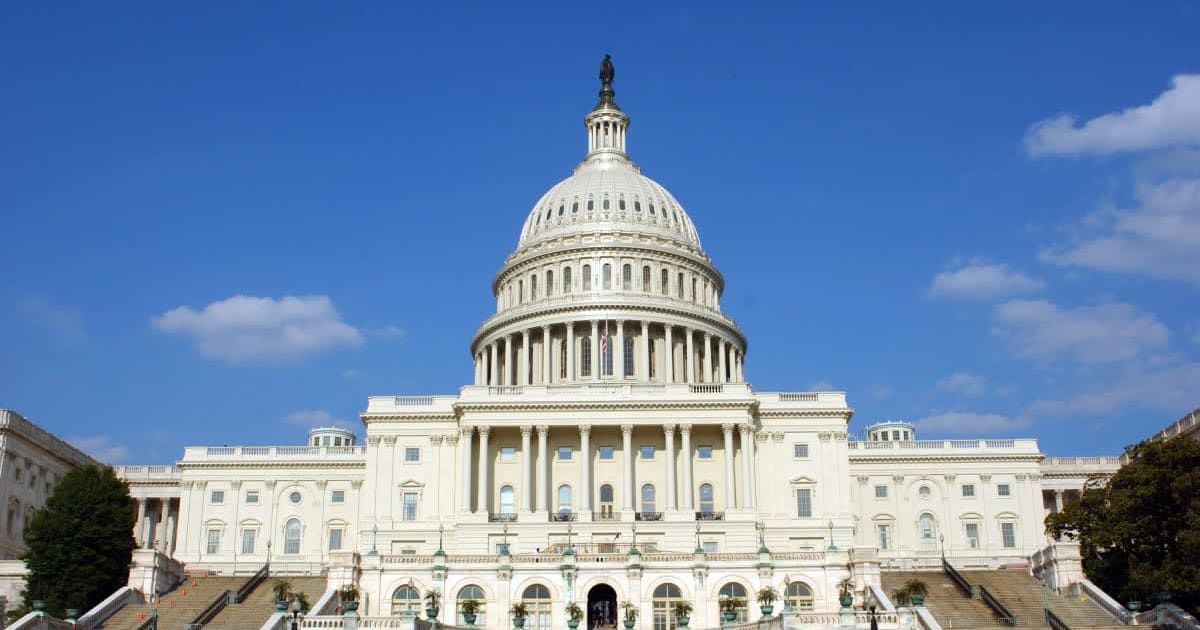
WASHINGTON, DC: On Monday, the Senate passed the Protect College Sports Act by a 77-22 vote, moving a landmark college sports bill toward establishing a federal framework for college athletics. The legislation was introduced by Senators Ted Cruz of Texas and Maria Cantwell of Washington and now heads to the House.
Some Democrats pushed back, warning the measure could limit athletes' rights, but the bill still cleared the chamber with strong bipartisan support. The legislation would establish national rules covering athlete eligibility, transfers, compensation and other aspects of college sports.
Ted Cruz backs the college sports bill
The legislation would give the NCAA a limited antitrust exemption so it can set new rules around athlete eligibility, transfers and compensation.
Today is a monumental day for college athletics.
— Senator Ted Cruz (@SenTedCruz) September 29, 2026
The United States Senate voted to protect the hundreds of thousands of student athletes currently competing in college sports, the millions who will follow in their footsteps, and every college sports fan who wants to preserve… pic.twitter.com/2ysTFfEjRH
It also aims to rein in conference realignment and prevent the creation of future breakaway super leagues. The proposal would raise the athlete revenue-sharing cap from roughly $21 million per school each year to nearly $50 million.
Schools would set aside funds specifically for player retention and non-revenue sports. Athletes would also be allowed one transfer without losing eligibility.
Senator Cruz, who wrote the bill with Cantwell, said the current system could not keep up.

"Students are transferring three and four times; pros are trying to play ball against college kids; conflicting court decisions have created a fragmented system, one that no one intended," Cruz said.
"The question before this body is whether we will act or stand by while the institution that Americans have known and loved for generations, college sports, is fundamentally changed."
Democrats raise concerns over athlete rights
Proponents of the bill tout its uniform eligibility rules, transparency around athletic compensation and moves aimed at safeguarding opportunities in women's and Olympic sports. The legislation also includes provisions covering scholarships, health care and NIL compensation.
Senate Majority Leader John Thune praised the bill in recent days as the result of years of work, with input from coaches, athletic directors and student athletes. The bill has also received support from major college conferences, including the Big Ten and SEC.
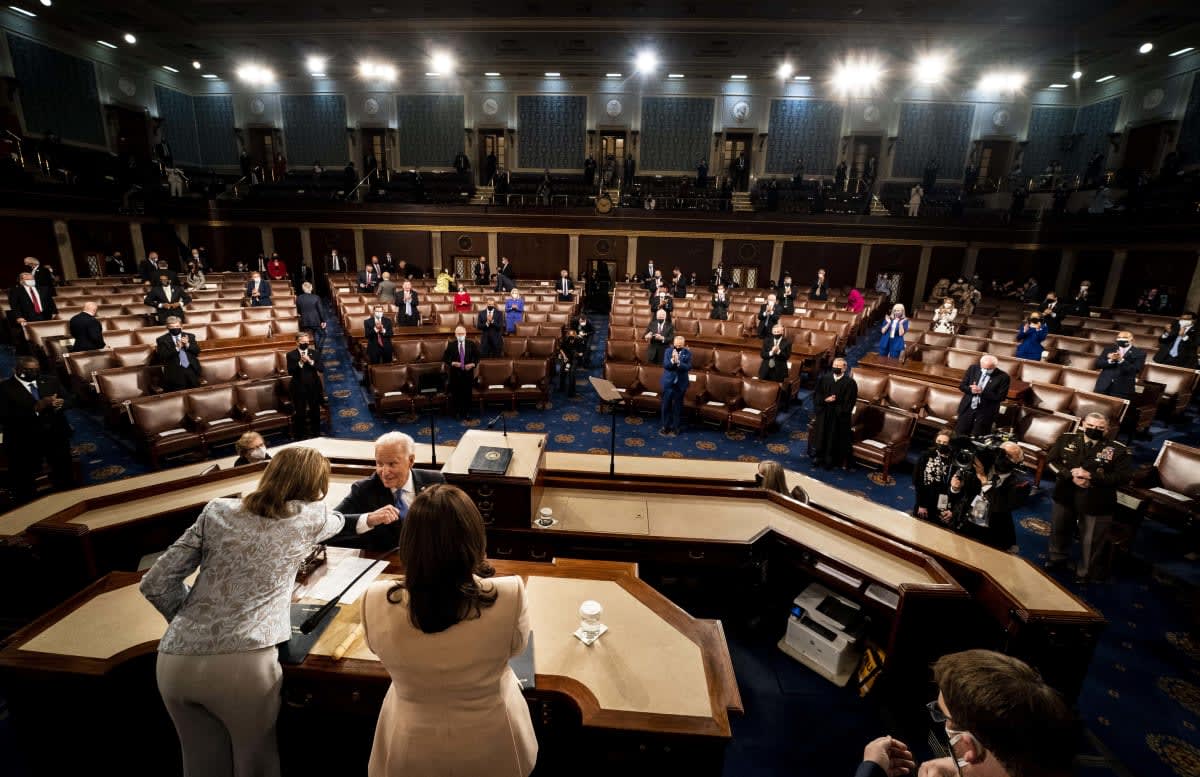
Democratic Sen. Cory Booker of New Jersey, a former college football player, took aim at the measure earlier this month on the Senate floor, sparring with the bill's main Democratic backer, Sen. Maria Cantwell of Washington.
"For years and years and years, I watched my own image on Madden's video game, my own image, and never got paid for that," Booker said. "And now athletes bring it to the courts and win time and time again."
College athletes put their bodies on the line every day—and generate billions of dollars for their universities, conferences, and the NCAA.
— Sen. Cory Booker (@SenBooker) September 29, 2026
The Protect College Sports Act pulls the rug out from under them.
I will keep fighting alongside college athletes until they get the… pic.twitter.com/7ggnSMODmY
Democratic Sen. Chris Murphy of Connecticut has also spoken out against the legislation, warning that it could protect the existing college sports system while limiting athletes' rights. Critics have also raised concerns about the bill's approach to athlete employment status.
Protect College Sports Act heads to the House
Even with the bill clearing the Senate on Monday, its future remains uncertain. The House must approve the legislation before it can reach President Donald Trump, and the chamber is not expected to take up the measure before the November 3 midterm elections.
The House could consider the Senate version or make changes to the legislation. Any changes would require the bill to return to the Senate before it could reach the president.
For now, the Senate vote has moved the Protect College Sports Act past a major hurdle, but its final path through Congress remains unresolved.