Starmer defies Trump over Iran war crisis, UK PM warns 'I am not going to yield'
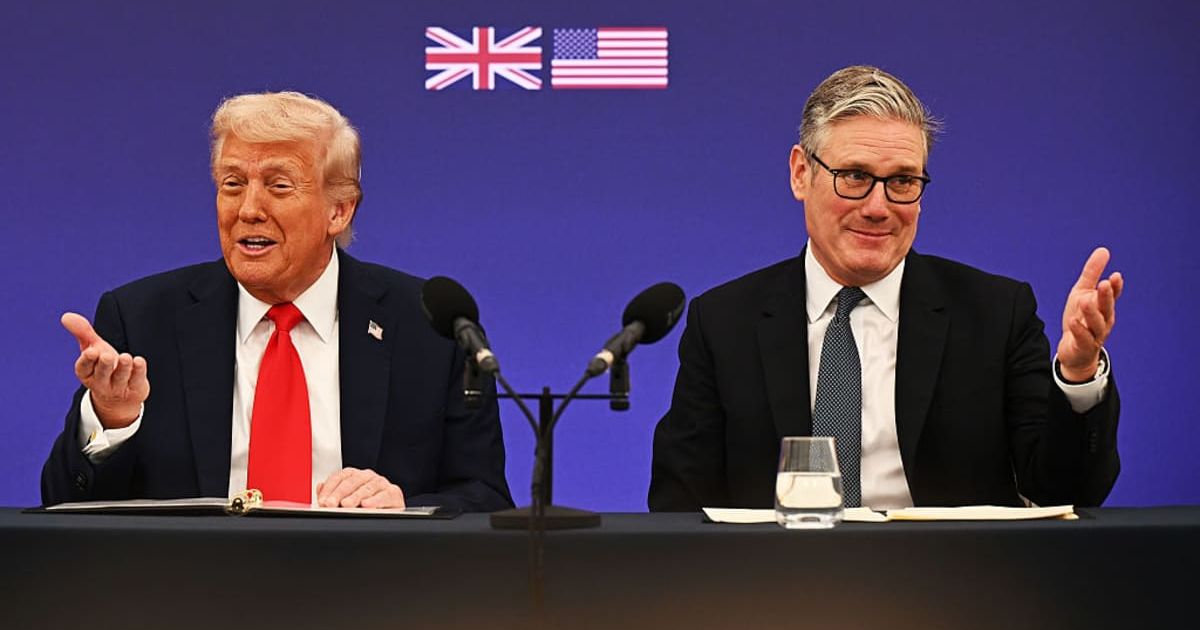
WASHINGTON, DC: British Prime Minister Keir Starmer has said he will not change his position on the US and Israel-led war with Iran, firmly rejecting pressure from Donald Trump to align more closely with Washington’s military strategy.
Speaking in the House of Commons on Wednesday, April 15, Starmer reiterated that the United Kingdom would not be drawn into the conflict.
“My position on the Iran war has been clear from the start. We’re not going to get dragged into this war,” he told lawmakers.
His remarks come a day after Trump publicly criticized the British leader, adding strain to the traditionally close transatlantic relationship.
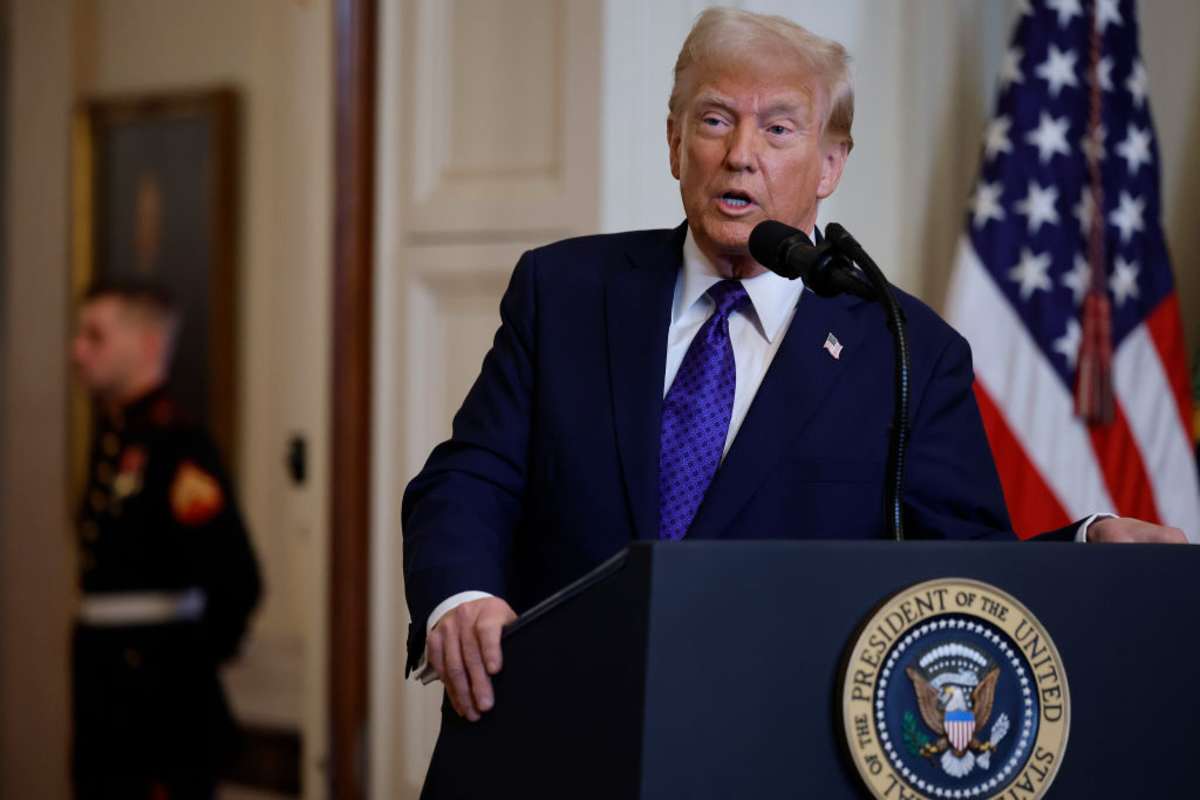
Trump criticizes UK policies, relations
In an interview with Sky News on Tuesday, Trump aimed at Starmer’s domestic policies on energy and immigration, while also suggesting that ties between the US and the UK had deteriorated.
The president has repeatedly voiced frustration over Britain’s refusal to allow US forces to use British military bases for offensive operations against Iran's actions, which London has deemed illegal under international law.
Despite the criticism, Starmer signaled he would not be swayed.
“It is not our war, and a lot of pressure has been applied to me to take a different course,” he said. “I’m not going to change my mind. I’m not going to yield.”

UK reaffirms ‘special relationship’
Downing Street sought to downplay the apparent rift, emphasizing that cooperation between the two allies continues across multiple fronts.
A spokesperson said discussions on trade and shared interests remain ongoing, describing them as a routine part of the long-standing “special relationship” between the two countries.
“Talks between the US and UK on trade and across a range of interests continue every day,” the spokesperson said, adding that such engagement has endured for decades and will persist despite current disagreements.

Tankers stall near Hormuz amid blockade
Even as diplomatic tensions play out, developments in the Gulf underscore the growing impact of the US military campaign on global shipping routes.
Data from maritime analytics firm Kpler shows that multiple vessels navigating the Strait of Hormuz have either halted or reversed course in the Gulf of Oman following the imposition of a US naval blockade on Iran.
At least two vessels that passed through the strategic chokepoint stopped at the same location, with one later making a U-turn back toward the Persian Gulf.