UK and France lead multinational push to reopen Hormuz as US blockade threat looms
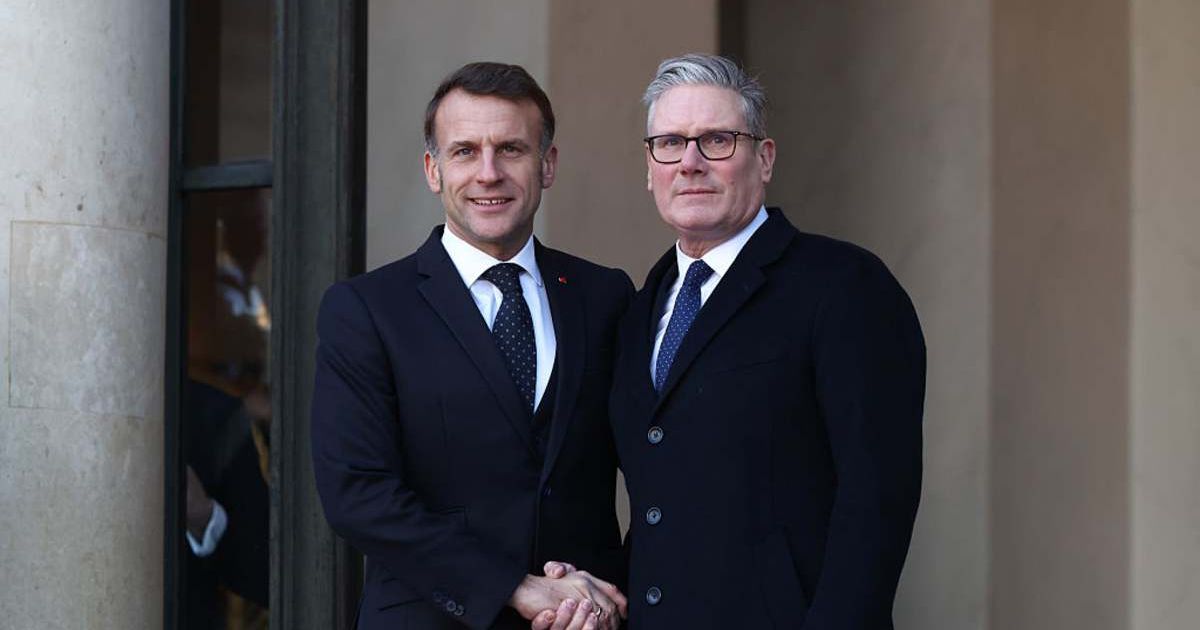
WASHINGTON, DC: France and the United Kingdom are set to convene high-level talks aimed at restoring freedom of navigation in the Strait of Hormuz, even as the United States signals a potential blockade of Iranian ports.
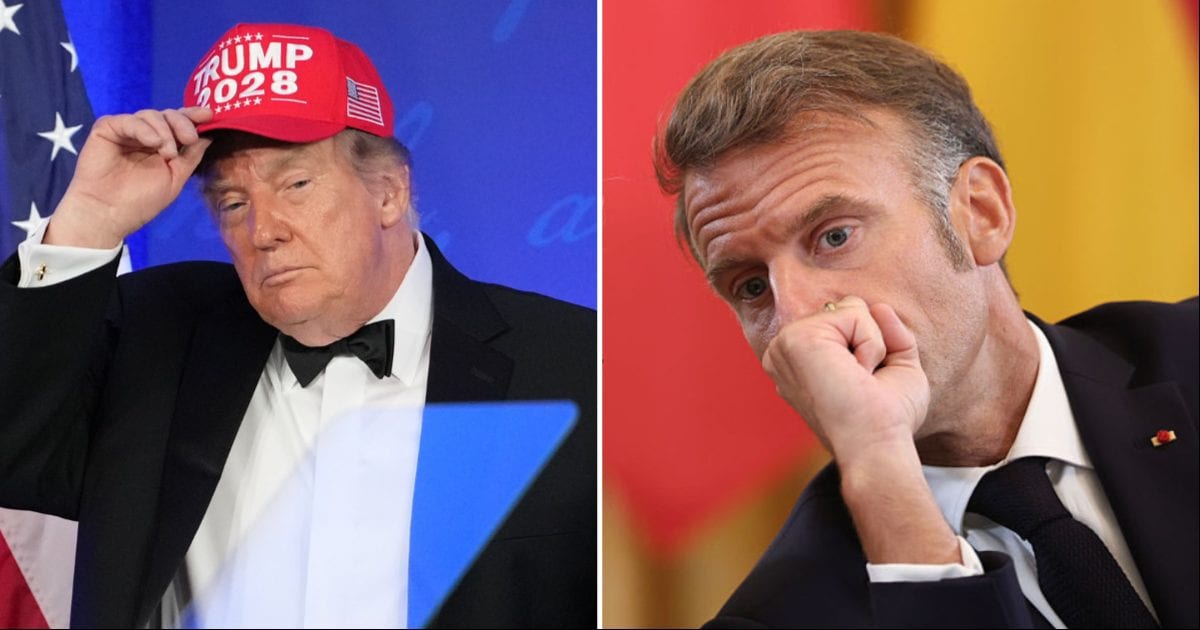
French President Emmanuel Macron said the proposed initiative would be a “strictly defensive” multinational mission designed to ensure safe passage through the strategically crucial waterway.
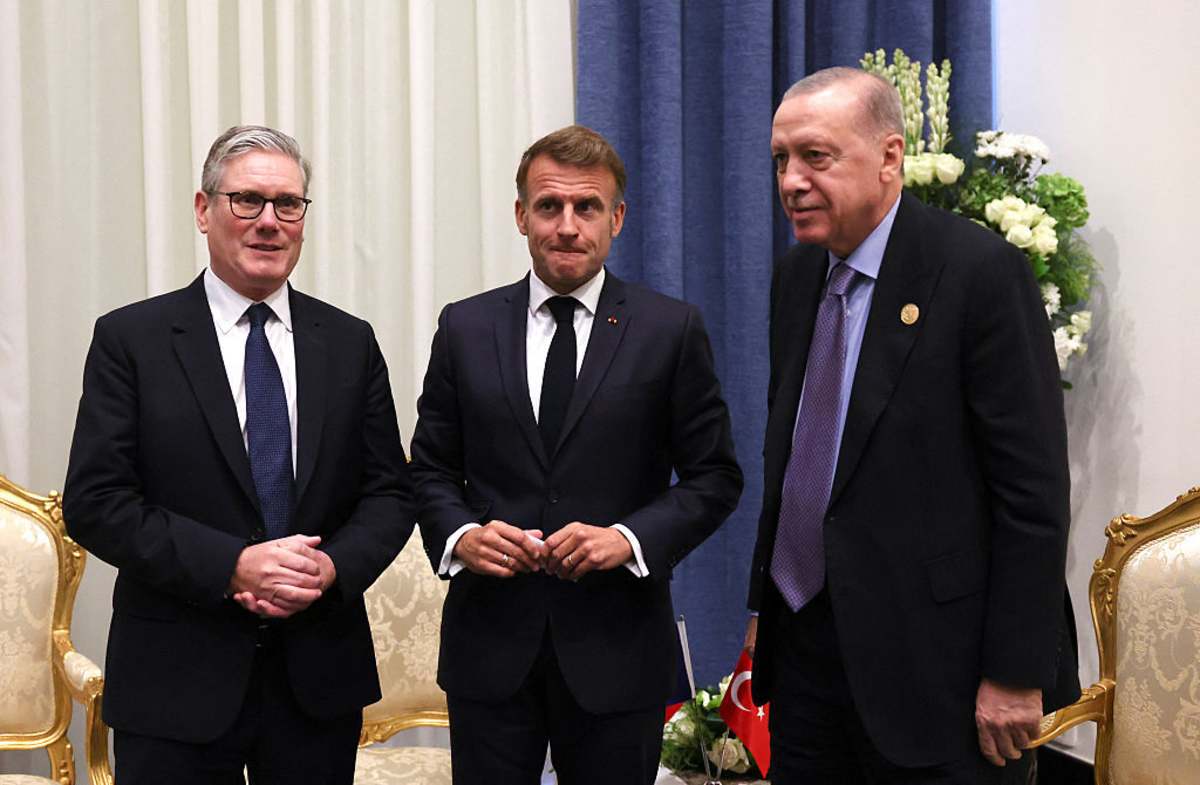
‘Strictly defensive’ multinational mission, says Macron
In a post on X, Macron said Paris and London would organize a conference bringing together countries willing to contribute to a “peaceful multinational mission.”
No effort must be spared to swiftly reach, through diplomatic means, a strong and lasting settlement to the conflict in the Middle East.
— Emmanuel Macron (@EmmanuelMacron) April 13, 2026
Such a settlement must provide the region with a robust framework enabling all to live in peace and security.…
He emphasized that the effort would remain separate from the warring parties and could be deployed “as soon as circumstances permit.”
"As regards the Strait of Hormuz, in the coming days, together with the United Kingdom, we will organize a conference with those countries prepared to contribute alongside us to a peaceful multinational mission aimed at restoring freedom of navigation in the strait. This strictly defensive mission, separate from the warring parties to the conflict, is intended to be deployed as soon as circumstances permit," he said.
A spokesperson for the British government said London is working with France and other partners to assemble a “wide coalition” to guarantee maritime transit, stressing that the strait “must not be subject to tolling.”
British Prime Minister Keir Starmer said more than 40 nations have already been engaged in efforts to restore navigation through the chokepoint.
Calling the disruption “deeply damaging,” Starmer said the UK and France will co-host a summit this week to develop a coordinated and independent multinational framework to protect international shipping once the conflict subsides.
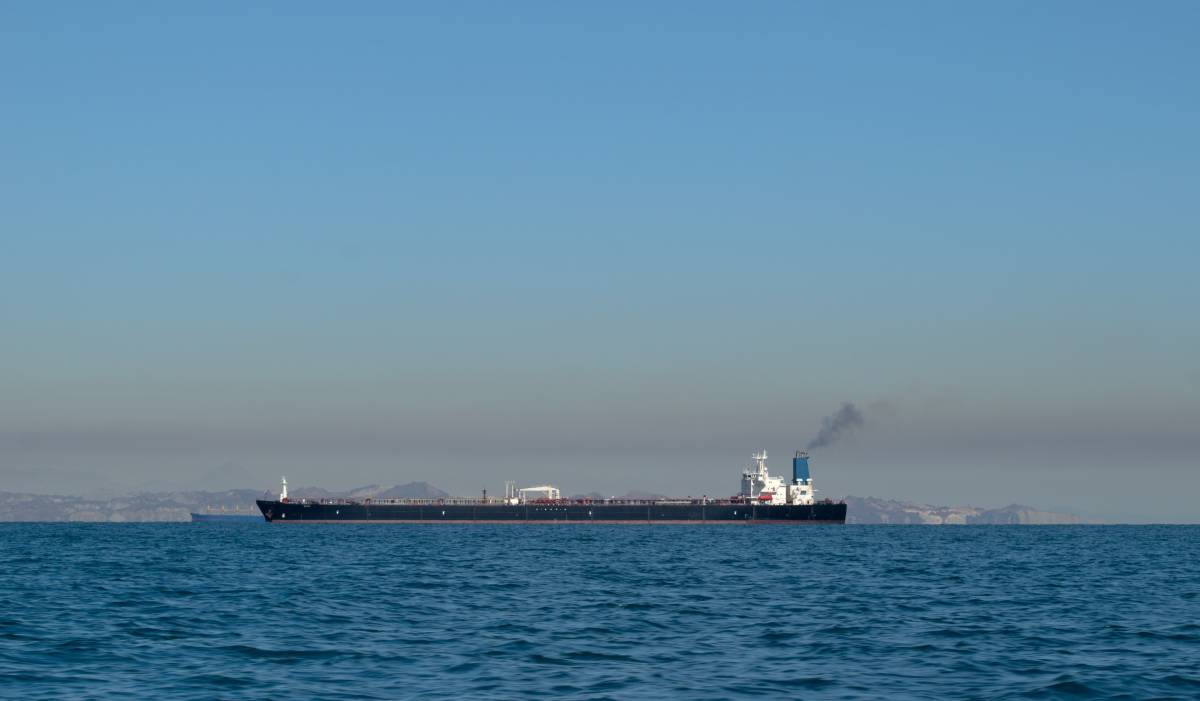
Shipping traffic remains limited after US blockade threat
While US President Donald Trump had threatened a sweeping blockade of the strait, US Central Command later clarified that shipping between non-Iranian ports would still be permitted, easing fears of a total shutdown of one of the world’s most critical energy corridors.
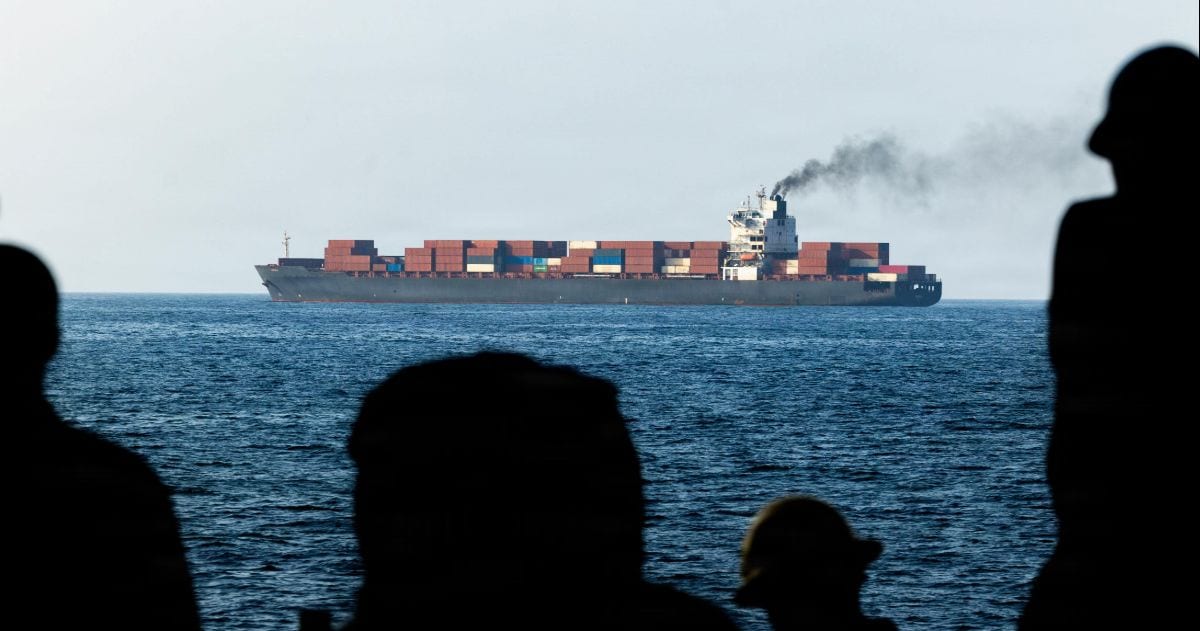
Despite heightened tensions, vessel movement through the Strait of Hormuz continues at reduced levels. According to MarineTraffic, 31 ships transited the waterway in the past 24 hours, including a handful carrying oil, chemicals, and liquefied petroleum gas.
As of early today, 11 vessels were present in the strait, including three flying the Iranian flag. Most ships were either unladen or had unclear cargo status, reflecting ongoing uncertainty.
The Strait of Hormuz is widely regarded as one of the world’s most critical maritime chokepoints, serving as the primary export route for crude oil and liquefied natural gas from the Gulf.
At its narrowest, the waterway is just about 33 kilometers wide, with designated shipping lanes in each direction only a few kilometers across, making navigation highly sensitive to disruptions.
Energy analysts have long warned that any military escalation or restrictions in the strait could have immediate and far-reaching consequences for global supply chains.
Major economies in Asia, including India, China, Japan, and South Korea, depend heavily on oil shipments that pass through the route.
Even limited interference can force vessels to reroute or delay transit, increasing freight costs and insurance premiums.