Sunny Hostin reveals her children faced racism at private schools despite excelling academically
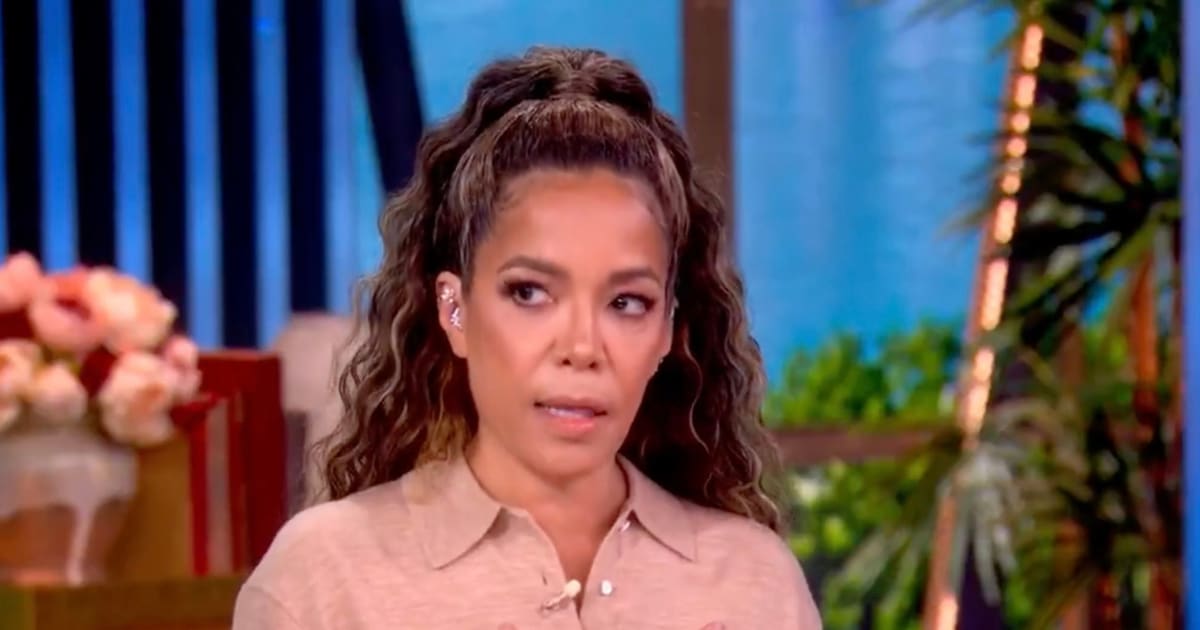
NEW YORK CITY, NEW YORK: Sunny Hostin opened up about the difficult side of choosing a well-funded private school for her children while discussing Nikole Hannah-Jones' own concerns about her daughter's education.
On Monday, September 21, ‘The View’ co-host said her children excelled academically at a predominantly White private school but experienced what she described as bullying, racism and trauma around their identity.
Her comments came during a discussion about Hannah-Jones' decision to send her daughter to predominantly Black, high-poverty public schools in Brooklyn.
JOURNALIST SAID SHE SENT DAUGHTER TO 'SEGREGATED' SCHOOL AS 'SACRIFICE': After ‘The New York Times’ writer Nikole Hannah-Jones said she’s second-guessing her decision to send her daughter to a public school instead of a private one, ‘The View’ co-hosts weigh in. pic.twitter.com/4LotCCJBds
— The View (@TheView) September 21, 2026
Sunny Hostin says private school brought a different kind of pain
Hostin said choosing a school can be difficult for any parent, but she believes Black parents can face an added layer of challenges when making that decision.
“I think that this is a decision broadly that all parents make when it comes to educating their kids, but ... this is a very difficult decision for Black parents, in particular, because I made a very different decision,” Hostin said.
She explained that she sent her children to a predominantly White private school because it was well-funded and well-resourced. Academically, she said, they did well.
“So, while they didn't suffer academically, they excelled,” Hostin said. “But it was a well-funded school, a private school, well-resourced school; they suffered a different type of pain.”
Sunny Hostin details bullying and racism involving her daughter
Hostin said the problems her children faced were not connected to their academic performance.
“There was psychological trauma, there was racism that they experienced,” she said. “They were bullied. There was, you know, trauma around their identity.”
She then shared a particularly personal example involving her daughter, who wears a large afro.
“My daughter wears a big afro, kids were trying to stick pencils in her hair,” Hostin said. She also recalled boys calling her daughter “butter face,” explaining that they meant she looked good but her face did not.
Hostin stressed that her children did not experience the same academic difficulties Hannah-Jones described for her daughter.
Sunny Hostin raises concerns about school funding
Hostin said the conversation should also look beyond individual school choices and examine the wider education system.
“So I think the real question here is, nationally, schools in predominantly non-White districts receive $23 billion less in annual funding than their White counterparts,” she said.
Hostin pointed to what she described as the divide between underfunded and well-funded schools and said public schools are funded through property taxes.
Nikole Hannah-Jones responds to criticism over school choice
The discussion came after Nikole Hannah-Jones, founder of the 1619 Project and a New York Times Magazine reporter, spoke about regretting aspects of her decision to send her daughter to predominantly Black, high-poverty public schools in Brooklyn.
Hannah-Jones said the focus should remain on families who do not have the resources to pursue better educational options.
“I hope people concerned about the choice my husband and I made for our daughter will have equal or more outrage for the thousands of Black children whose parents don’t have the resources to send them to better schools,” she said. “As I write in the piece, there is no absolution to be had for any of us.”