Thomas Massie says Bondi was 'afraid' to face Epstein survivors at hearing: 'Cold on her part'
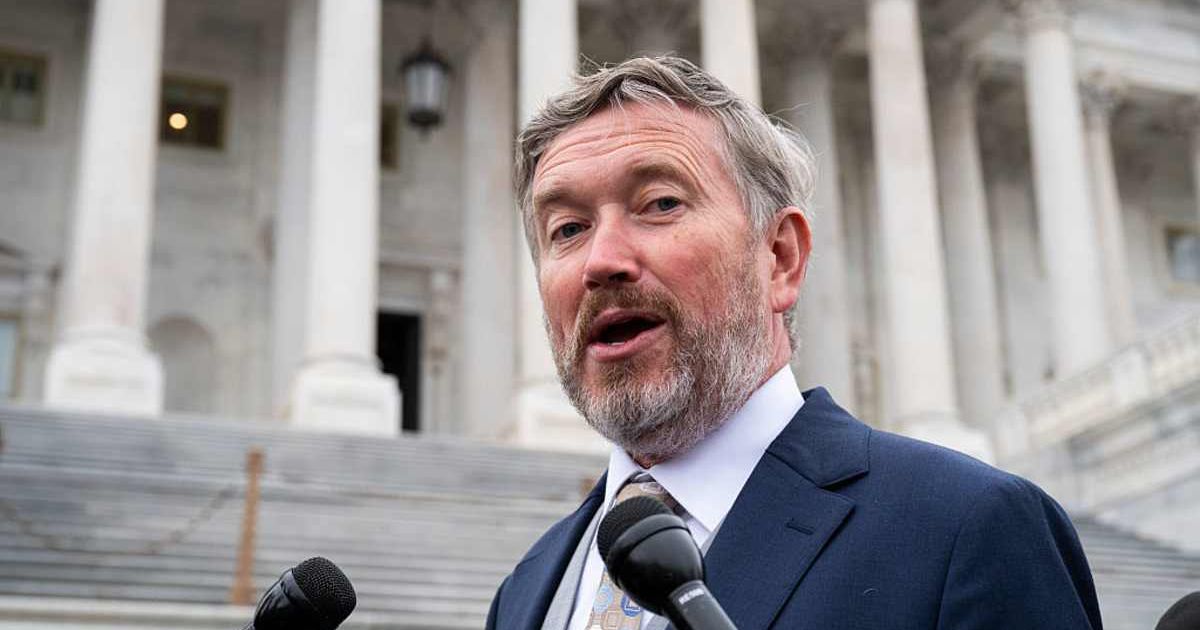
Rep. Thomas Massie reacts to the image of Attorney General Pam Bondi not looking at the Epstein victims behind her during a hearing: “I think she was afraid to.” https://t.co/eiC9PK4xdH pic.twitter.com/FgRK4lyPiS
— This Week (@ThisWeekABC) February 15, 2026
WASHINGTON, DC: Rep Thomas Massie (R-Ky) said on Sunday, February 15, that Attorney General Pam Bondi avoided looking at survivors of Jeffrey Epstein during her testimony before the House Judiciary Committee because she was “afraid to.”
“I think that was kind of cold on her part. I think she was afraid to,” Massie said, criticizing Bondi’s conduct during the hearing and the Justice Department’s handling of the Epstein files.
Speaking on ABC News’ 'This Week' with co-anchor Martha Raddatz, Massie said that Bondi had failed to engage substantively with lawmakers. “I don’t think she did very well. She came with a book full of insults, one for each congressperson,” Massie said.
Thomas Massie says the Transparency Act was for delivering justice
Massie stressed that the issue was not about prominent political figures such as Bill Clinton or Donald Trump, but about delivering justice to victims. “These survivors would love to have a meeting,” he said.
“This Epstein Files Transparency Act was about getting these survivors justice. We’ve got some degree of transparency, but it’s called the Department of Justice, not the department of transparency.”
He added that survivors were still waiting for access to critical evidence, including their own FBI 302 interview forms that remained unreleased, and said that accountability would remain incomplete until the men they implicated were prosecuted.

Thomas Massie says 'no confidence' in attorney general
When asked directly whether he had confidence in Bondi, Massie said that he did not, arguing she appeared unwilling to address serious questions about accountability at the Justice Department.
“She wasn’t confident enough to engage in anything but name-calling in a hearing,” Massie said. “So no, I don’t have confidence in her. She hasn’t got any sort of accountability there at the DOJ.”
During the hearing, Bondi accused Massie of having “Trump derangement syndrome.”
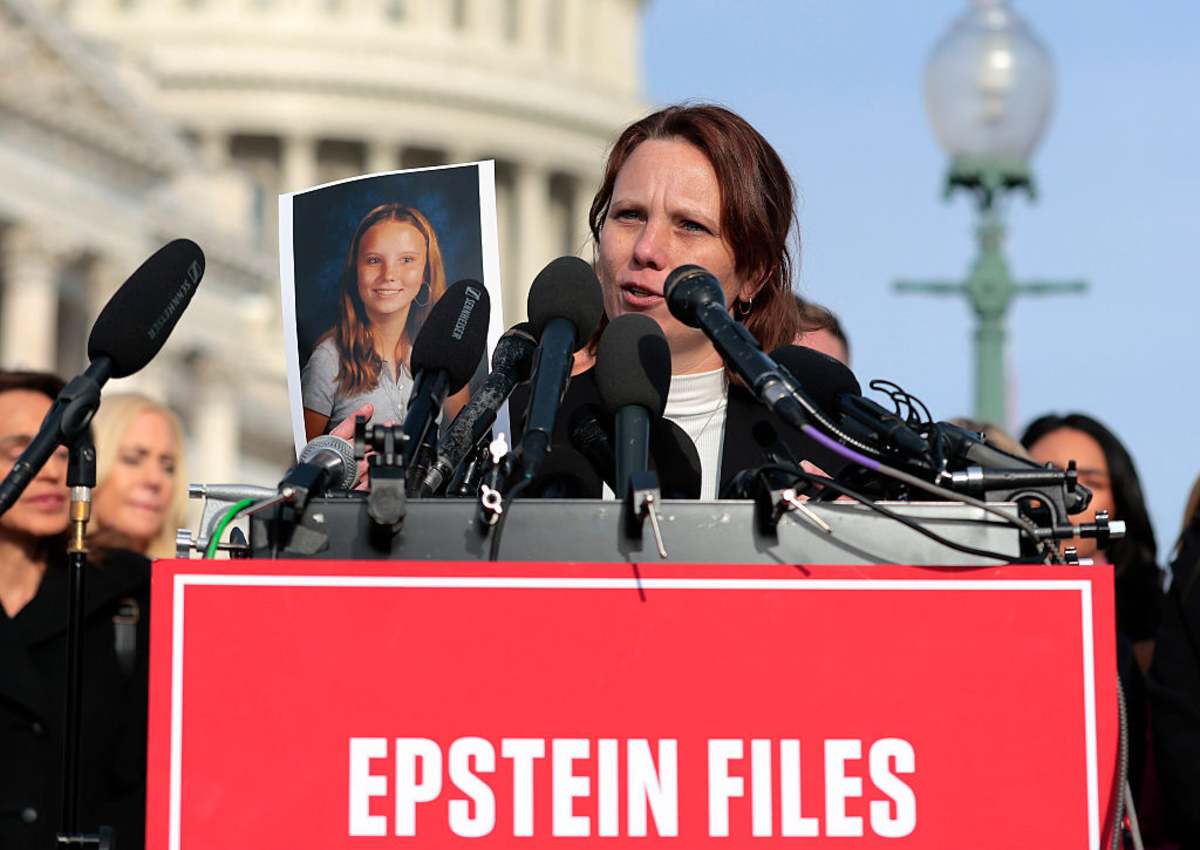
Epstein survivors highlighted at hearing
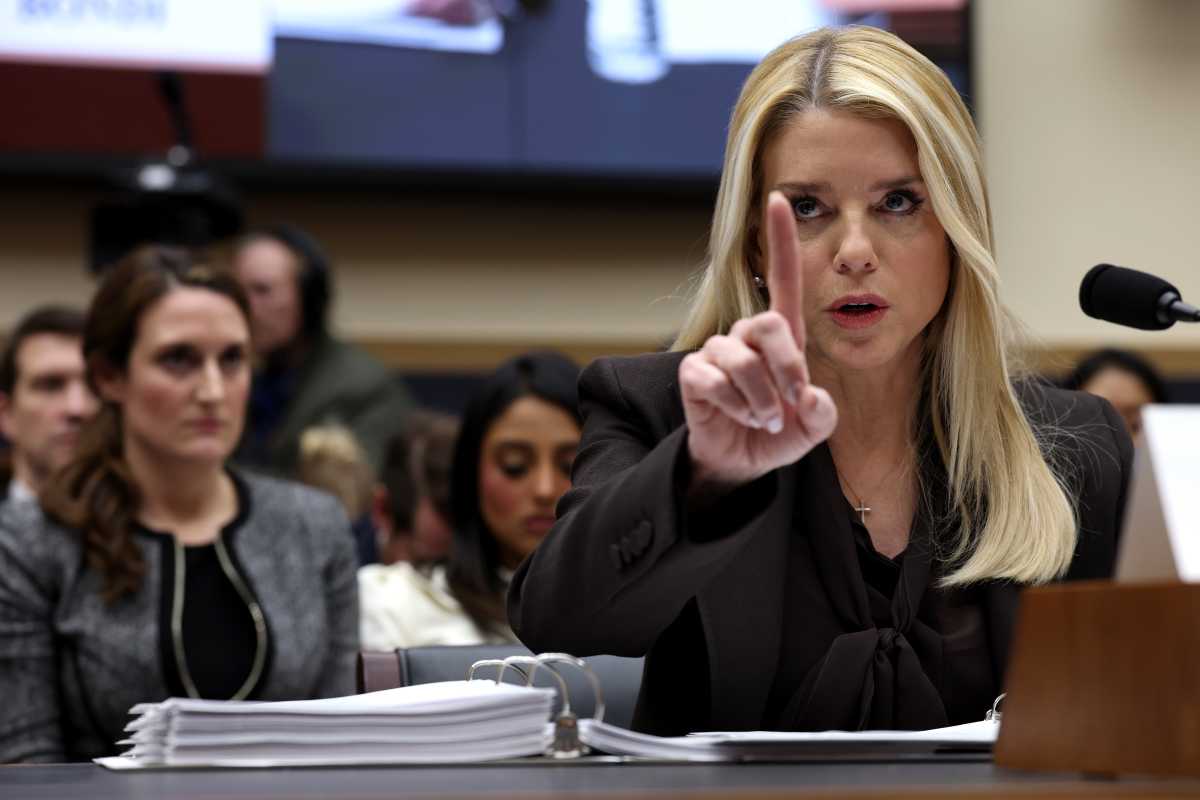
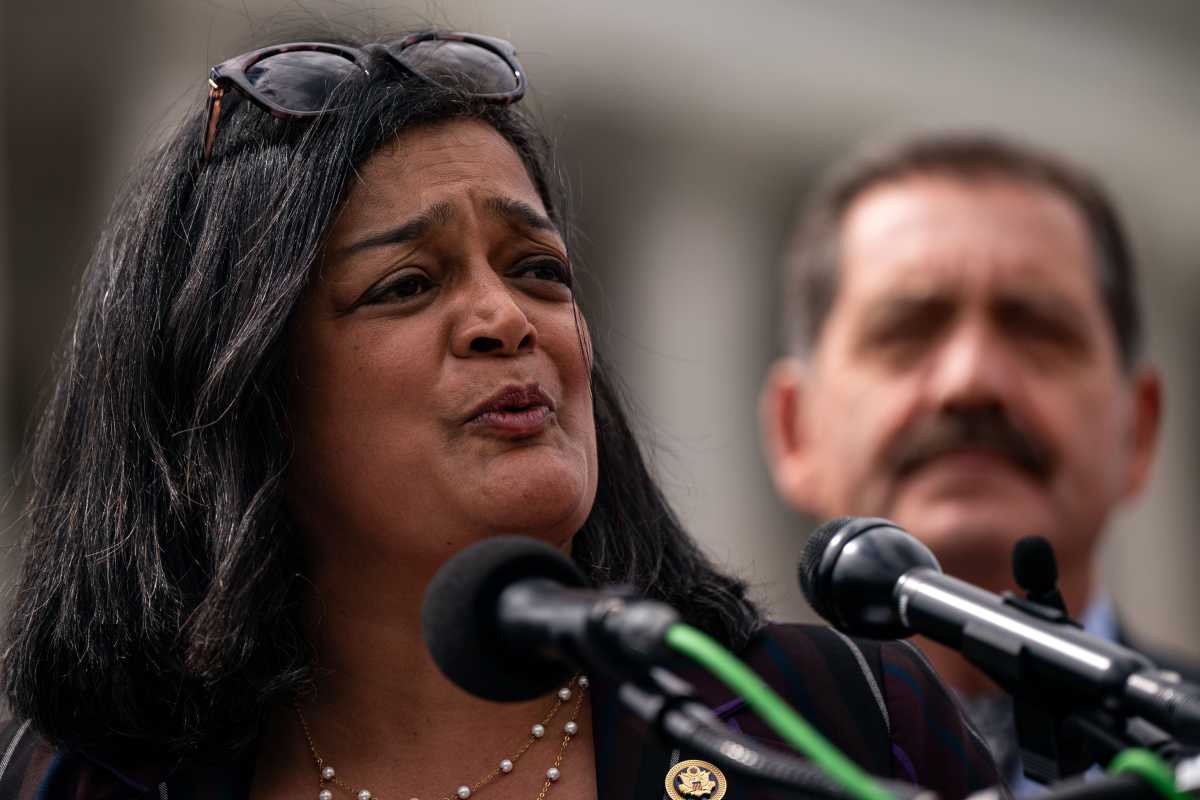
At another point in the hearing, Rep Pramila Jayapal asked the Epstein survivors seated behind Bondi to raise their hands if they had not been able to meet with the Justice Department. All of the survivors present raised their hands.
Bondi declined to turn around to look at the victims, dismissing the moment as “theatrics.” Massie called the decision “cold” and said that he believed Bondi was “afraid” to face the survivors.
The hearing followed the Justice Department’s release of more than three million pages of Epstein-related files, a disclosure that drew criticism in the US and abroad.
Rep. Massie on his takeaways from his fiery exchange with AG Pam Bondi over the release of the Epstein files: “It’s clear they've made mistakes in the document production, at least she acknowledges that tacitly, and it's clear that their work is not done here yet.” pic.twitter.com/moFW3tpkOS
— This Week (@ThisWeekABC) February 15, 2026
While the documents named several powerful figures, without accusing them of wrongdoing, Massie claimed that the DOJ mishandled the redactions.
He accused the department of exposing victim identities in some instances while over-redacting the names of influential individuals and potential co-conspirators.
Massie said that some documents were unredacted only after he flagged the issue during the hearing. “It’s clear that their work is not done here yet,” he said.
Although lawmakers were later allowed to view less-redacted versions of the files in person, Massie said that he remained dissatisfied, noting that some documents were removed before Congress could review them fully.
Despite often voting with Trump, Massie said that former Attorney General Merrick Garland, who served under President Joe Biden, handled his own appearances before the committee better in terms of optics.
“I know the DOJ wants to say they’re done with this document production,” Massie said. “The problem is, they’re not.”