Tom Cruise backs human creativity over AI in Hollywood: 'People want to see real things'
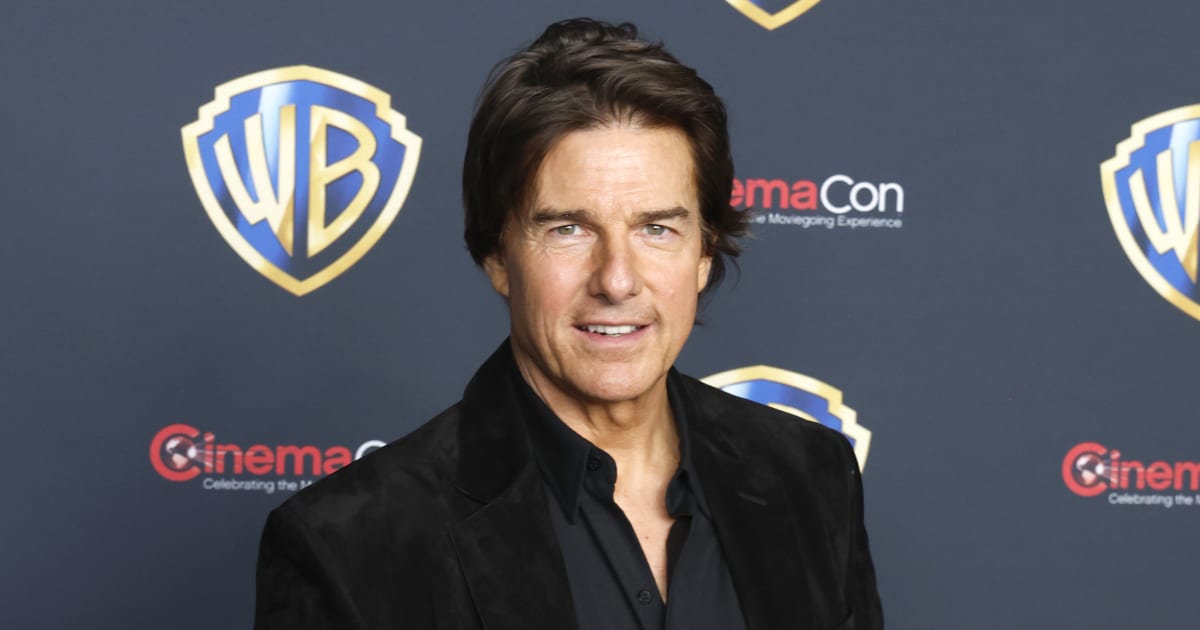
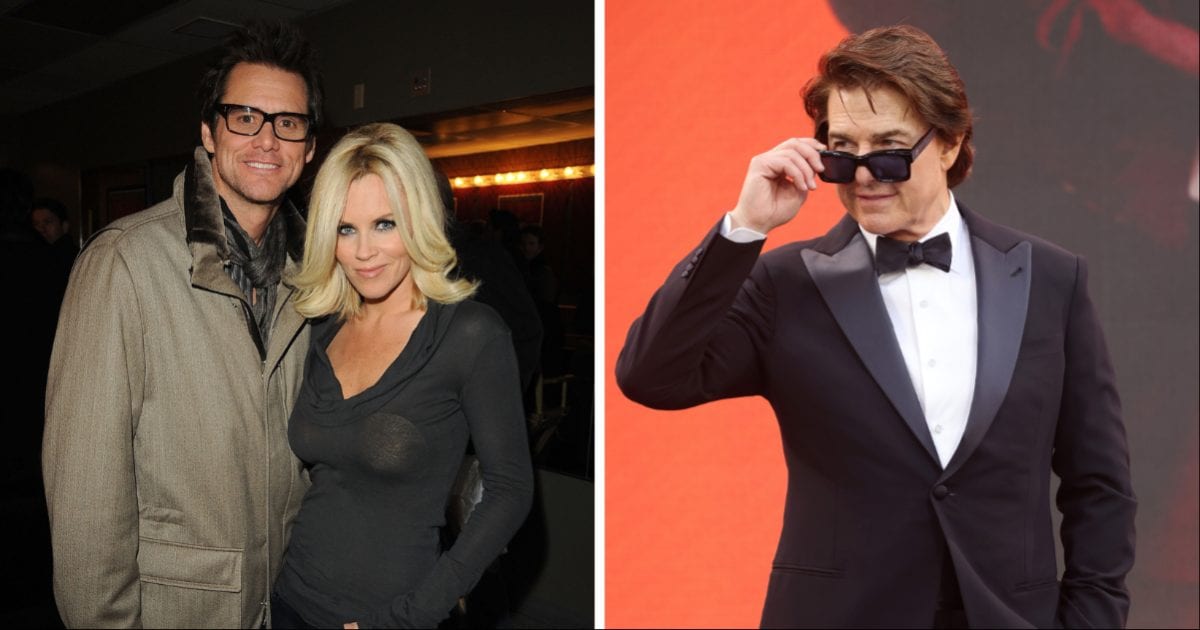
LOS ANGELES, CALIFORNIA: Tom Cruise believes audiences will continue to value human performances and real filmmaking despite the growing presence of artificial intelligence in Hollywood.
At a BAFTA 'Life in Pictures' conversation in London, Cruise discussed AI, the theatrical experience and his upcoming film 'Digger.' His comments contrast with Brad Pitt’s more open-minded view of AI’s potential uses in filmmaking.
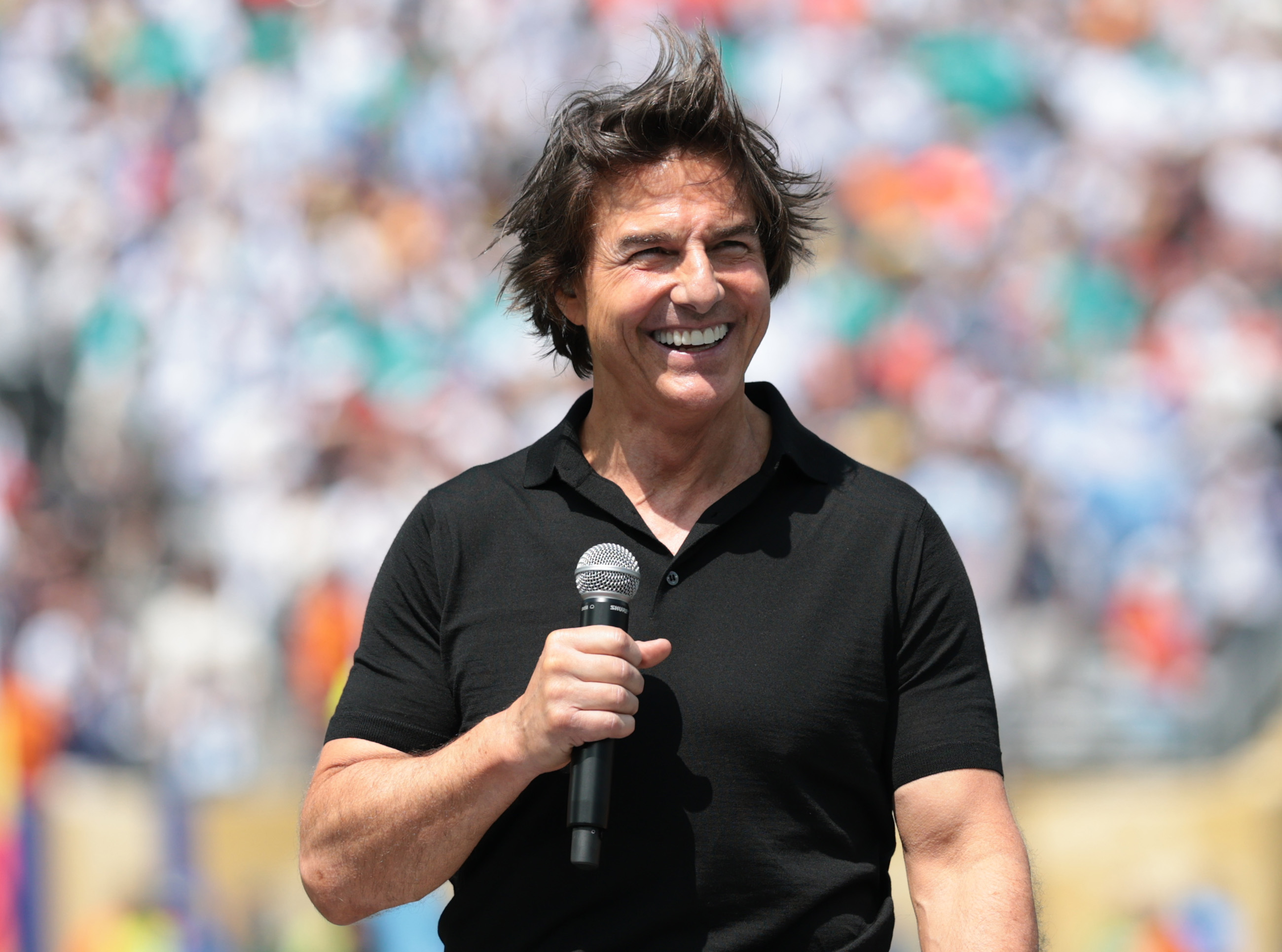
Tom Cruise backs human creativity amid AI’s rise
During the BAFTA conversation on Monday night, Cruise reflected on his four-decade career, including acclaimed roles in 'Top Gun,' 'Jerry Maguire,' 'Magnolia' and the 'Mission: Impossible' franchise, while also looking ahead to 'Digger.'
Discussing AI and its impact on the film industry, Cruise said, “There is nothing like human.”
He explained that part of his support for keeping the theatrical experience alive comes from the way movie theaters bring people together.
“I have nothing against streaming or anything like that,” Cruise said, describing theatrical viewing as “a different art form.”
He pointed to the summer box office as evidence of audiences’ continued interest in movies, noting that it broke all-time industry records with $4.76 billion in revenue from May 1 to Labor Day.
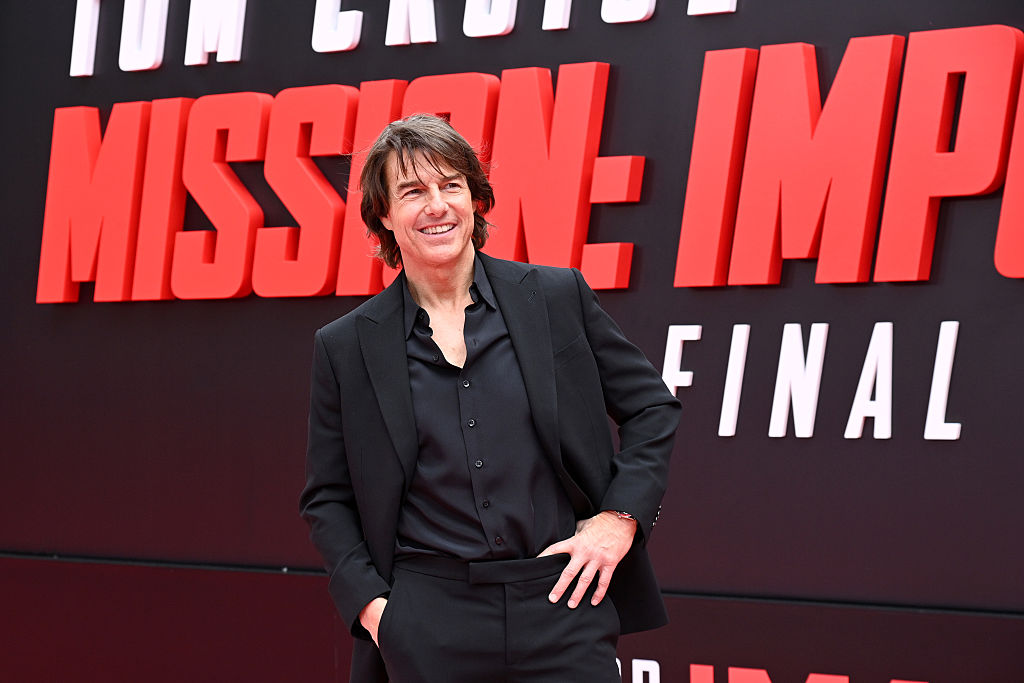
“People want that experience. They’re going to movie theaters,” Cruise said, adding, “I always believe in humanity.”
He also acknowledged that AI is coming and will become part of the industry, but encouraged creatives to “keep creating.”
He concluded, “But people want to see real things.” The actor also discussed 'Digger,' directed by 'The Revenant' filmmaker Alejandro G. Inarritu, in which he plays a wealthy oil tycoon.
Cruise appeared nearly unrecognizable in the role, wearing a fat suit and prosthetics that he said initially took six hours to apply.
Brad Pitt sees potential for AI in mid-budget films
Last month, Pitt discussed AI in an Esquire cover story, expressing a more open-minded view of how the technology could be used in movies. The Oscar-winning actor suggested AI could help more mid-budget projects get made by reducing the cost of visual effects.
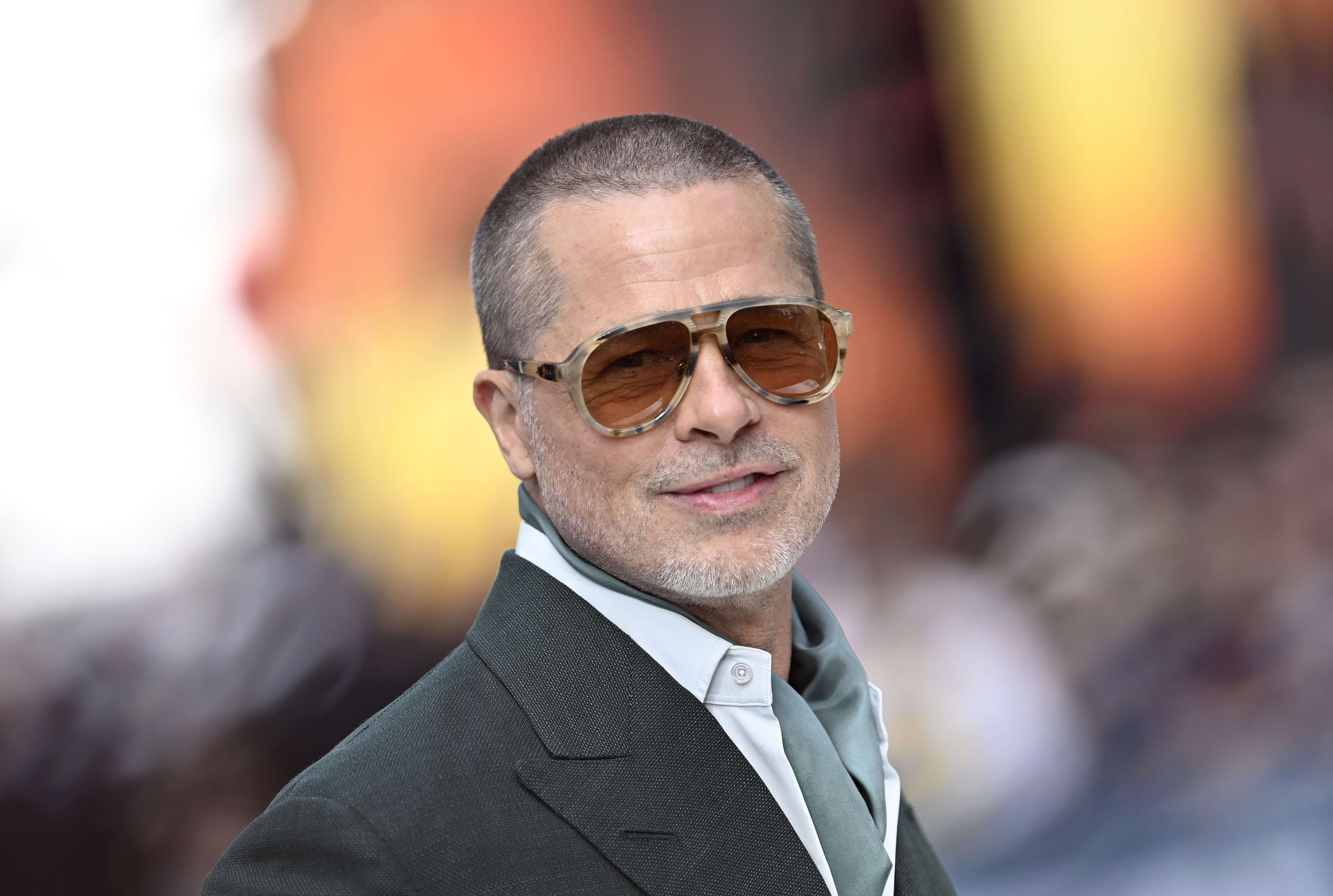
“There’s a lot of pushback against AI, but AI is going to be the very thing that, if used as a tool, is going to help these mid-budget films, $40 to $90 million-budgeted films, get made,” Pitt said.
However, Pitt has more complicated feelings about AI being used to replace actors. Asked whether AI could replicate one of his performances, he said it could depend on who creates it and how they shape the story and emotion.
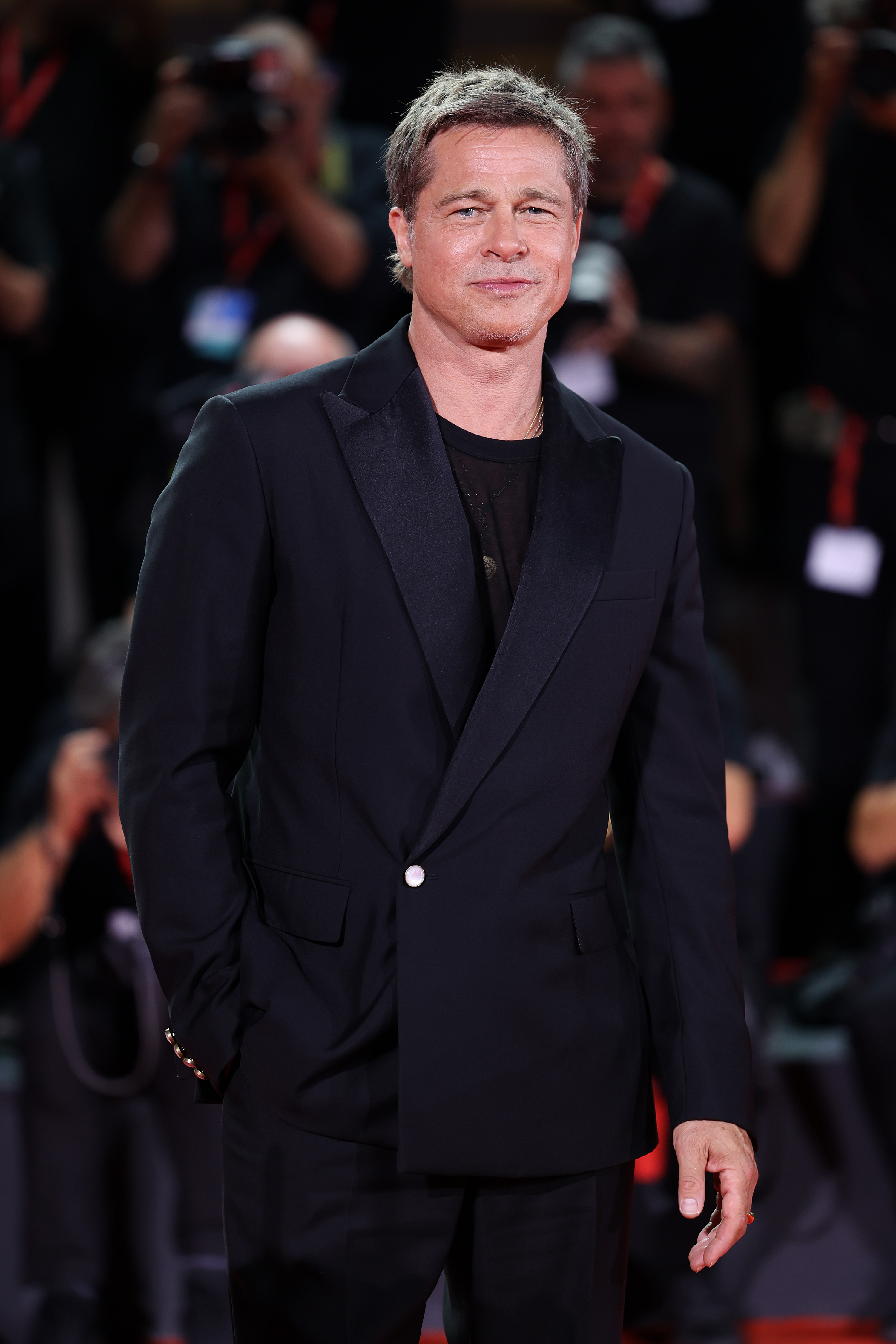
He noted that the final product might not reflect his own choices or discoveries during a performance.
Pitt described AI use in movies as “gonna be a very interesting experiment” and also discussed body scanning, which is often used for stunt work, battle scenes or de-aging but has raised concerns about licensing and how scans could be used in the future.
He also recalled hearing an AI-generated song that was “pretty damn good,” while noting its repetitive nature and saying it would not be the same as hearing a woman’s or person’s voice.