Transportation Secretary Duffy vows gas price relief once Hormuz blockade ends, Iran threat eases
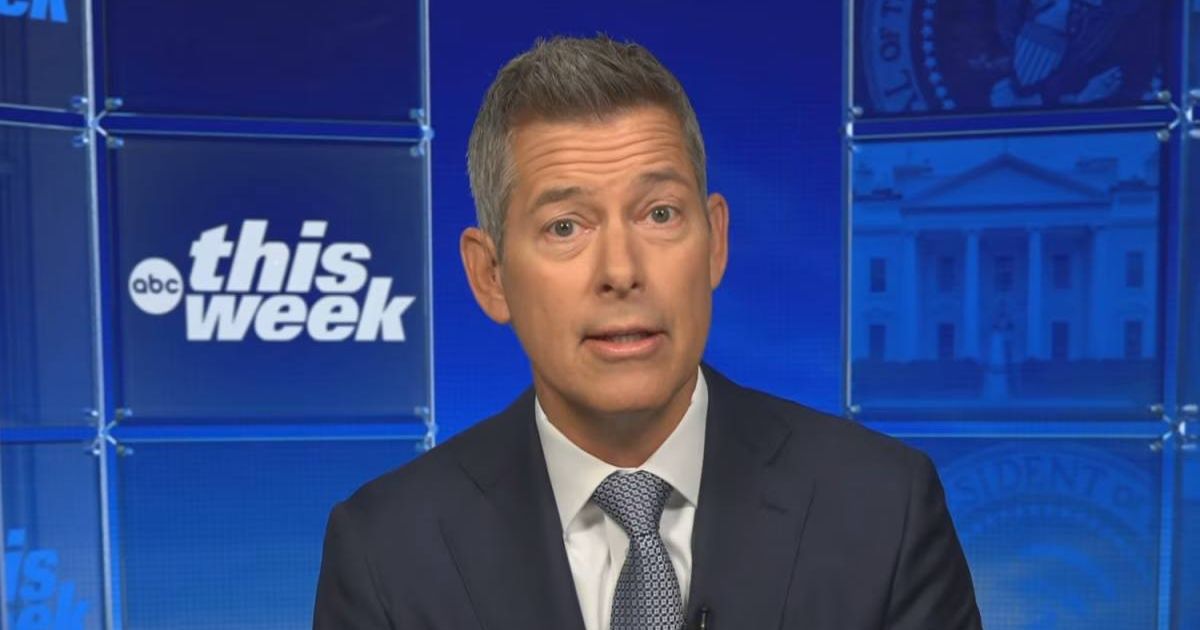
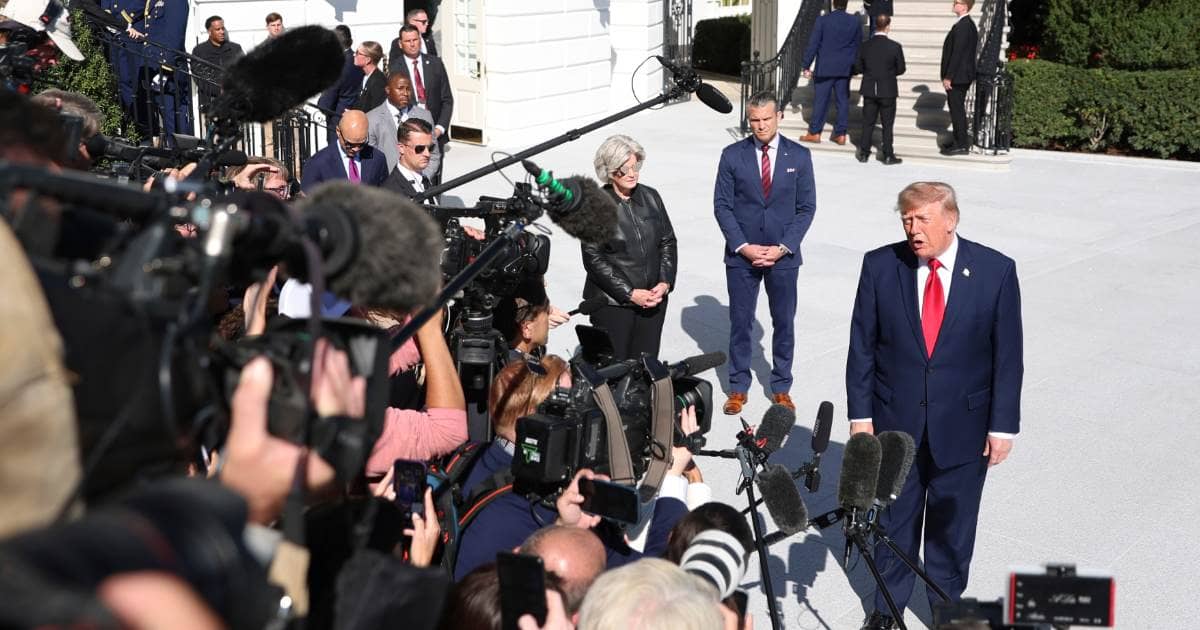
WASHINGTON, DC: Transportation Secretary Sean Duffy projected on Sunday, May 3, that Americans will see "immediate relief" at the fuel pump once the Strait of Hormuz is reopened and US objectives regarding Iran’s nuclear capabilities are secured.
Speaking with ABC News’ "This Week," Duffy acknowledged that preventing a nuclear-armed Iran and restoring safety to the vital waterway is taking longer than initially expected.
He noted that the process is likely to "play out over the next several weeks" as the administration navigates complex nuclear material concerns and maritime safety.
Transportation Secretary Sean Duffy on the timeline of the war in Iran: “The President's been successful in executing the military operation. Again, we're now navigating the safety through the Strait of Hormuz, and also trying to navigate the nuclear material that Iran has. And… pic.twitter.com/fF8RgRrtiF
— This Week (@ThisWeekABC) May 3, 2026
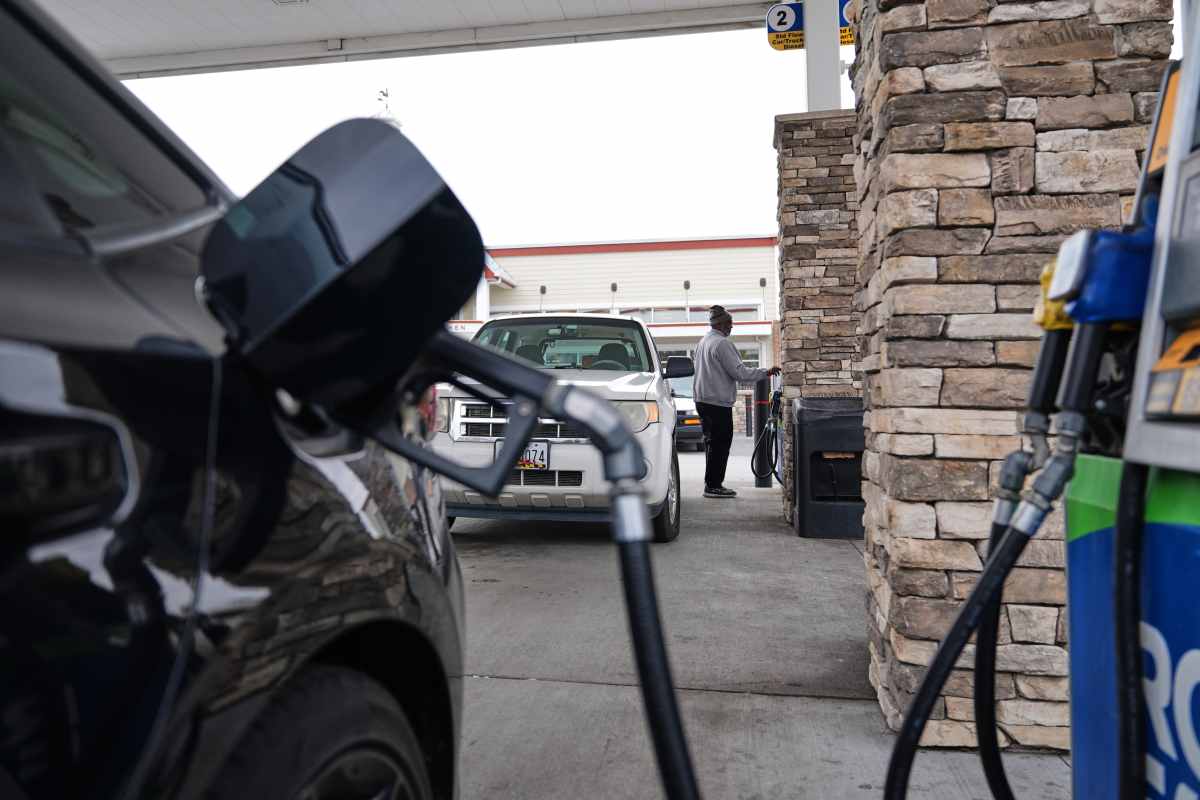
The effective closure of the Strait has caused fuel costs to soar, adding nearly 40 cents to last week’s average of $4.05 per gallon.
Since the start of the conflict on February 28, the average price per gallon has climbed roughly $1.50.
Duffy maintained that once supply flows again through the strait, pricing will plummet.
Americans struggle with rising energy costs
New polling data from ABC News/Washington Post/Ipsos reveals a growing economic pessimism among the public.
Approximately 44% of respondents reported cutting back on driving due to high costs, while one-third have altered travel or vacation plans.
Despite these findings, Duffy asserted that President Trump’s focus on "American energy dominance" ensures the US remains protected from the actual fuel shortages facing other nations.
He described the current high prices as a necessary trade-off for prohibiting Iran from obtaining a nuclear weapon, a core objective of the military action.
Aviation industry buckles under fuel pressure
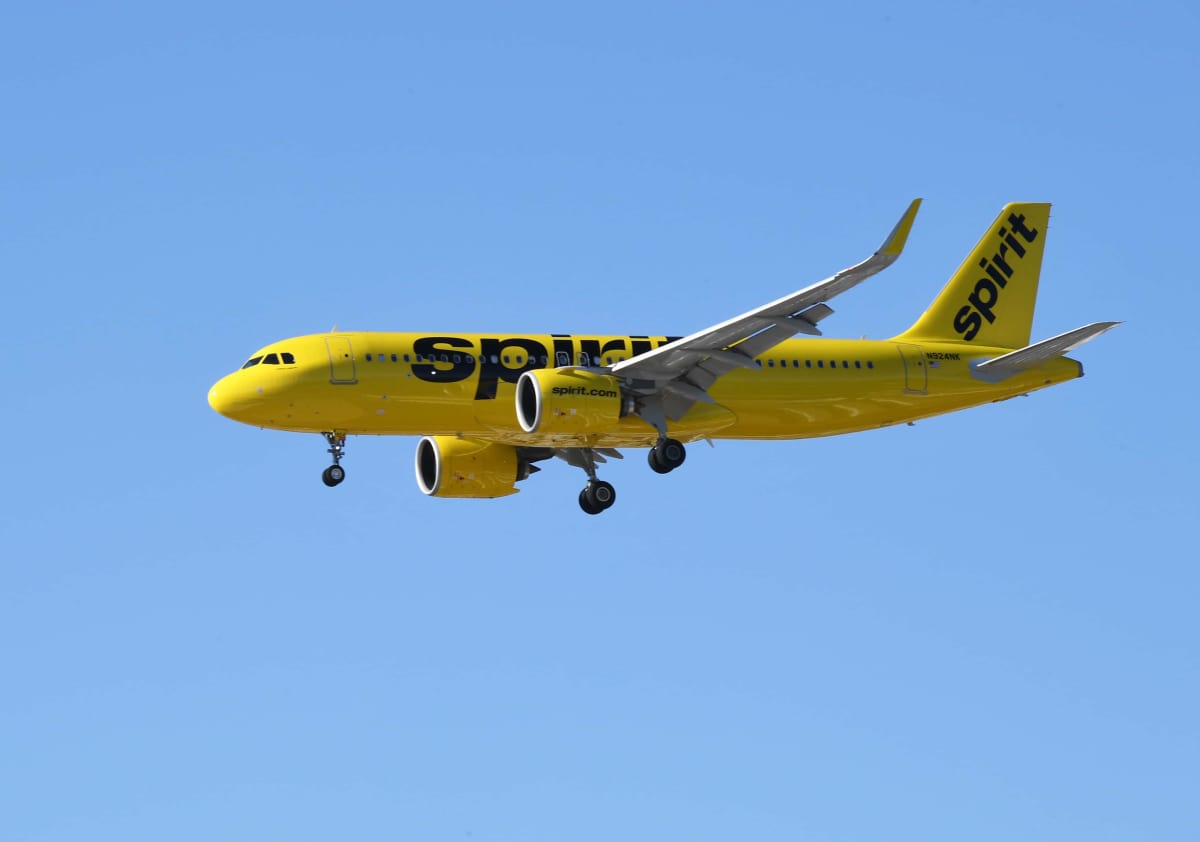
The surge in energy costs is radiating through the broader economy, particularly hitting the aviation sector.
Airlines have been forced to increase fares and implement additional fees to offset the rising price of jet fuel.
While fuel costs have added pressure, budget carrier Spirit Airlines ceased all operations early Saturday morning.
Duffy attributed the carrier's collapse to the previous administration's decision to block a merger with JetBlue, claiming the Department of Justice "tanked that deal" and forced the airline into bankruptcy.
Public remains skeptical of tax policy
To mitigate the impact of energy costs, Duffy pointed to the President's signature tax and spending bill, which reportedly provided larger tax refunds for some citizens this season.
However, public approval remains low; according to recent polls, only 38% of Americans approve of the administration's handling of taxes, nearly mirroring the President's overall approval rating of 37%.
Duffy remains firm that leadership requires making difficult choices when confronted with a potential nuclear threat, stating the President "is not going to tolerate" a nuclear-armed Iran.