Trump admin suffers setback as appeals court blocks mail voting order in 23 states ahead of midterms
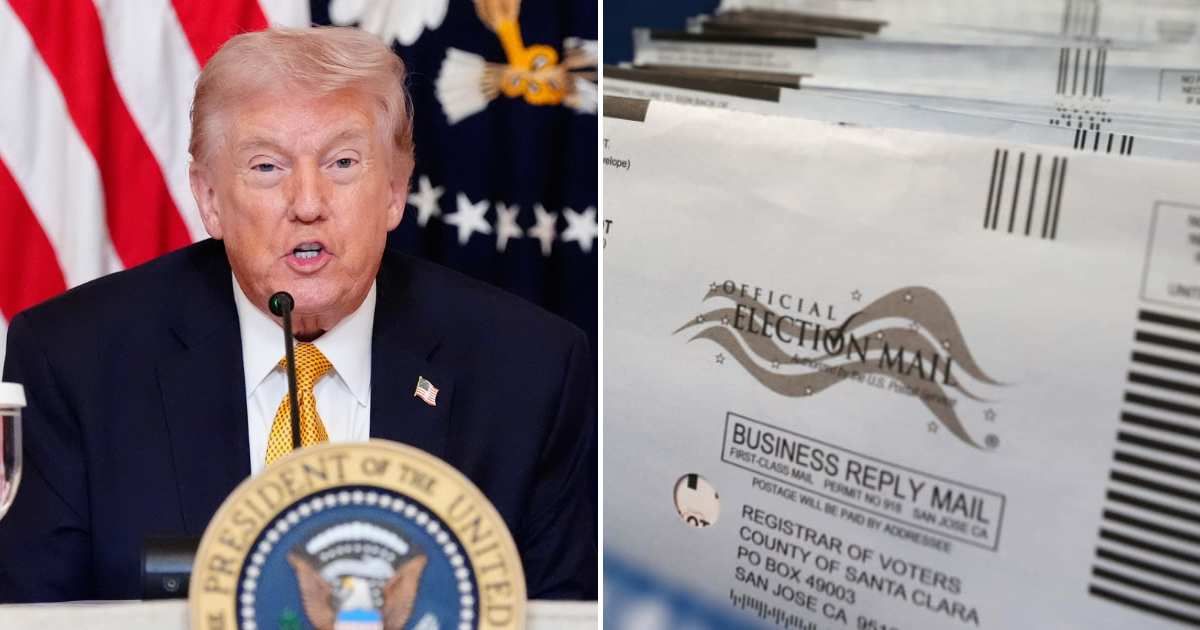
WASHINGTON, DC: A federal appeals court on Saturday, July 25, rejected the administration's request to enforce key provisions of President Donald Trump's executive order tightening mail-in voting rules in 23 Democratic-led states ahead of this year's midterm elections.
In a 2-1 decision, the First US Circuit Court of Appeals declined to pause a lower court injunction blocking several parts of the order while the administration pursues its appeal.
The ruling marks another legal setback for the administration's election integrity agenda and could prompt the Justice Department to seek emergency relief from the Supreme Court.
Appeals court blocks Trump's mail voting order
The Justice Department had asked the Boston-based appeals court to suspend a June 25 ruling by US District Judge Indira Talwani, arguing that challenges to Trump's March executive order were premature because federal agencies had not yet finalized the policies needed to implement it.
The appeals court rejected that argument, finding that states are already facing election-related deadlines and must begin preparing for any potential changes.
NEW: A US appeals court rejected DOJ's request to let federal officials fully move ahead with Trump’s overhaul of mail voting ahead of the November midterms, leaving in place a Boston judge’s order blocking key parts of the president’s exec. order in 23 states + DC… pic.twitter.com/EgqaONxrW1
— Zoe Tillman (@ZoeTillman) July 25, 2026
"As the district court reasoned, the (executive order) lays out a clear set of rapidly approaching deadlines by which states must coordinate with federal officials and comply with new voting procedures," the majority wrote.
"The Plaintiff States have no practical choice but to respond to the (order) now."
The lawsuit was filed by 23 states and the District of Columbia, led by California, Massachusetts, Nevada, and Washington.
The plaintiffs argue that the Constitution gives states primary authority over administering federal elections and that the president exceeded his authority by directing federal agencies to impose new election requirements.
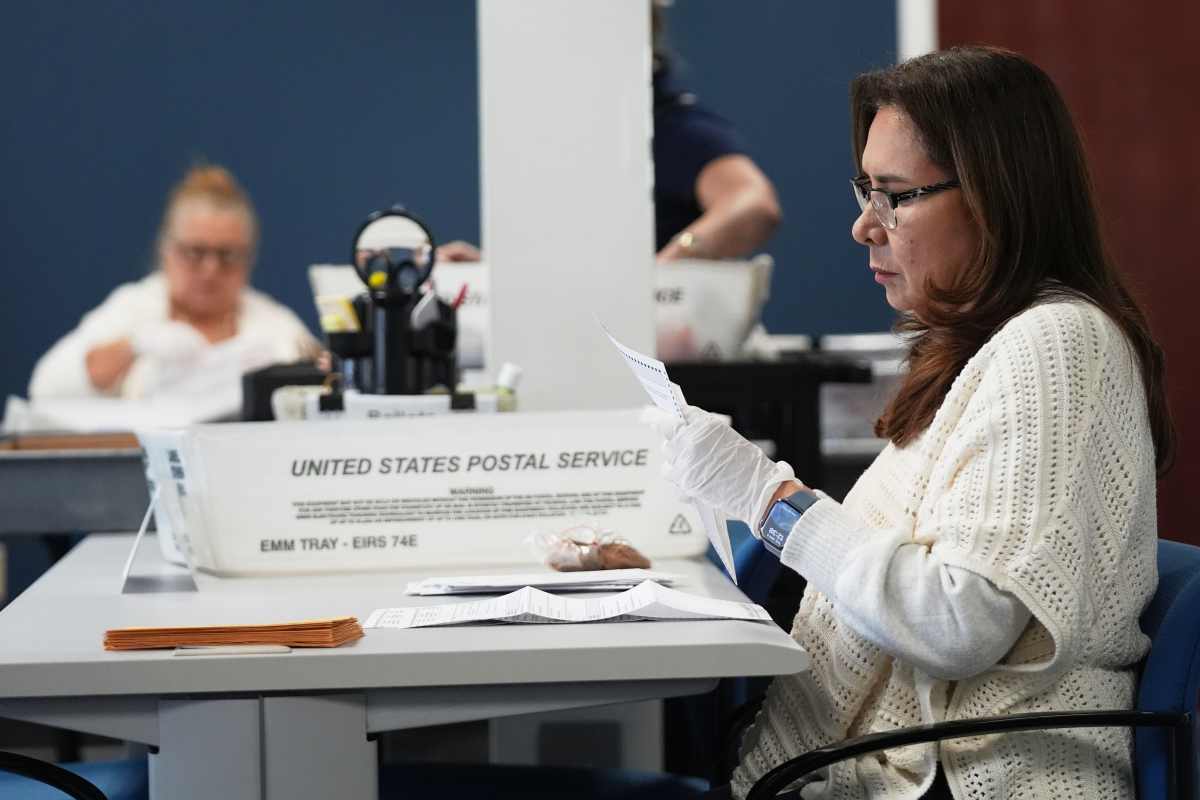
Talwani agreed in June, concluding that several provisions of the executive order likely exceeded presidential authority and blocking federal agencies from implementing them in the plaintiff states through the November 3 federal elections.
Trump's mail voting order faces Supreme Court
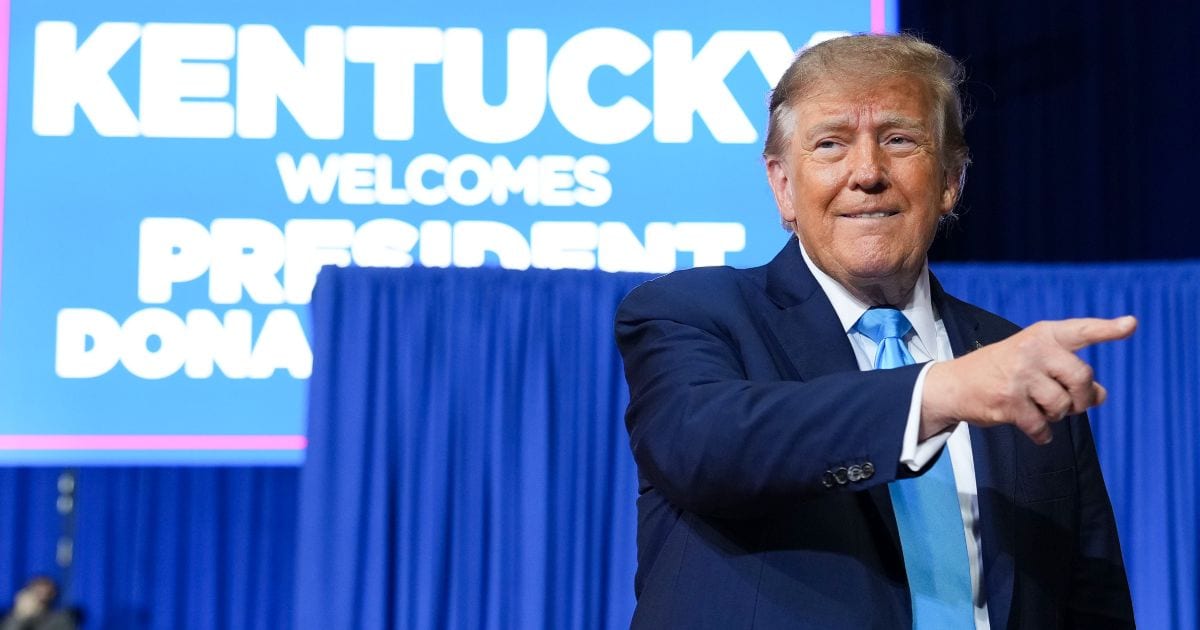
Trump signed the executive order in March as part of his broader election integrity agenda.
Among its provisions, the order directs the Department of Homeland Security to compile lists of confirmed US citizens eligible to vote and provide those records to states.
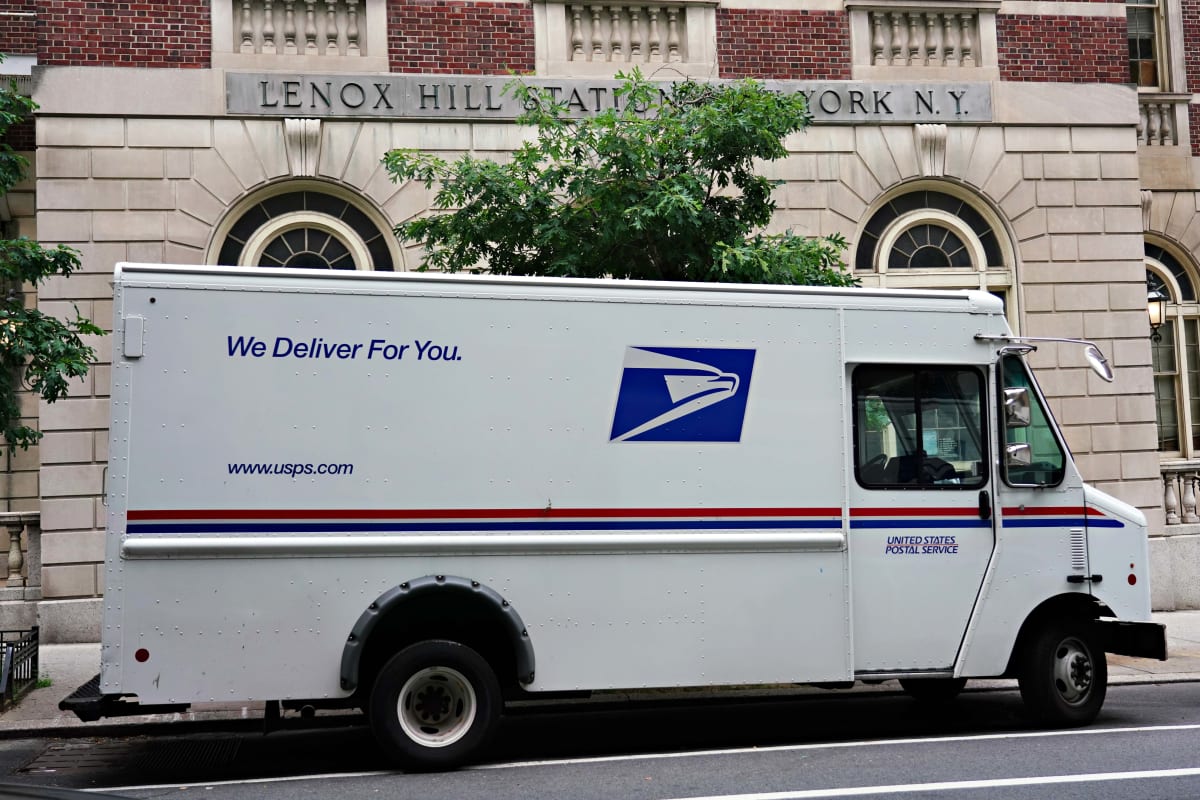
It also instructs the US Postal Service to establish new standards for handling mail-in ballots and directs the Justice Department to prioritize investigations of state and local election officials who issue federal ballots to individuals deemed ineligible to vote.
According to court filings, the administration argued that because agencies had not finalized implementation measures, the states had not yet suffered any legal injury.
The appeals court, however, found that complying with the executive order would require states to begin making operational and financial preparations immediately, including possible changes to mail-in ballot procedures.

The Justice Department has previously indicated it could ask the Supreme Court to intervene if it failed to obtain relief from the appeals court. The ruling does not resolve the underlying legal challenge but prevents key portions of the executive order from taking effect in the plaintiff states while litigation continues.