Trump administration slaps new Iran sanctions amid protest crackdown and rising tensions
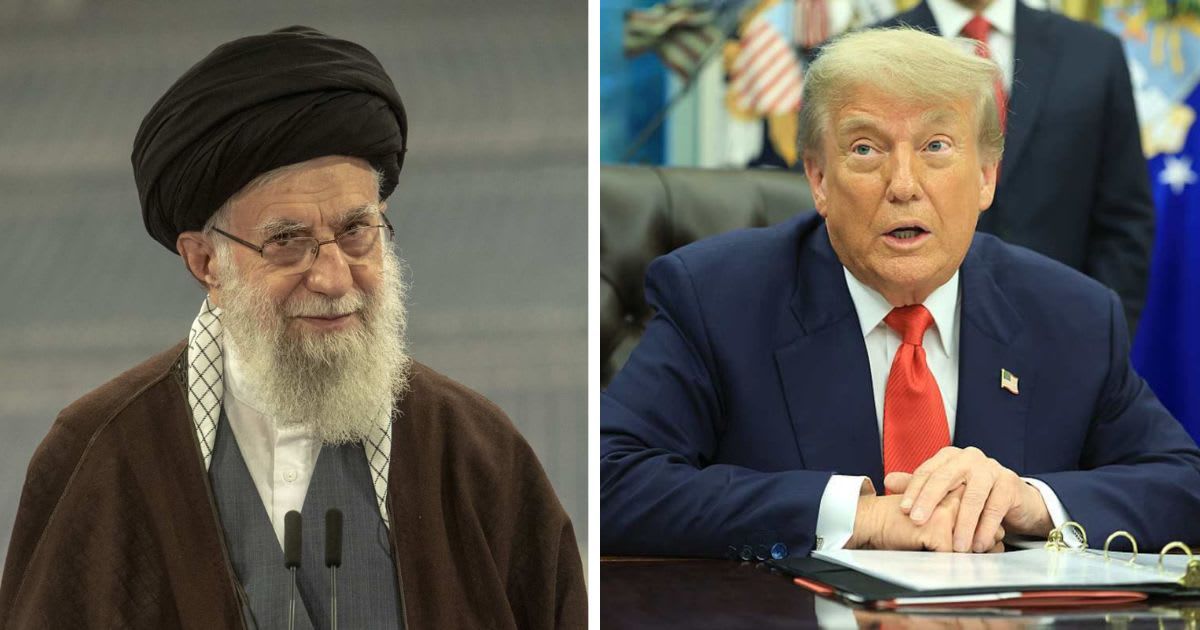
WASHINGTON, DC: On Friday, January 30, the Trump administration announced a new set of sanctions against senior Iranian officials, accusing them of orchestrating a violent crackdown on nationwide protests that have challenged Iran’s ruling establishment. The sanctions specifically target Iran’s interior minister, along with several individuals and entities allegedly involved in repression and financial misconduct.
This action aligns with similar measures taken by the European Union earlier this week. The sanctions are being implemented amid rising regional tensions and renewed warnings from US officials regarding potential threats posed by Iran.
US and EU target Iranian officials over protest crackdown
The United States has imposed sanctions on Iran’s interior minister, Eskandar Momeni, for his role in overseeing law enforcement forces responsible for the deaths of thousands of peaceful protesters. The administration claims that Momeni played a key role in directing the response to demonstrations that began in late December due to economic conditions and later expanded into broader opposition against Iran’s theocratic system. These sanctions prevent Momeni from accessing any property or financial assets held in the United States, restrict his travel to the country, and prohibit US individuals and companies from doing business with him.
The European Union imposed parallel sanctions on Thursday, targeting Momeni along with members of Iran’s judiciary and other senior officers. “They were all involved in the violent repression of peaceful protests and the arbitrary arrest of political activists and human rights defenders,” the EU said in a statement.
#BREAKING: U.S. Treasury sanctions Iranian officials responsible for the regime’s brutal crackdown on its own people.
— Aditya Raj Kaul (@AdityaRajKaul) January 30, 2026
“Among the officials sanctioned today is Eskandar Momeni Kalagari —Iran’s Minister of the Interior—who oversees the murderous Law Enforcement Forces of the… pic.twitter.com/RJOkCbLDeO
Treasury Secretary Scott Bessent said the department “will continue to target Iranian networks and corrupt elites that enrich themselves at the expense of the Iranian people.” He added, “like rats on a sinking ship, the regime is frantically wiring funds stolen from Iranian families to banks and financial institutions around the world. Rest assured, Treasury will act."

The sanctions also target the secretary of Iran’s Supreme Council for National Security, along with a group of 18 individuals and companies accused of laundering proceeds from Iranian oil sales through a shadow banking network. Additionally, the European Union has agreed to designate Iran’s Revolutionary Guard as a terrorist organization. While this designation is largely considered symbolic, it increases diplomatic pressure on Tehran.
US officials warn of military risks as pressure on Tehran grows
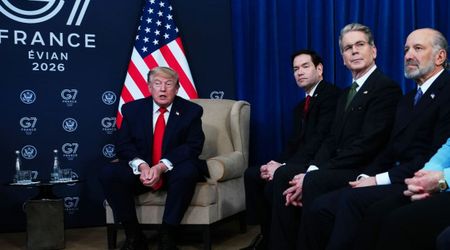
Sanctions were announced as US officials highlighted ongoing security concerns in the Middle East. On Wednesday, January 28, Secretary of State Marco Rubio stated that is “wise and prudent” for the United States to keep military assets in the region to protect American forces, noting that US troops remain vulnerable to potential Iranian attacks. During his testimony before the Senate, Rubio mentioned that the US has between 30,000 and 40,000 troops stationed across eight or nine facilities in the region.
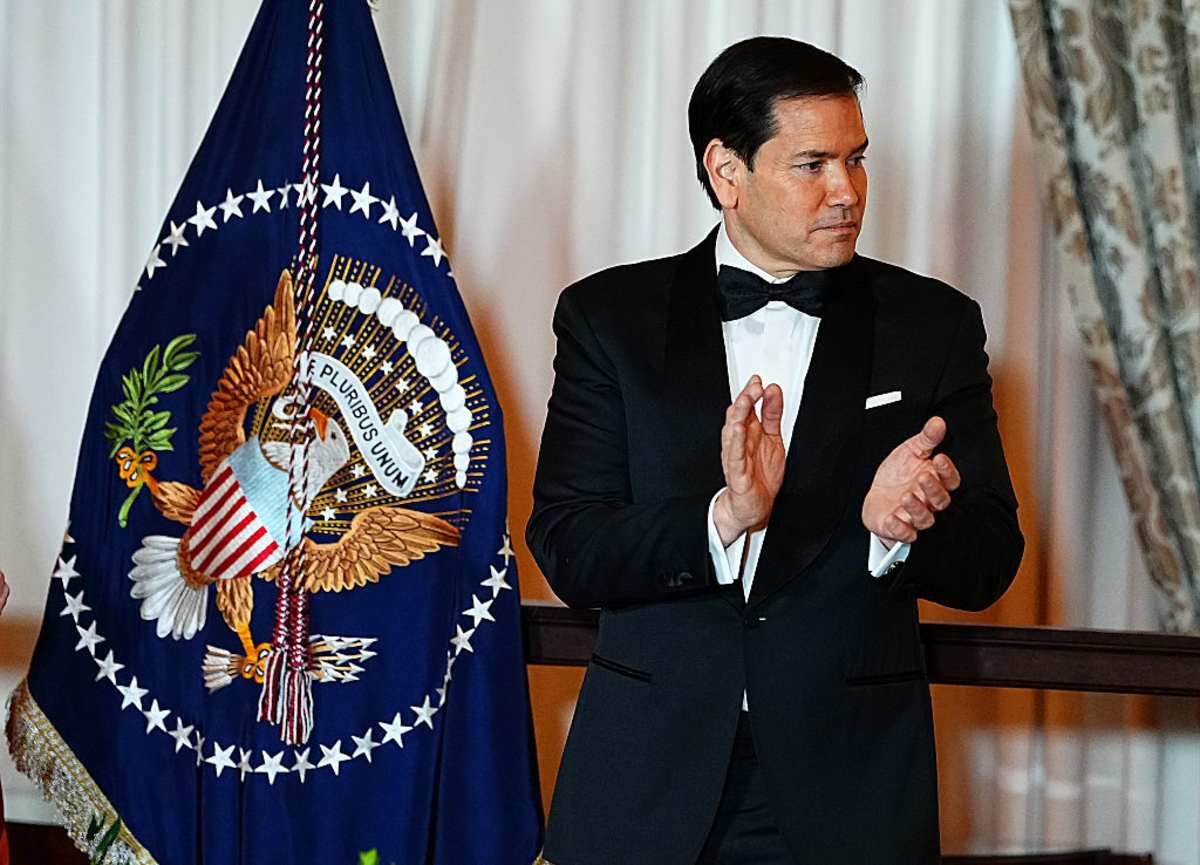
Rubio stressed that the current US posture is focused on deterrence rather than escalation. “I think it’s wise and prudent to have a force posture within the region that could respond and potentially, if necessary, preemptively prevent an attack against thousands of American servicemen and other facilities in the region and our allies,” he said.
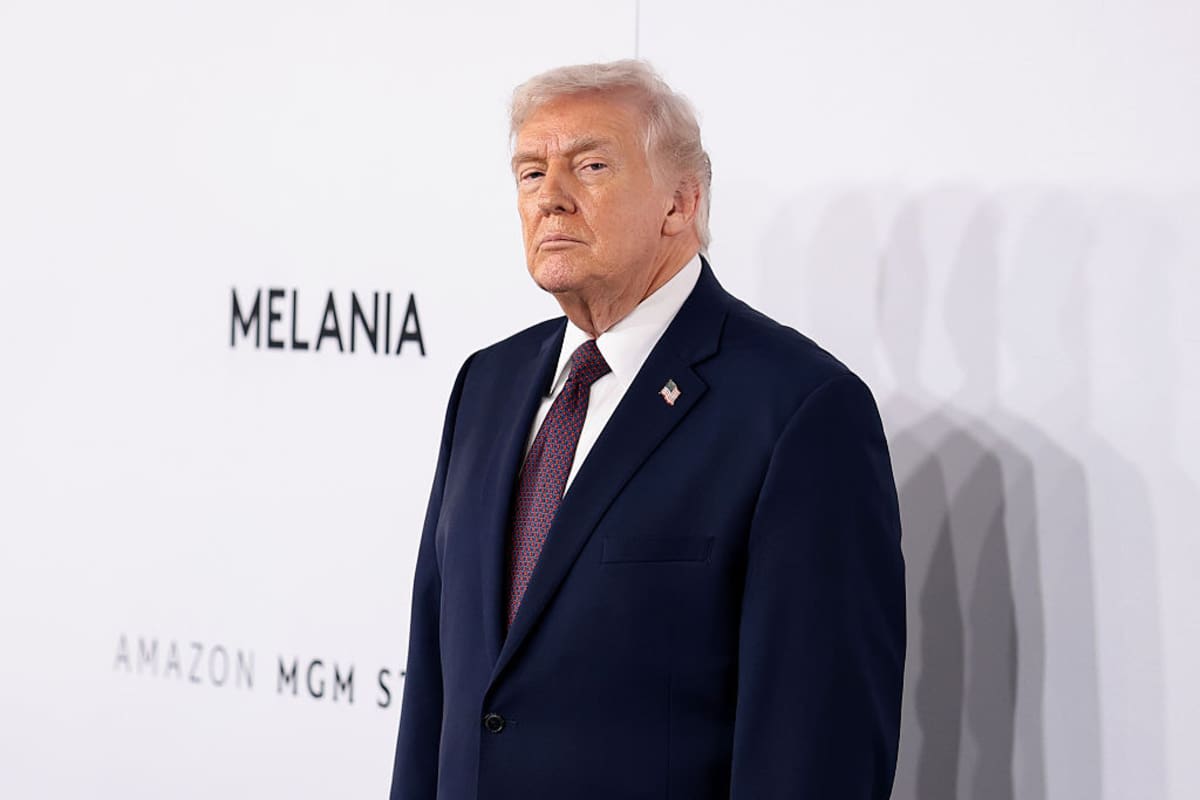
His remarks came the same day Donald Trump announced that a “massive armada” of US military forces was moving toward Iran, warning Tehran to return to negotiations.
“A massive Armada is heading to Iran,” Trump wrote on Truth Social, urging Iranian leaders to “come to the table” and agree to a deal preventing Iran from acquiring nuclear weapons.