Trump admits he ignored doctors to keep taking daily aspirin: ‘I want thin blood’

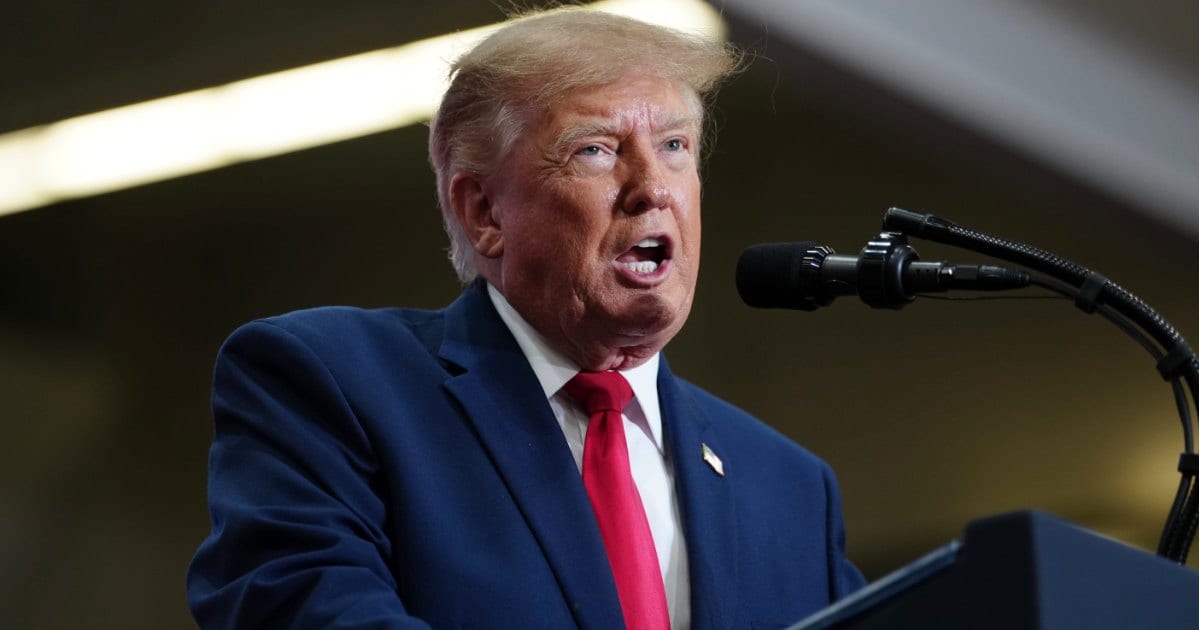
WASHINGTON, DC: President Donald Trump is once again defying convention, this time when it comes to his own health. In a candid interview conducted in late December, the 79-year-old president revealed that he continues to take a high daily dose of aspirin, despite repeated advice from his doctors to cut back.
Speaking to The Wall Street Journal, Trump said he has refused to change a routine he has followed for roughly 25 years, explaining that he believes aspirin keeps his blood flowing the way he prefers, thin and unobstructed.
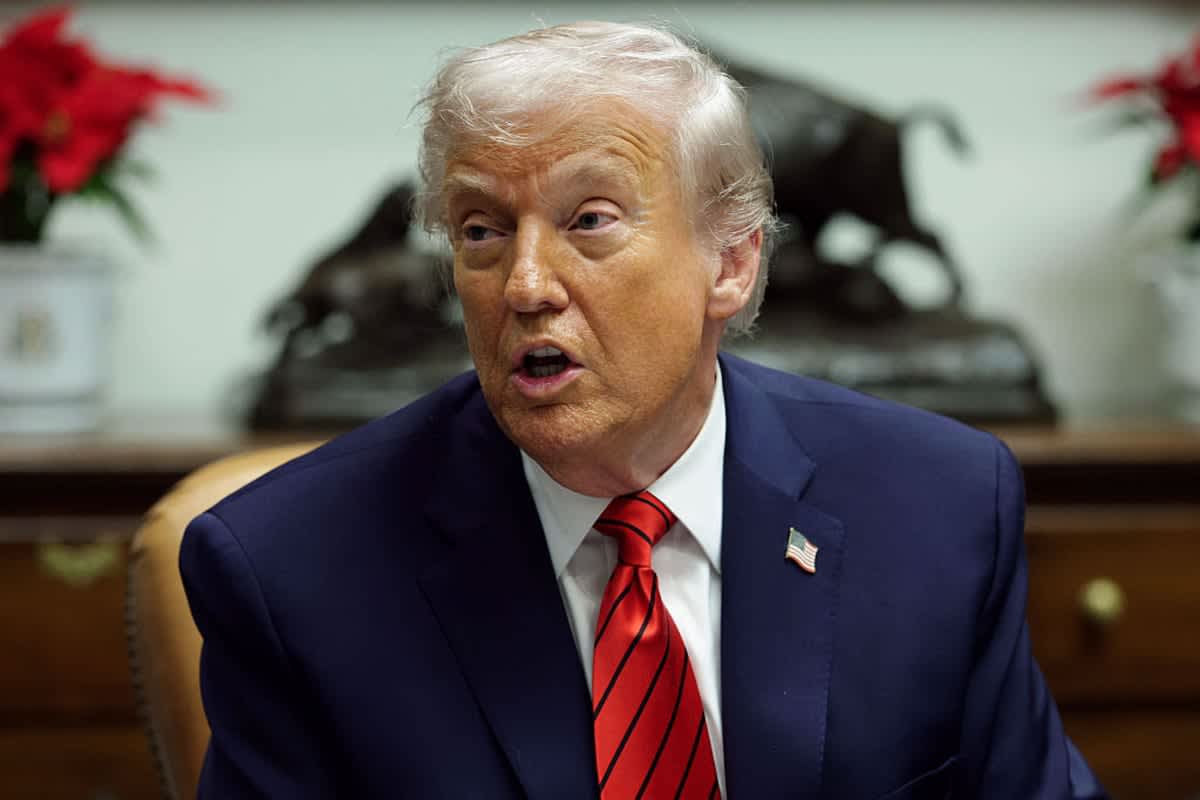
Trump says he ignored medical advice due to superstition
Trump told the Journal that he declined recommendations from his physician to reduce the amount of aspirin he consumes each day, describing himself as “a little superstitious” about abandoning a habit he believes has worked for him.
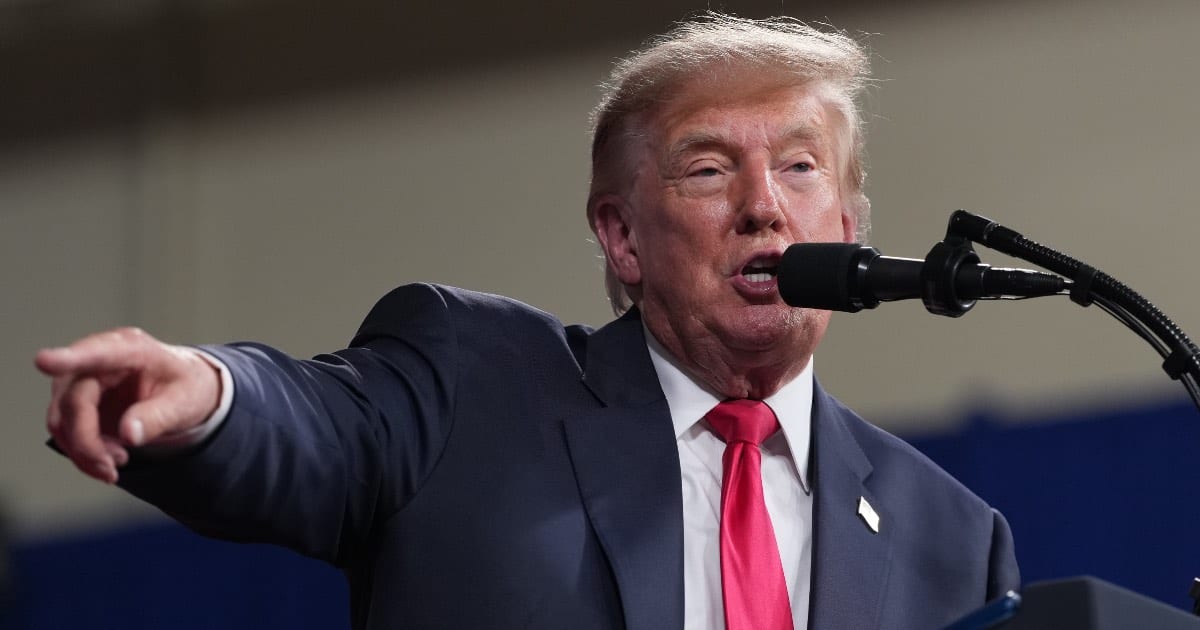
“They say aspirin is good for thinning out the blood, and I don’t want thick blood pouring through my heart,” Trump said. “I want nice, thin blood pouring through my heart. Does that make sense?”
In a video clip from the interview shared online, Trump added, “That’s the number one blood thinner. I don’t want to know about that. I take an aspirin.”
Trump: "That's the number one blood thinner. I don't want to know about that. I take an aspirin." pic.twitter.com/9qPGEvbKr6
— Aaron Rupar (@atrupar) December 19, 2025
According to the report, Trump’s physician confirmed that the president currently takes 325 milligrams of aspirin daily, a dose considered significantly higher than what is now typically advised for preventive care. Standard low-dose aspirin therapy generally ranges between 75 and 100 milligrams per day.
Trump’s insistence on maintaining the regimen came despite evolving medical guidance that has moved away from routine aspirin use, particularly for older adults.
Trump's health history and chronic venous insufficiency diagnosis
The comments followed renewed public scrutiny of Trump’s health after he was diagnosed last year with chronic venous insufficiency, a condition that affects how efficiently veins in the legs return blood to the heart. The diagnosis emerged after White House observers noticed what appeared to be persistent swelling in Trump’s lower legs throughout 2025.
While chronic venous insufficiency does not automatically require aspirin therapy, Trump appeared convinced the medication played a key role in managing his circulation.
Daily aspirin use became widely popular in the 1980s as a preventive measure against cardiovascular disease because of its antiplatelet properties, roughly around the time Trump entered his 40s. Since then, medical consensus has shifted significantly.
Medical experts push back on Trump's ‘thin blood’ explanation
In 2022, the US Preventive Services Task Force rolled back its long-standing recommendation for routine aspirin use in older adults. The agency cited data showing that for people aged 70 to 79, initiating aspirin therapy could lead to a loss of quality-adjusted life years due to increased bleeding risks.
Jonathan Reiner, a cardiologist who previously treated former Vice President Dick Cheney, publicly challenged Trump’s description of aspirin’s effects during a Friday appearance on CNN’s 'The Lead.'
“It makes no sense,” Reiner said. “When we use anticoagulant medications, they don’t thin the blood. It’s not like changing something from gumbo to chicken soup. They make you less likely to clot.”