Trump claims he’d help Iranians ‘if they can behave', but says their system ‘only allows failure’
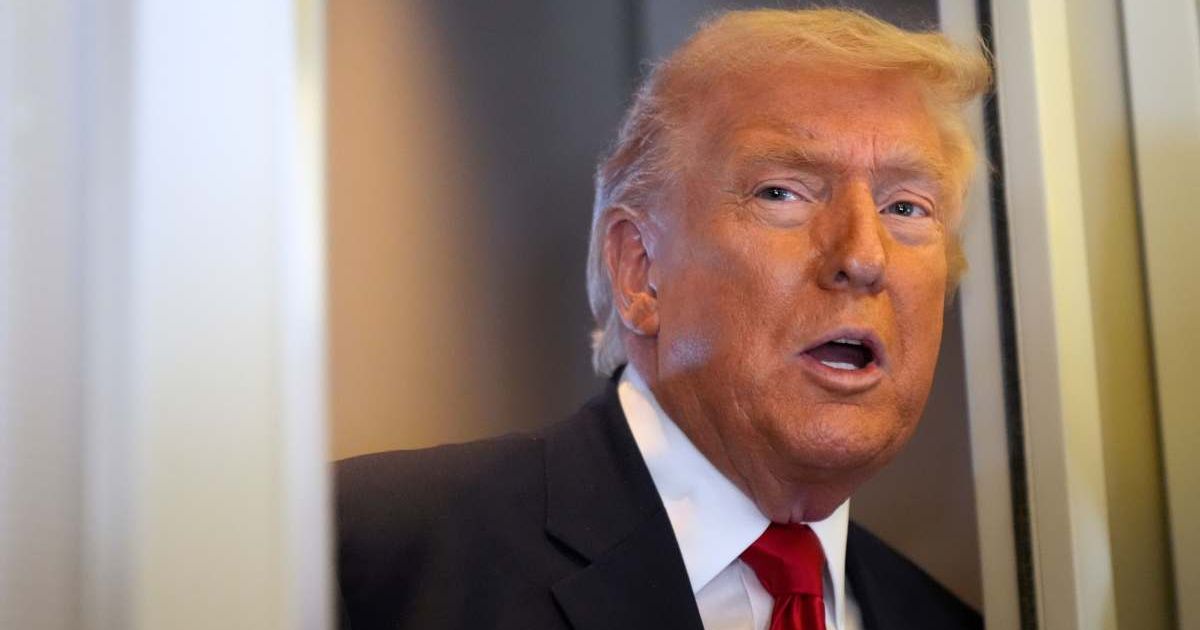
Q: You promised the Iranian people you would help them, but it sounds like you're willing to end this fight. Isn't that a betrayal?
— Aaron Rupar (@atrupar) March 9, 2026
TRUMP: Will I help them? I'd like to if they can behave. But they've been very menacing. pic.twitter.com/4OGflRnMMf
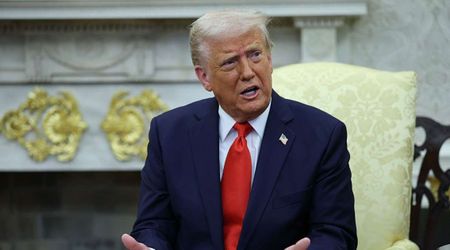
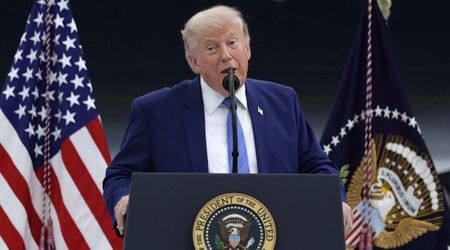
DORAL, FLORIDA: President Donald Trump said he wants to help the people of Iran if they behave, but he called their actions “very menacing.” On February 28, Trump launched major US and Israel strikes on Iranian military and government sites.
In response, Iran fired missiles and drones at Israel, US bases in the region, and other Gulf countries. Notably, Israel has stepped up attacks on the Hezbollah militia in Lebanon.
Trump praises Iranian people despite tensions
During a press briefing, a reporter asked Donald Trump, "You promised the Iranian people you would help them, but it sounds like you're willing to end this fight after your military objectives have wrapped up. Is that, isn't that a betrayal of the people?"
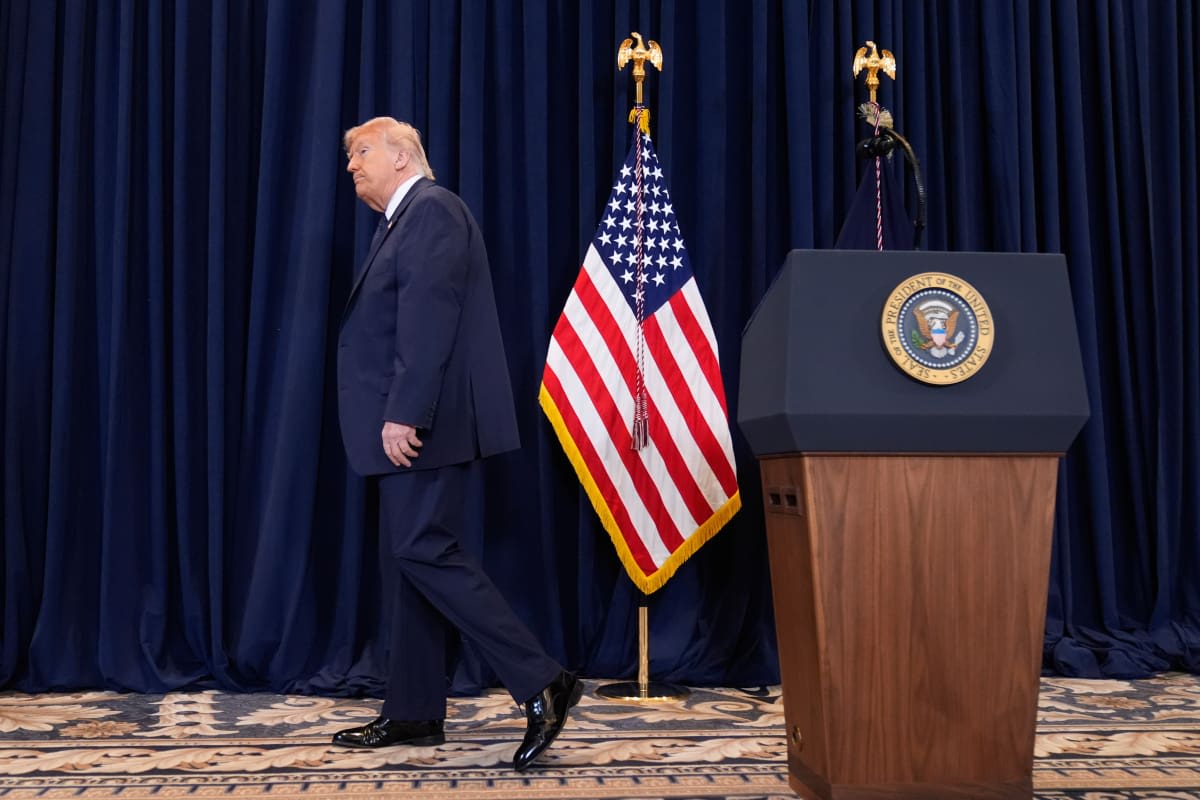
Trump said he wanted to help the Iranian population but stressed that their current government and political system prevented meaningful assistance.
“Will I help them? I'd like to if they can behave, but they've been very menacing,” he said, while praising the Iranian people. "You know, they're great people. They have an amazing population. It's amazing. Smart, brilliant, energetic."
He added, “I'd love to help them, but they have to be in a system that allows them to be helped. And right now, they are in a system that only allows failure.”
He also said the US wants a government in Iran that can ensure long-term peace and stability, rather than one that threatens American security.
“And I want a system that's not going to be attacking us. We want a system that can lead to many years of peace. And if we can't have that, we might as well get it over with right now," Trump shared.
Trump outlines three reasons for Iran strikes
In the early hours of February 28, Donald Trump announced that the US had launched military strikes on Iran. In an eight-minute video posted on social media, he said the operation was “massive and ongoing” and aimed at ending the Iranian threat. Speaking from his Mar-a-Lago resort in Florida, Trump said, “They will never have a nuclear weapon.”
U.S. President Donald Trump releases 8 minute statement, confirming they began major combat operations on Iran. pic.twitter.com/uqo3fIP4J8
— AZ Intel (@AZ_Intel_) February 28, 2026
He added that the US was acting to protect Americans from what he called “imminent threats” from the Iranian regime. Trump described the government in Tehran as dangerous and aggressive, saying its actions put the US, American troops, overseas bases, and allies at risk.
Trump tried to justify the strikes by making three points: that Iran has been a threat to the US since 1979, that it is close to developing missiles capable of reaching America, and that it is working on nuclear weapons, even though he previously said US strikes had destroyed these capabilities.
Trump says Iran refused deal with US
President Trump said the US had tried to negotiate with Iran, but Tehran refused to meet Washington’s demands.
"We sought repeatedly to make a deal. We tried. They wanted to do it. They didn't want to do it again. They wanted to do it. They didn't want to do it."
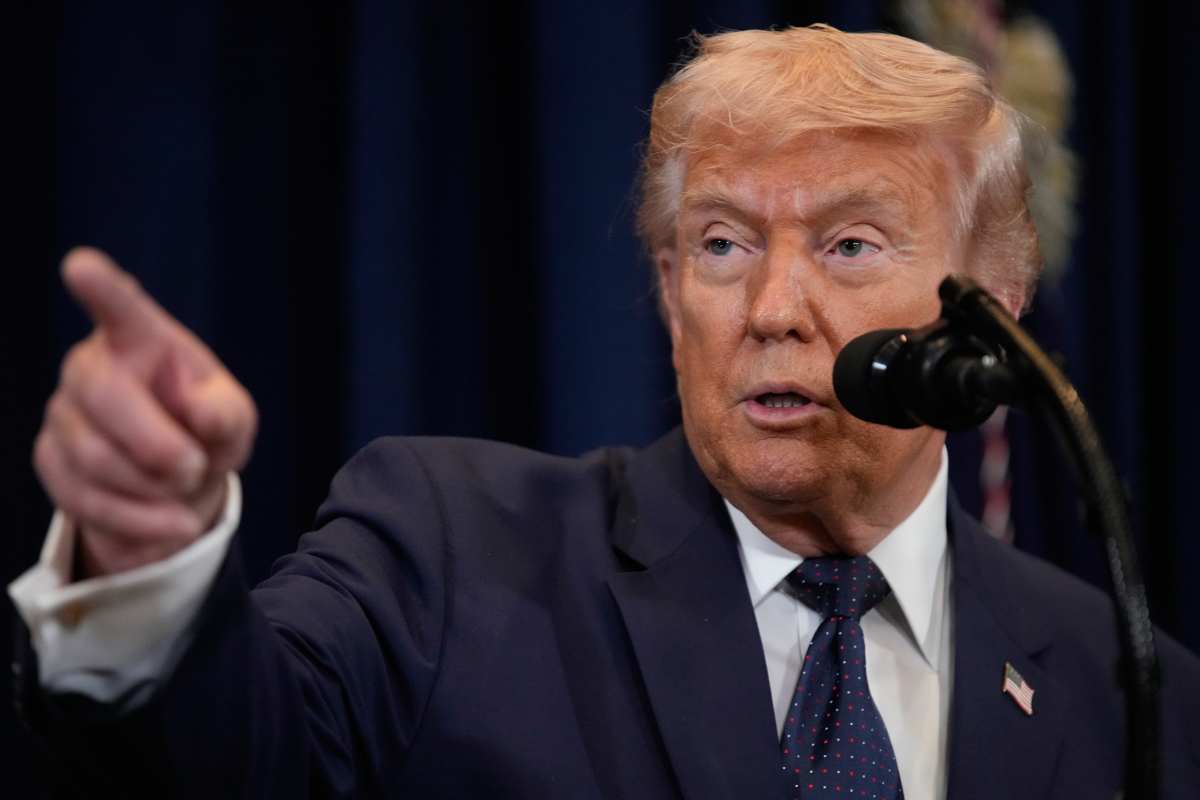
“On the eve of the attack, they wouldn’t give us what we have to have,” Trump said. He added that the military action was necessary to prevent the “wicked, radical dictatorship” from threatening the US and its core security interests.
Trump addressed the Iranian people directly, saying the strikes could open a chance for freedom.
“When we are finished, take over your government. It will be yours to take. This will probably be your only chance for generations,” he said.
In recent months, Trump has pressured Iran to stop its nuclear weapons program and to end its crackdown on protests. While emphasizing democracy and change from within, he also warned that the opportunity for reform might be limited, signaling that the US expects major changes in Iranian society.