Trump declines to renew USMCA trade deal he once hailed as a landmark achievement
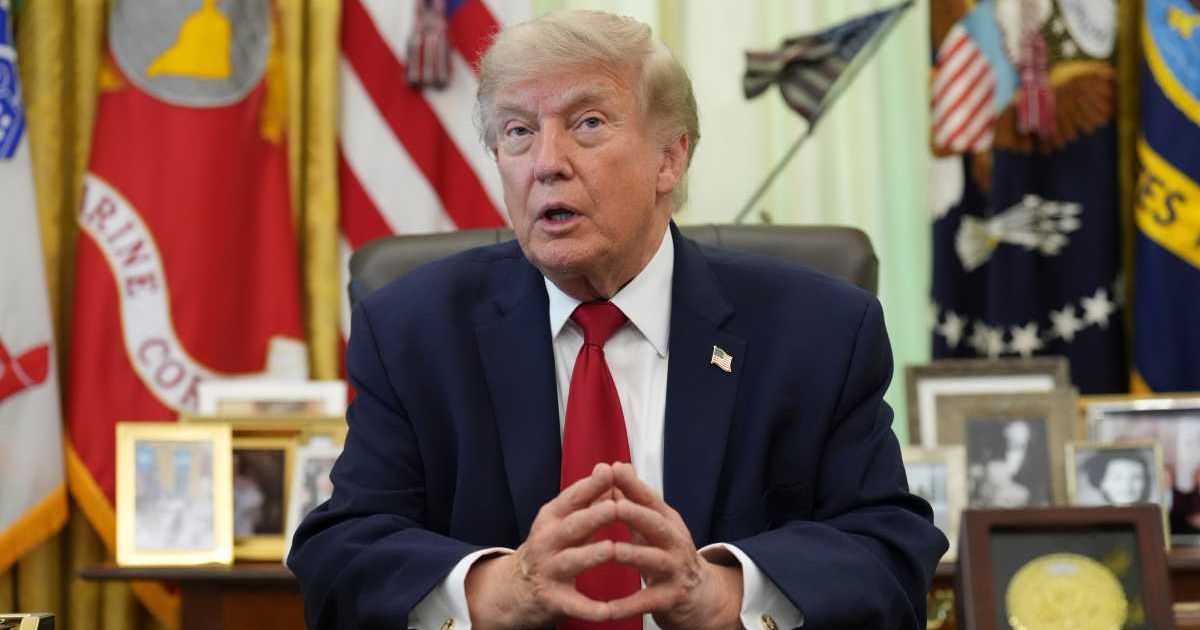
WASHINGTON, DC: President Donald Trump's administration has decided against renewing the United States-Mexico-Canada Agreement (USMCA) in its current form, marking a major shift for a trade pact that Trump himself negotiated during his first term.
On Wednesday, July 1, the long-awaited renewal deadline passed without an extension after US officials said they wanted additional negotiations with Canada and Mexico before committing to another 16 years.
The decision leaves the future of North America's biggest trade agreement uncertain. While the pact remains in force for now, officials signaled that talks will continue in the coming months as the administration pushes for changes that it believes better serve US interests.
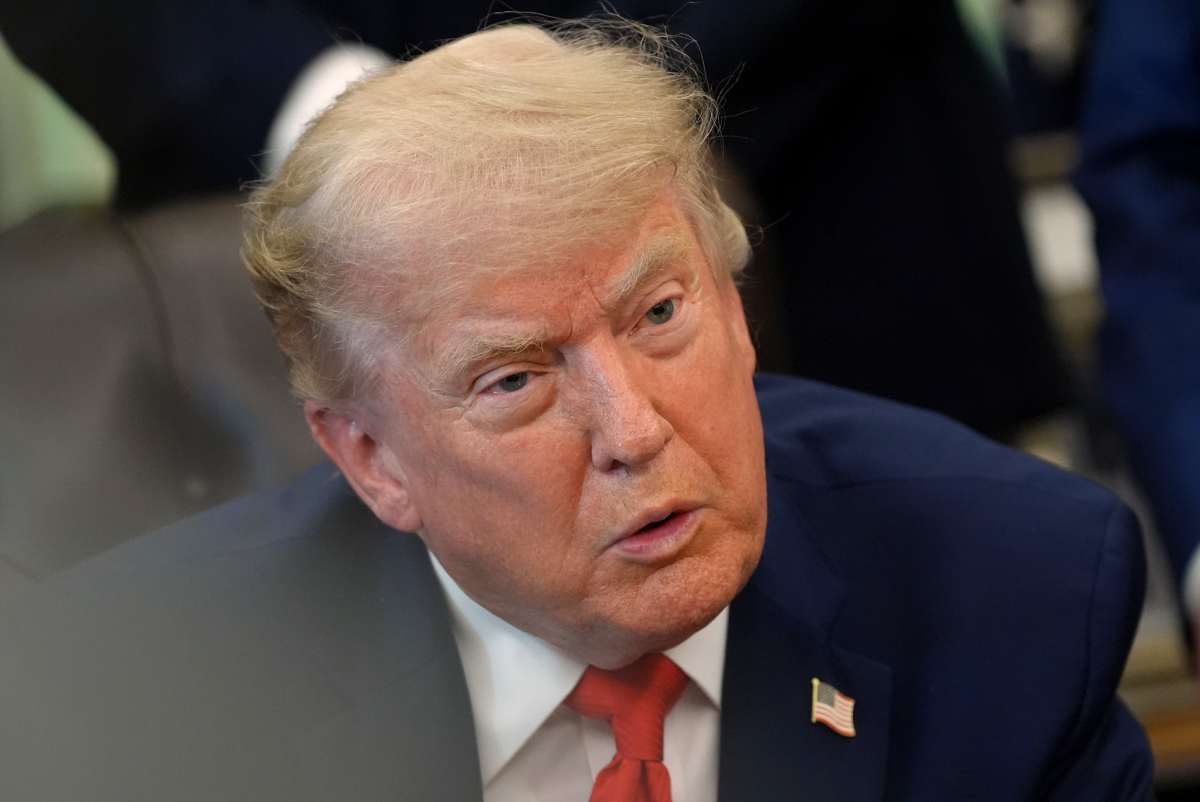
Trump administration says USMCA needs more negotiations
Representatives from the United States, Canada and Mexico met virtually on Wednesday to discuss the future of the agreement.
While both neighboring countries favored renewing the pact, the US held back, arguing that more work remains before it can support another long-term extension.
A senior official said Trump “chose not to rubber stamp a USMCA renewal without addressing existing issues.”
US Trade Representative Jamieson Greer confirmed the administration's position in a statement.
Ambassador Greer Issues Statement on the USMCA Joint Review
— Robert Fife (@RobertFife) July 1, 2026
July 1, 2026
WASHINGTON – The Agreement between the United States of America, the United Mexican States, and Canada(USMCA or “Agreement”) requires the USMCA Free Trade Commission, composed of government representatives…
"The United States will continue to engage with Mexico and Canada to address the Agreement's shortcomings and our trade deficits with these countries," Greer said.
He made the administration's stance even clearer by adding, "The United States did not agree to renew the USMCA in its current form. As a result, the USMCA is not renewed."
Despite the missed deadline, the agreement has not been terminated. Greer stressed that "the Agreement remains in force pending resolution of these issues or until the Agreement's termination."
During a call with reporters, a senior administration official also played down the significance of the agreement, saying, "We have already seen the USMCA to some degree subordinated" by Trump's larger tariff policies.
The USMCA currently allows millions of goods traded between the three countries to cross borders without tariffs, making it one of the region's most significant economic agreements.
Trump distances himself from trade pact he once praised
The latest move reflects Trump's changing view of one of the signature trade achievements from his first term.
After negotiating the USMCA to replace the 1994 North American Free Trade Agreement (NAFTA), the Republican leader spent years praising the deal.
More recently, however, he has openly questioned whether it still serves America's interests.
"I'm not a big fan of it," Trump said last month. "I would rather not have the agreement, but I may sign it. … We'll see what happens."
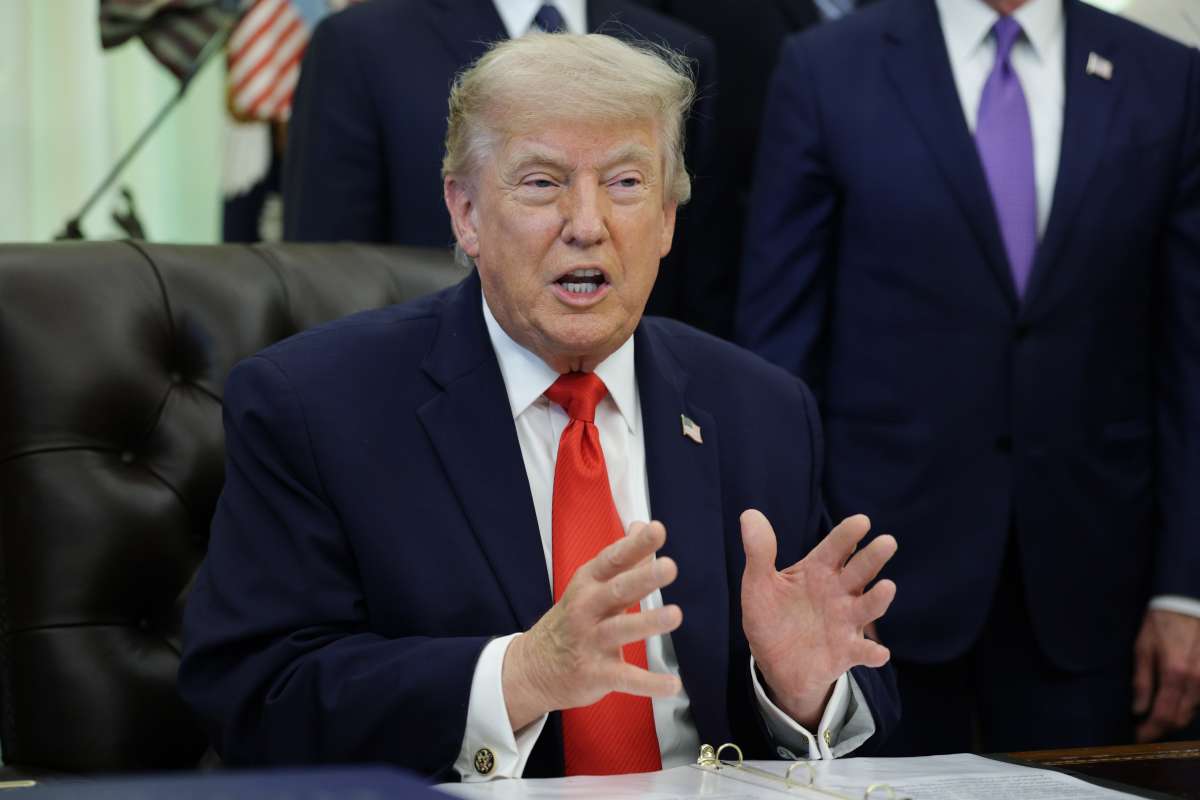
According to administration officials, Trump's primary concern is America's trade deficit.
Future negotiations are expected to cover a broad range of industries, including automobiles, aerospace, food products, machinery, energy and agricultural exports.
The discussions are also expected to extend beyond trade, with immigration and drug trafficking likely to become part of the negotiations.
Another round of discussions with Mexico is already planned for later this month in Mexico City following earlier meetings in Washington that ended with both sides saying only that they had "advanced discussions."
No direct negotiations with Canada have been scheduled.
Canadian Prime Minister Mark Carney appeared to acknowledge the expected delay earlier this week when he joked to reporters, "I'm not looking for my pen," suggesting he did not expect to sign a renewal immediately.
Trilateral trade agreement enters uncertain future
Without a renewal, the USMCA now enters a period of annual reviews instead of receiving a fresh 16-year extension.
Unless the three countries eventually reach a new agreement, the current pact is scheduled to expire completely on July 1, 2036.
Even so, Trump and members of his administration have repeatedly argued that the US could choose to withdraw before that deadline if negotiations fail to produce the changes they want.
The uncertainty has drawn close attention from businesses that rely heavily on cross-border trade.
Business organizations have urged the administration to secure a long-term extension to provide greater certainty for manufacturers, exporters and investors operating across North America.
Ford CEO Jim Farley recently described the negotiations as a "hugely important negotiation," noting that the automaker's manufacturing system depends on vehicle parts moving freely between the United States, Canada and Mexico.
Other business groups have also called for progress, warning that prolonged uncertainty could create new challenges for companies that depend on the agreement.