Trump doesn't rule out declaring national emergency to push through voting restrictions
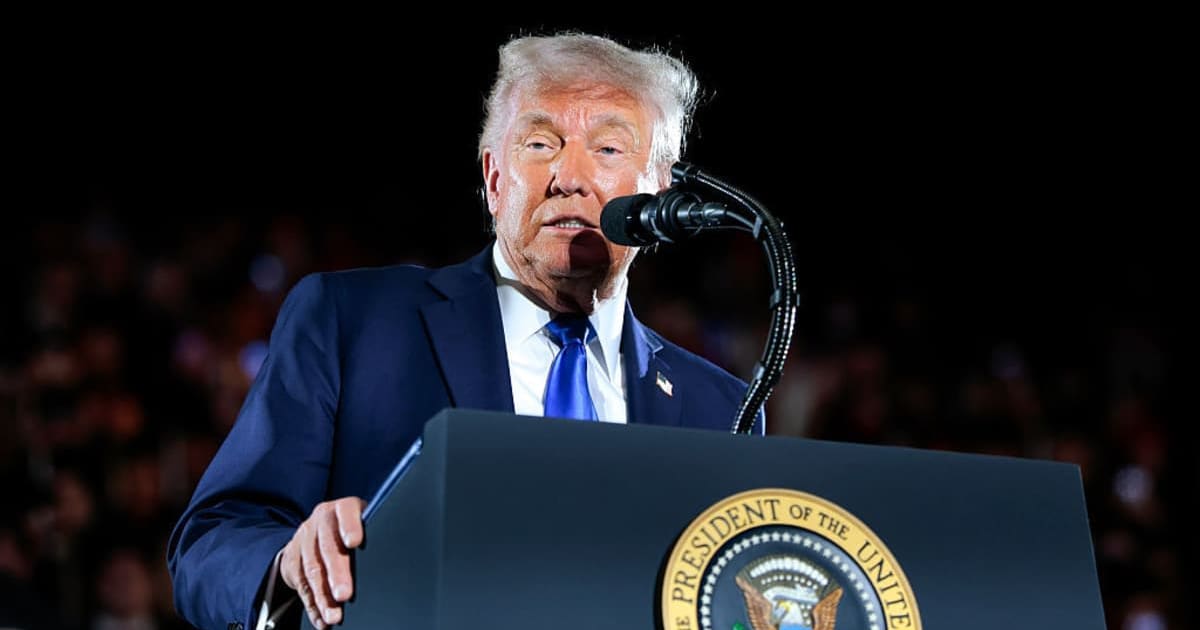
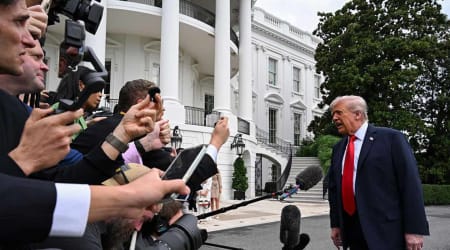
WASHINGTON, DC: On Tuesday, President Trump didn’t rule out declaring a national security emergency to push through new voting restrictions the Senate hasn’t approved. When an interviewer asked if he’d bypass Congress completely, Trump replied, “Stranger things have happened.”
Conservative commentator Wayne Root suggested during an interview with Trump that the president could declare a national emergency if the Senate does not pass the Safeguard American Voter Eligibility (SAVE America) Act.
Part of a broader push to assert federal control over elections
“If you do this in the next month, we will get photo ID, proof of citizenship and a limit to mail-in ballots, and you don’t even need the Senate’s help,” Root said to the president, regarding him declaring a national emergency.
Root: You have the right to declare a national security emergency for elections. If you do this in the next month, we will get photo ID, proof of citizenship, and a limit to mail-in ballots…
— Acyn (@Acyn) August 11, 2026
Trump: Let me just say stranger things have happened. I'll leave it at that. pic.twitter.com/89h4OnJkHz
Trump cut Root off, saying, “Let me just say that stranger things have happened, OK? I’ll leave it at that.”
The SAVE America Act, Trump's top legislative priority, would require Americans to provide proof of citizenship to register to vote and show photo ID at the polls, but the bill has struggled to gain enough Senate support, and lawmakers left for August recess last week without passing it.
Earlier this year, Trump said Republicans should "nationalize" the voting process, a statement that drew criticism from both parties.
Senate Minority Leader Chuck Schumer didn’t hold back after Trump’s latest remarks, accusing him of wanting to take over American elections. The White House hasn’t commented yet.
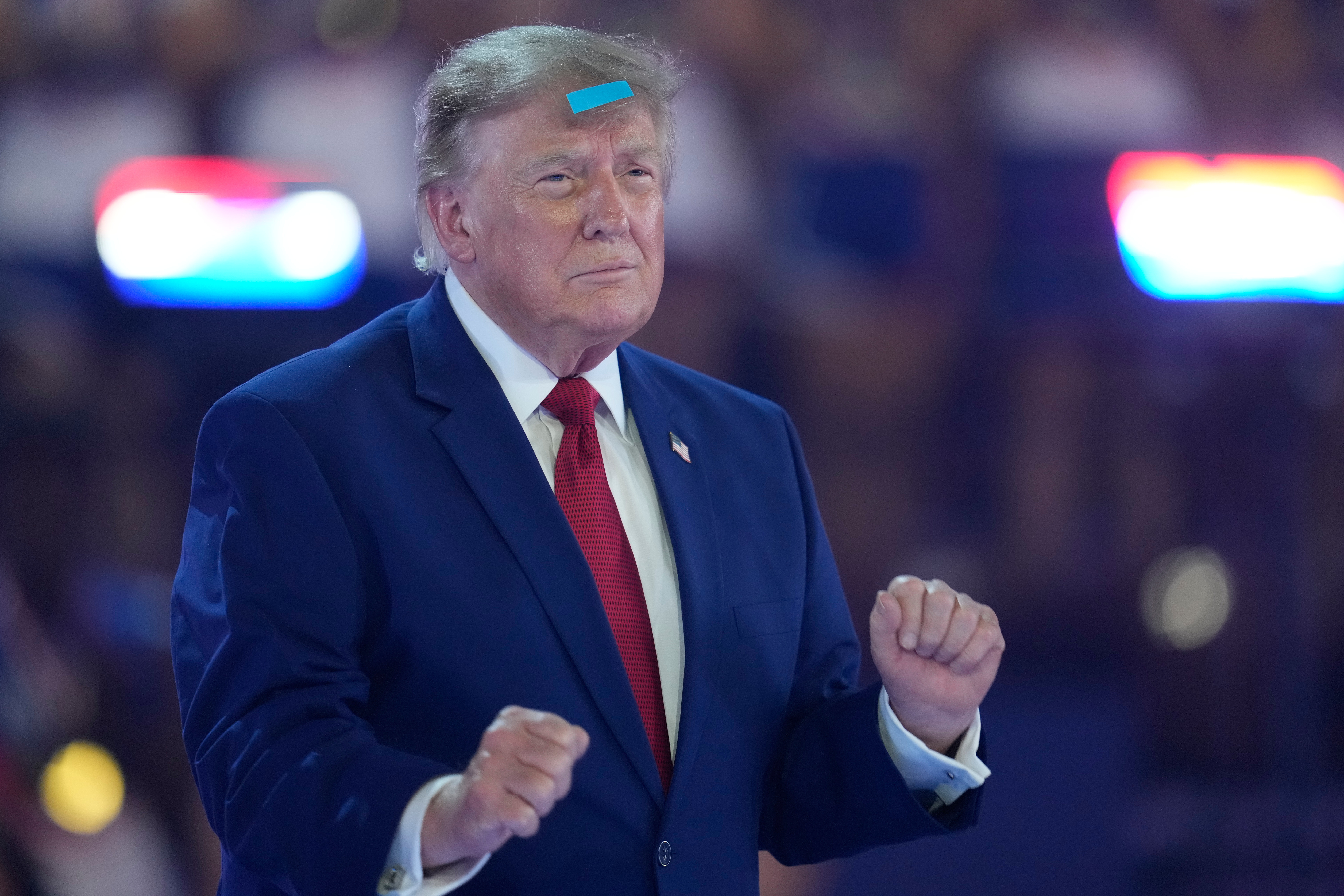
In March, Trump ordered the Department of Homeland Security to create lists of eligible voters for each state, then told the US Postal Service to send mail-in and absentee ballots only to those on the approved lists.
States led by Democrats immediately fought back in court. By June 25, a federal judge in Boston blocked the order. The administration didn’t back down; they filed an emergency appeal with the Supreme Court on July 27, hoping to salvage two key parts of the order.
Meanwhile, the states opposing the order warned the court that implementing these changes would have "extraordinary consequences."
Legal and legislative fights continue on separate tracks
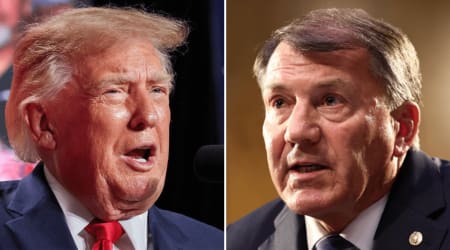
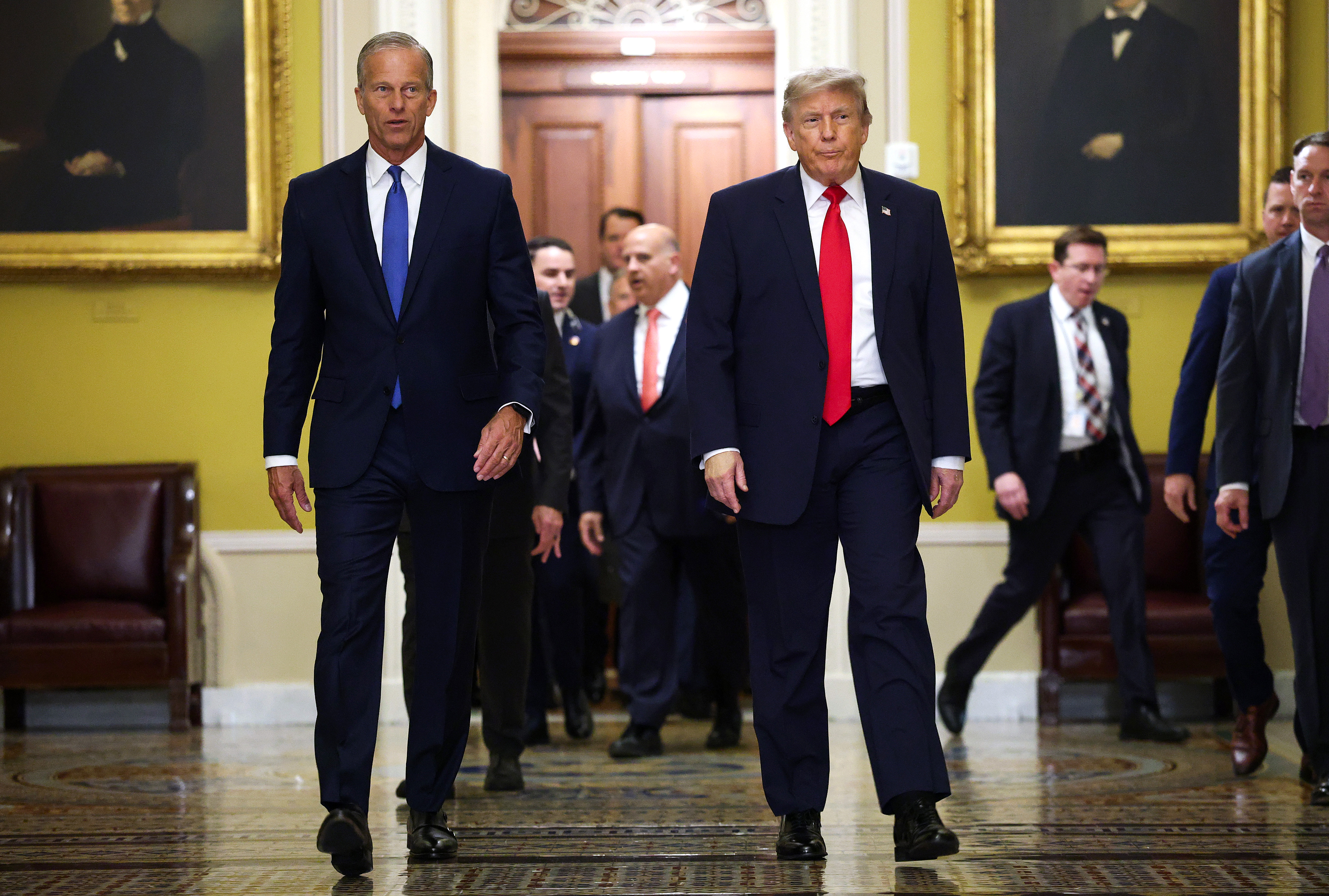
Senate Majority Leader John Thune (R-SD), Trump and Senate conservatives reached a deal on Friday to defer action on much of the SAVE America Act until after the August recess. The upper chamber returns from its summer break on Sept. 14.
While all this was happening, the policy the Postal Service put in place after Trump’s March order kept moving through the courts on a different front.
In July, a federal appeals court stopped a lower court’s ruling that had prevented the USPS from carrying out its ballot delivery changes.
Still, a separate order from Judge Indira Talwani, issued in June, continues to block Trump’s broader executive order in almost two dozen states. Just this week, she reaffirmed that block.