Trump defends $400M White House ballroom as costs surge, funding questions persist
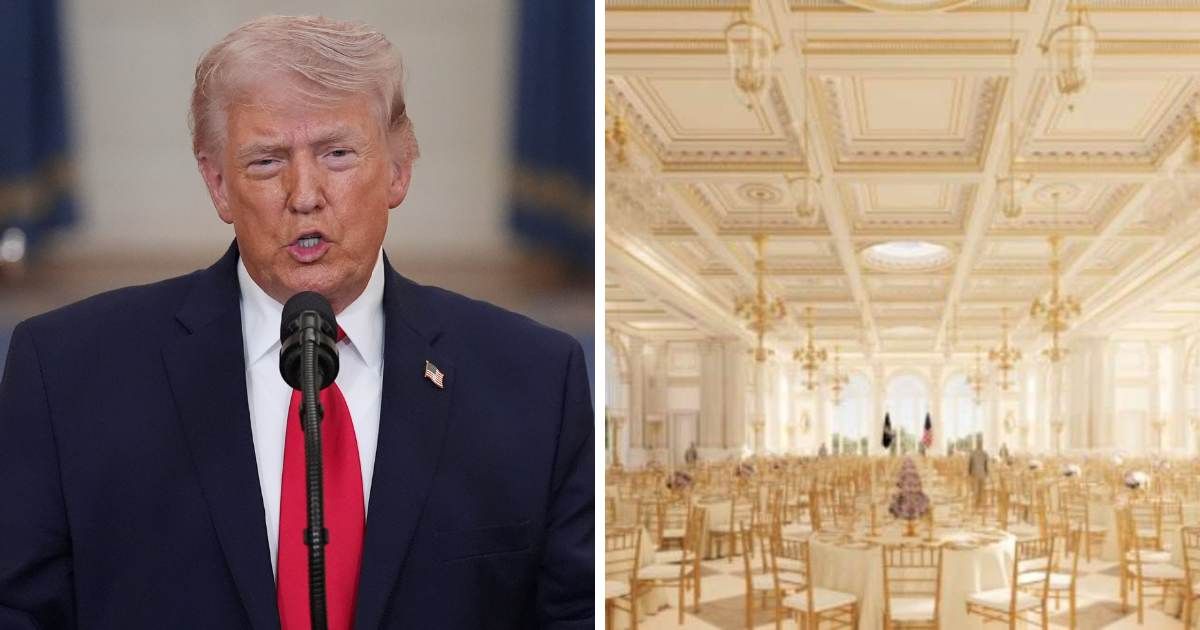
WASHINGTON, DC: Donald Trump has once again defended the rising cost of the proposed White House ballroom, insisting the near-$400 million price tag reflects a larger and more sophisticated structure rather than a budget overrun.
In a post on Truth Social, Trump said the ballroom, planned for the East side of the White House, is now nearly twice the size of the original proposal, with significantly upgraded specifications.
𝗗𝗼𝗻𝗮𝗹𝗱 𝗝. 𝗧𝗿𝘂𝗺𝗽 𝗧𝗿𝘂𝘁𝗵 𝗦𝗼𝗰𝗶𝗮𝗹 𝗣𝗼𝘀𝘁 - 𝟬𝟳:𝟯𝟮 𝗔𝗠 𝗘𝗦𝗧 𝟬𝟱.𝟬𝟲.𝟮𝟲
— Commentary Donald J. Trump Posts From Truth Social (@TrumpDailyPosts) May 6, 2026
The White House Ballroom is going up rapidly on the East side of the White House. The only reason the cost has changed is because, after deep rooted studies, it is approximately…
He maintained that the project remains “ahead of schedule” and “under budget,” dismissing criticism as misleading.
“The only reason the cost has changed is because… it is approximately twice the size, and a far higher quality, than the original proposal,” Trump wrote, adding that the initial design would not have been adequate for hosting major events, meetings or even future inaugurations.
However, his remarks did not address broader financial concerns tied to the East Wing Modernization Project, including a Republican-backed proposal to allocate up to $1 billion in taxpayer funds for related security upgrades, some of which critics argue could indirectly benefit the ballroom.
A long-held ambition takes shape
The ballroom project has been a longstanding ambition for Trump, dating back years before his presidency. As early as 2016, he had offered to fund a White House ballroom privately, an idea that was rejected at the time.
The plan resurfaced in July 2025, when the White House formally announced a major expansion involving a new “state ballroom” to address longstanding logistical limitations. Currently, large state events often require temporary tents on the White House grounds due to space constraints.
The proposed structure, spanning roughly 90,000 square feet, was envisioned as a permanent, secure venue capable of hosting up to 1,000 guests, far exceeding the capacity of existing spaces such as the East Room.
Initially estimated at around $200 million and touted as privately funded, the project has since undergone multiple revisions in size, capacity and design, pushing projected costs closer to $400 million.
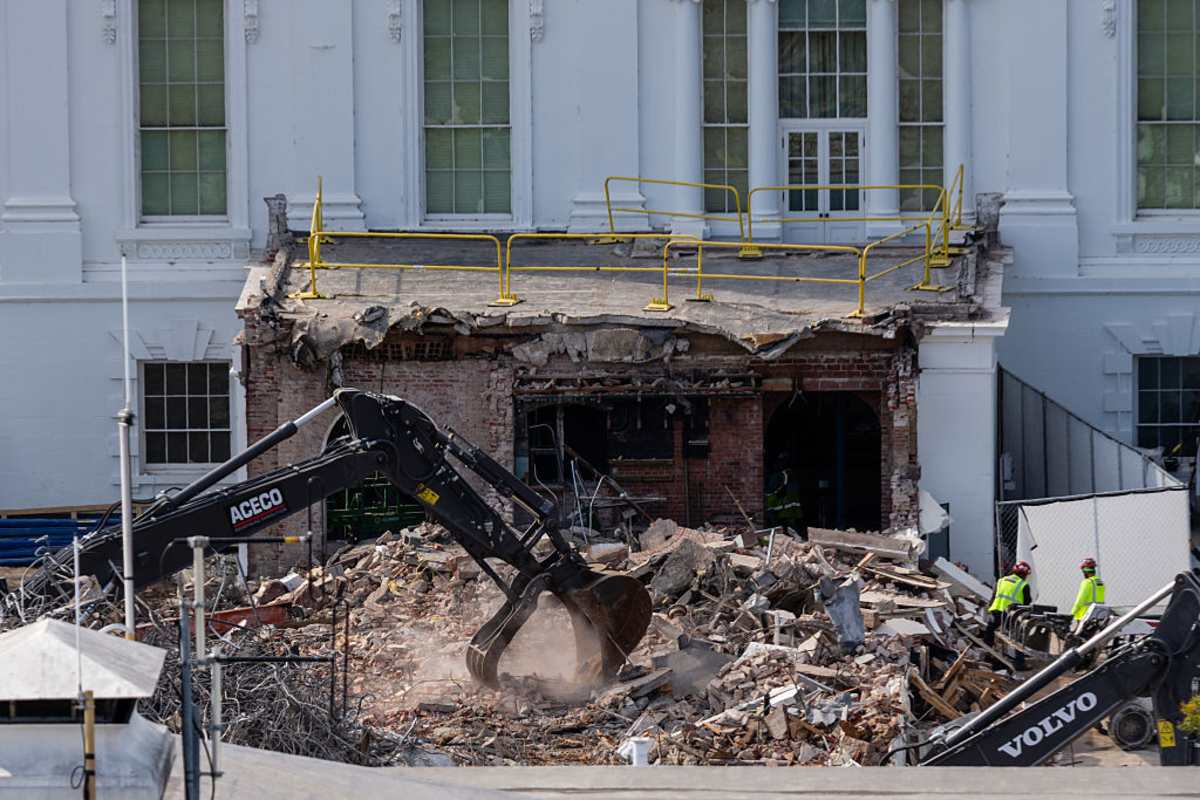
East Wing demolition sparks backlash
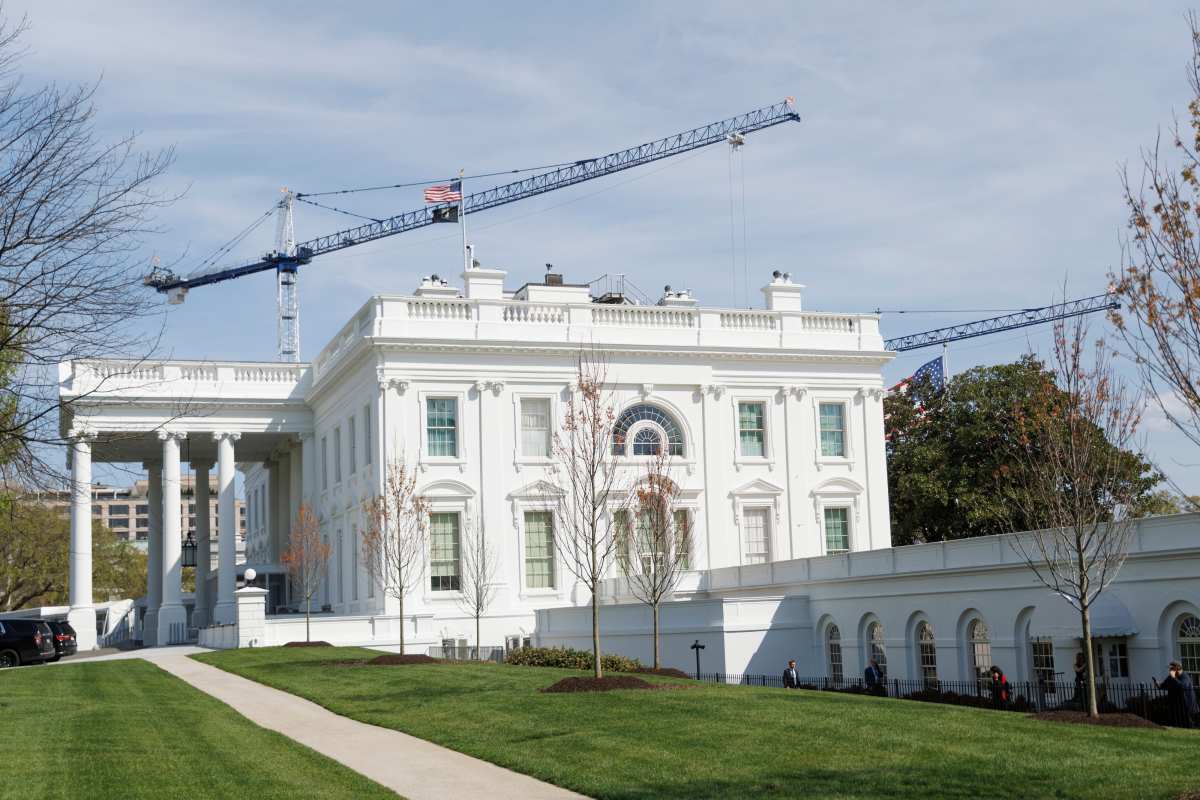
To make way for the ballroom, the administration moved ahead with the demolition of the White House’s East Wing in October 2025, a decision that triggered widespread criticism from preservationists and historians.
The East Wing, originally constructed in 1902 and expanded over decades, housed key offices including those of the First Lady, as well as visitor facilities and a small theater.
Its removal marked one of the most significant structural changes to the White House complex in modern history. Critics, including the National Trust for Historic Preservation, argued that the massive ballroom would overwhelm the scale and classical design of the historic residence.
Legal challenges followed, with courts at various points halting and then allowing construction to proceed amid disputes over compliance with preservation laws and executive authority.